
Between 1930 and 1934, Hollywood briefly lived in a state of unguarded candor. Before the strict enforcement of the Production Code — better known as the Hays Code — films portrayed sex, violence, vice, and women’s independence with a frankness that would vanish for decades. These “pre-Code” years were short but incandescent, producing a body of work that feels startlingly modern in its wit, its bite, and its refusal to moralize.
Nearly a century later, these films still matter: not simply as curiosities but as vital documents of American culture before censorship reshaped the industry. They remind us that cinema has always been a contested space — between art and commerce, morality and appetite, freedom and restraint.
What Was the Code?
The Motion Picture Production Code was adopted in 1930 under pressure from religious groups and moral reformers. Written by Jesuit priest Daniel Lord and studio head Will Hays, the Code forbade depictions of “excessive and lustful kissing,” “sympathy for criminals,” “ridicule of the clergy,” and virtually any reference to homosexuality, abortion, or interracial relationships.
For four years, however, the Code was more suggestion than law. Studios paid lip service but continued to release films bristling with innuendo, decadence, and transgression. Only in 1934, with the creation of the Production Code Administration under Joseph Breen, did enforcement become absolute. What followed was three decades of moral rigidity until the collapse of the Code in the 1960s.
What Made Pre-Code Films Different?
Pre-Code films embraced ambiguity and complexity. They depicted women as sexual beings, sometimes in control of their own destinies. They portrayed criminals without obligatory punishment, marriages without sanctity, and institutions without reverence.
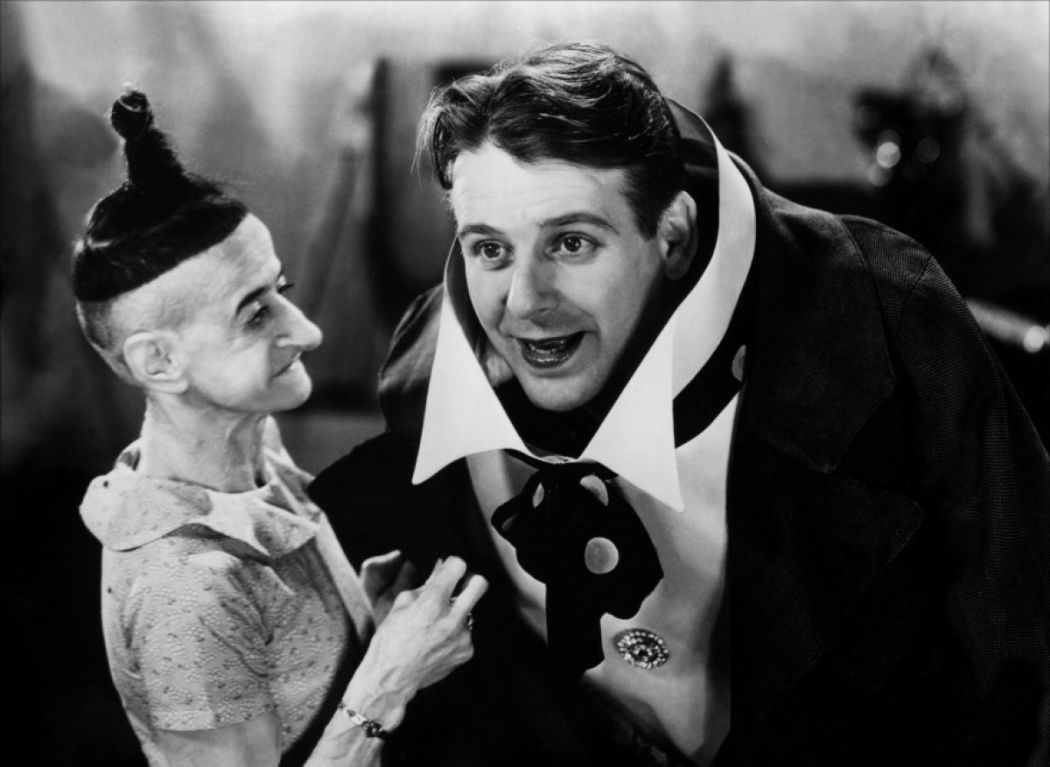
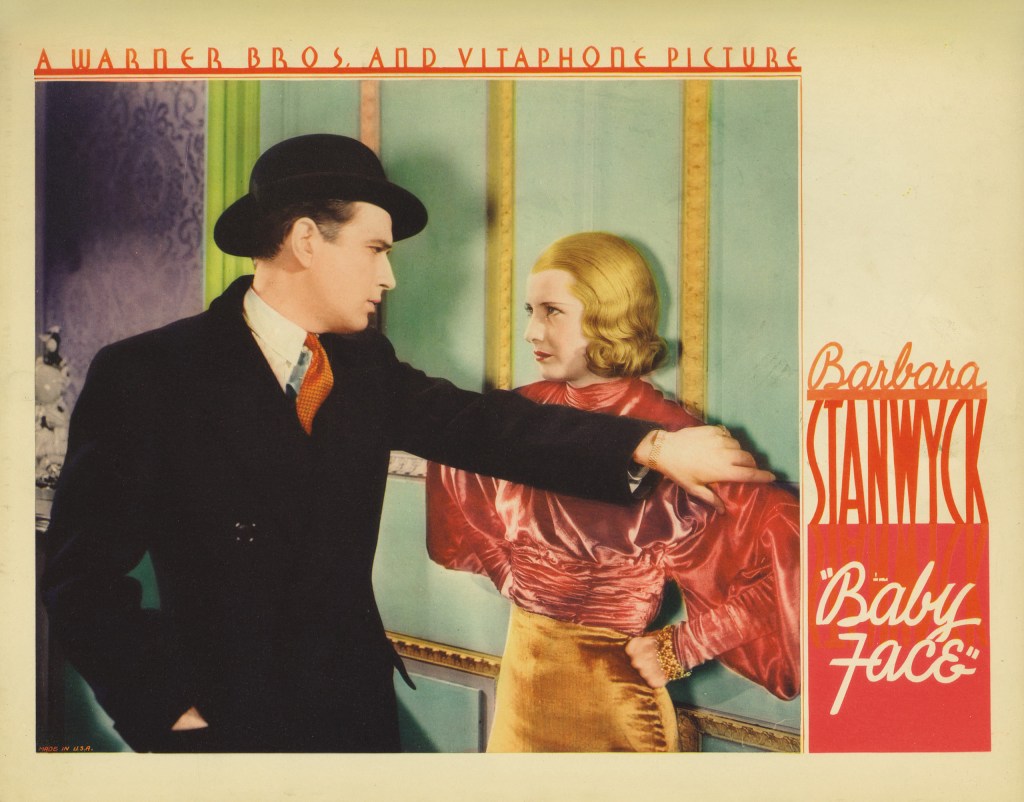
Barbara Stanwyck could play a woman who sleeps her way to the top (Baby Face, 1933); Mae West could rewrite scripts with double entendres so brazen they became legend (She Done Him Wrong, 1933). Gangster films like Little Caesar (1931) and The Public Enemy (1931) turned underworld antiheroes into cultural icons. Horror films like Freaks (1932) confronted audiences with bodies outside the norm, challenging ideas of beauty and monstrosity.
The allure of pre-Code lies in this candor: a world where morality was not dictated but negotiated.
The Legacy of Pre-Code Cinema
Though brief, the era left a lasting imprint. It revealed audiences’ appetite for realism, sensuality, and moral ambiguity — appetites that censorship could suppress but not erase. When the Code finally broke down in the 1960s, filmmakers from Mike Nichols to Martin Scorsese inherited the spirit of pre-Code freedom.
Pre-Code films also reshaped gender on screen. Stars like Jean Harlow, Norma Shearer, and Joan Blondell embodied a female independence rarely seen again until the feminist cinema of the 1970s. These films remain essential for understanding not just Hollywood history but the cultural politics of modernity.
Notable Pre-Code Films
- Little Caesar (1931, dir. Mervyn LeRoy) – Edward G. Robinson as the gangster Rico, a chilling portrait of ambition and violence.
- The Public Enemy (1931, dir. William A. Wellman) – James Cagney’s Tommy Powers became an icon of ruthlessness, capped with the infamous “grapefruit scene.”
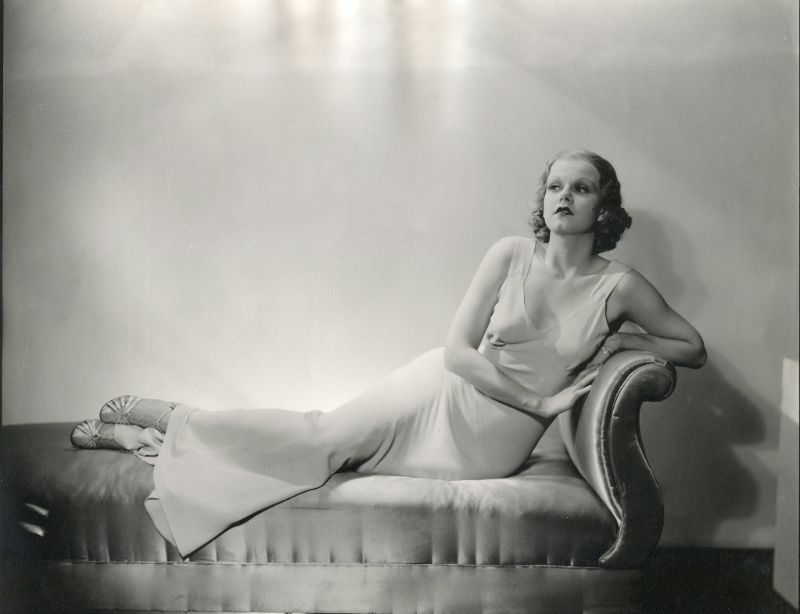
- Red-Headed Woman (1932, dir. Jack Conway) – Jean Harlow plays a secretary who unapologetically seduces her way into wealth.
- Freaks (1932, dir. Tod Browning) – A shocking carnival story whose cast of real sideshow performers challenged Hollywood’s limits.
- Trouble in Paradise (1932, dir. Ernst Lubitsch) – A sophisticated comedy of thieves and lovers, showcasing the Lubitsch touch at its most daring.
- Baby Face (1933, dir. Alfred E. Green) – Barbara Stanwyck’s Lena ascends from speakeasy waitress to Wall Street executive, weaponizing men’s desire.
- She Done Him Wrong (1933, dir. Lowell Sherman) – Mae West’s innuendo-laden performance opposite Cary Grant made her immortal.
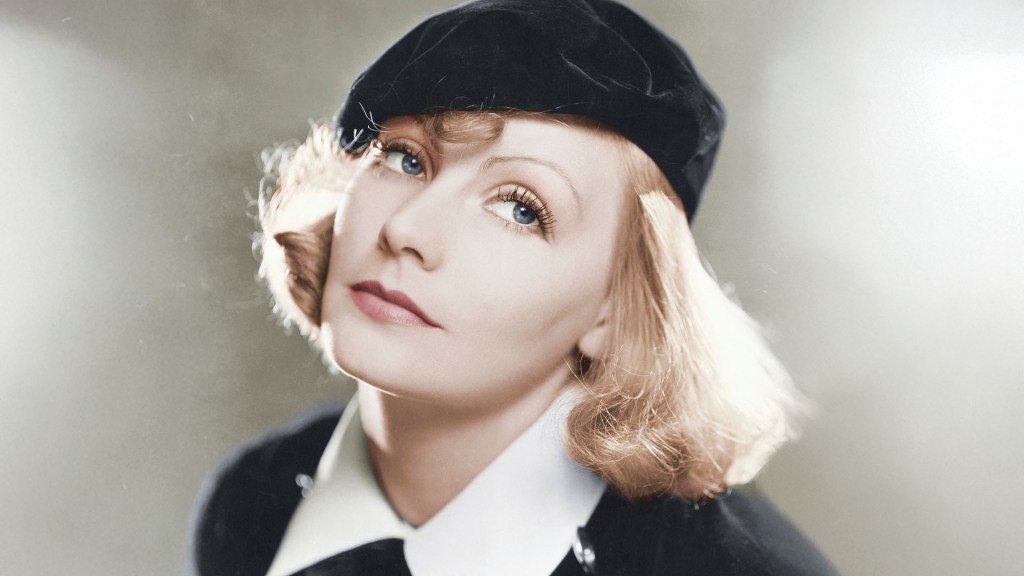
- Queen Christina (1933, dir. Rouben Mamoulian) – Greta Garbo as Sweden’s androgynous monarch, in a role suffused with erotic ambiguity.
Timeline: Pre-Code Hollywood
- 1922 – The Motion Picture Producers and Distributors of America is formed; Will Hays appointed to clean up Hollywood’s image after scandals.
- 1930 – The Production Code is drafted but not enforced. Studios continue producing risqué films.
- 1931–1933 – The peak of pre-Code cinema: gangster pictures, sexually frank melodramas, comedies laced with innuendo.
- 1933 – Mae West becomes a cultural sensation; Barbara Stanwyck pushes boundaries in Baby Face.
- 1934 – Catholic pressure groups organize boycotts. Joseph Breen takes over the Production Code Administration. Enforcement begins July 1.
- Mid-1930s–1960s – Hollywood operates under strict censorship. Scripts require approval; endings are sanitized.
- 1968 – The Code is officially abandoned, replaced by the MPAA rating system.
Pre-Code Stars: Icons of Rebellion
- Mae West – With her sultry voice and endless supply of double entendres, she became the era’s most notorious star. Films like She Done Him Wrong and I’m No Angel (1933) celebrated her wit and sexual autonomy.
- Barbara Stanwyck – From Baby Face to Night Nurse, she portrayed women who defied social rules, balancing toughness with vulnerability.
- Jean Harlow – The “Blonde Bombshell” embodied frank sexuality, her roles in Red-Headed Woman and Red Dust (1932) making her an icon of liberated womanhood.
- James Cagney – The quintessential gangster, he electrified audiences with his charisma and brutality in The Public Enemy and set the mold for generations of crime films.
- Greta Garbo – Already a star, she used the pre-Code years to explore roles with erotic androgyny and complexity, culminating in Queen Christina.
- Joan Blondell – Known for her wisecracks and warmth, she gave voice to working-class women navigating Depression-era hardships in films like Gold Diggers of 1933.
TL;DR
Pre-Code cinema is not only a fascinating chapter in film history but a reminder of what art looks like when it runs ahead of regulation. These films reveal a 1930s America that was bawdier, sharper, and more daring than cultural memory often admits.
To watch them today is to glimpse both the freedoms audiences once had — and the constraints that swiftly followed. They stand as evidence that cinema has always been more than entertainment; it is a mirror of society’s anxieties, desires, and contradictions.
In those few unruly years, Hollywood was honest. And honesty, as the pre-Code films remind us, is always the most scandalous act of all.
 My World of Interiors