
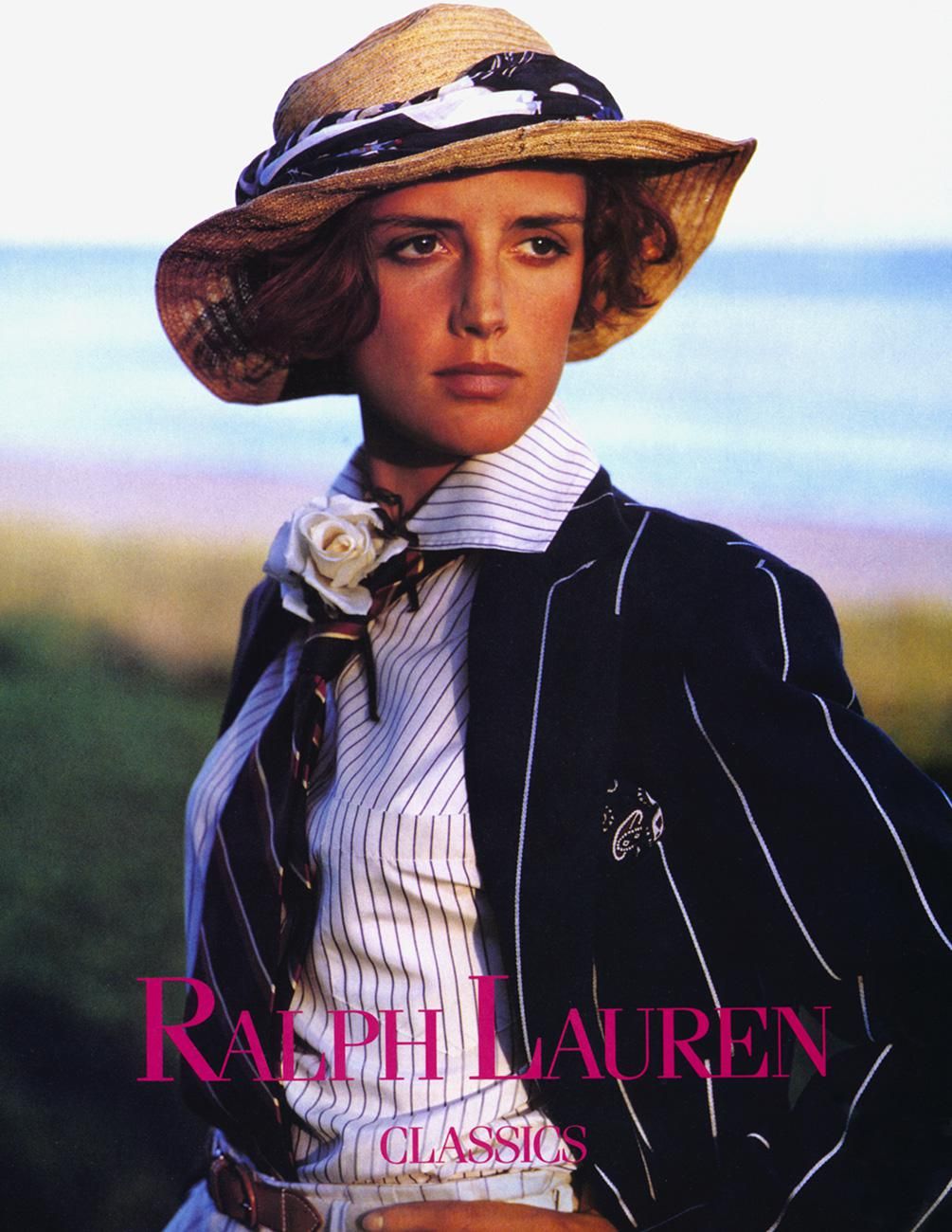
From Bronx beginnings to Madison Avenue mansions, Ralph Lauren built more than a fashion house — he created a universe. His vision of America, stitched from prep schools, ranches, and penthouses, became a global language of aspiration. Decades on, his legacy continues to shape not just what we wear, but how we dream.
Origins of a Vision
Ralph Lauren was born Ralph Lifshitz in 1939, the youngest son of immigrant parents in the Bronx. His upbringing was modest, urban, far removed from the polo fields and patrician salons that would later define his brand. What set him apart was imagination — a conviction that clothing could be a passport into new worlds. After serving in the Army and working as a tie salesman, he launched his own line in 1967. His wide ties, bold for their time, signaled a new attitude. Polo was born, and with it the seed of an empire.
America, Imagined
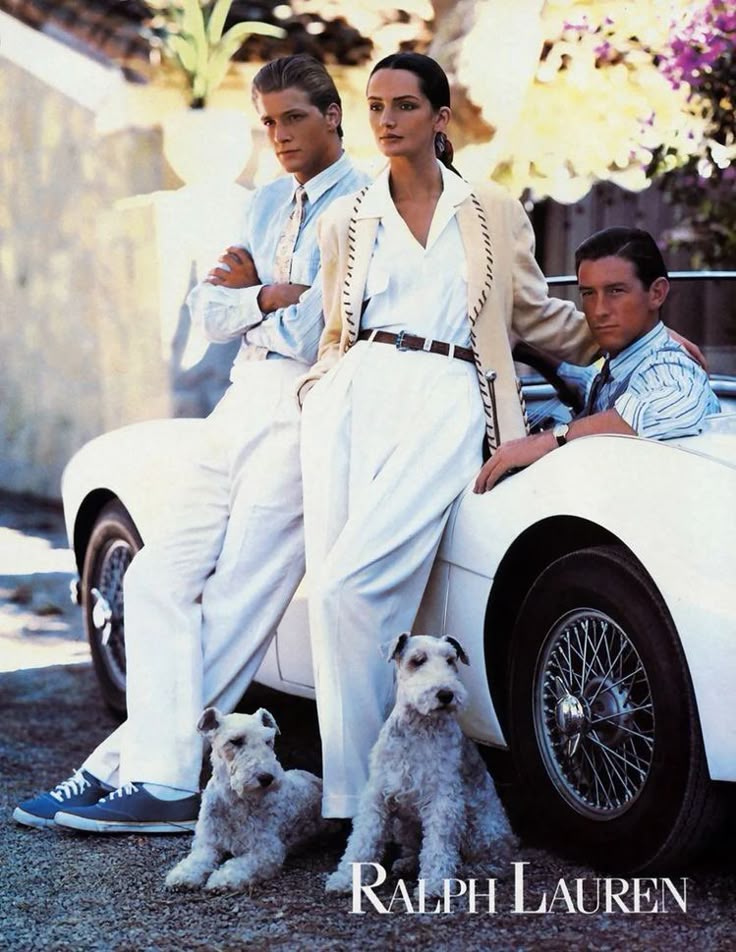
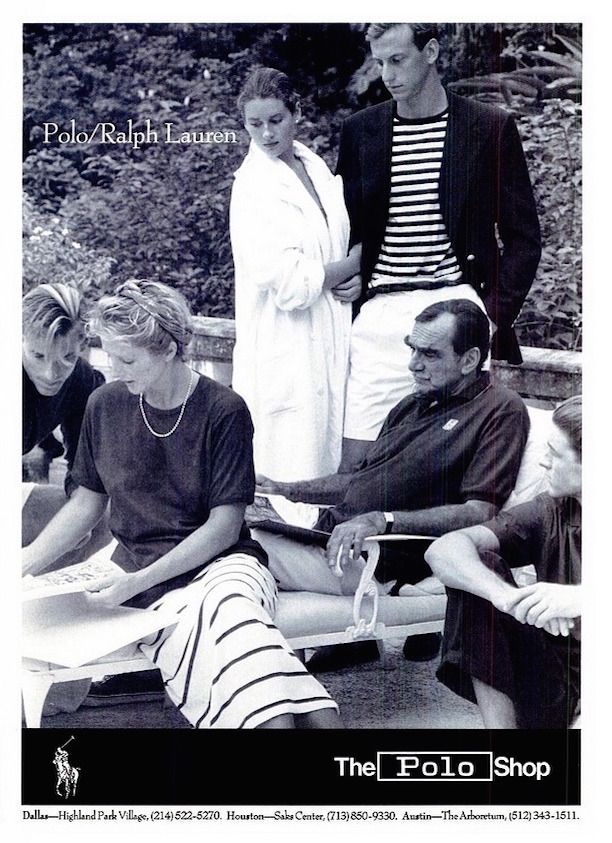
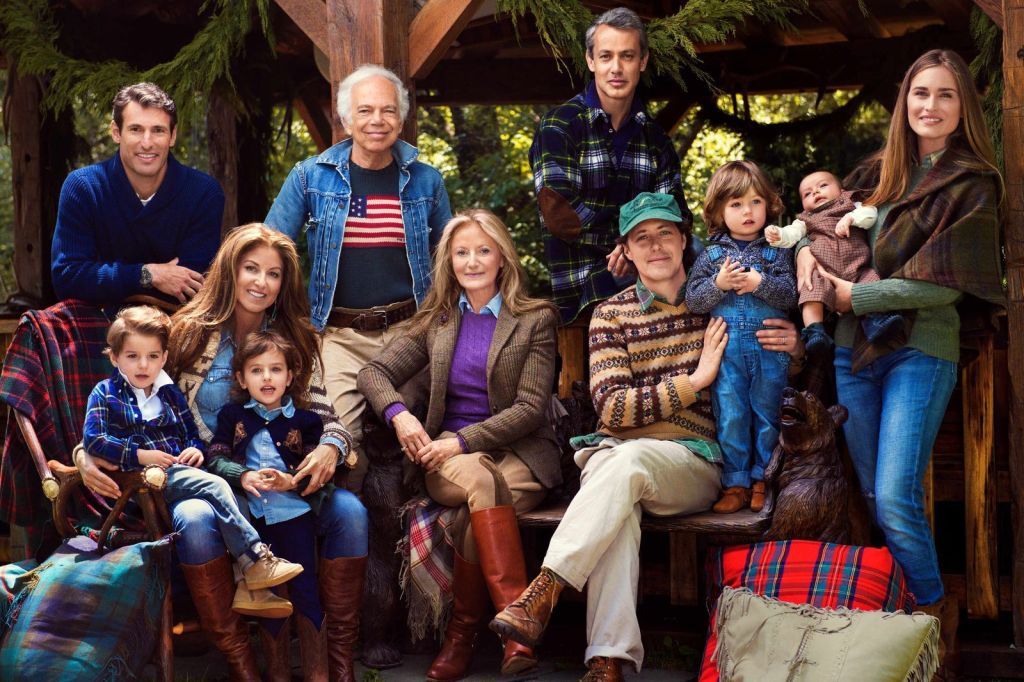
Lauren’s brilliance lay not in chasing trends but in crafting myth. While European designers leaned on couture heritage, he drew inspiration from an idealized America: Adirondack lodges and Ivy League quads, Western ranches and Manhattan drawing rooms. His advertising campaigns were staged like film stills — aspirational vignettes that suggested the life one might step into by buttoning a shirt or donning a blazer. A Polo emblem on cotton pique became less about fabric than about identity.
Stores as Stage Sets
By the 1980s, shopping Ralph Lauren meant entering a world. The Rhinelander Mansion on Madison Avenue, with its dark wood, roaring fireplaces, and oil paintings, redefined retail as theater. His personal residences — from Bedford to Colorado to Jamaica — often appeared in glossy magazines, reinforcing the brand’s ethos: homes and wardrobes aligned in one seamless aesthetic.
Hollywood and Cultural Moments
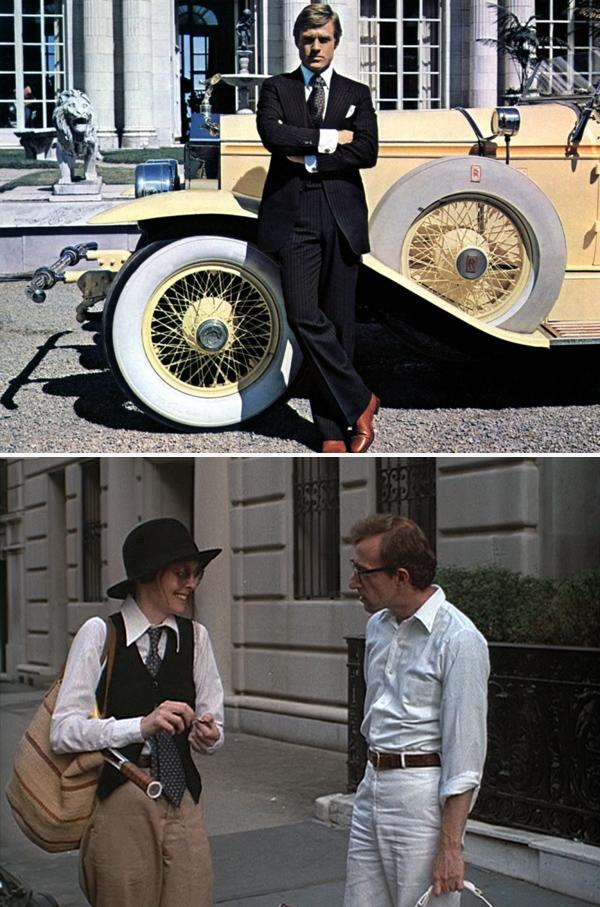
Cinema carried his vision onto the global stage. In 1974, Robert Redford and Mia Farrow wore Ralph Lauren in The Great Gatsby, giving Jazz Age glamour a modern polish. Three years later, Diane Keaton’s wardrobe in Annie Hall — relaxed tailoring, layered vests, borrowed-from-the-boys charm — became an enduring fashion archetype. Later, Lauren’s tuxedos and gowns became fixtures of the red carpet, his look synonymous with timeless elegance.
Beyond Fashion
Lauren extended his aesthetic into every corner of life: fragrances, furniture, linens, even restaurants. Each carried the same language of refinement, comfort, and permanence. The Polo logo grew into one of the world’s most recognizable emblems, not just a brand mark but a cultural symbol.
A Legacy of Continuity
In a fashion industry built on seasonal reinvention, Ralph Lauren’s genius has been his consistency. He offered the world a dreamscape of American aspiration — a blend of prep and ranch, city and country, polish and ease — and never strayed from it. His work demonstrates that luxury can be as much about storytelling and continuity as it is about novelty.
As he once remarked: “I don’t design clothes. I design dreams.” That vision remains his most enduring contribution.
Ralph Lauren’s Milestones
- 1967 – Launches Polo with a line of ties at Bloomingdale’s.
- 1968 – Debuts first full Polo menswear collection.
- 1971 – Opens first freestanding Polo store on Rodeo Drive.
- 1972 – Introduces the cotton Polo shirt in 24 colors.
- 1974 – Designs costumes for The Great Gatsby.
- 1977 – Dresses Diane Keaton in Annie Hall.
- 1986 – Opens Madison Avenue flagship in the Rhinelander Mansion.
- 1997 – Ralph Lauren Corporation goes public on the NYSE.
- 2000s – Expands into hospitality with Ralph’s restaurants in Paris, New York, and Chicago.
- 2018 – Marks 50 years with a star-studded Central Park show.
- Today – Serves as executive chairman and chief creative officer, guiding one of fashion’s most enduring houses.
Looking Ahead
Ralph Lauren’s legacy is not only measured in garments or stores, but in the way he taught generations to imagine a life through style. His aesthetic endures because it feels both nostalgic and timeless, rooted in heritage yet endlessly adaptable. For young designers, he remains proof that vision matters as much as technique; for consumers, he is reassurance that elegance and consistency still have a place in fashion’s restless churn.
The American dream he conjured — part real, part fantasy — continues to inspire. And as long as that dream endures, so too will Ralph Lauren.
 My World of Interiors