
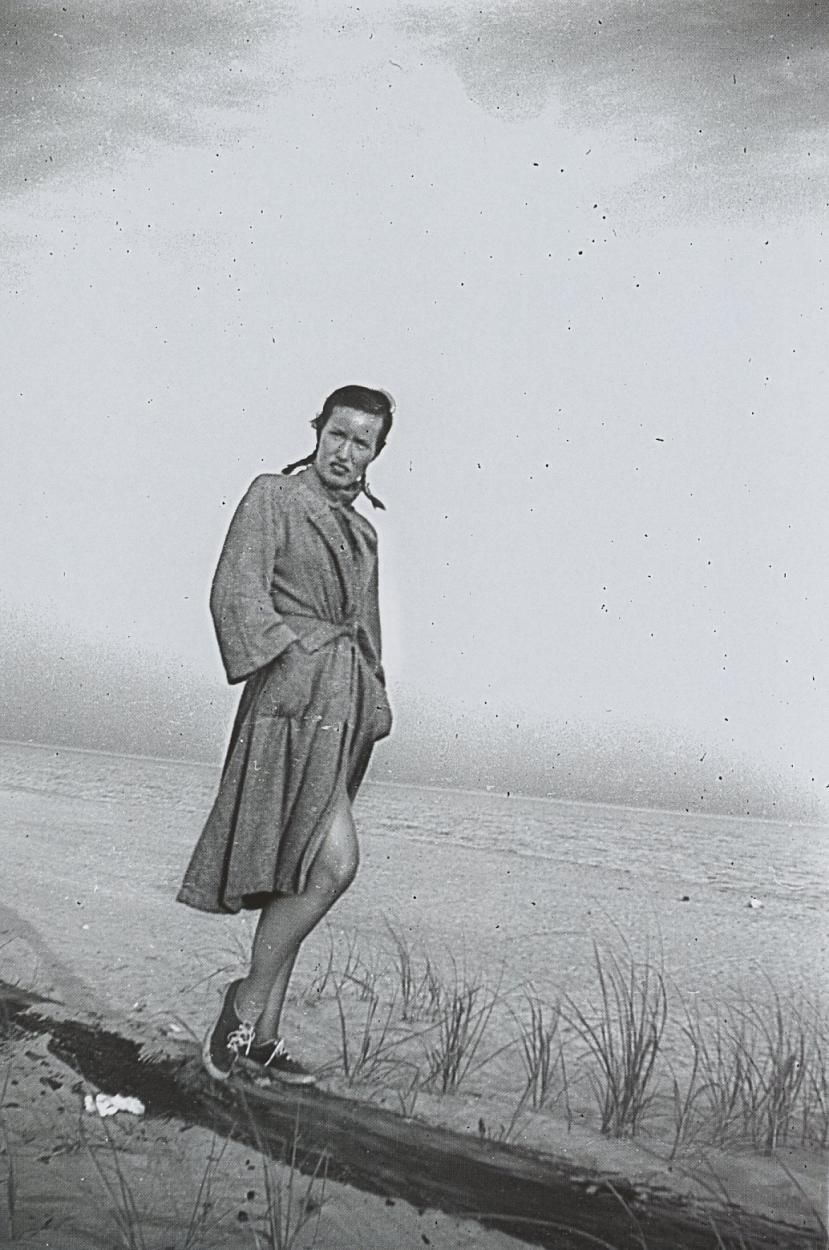
American culture has always harbored a fascination with women who live on the edges of society’s expectations. Few embody this fascination more vividly than Edith Bouvier Beale — “Little Edie” — the reclusive socialite turned cult icon immortalized in Albert and David Maysles’ 1975 documentary Grey Gardens. Draped in improvised turbans, brooches, and scarves, she transformed eccentricity into performance, exile into legend.
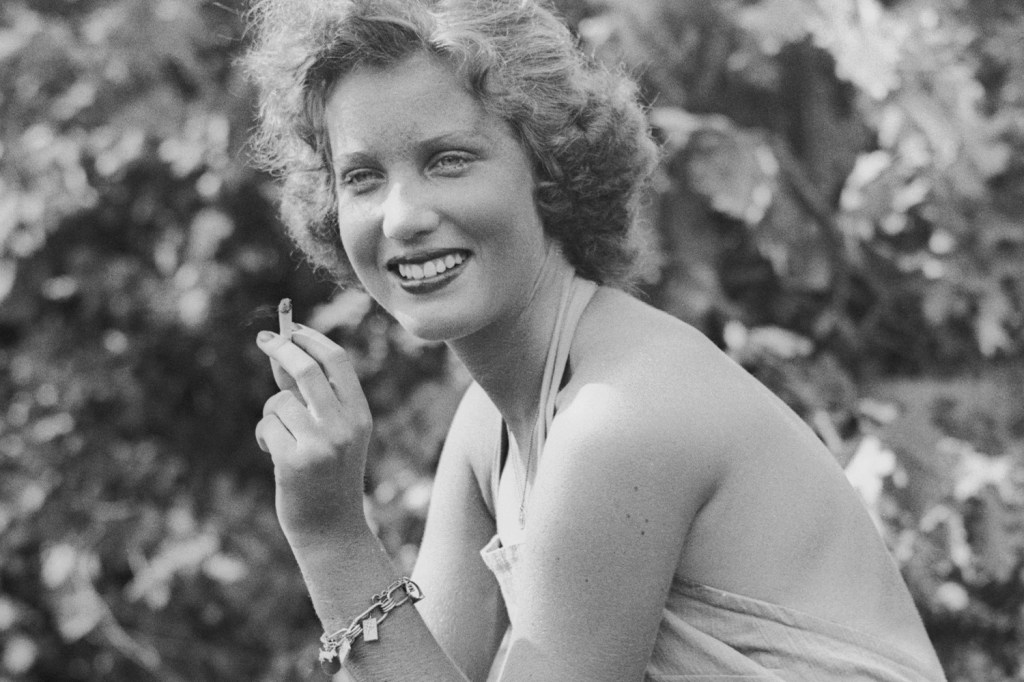
From Park Avenue to East Hampton
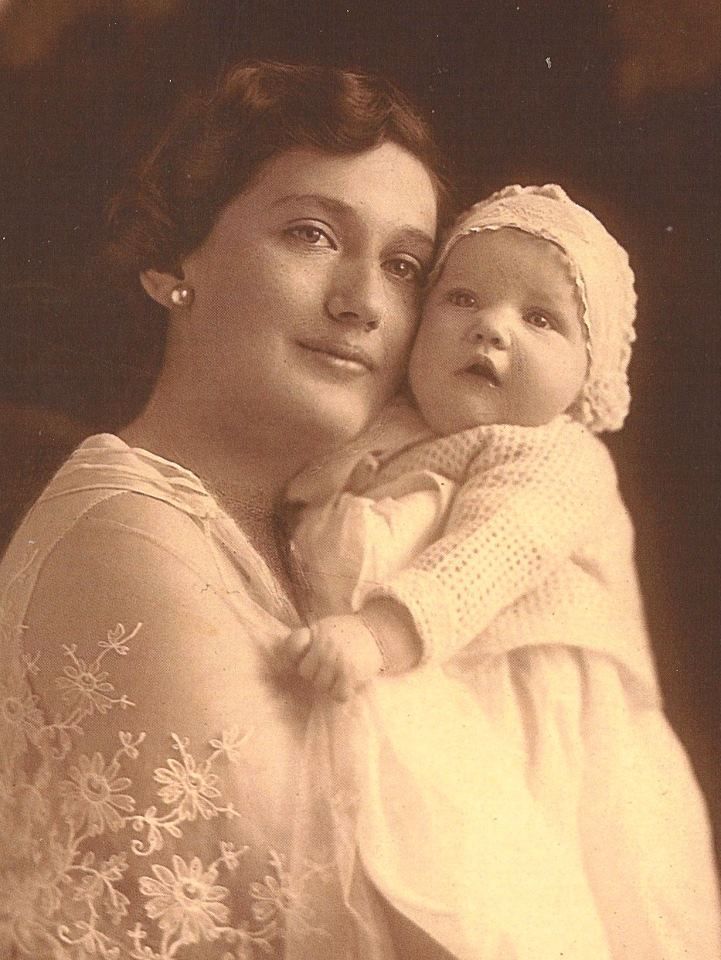
Born in 1917, Little Edie was the daughter of Edith Ewing Bouvier Beale (“Big Edie”) and Phelan Beale, a wealthy New York lawyer. The Bouviers were old-money aristocracy, their family tree entwined with the Kennedys — Jacqueline Bouvier Kennedy Onassis was Little Edie’s cousin.
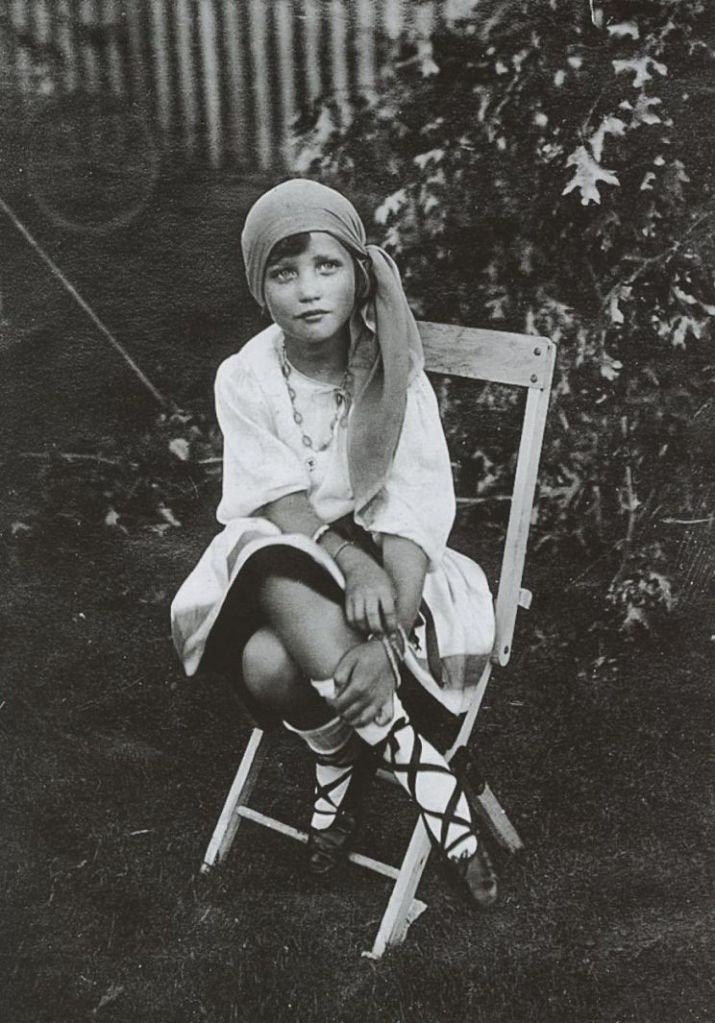
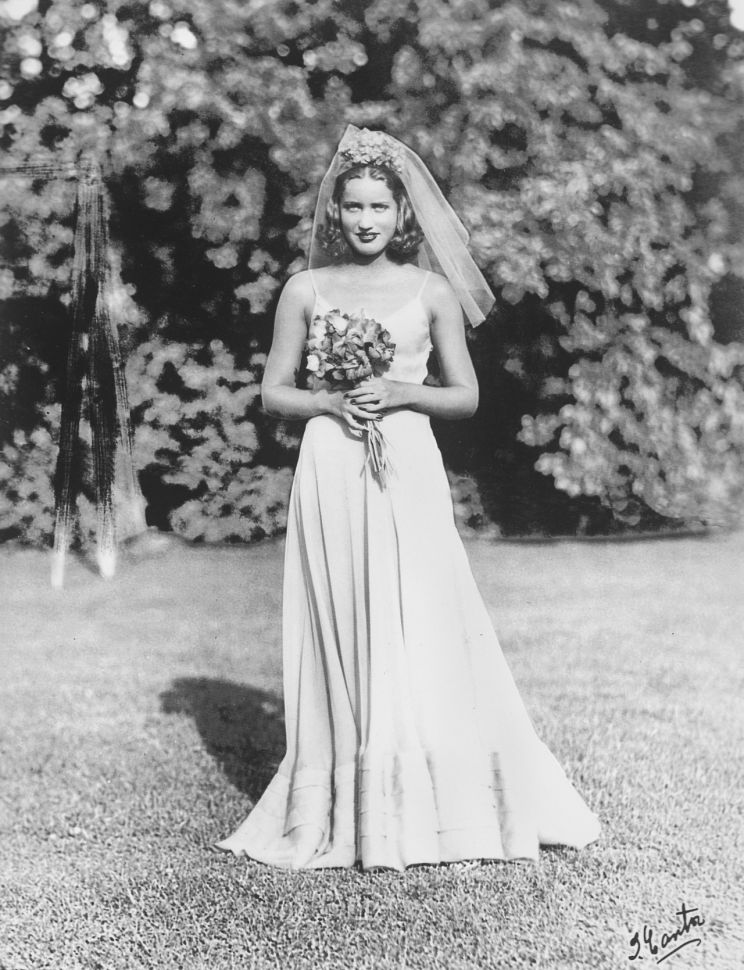
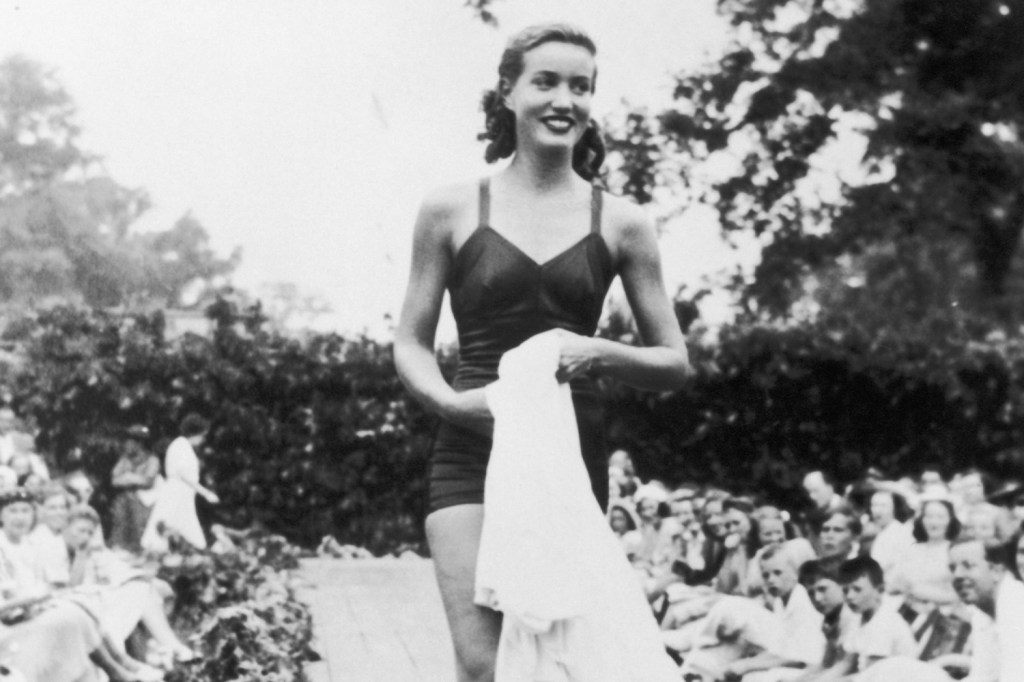
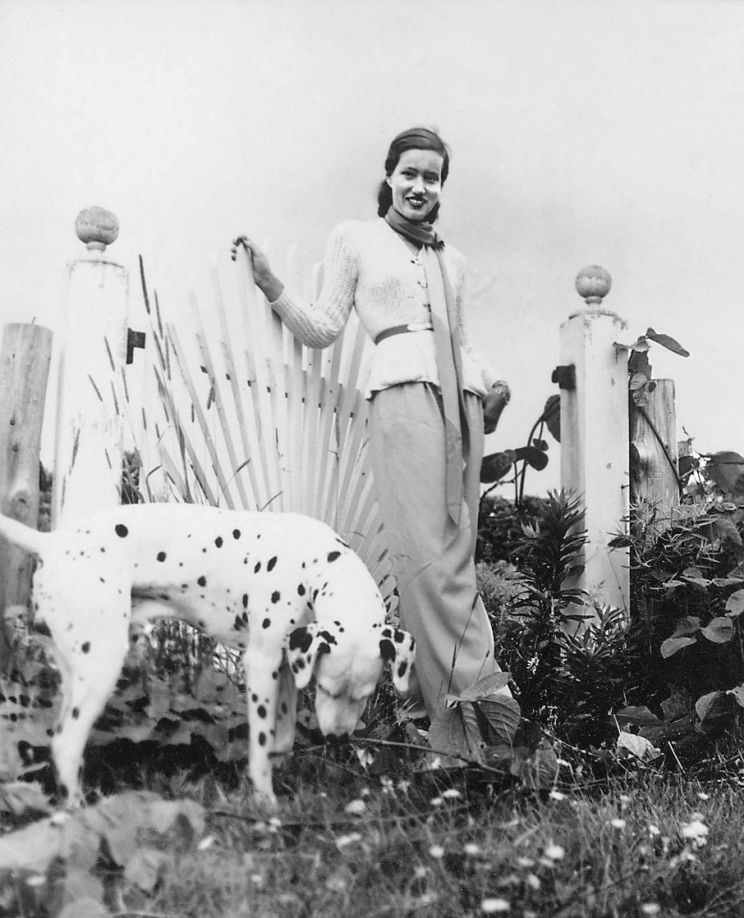
In her youth, she embodied debutante glamour: educated at Miss Porter’s, dancing at society balls, courted by suitors. By the 1940s she was working as a model and aspiring actress, living independently in New York City.
Yet her ambitions collided with circumstance. Her father withdrew financial support, and by the 1950s she had returned to Grey Gardens, the family estate in East Hampton, to live with her mother. What was meant as a temporary stay became permanent.
Grey Gardens: From Decline to Myth
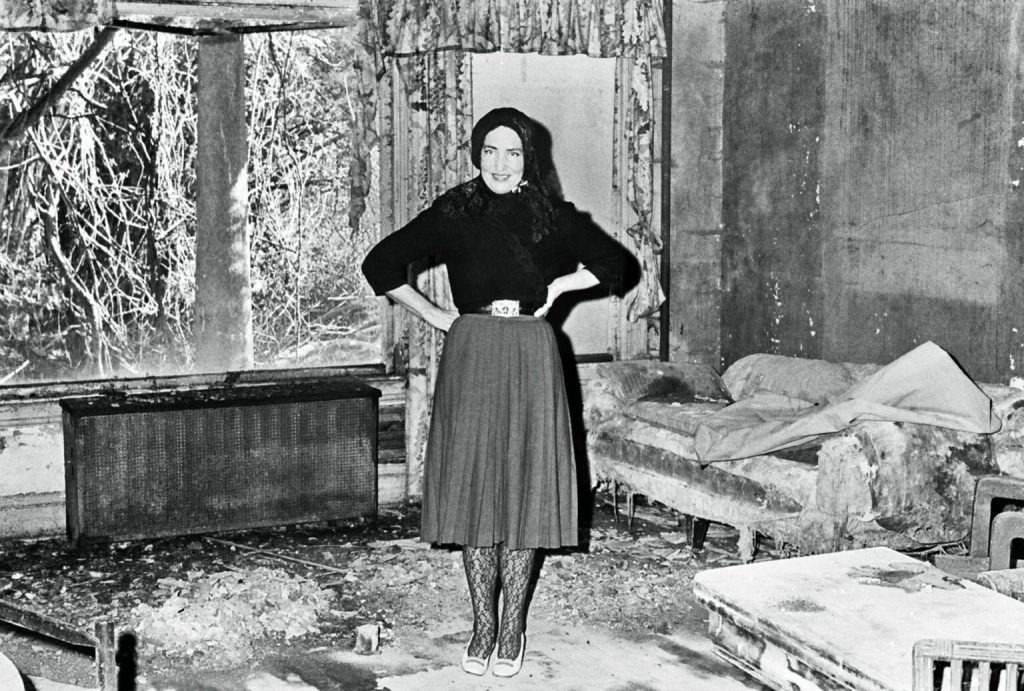
By the early 1970s, Grey Gardens had fallen into disrepair. Cats, raccoons, and crumbling plaster filled the once-elegant house, creating an atmosphere at once gothic and domestic. When the Maysles brothers arrived with cameras in 1973, they found a mother and daughter engaged in a strange, poignant duet — part vaudeville, part tragedy, part comedy.
The film, released in 1975, scandalized polite society but quickly developed a cult following. Audiences were mesmerized by Little Edie’s unfiltered charisma: her conspiratorial asides to the camera, her sharp wit, her peculiar fashion, her declarations of independence in the face of collapse.
“It’s very difficult to keep the line between the past and the present… You know what I mean?”
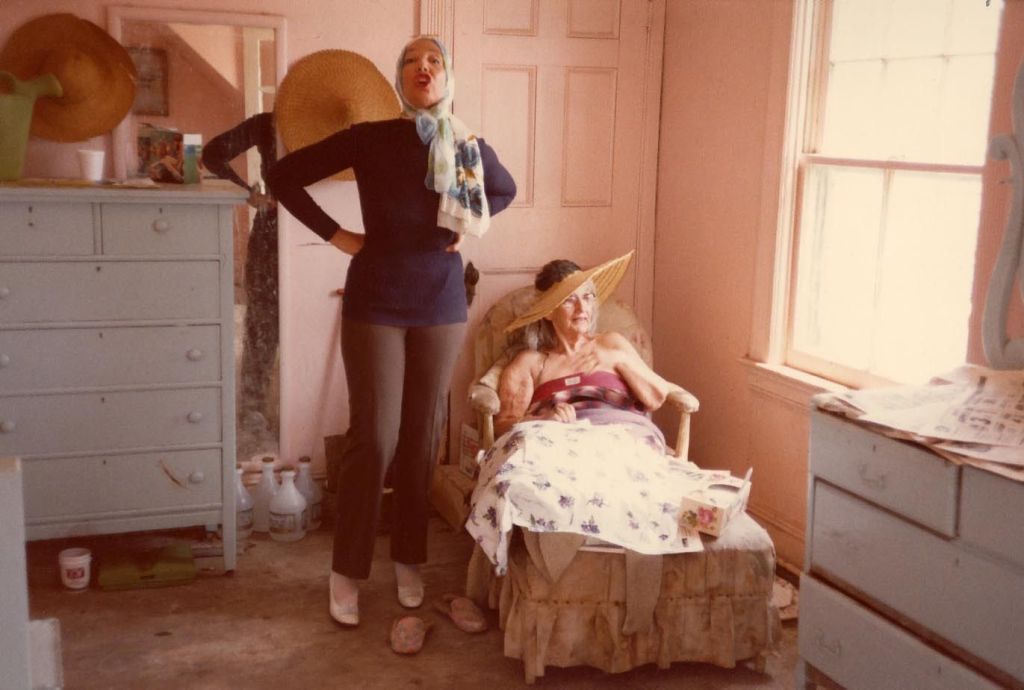
The Fashion of Survival
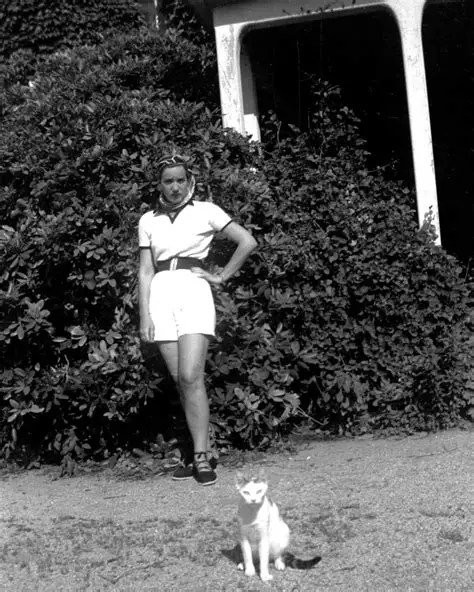
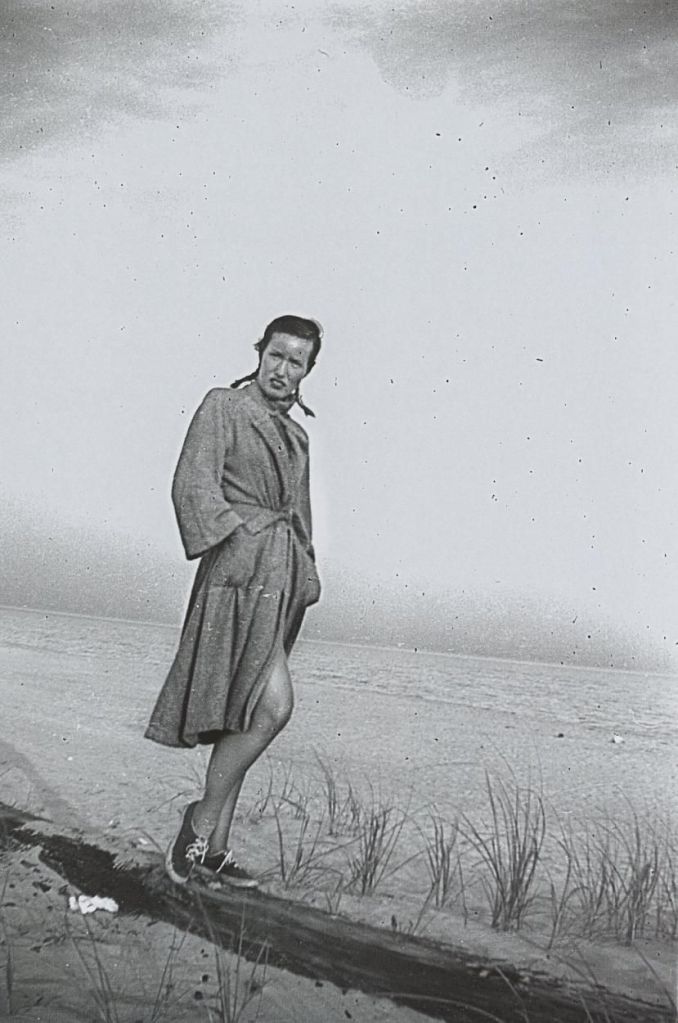
Little Edie’s improvised costumes — tights worn as headscarves, skirts pinned with brooches, sweaters wrapped like saris — became a language of resistance. Without means to purchase couture, she created her own style vocabulary, transforming scraps into statements.
What might have seemed eccentric was, in fact, deeply performative: she was always on stage, even in the ruin of Grey Gardens. Designers later embraced her as an unlikely muse. Rei Kawakubo and John Galliano cited her layered, off-kilter ensembles; Marc Jacobs referenced her turbans.
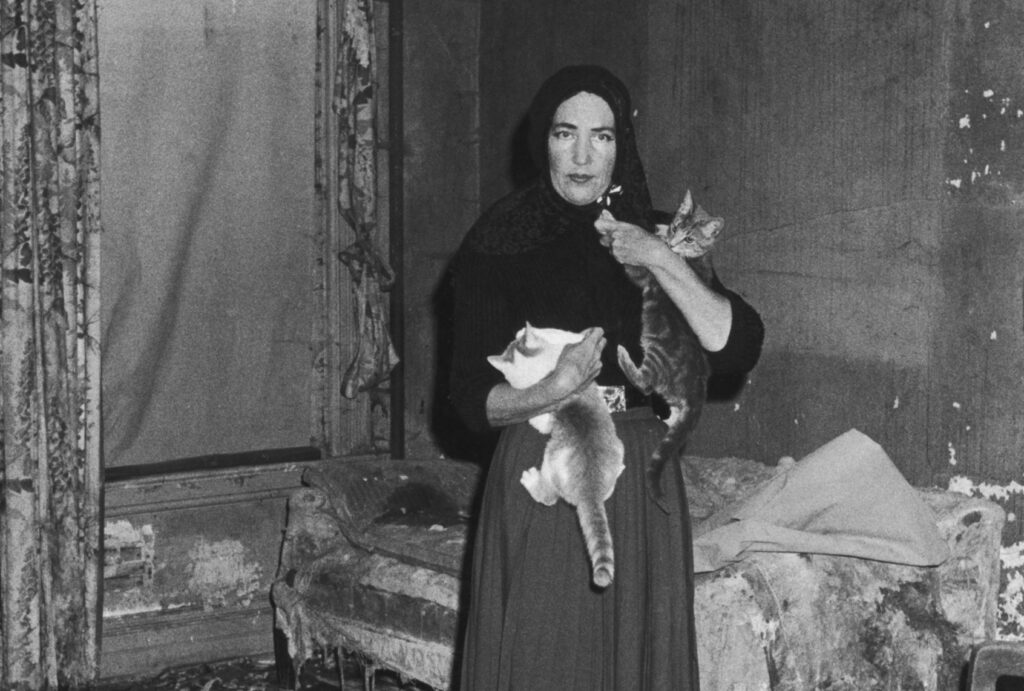
Little Edie’s Style: The Iconic Looks of Grey Gardens
1. The Headscarf Turban
Scarves, towels, or sweaters knotted around her head in elaborate configurations, often pinned with brooches. Both practical and theatrical, this became her defining look.
2. The Brooch Pinning
Edie used brooches as structural tools, fastening skirts, scarves, and sweaters into new forms. Ornament became architecture.
3. The Skirt-as-Cape
Skirts reimagined as capes or dresses — radical, inventive, and decades ahead of deconstructed fashion trends.
4. The Swimsuit with Stockings
A one-piece bathing suit paired with tights and a turban: glamorous, eccentric, and defiant of age and convention.
5. Layered Knitwear
Oversized sweaters pinned and wrapped, creating sculptural silhouettes that anticipate avant-garde layering in high fashion.
6. The Ballet Slippers
Her preferred footwear, simple flats worn with tights, evoked both girlishness and bohemian ease.
7. Leopard-Print Accents
Occasional bursts of leopard print added theatrical flair, decades before it became mainstream chic.
8. A Muted Palette
Blues, blacks, and creams formed her dominant palette, mirroring the faded grandeur of Grey Gardens itself.
“This is the best costume for today. You can’t get anything better.”
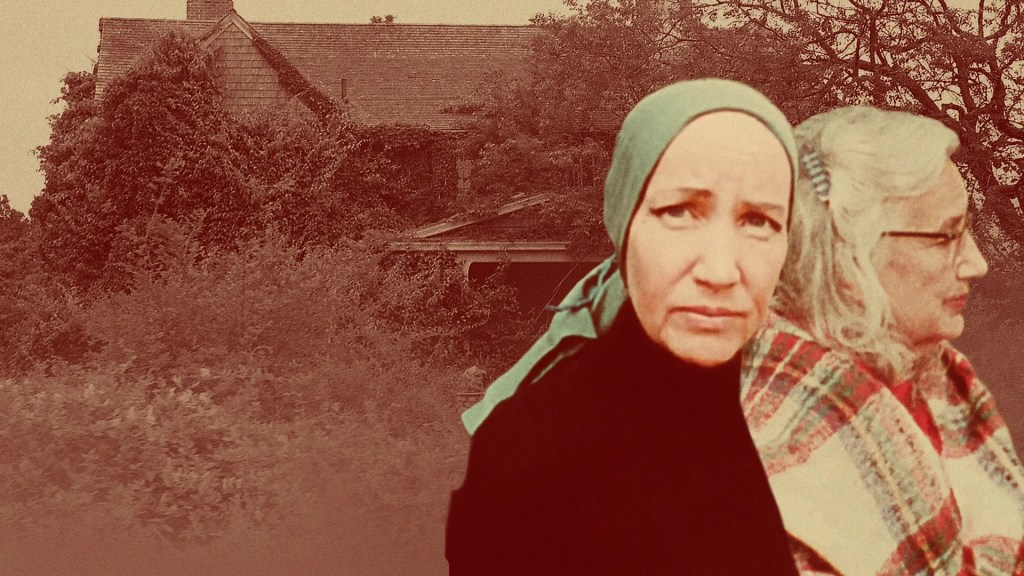
Between Tragedy and Performance
Little Edie has often been interpreted as a figure of decline — trapped by circumstance, dependent on her mother, exiled from the society she once seemed destined to command. Yet there is another reading: she chose to make her life a performance.
Speaking directly to the camera, narrating her own legend with wit and irony, she becomes both subject and author. Her monologues, alternately bitter and comic, have been compared to Tennessee Williams heroines or even Beckett’s characters — women conjuring worlds out of fragments.
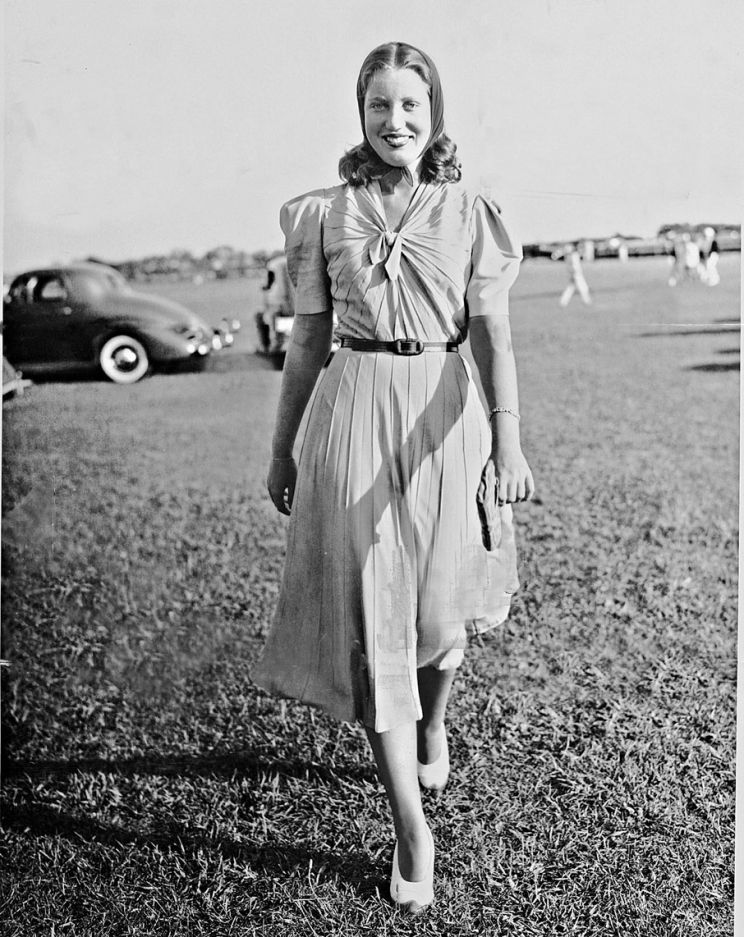
Little Edie’s Enduring Influence
In Fashion
- John Galliano drew from her theatrical layering and turbans.
- Rei Kawakubo (Comme des Garçons) echoed her radical garment improvisations.
- Marc Jacobs referenced her directly in his Fall/Winter 2006 collection.
- Miuccia Prada reflected her in the idea of “ugly chic” and eccentric layering.
In Art & Performance
- Cindy Sherman shares her instinct for costume-as-identity.
- Nan Goldin mirrored her documentary intimacy.
- Performance artists such as Marina Abramović and drag innovators cite her life-as-spectacle ethos.
In Popular Culture
From Broadway’s Grey Gardens: The Musical (2006) to HBO’s Grey Gardens biopic (2009, with Drew Barrymore), Little Edie’s image has been continually reimagined — proof of her cultural magnetism.
“In dealing with me, the relatives didn’t know that they were dealing with a staunch character. And I’ll never yield!”

Timeline: The Life of Little Edie Beale
1917 – Born in New York City.
1935 – Graduates Miss Porter’s School.
1940s – Works as model and aspiring actress in New York.
1950s – Returns to Grey Gardens, never to leave.
1960s – Estate falls into disrepair.
1971 – Jackie Kennedy Onassis and Lee Radziwill fund repairs to prevent eviction.
1975 – Grey Gardens documentary premieres, making Edie a cult figure.
1977 – Big Edie dies; Little Edie left alone.
1978–79 – Performs cabaret in Manhattan.
1980s–90s – Lives quietly in New York, Montreal, then Florida.
2002 – Dies in Bal Harbour, Florida, aged 84.
2006 – Broadway musical Grey Gardens wins three Tony Awards.
2009 – HBO biopic Grey Gardens renews her legend.

Quotes
“They can get you in East Hampton for wearing red shoes on a Thursday.”
“I’m pulverized by this latest thing!”
“No, I didn’t dance with anybody. I’m sort of a lone wolf.”
Legacy
Little Edie Beale is remembered less as a fallen socialite than as a woman who made art from survival. She transformed ruin into theatre, exile into style, and resilience into legend. In the crumbling rooms of Grey Gardens, she fashioned a new kind of stardom: not of wealth or status, but of sheer imagination.
 My World of Interiors