

Everything you need to know about the Florentine Renaissance. We researched it so you don’t have to.
The Rise and Fall of the Medici—and the Long Road to “Rebirth”
The Renaissance was not a single spark but a long turning of Europe’s imagination. It was a shift of confidence and attention: toward antiquity as a model, toward the individual as an agent, toward cities as crucibles where money, images, and ideas collided. Florence became the movement’s emblematic capital—not by destiny, but because it combined mercantile wealth, literary daring, and political ambition in a space compact enough to magnify their effects.
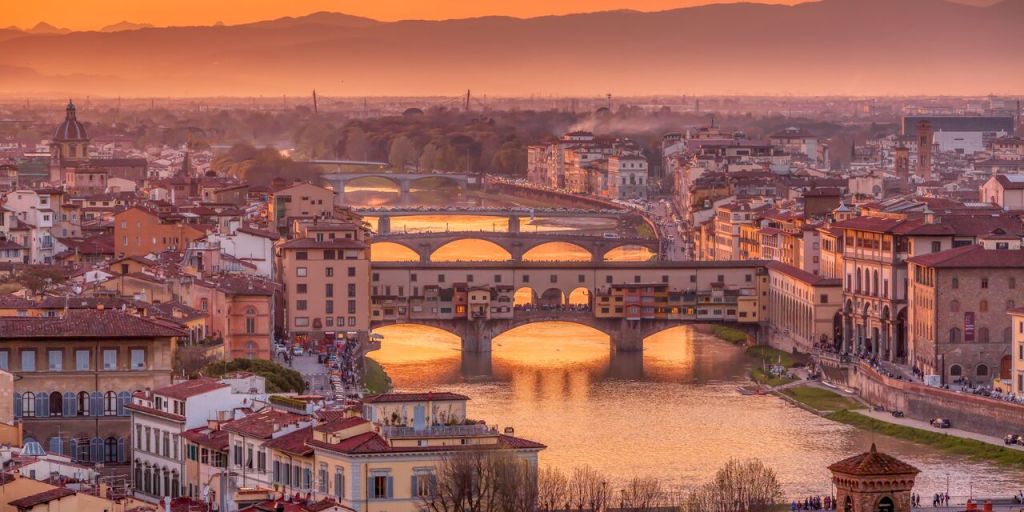
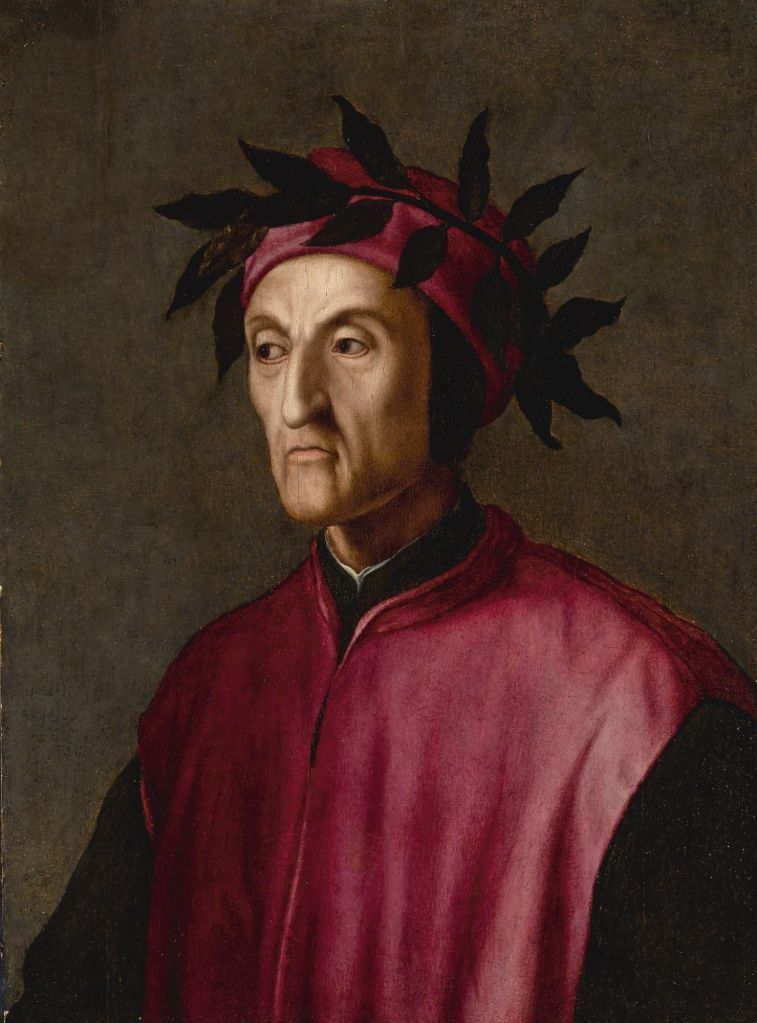
Its roots, however, were older and wider than Tuscany. In Constantinople, scholars preserved the manuscripts of Plato, Plotinus, and Homer, carrying them westward when the city fell to the Ottomans in 1453. In Sicily and Spain, Arabic translations of Aristotle and medical texts were rendered into Latin, alongside algebra, optics, and astronomy from Islamic science. In Florence itself, Dante Alighieri had already revolutionized European letters by writing The Divine Comedy in Tuscan rather than Latin, while Petrarch cultivated a new humanism centered on classical eloquence and the cultivation of the self, and Boccaccio framed worldly wit as literature in the Decameron. By the early 1400s, Florence was already thick with the conditions of a rebirth: money that needed monuments, citizens who sought honor through patronage, and a civic language that had become Europe’s literary standard.
Florence was first and foremost a republic of merchants. The city’s wool and cloth guilds organized civic life; its bankers invented instruments of credit that made money more mobile than armies. With papal finances moving through Florentine ledgers, wealth accumulated in the hands of men who could afford to convert it into prestige. This was the environment that gave rise to the Medici.
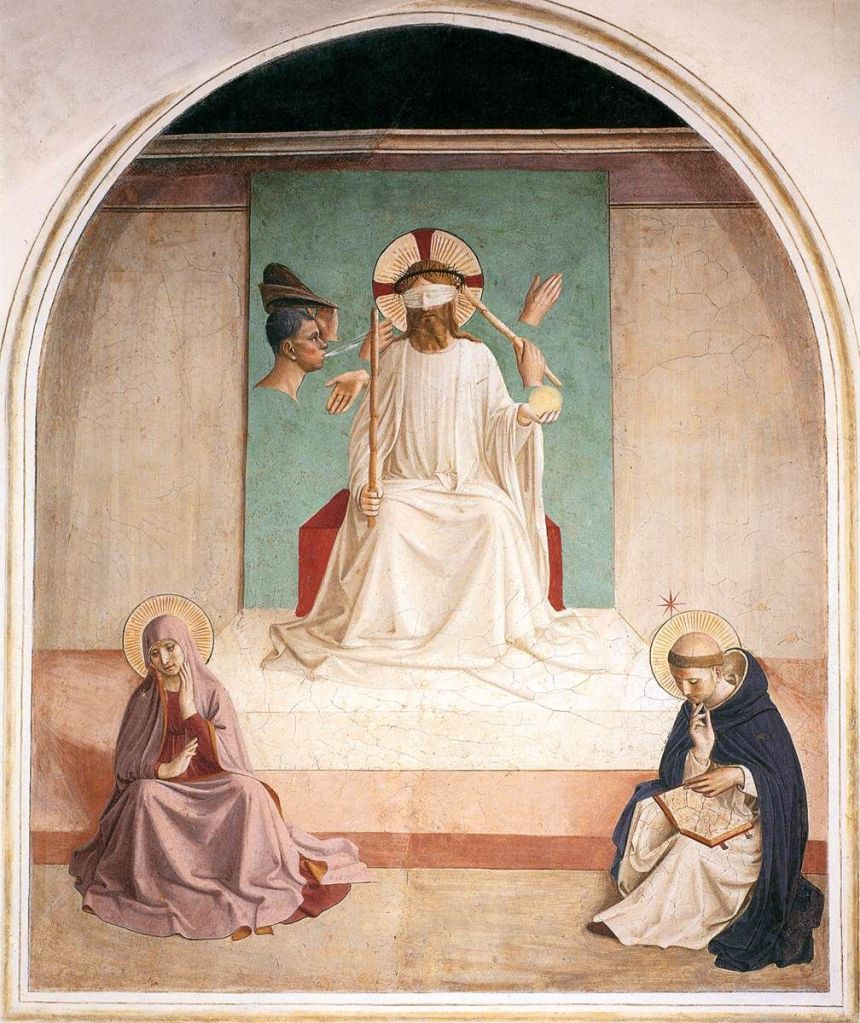
Giovanni di Bicci de’ Medici founded the family’s fortune in the late 14th century, building a bank on prudence and papal accounts. His son, Cosimo de’ Medici, learned that money was most secure when it was made visible in stone and paint. Cosimo governed Florence without titles but through a quiet hegemony: forgiving debts to secure allies, funding convents to win the church’s favor, commissioning architecture to signal stability. He rebuilt San Lorenzo with the architect Michelozzo, endowed San Marco, where Fra Angelico painted luminous frescoes, and founded a public library—a radical act in an age when manuscripts were scarce.

Cosimo also sponsored Marsilio Ficino, who translated Plato and Plotinus into Latin and convened the circle later known as the Platonic Academy. Humanism in Florence was not abstract scholarship; it was a civic project, one woven into the city’s very walls. At the same time, a goldsmith turned architect, Filippo Brunelleschi, solved the riddle of Florence’s unfinished cathedral by designing a double-shell dome whose engineering seemed miraculous. Donatello and Ghiberti redefined sculpture, while Masaccio pioneered the use of linear perspective and natural light in painting. What united these achievements was not simply brilliance, but the Medici talent for turning patronage into politics.
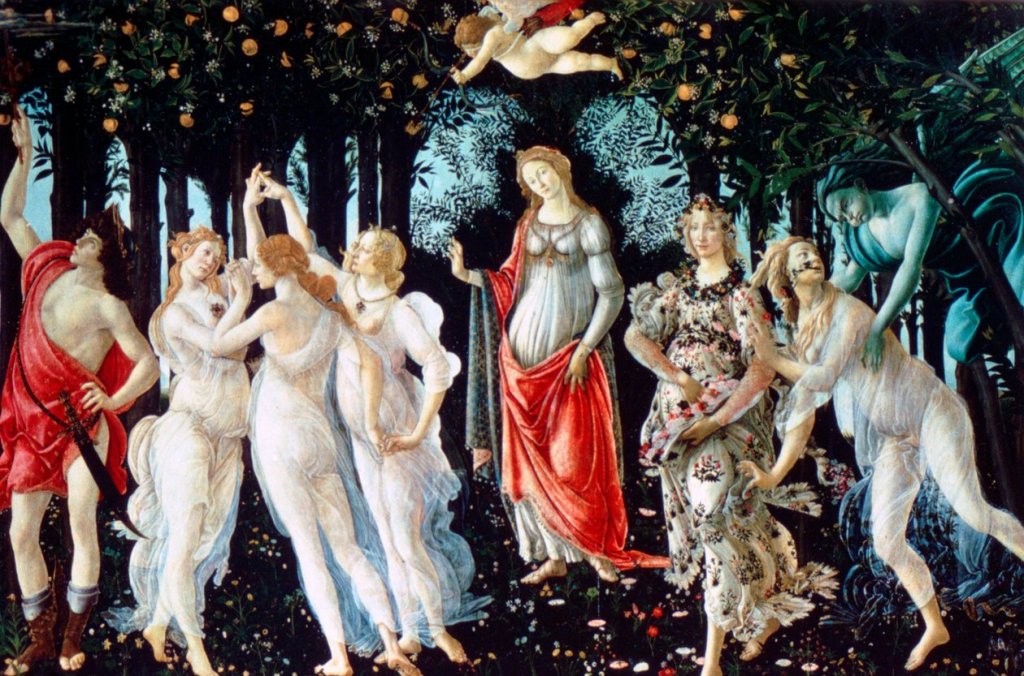
If Cosimo established the pattern, his grandson Lorenzo de’ Medici—Lorenzo il Magnifico— turned it into splendor. Ruling from 1469 to 1492, Lorenzo cultivated a court without a throne. He surrounded himself with poets, philosophers, and artists: Poliziano, Pico della Mirandola, Botticelli, Verrocchio, and the teenage Michelangelo. Under his watch, Florence became as much allegory as city. Festivals, pageants, and masques presented Medici rule as myth; Botticelli’s Primavera and Birth of Venus offered pagan allegories that felt like civic parables.
The fragility beneath the glamour showed itself in 1478, when rival bankers, the Pazzi, conspired to assassinate Lorenzo during High Mass. His brother Giuliano was killed, but Lorenzo survived, turning Florence’s rage against the conspirators, who were hanged from the Palazzo Vecchio. The Medici emerged stronger, their myth burnished by blood. Yet the Medici bank, mismanaged abroad, was already declining. Splendor and pageantry hid financial fragility.
When Lorenzo died in 1492, the fragile balance collapsed. His son Piero the Unfortunate bungled diplomacy with invading French forces and was expelled. Into the void stepped Girolamo Savonarola, a Dominican friar who thundered against the city’s sins. For a brief time Florence became a theocratic republic, staging the infamous Bonfire of the Vanities in 1497, where books, paintings, and ornaments were burned in Piazza della Signoria. Florence, which had made itself immortal through beauty, seemed bent on purging its own soul. A year later, Savonarola was executed in the same square, a reminder that moral purism is as unstable as luxury.
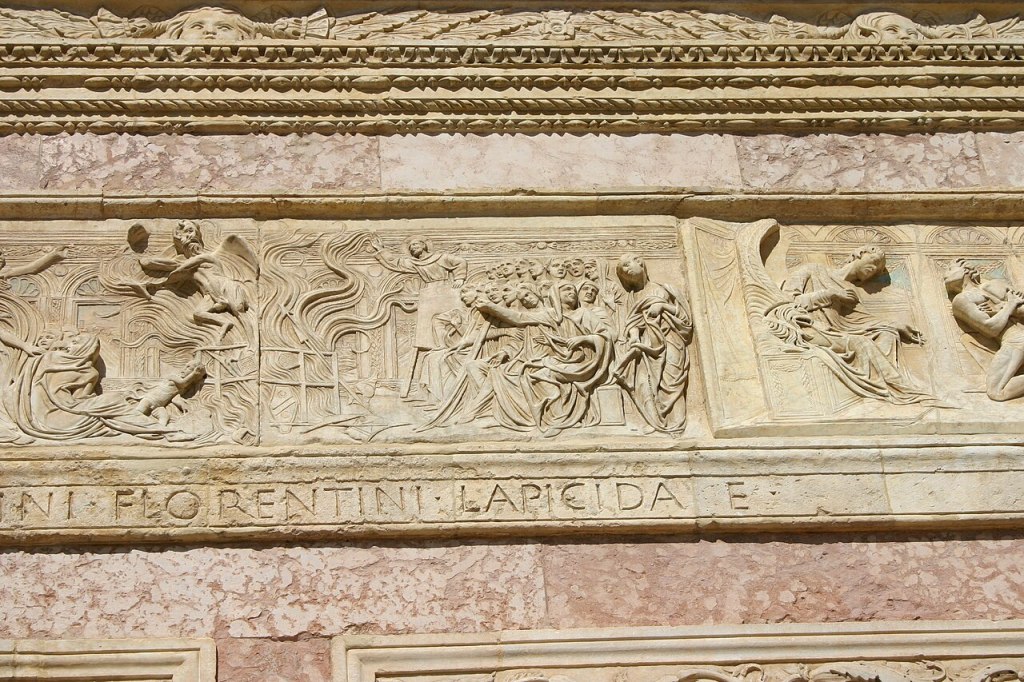
A republican government followed, during which a young civil servant, Niccolò Machiavelli, tried to stabilize the city with a citizen militia. When the Medici returned to power in 1512, Machiavelli was exiled, writing The Prince in retirement. Its lessons—that rulers govern not by ideals but by force, fraud, and prudence—were drawn directly from the turbulence of Florence. If Botticelli and Michelangelo embodied the dream of human potential, Machiavelli revealed the duplicity beneath it.
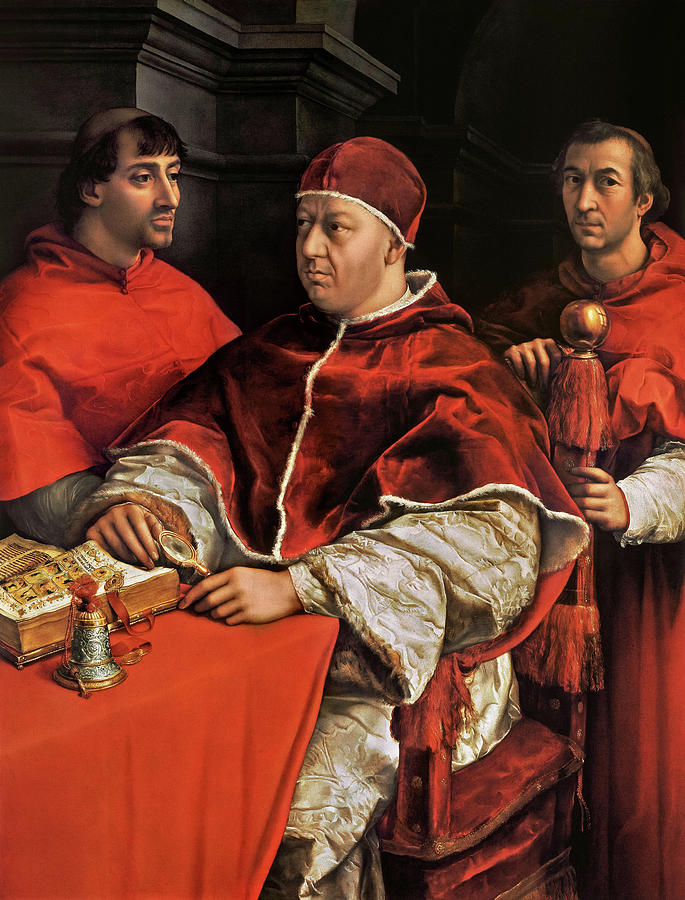
The restored Medici entered a new phase. Giovanni de’ Medici became Pope Leo X in 1513, his cousin Giulio became Pope Clement VII in 1523, and Florence was drawn into the politics of Rome. This union of banking dynasty and papal throne reached its zenith in splendor and collapsed in catastrophe. In 1527, imperial troops sacked Rome, shattering the papal court that had patronized Raphael and Michelangelo. Florence seized the moment to re-establish its republic, but Charles V would not allow defiance. A brutal siege in 1529–30 starved and bombarded the city into submission. Florence’s days as a republic were over.
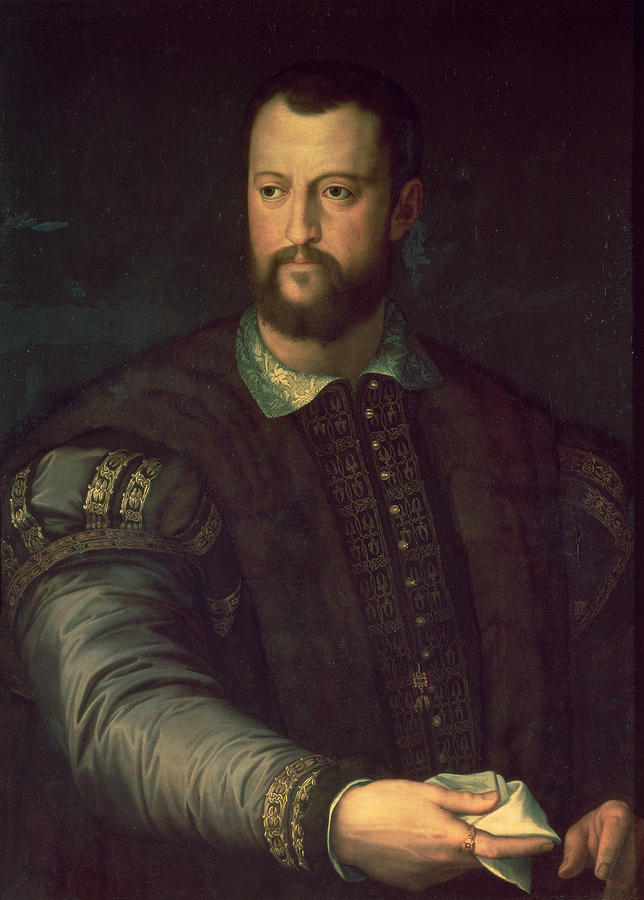
From 1531 the Medici ruled as dukes, their authority sanctioned by the emperor. Alessandro de’ Medici, the first duke, was assassinated in 1537, but power passed to a distant cousin, Cosimo I, who proved formidable. He crushed opposition, conquered Siena, received the title Grand Duke of Tuscany in 1569, and commissioned Giorgio Vasari to design the Uffizi. Under Cosimo and his heirs, Florence became a princely court rather than a restless republic.
Later Medici cultivated science as well as art. Galileo, patronized by Cosimo II, dedicated his discovery of Jupiter’s moons to the family as the Medicean Stars. The Accademia del Cimento, founded in 1657, conducted experiments in physics and optics. But by the seventeenth century, Florence’s dynamism had faded. Trade shifted to the Atlantic world, Tuscany grew stagnant, and the dynasty declined into ceremonial piety. The last Medici grand duke, Gian Gastone, died in 1737 without heirs. His sister, Anna Maria Luisa, signed the Family Pact that left the Medici collections—paintings, palaces, and libraries—to the city of Florence, ensuring that what had once been instruments of dynastic propaganda would become the shared heritage of all.
Timeline: Key Moments in Florence’s Renaissance
1296 – Cathedral begun.
1348 – Black Death devastates Florence.
1389–1464 – Cosimo de’ Medici dominates.
1436 – Brunelleschi completes the dome.
1469–1492 – Lorenzo il Magnifico.
1478 – Pazzi Conspiracy.
1494 – Medici expelled; Savonarola rises.
1497 – Bonfire of the Vanities.
1498 – Savonarola executed.
1512 – Medici restored.
1513 – Giovanni becomes Pope Leo X.
1527 – Sack of Rome; Florence briefly a republic.
1529–30 – Siege of Florence.
1537–74 – Cosimo I consolidates rule, becomes Grand Duke.
1610 – Galileo dedicates the Medicean Stars.
1737 – Medici line ends; Family Pact secures collections.
The Renaissance in Florence was never free of shadows. The Albizzi exiled Cosimo; the Pazzi conspired against Lorenzo; Savonarola preached fire; Machiavelli wrote of fraud. Its brilliance was inseparable from intrigue and violence. But Florence’s genius lay in converting conflict into creativity, in turning the raw materials of banking, faction, and prophecy into works of art and thought that still define the horizon of human ambition.
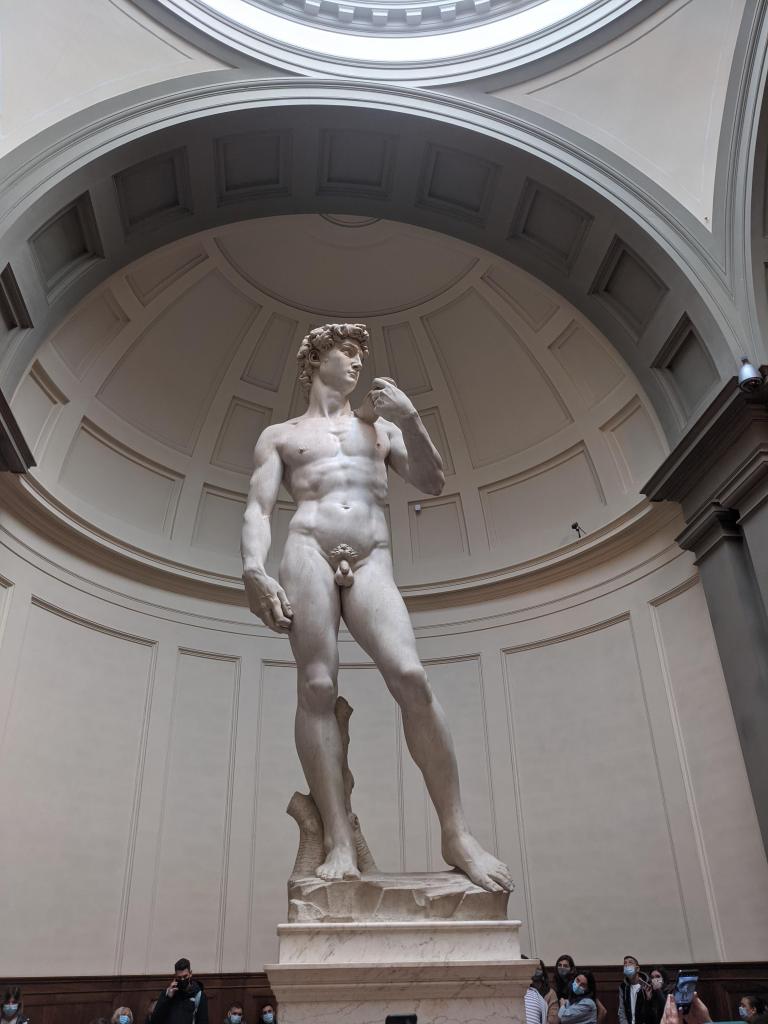
From Dante’s Tuscan to Brunelleschi’s dome, from Botticelli’s Venus to Michelangelo’s David, from Machiavelli’s cold realism to Galileo’s telescope, Florence gave form to the idea that individuals could bend history through imagination and will. The Medici did not invent genius. They financed the conditions in which genius could dazzle. Their dynasty ended, but the city they built remains a theater of memory. Walk its piazzas today and the dome still rises, the frescoes still glow, the marble still argues. Florence’s Renaissance was not merely a rebirth of antiquity. It was the invention of the future.
Medici Line in Brief
Giovanni di Bicci (c.1360–1429) founded the bank.
Cosimo “the Elder” (1389–1464) ruled by patronage.
Lorenzo “il Magnifico” (1449–1492) presided over Florence’s golden age.
Piero “the Unfortunate” (1472–1503) lost the city to the French.
Giovanni became Pope Leo X (1513–21); Giulio became Pope Clement VII (1523–34).
Alessandro (1531–37) was the first duke, assassinated.
Cosimo I (1519–74) became Grand Duke of Tuscany.
The line ended in 1737 with Gian Gastone; Anna Maria Luisa preserved the collections for Florence.
Florence’s lesson is that beauty is not a luxury but a public good, and culture a form of power that outlives families, fortunes, and faiths. To walk the city is to see not only the past reborn but the modern future imagined, brick by brick, word by word, note by note.

 My World of Interiors