
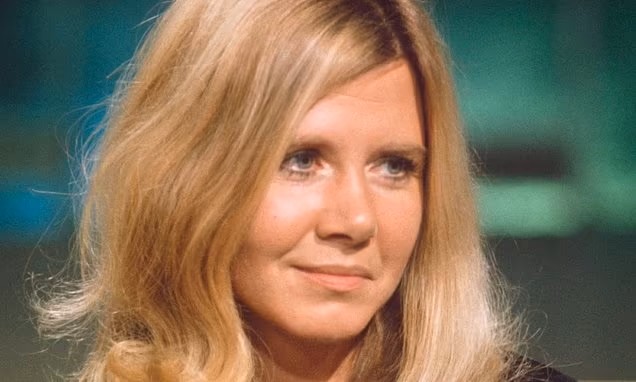
It is with deep sadness that we mark the passing of Dame Jilly Cooper, who died on 5 October 2025 at the age of 88 after a fall at her home. Her unexpected death has come as a shock to her family, friends, and the countless readers who adored her work.
Born Jill Sallitt on 21 February 1937 in Hornchurch, Essex, Jilly Cooper began her career as a journalist and columnist, known for her candid, witty observations on domestic life and marriage. She later moved into fiction, where she became one of Britain’s best-loved novelists. Her literary universe of Rutshire—a fictional Cotswolds county—introduced unforgettable characters, most famously the charismatic and scandal-prone showjumper Rupert Campbell-Black.
Cooper became synonymous with the so-called “bonkbuster” genre, novels brimming with glamour, rivalry, sex, class tensions, and emotional ambition. Her books sold millions of copies and influenced generations of readers. In 2024, her classic novel Rivals found a new audience with a Disney+ adaptation, proving the enduring power of her stories. Her final novel, Tackle!, was published in 2023.
Five Memorable Works
While Jilly Cooper published widely in both fiction and non-fiction, these five novels are especially remembered as cornerstones of her career:
- Riders (1985)
The breakout bestseller that introduced Rupert Campbell-Black and set the tone for her epic Rutshire Chronicles. - Rivals (1988)
A sweeping drama of ambition, class, and desire—later adapted into a Disney+ series. - Polo (1991)
A much-praised novel that mixed sport, romance, and tragedy in quintessential Cooper style. - The Man Who Made Husbands Jealous (1993)
Introducing Lysander Hawkley, this novel brought irresistible mischief and heart to her Rutshire world. - Score! (1999)
A bold blend of high society intrigue and crime, set during the production of a Verdi opera.
A Lasting Legacy
Jilly Cooper’s fiction was witty, exuberant, and unashamedly ambitious. She offered readers escapism laced with sharp social observation, creating a world where passion and rivalry unfolded against the backdrop of the English countryside.
She once said that she wrote “to add to the sum of human happiness.” Judging by the millions of readers who turned to her novels for joy, laughter, and drama, she achieved just that.
Dame Jilly Cooper leaves behind an extraordinary legacy—her books, her characters, and her enduring place in British cultural life.
 My World of Interiors