
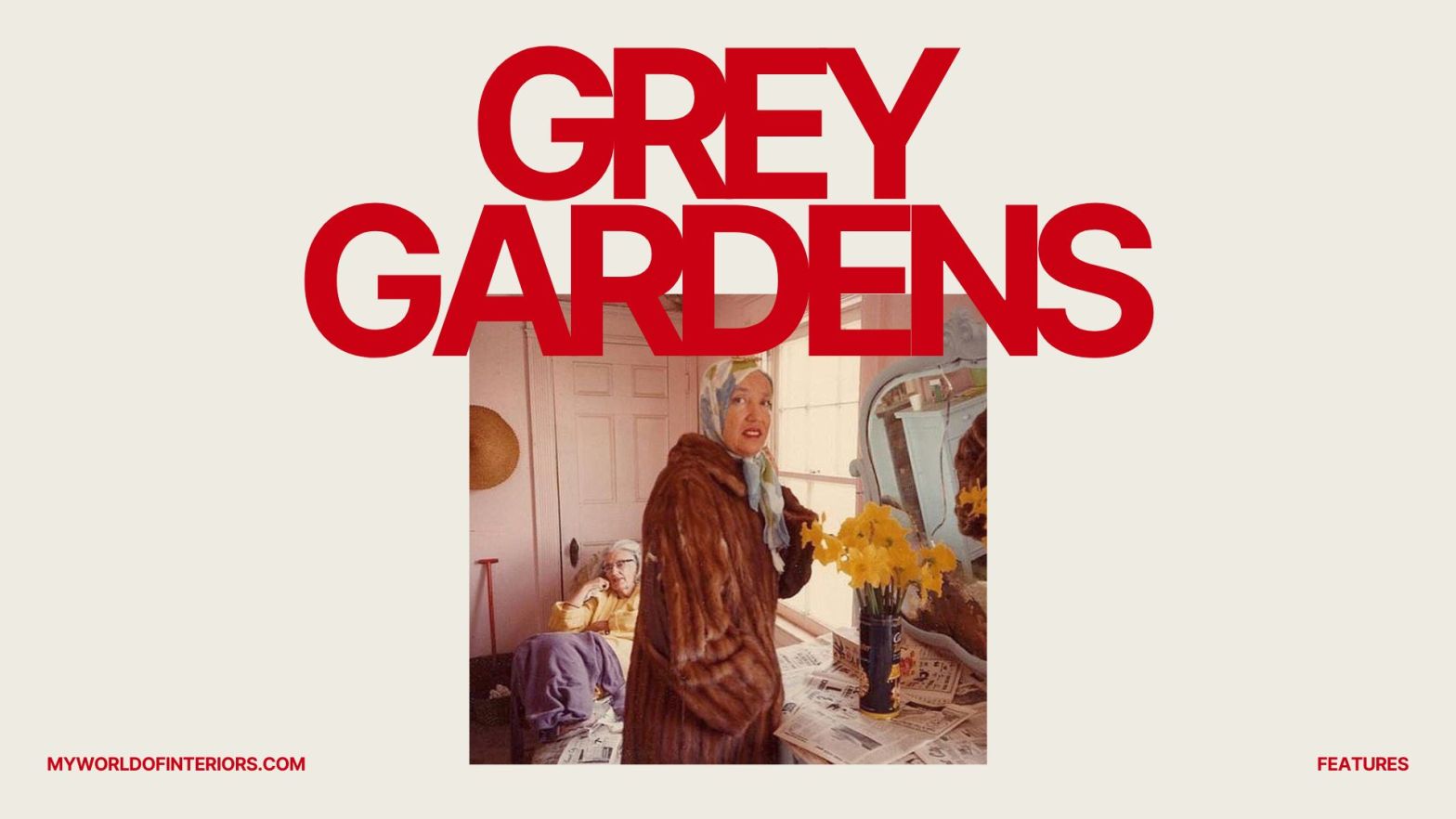
Today marks fifty years since the premiere of Grey Gardens on September 27, 1975 — the Maysles brothers’ documentary that unveiled the eccentric, crumbling world of Edith Bouvier Beale and her daughter “Little Edie.” Half a century later, the film remains as haunting and magnetic as ever: a portrait of decline and resilience that has grown into one of the most enduring cult works of American cinema.
A Family Affair
The Beales were not simply anyone. They were the aunt and cousin of Jacqueline Kennedy Onassis, figures once at the height of East Coast society. By the 1970s, however, the two women lived in isolation and squalor, their once-grand estate overtaken by cats, raccoons, and crumbling walls.
What Albert and David Maysles captured was less an exposé than a relationship: mother and daughter, bound by dependence and resentment, creating a theater of memory within their ruin. Little Edie, with her improvised costumes — headscarves, brooches, sweaters knotted into skirts — became a style icon by accident, her monologues equal parts confession and performance art.
An American Myth
On its release, Grey Gardens shocked and fascinated. Was it cruel to show two women in such decline, or compassionate to grant them visibility? The film blurred boundaries between documentary and voyeurism, between tragedy and camp. It quickly became a cult object, embraced by filmmakers, fashion designers, drag performers, and anyone drawn to its singular mix of pathos and glamour.
Over time, the Beales’ story was retold: in a Broadway musical (2006), an HBO biopic starring Jessica Lange and Drew Barrymore (2009), and countless fashion editorials echoing Little Edie’s ingenuity. The mansion itself, once nearly condemned, has been restored. Yet the film remains the definitive portrait — part elegy, part satire, part mirror.
Fifty Years On
Half a century later, Grey Gardens is less a curiosity than a parable. It is about class and decline, about women pushed to the margins, about the thin line between freedom and confinement. It speaks to American nostalgia for lost aristocracy, while also dismantling it in real time.
The film’s endurance lies in its contradictions. It is both comedy and tragedy, documentary and performance, horror and love story. It unsettles precisely because it refuses to resolve, offering instead the haunting image of two women singing together in their ruined ballroom, the past glittering faintly through the cracks.
The Legacy of the Beales
The Beales are now immortal, not just in cinema but in the cultural imagination. They remind us that style can emerge from decay, that intimacy can be suffocating, and that the line between art and life can collapse entirely.
As Grey Gardens turns fifty, it is clear that its greatest revelation was not about mother and daughter, nor about the Kennedys, nor even about America. It was about us — about what we see, what we project, and what we fear when we peer too long into the faded grandeur of another life.
Books:
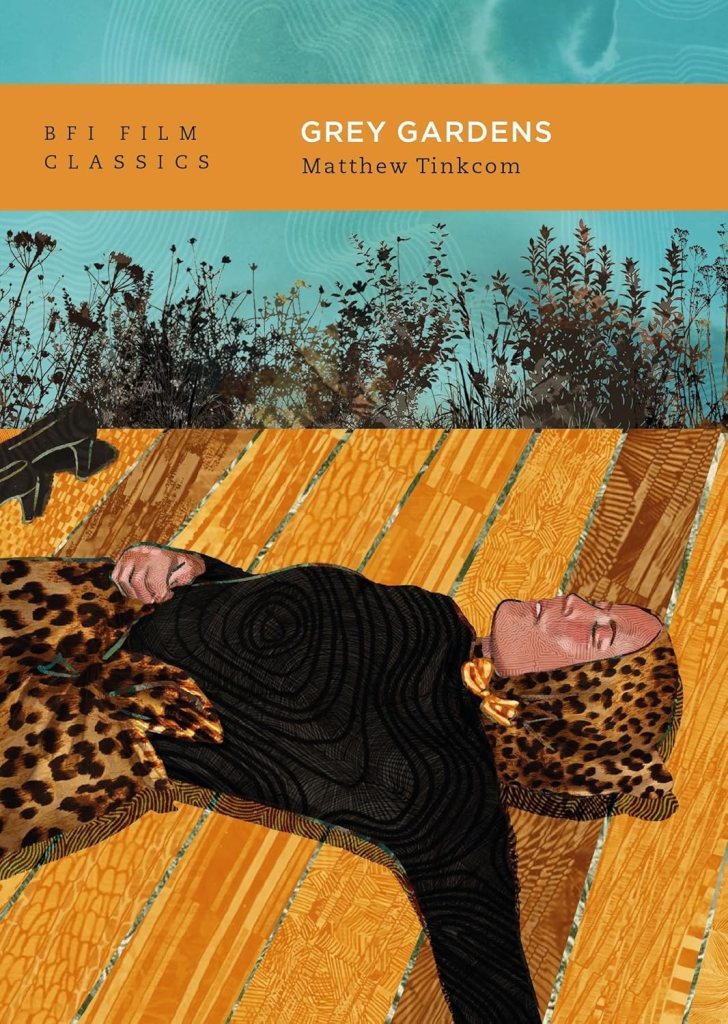
Grey Gardens (BFI Film Classics) Paperback – 4 Sept. 2025
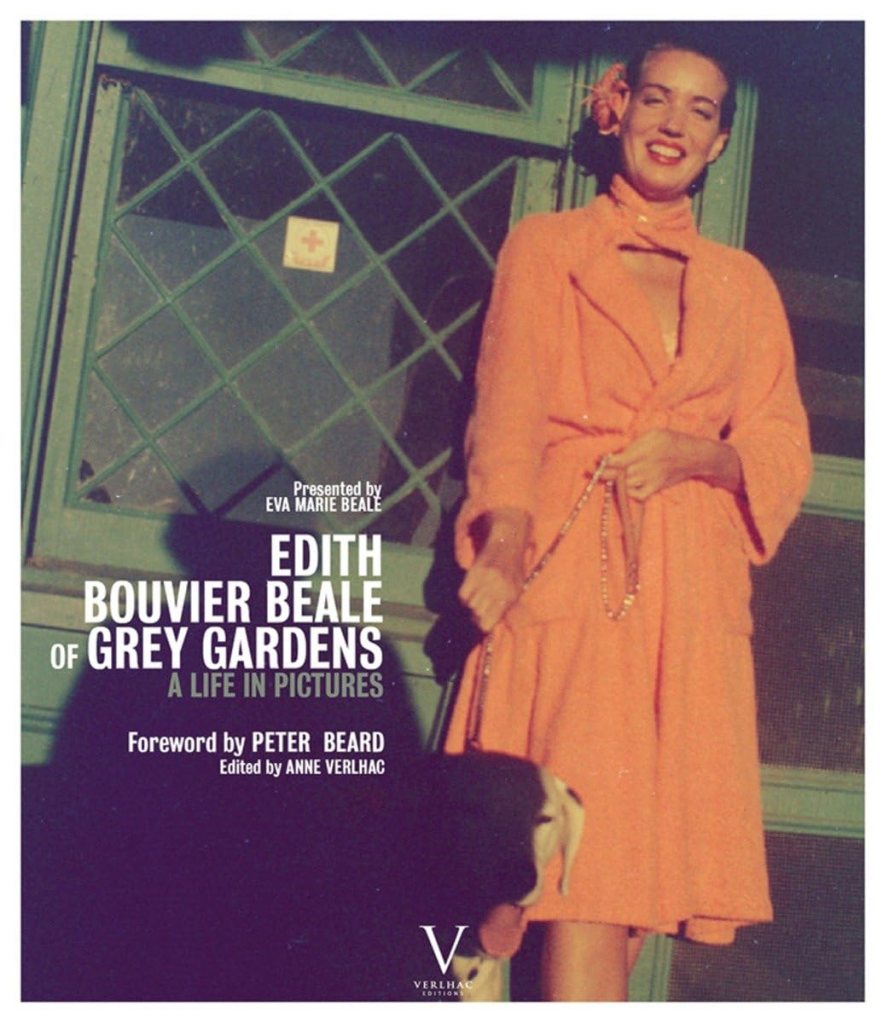
Edith Bouvier Beale of Grey Gardens: A Life in Pictures Hardcover – Illustrated, 15 Oct. 2008
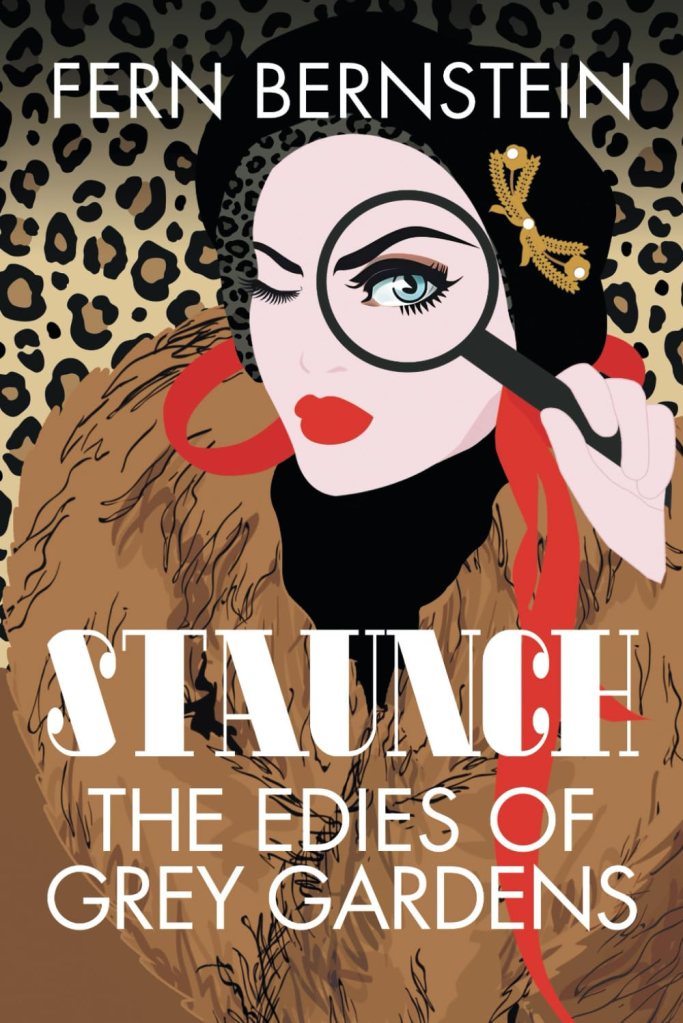
Staunch: The Edies of Grey Gardens Paperback – 5 Oct. 2023
 My World of Interiors