
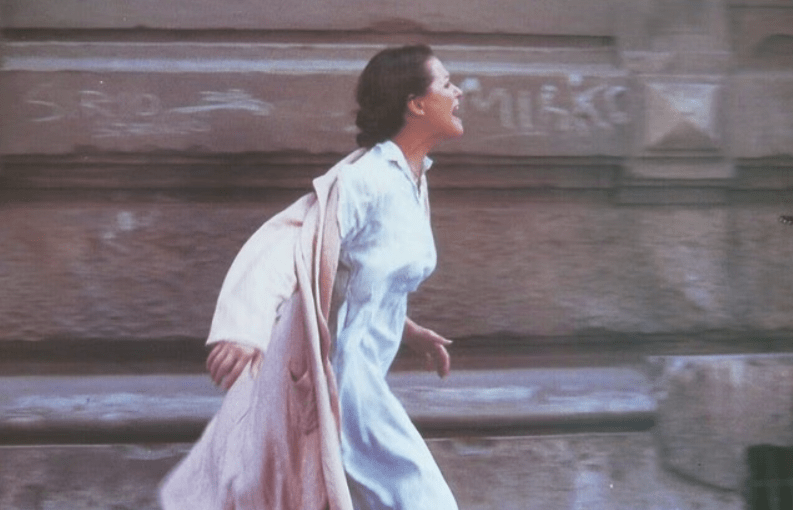
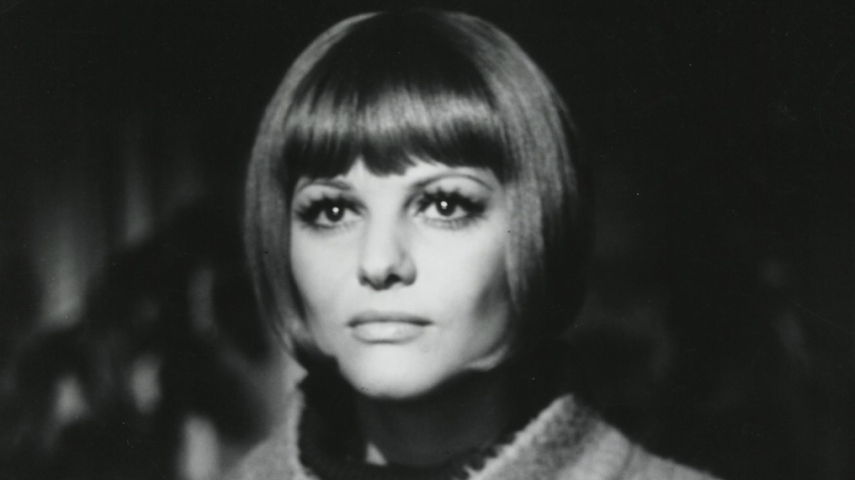
Claudia Cardinale, indomitable star of Italian and European cinema, has died at the age of 87. Born Claude Joséphine Rose Cardinale in 1938 in La Goulette, Tunisia, to Sicilian immigrants, she rose from modest beginnings to become one of the defining faces of post-war film, grace and grit entwined. Her death marks the closing of a chapter in cinema’s golden age, but her spirit, daring, and screen presence endure.
Early Life and Breakthrough
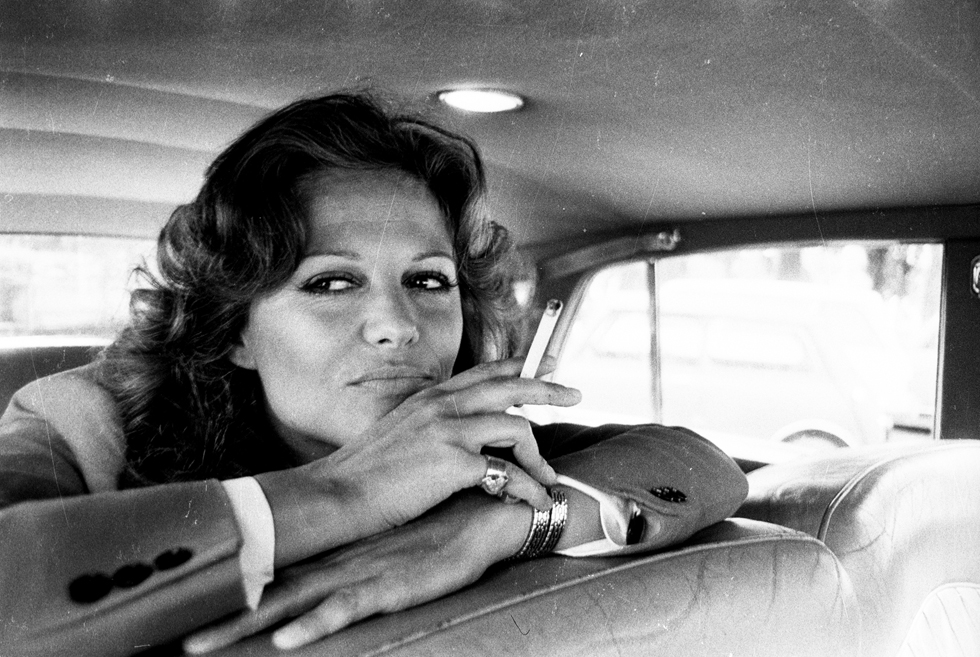
Growing up in a French-speaking school in Tunis, Cardinale spoke little Italian. In 1957, at age 19, she won a beauty contest—“Most Beautiful Italian Girl in Tunisia”—a prize that took her to the Venice Film Festival and opened the door to film contracts. Despite early roles being dubbed because of her accent and husky voice, she persisted.
Her first major international exposure came with Goha (1958), opposite Omar Sharif, but the true turning point arrived between 1960 and 1963 with Rocco and His Brothers, Girl with a Suitcase, The Leopard, and 8½. Within a few years she was working not just in Italy, but across Europe and Hollywood.
Her Persona: Strength, Sensuality, Independence
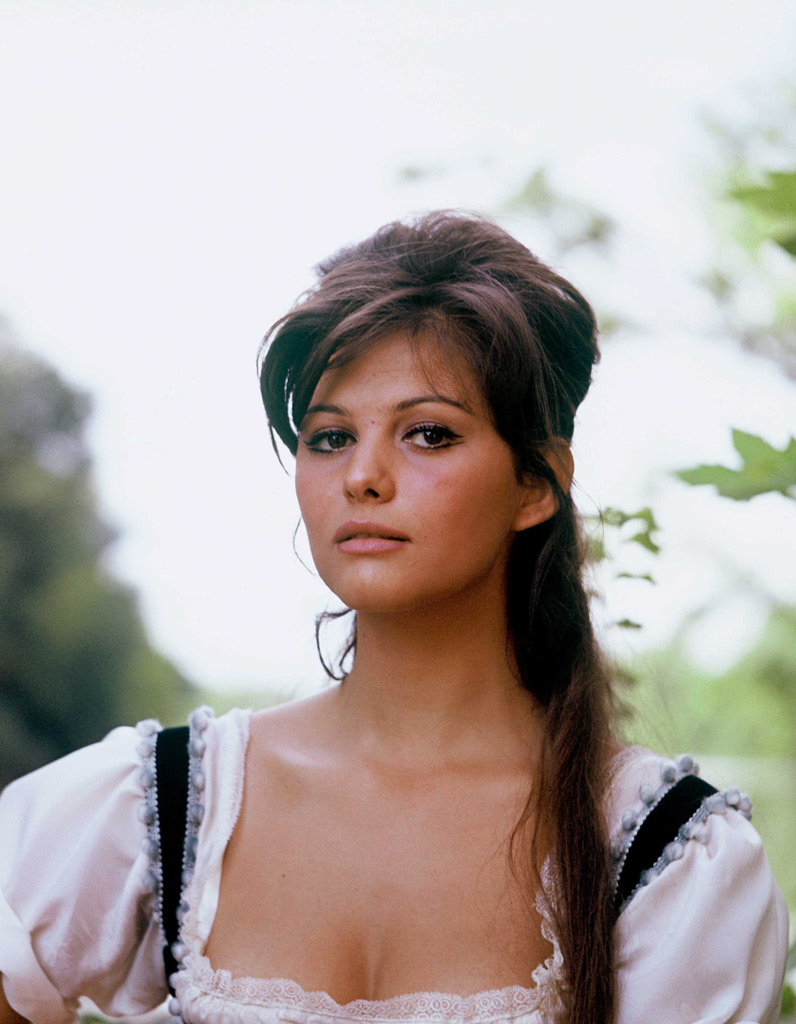
Cardinale was never content to be merely a decorative presence. Her roles often combined strength with vulnerability, sensuality with moral complexity. She embodied a freedom—sometimes scandalous in the conservative contexts of mid-20th-century Italy and France—that challenged norms of femininity, motherhood, and sexuality.
Her personal life also reflected that independence. She had her first child, Patrick, at a young age under difficult circumstances, and later built a long partnership with film director Pasquale Squitieri, with whom she worked from 1975 until his death in 2017.
Challenges and Resilience
The 1970s marked both creative high points and personal challenges. After her split with producer Franco Cristaldi, Cardinale faced professional obstacles, but she remained resilient, working across Europe in both film and theatre. Over time, her reputation as one of the great actresses of her generation was solidified, recognised with lifetime achievement awards including Berlin’s Golden Bear.
Five Most Memorable Performances
The Leopard (1963, Dir. Luchino Visconti)
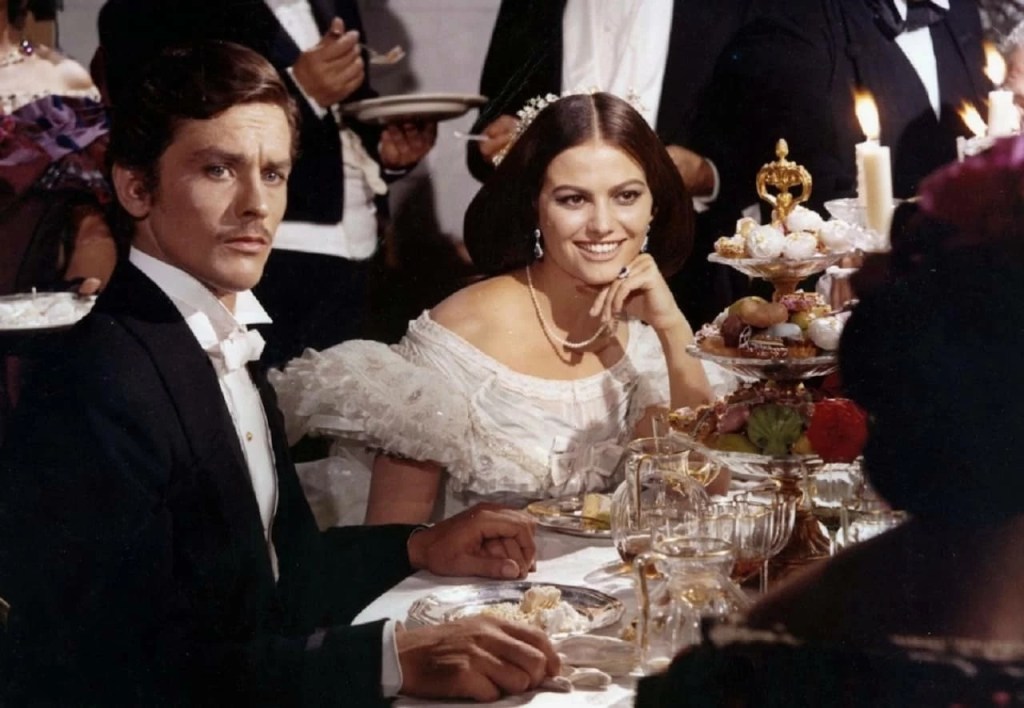
As Angelica, she embodied vitality and ambition, a symbol of modernity breaking into the decaying Sicilian aristocracy. Her presence at the famous ballroom scene remains one of cinema’s most iconic moments.
To get the DVD CLICK HERE
8½ (1963, Dir. Federico Fellini)
In Fellini’s dreamlike masterpiece, Cardinale plays herself—or rather a vision of herself—representing idealised femininity and freedom. For Cardinale, it was also one of the first times she was allowed to use her own voice on screen.
To get the DVD / BLU-RAY CLICK HERE
Once Upon a Time in the West (1968, Dir. Sergio Leone)
Her role as Jill McBain, a widow determined to survive and rebuild, gave her one of the richest female characters in the Western genre. She carried Leone’s epic with depth and resilience.
To buy the DVD CLICK HERE
Girl with a Suitcase (1961, Dir. Valerio Zurlini)
As Mara, a struggling young woman navigating love and survival, Cardinale displayed raw vulnerability and emotional truth, elevating the film into a classic of Italian neorealist drama.
To buy the film CLICK HERE
Fitzcarraldo (1982, Dir. Werner Herzog)
Decades into her career, Cardinale brought warmth and moral gravity to Herzog’s fevered epic, grounding the film’s madness with her steady presence.
To buy the film CLICK HERE
Legacy
Claudia Cardinale’s legacy is one of cinematic beauty and fierce humanity. She belonged to an era of Italian cinema when elegance, politics, and personal presence combined in film with a rare urgency. She was a bridge between worlds: colonial and postcolonial, French and Italian, classical and modern; between myth and lived experience.
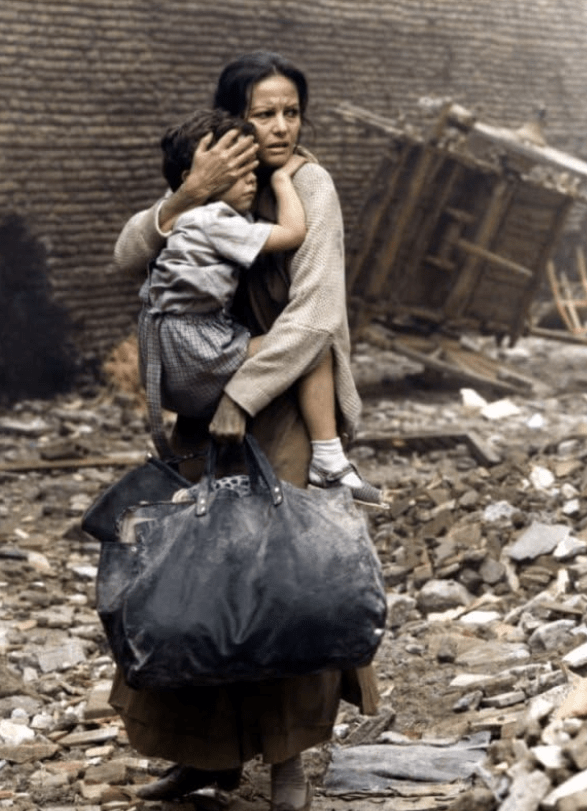
She once said she had “lived more than one hundred fifty lives… prostitute, saint, romantic, every kind of woman.” Those lives—on screen and off—will outlive her: in cinema, in memory, in every frame where light lingers over her face. Personally, I will remember her most fondly from the deeply affecting La Storia (1986), which saw her as a struggling mother during and immediately after the Second World War with her son, little Useppe in tow.
She was always remarkable and always burned through the screen.
Che il tuo viaggio verso casa sia lieve, Claudia.
For a gorgeous coffee table book about Claudia Cardinale CLICK HERE
 My World of Interiors
One thought on “Claudia Cardinale: A Life in Light and Shadow”