
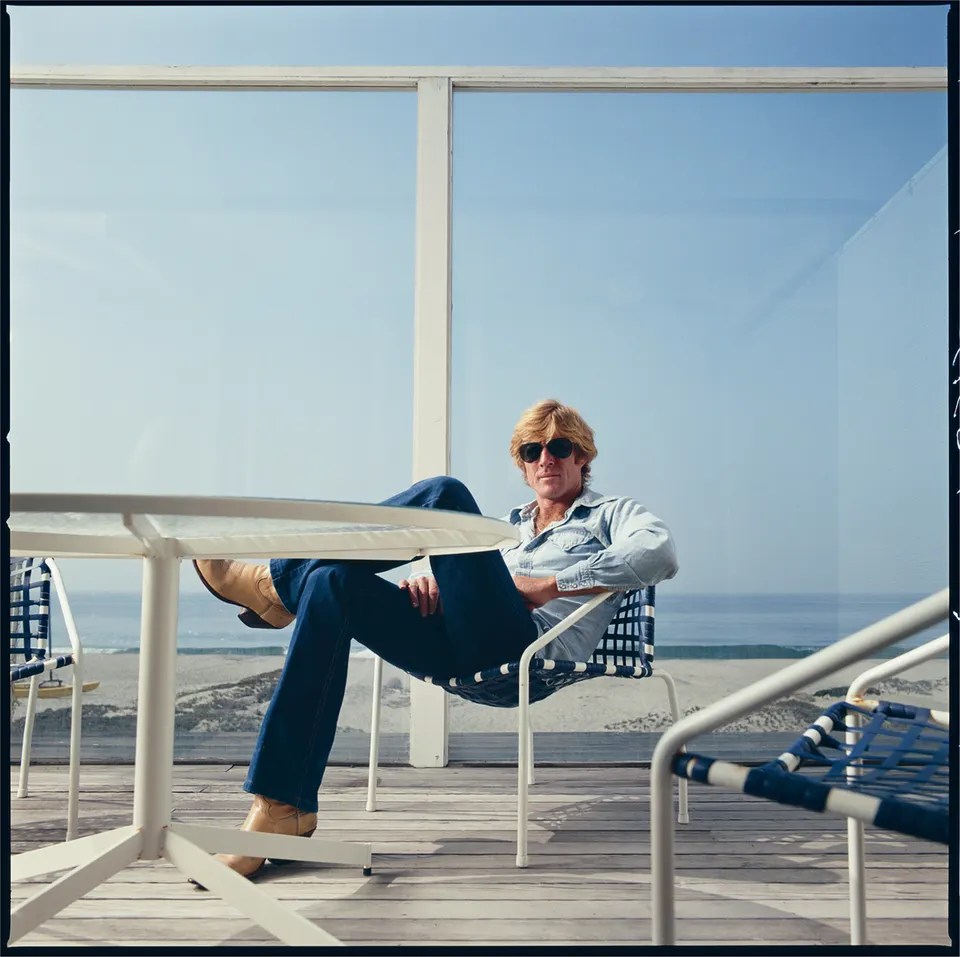
Robert Redford (1936–2025) was more than a movie star. He was an actor, director, producer, and activist who reshaped the cultural imagination of late 20th-century America. With his blond good looks and quiet charisma, he could have remained a conventional leading man, but instead he pursued roles and projects that interrogated politics, myth, nature, love, and the American dream itself. This ranking of his fifteen most meaningful and impactful films traces not only Redford’s career but also the anxieties and aspirations of the eras his films inhabited.
Our Amazon store companion piece
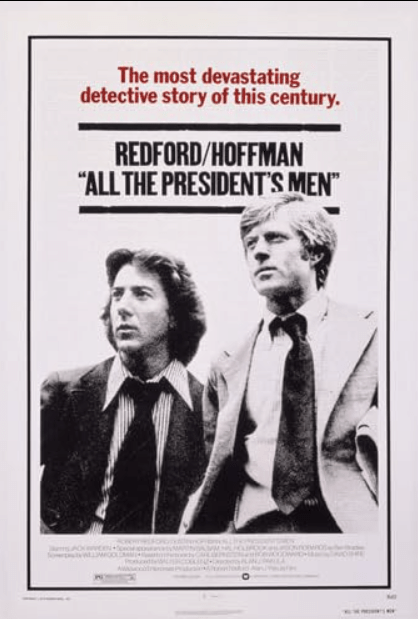
1. All the President’s Men (1976)
Directed by Alan J. Pakula, this taut political thriller dramatizes the journalism that exposed the Watergate scandal. Redford, also serving as producer, plays reporter Bob Woodward opposite Dustin Hoffman’s Carl Bernstein.
Significance: A landmark in political cinema, the film elevates journalism as democracy’s conscience and remains the definitive cinematic portrait of Watergate. Its procedural realism, moral urgency, and lack of sentimentality demonstrate Redford’s commitment to stories that matter.
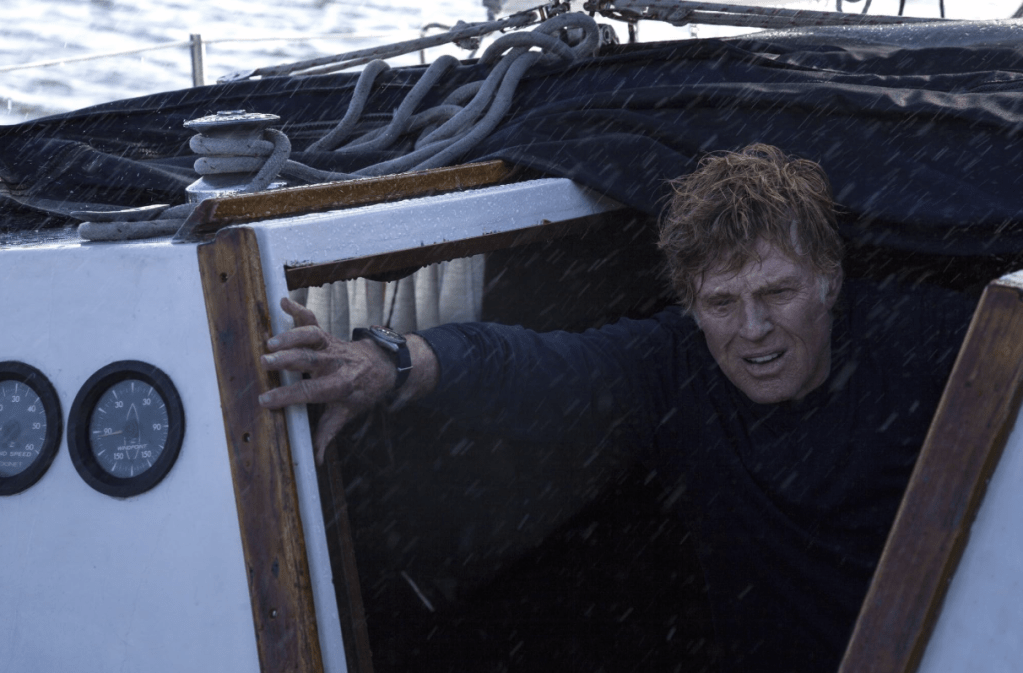
2. All Is Lost (2013)
In J. C. Chandor’s minimalist survival drama, Redford plays an unnamed sailor fighting to survive alone at sea. Nearly devoid of dialogue, the film depends entirely on his physical and emotional presence.
Significance: A late-career triumph, the film becomes an existential parable about human fragility and resilience. It proves Redford’s ability to command the screen with silence and stillness, and it reframes aging not as decline but as a site of profound cinematic power.
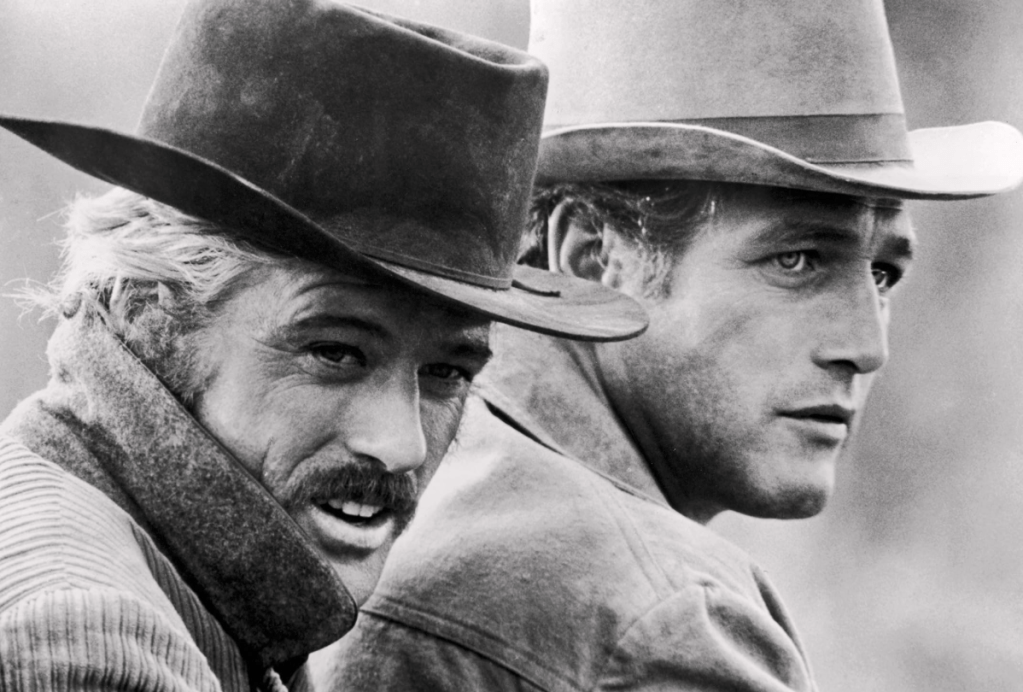
3. Butch Cassidy and the Sundance Kid (1969) – Criterion
As the Sundance Kid, Redford pairs with Paul Newman’s Butch Cassidy in George Roy Hill’s revisionist western.
Significance: A film that redefined the western for the countercultural age, mixing comedy, melancholy, and modern irony. Redford’s Sundance is both mythic outlaw and doomed anti-hero, cementing his place as a Hollywood star and embodying the passing of an old America.
4. The Sting (1973) – Criterion
Reuniting with Paul Newman, Redford plays Johnny Hooker, a con man pulling off an elaborate Depression-era scheme.
Significance: Winner of seven Academy Awards, including Best Picture, the film exemplifies Redford’s lighter side while still interrogating deception, trust, and camaraderie. Its intricate structure and ragtime score revitalized the caper genre, and Redford’s magnetic performance remains definitive.

5. The Candidate (1972) – Criterion
Redford stars as Bill McKay, a principled lawyer reluctantly entering politics, only to be corrupted by its machinery.
Significance: A prescient satire of electoral politics, media image-making, and the erosion of ideals in the pursuit of power. Redford’s restrained performance captures the slow unraveling of integrity, and the film’s haunting final line—“What do we do now?”—continues to resonate.

6. Ordinary People (1980)
Redford’s directorial debut, winner of four Academy Awards including Best Picture, tells the story of a family shattered by loss and silence.
Significance: A watershed moment in Hollywood’s treatment of mental health and emotional repression. Redford’s direction is quiet yet precise, showing his commitment to intimate, morally serious storytelling. It announced him as more than a star: an auteur with vision.
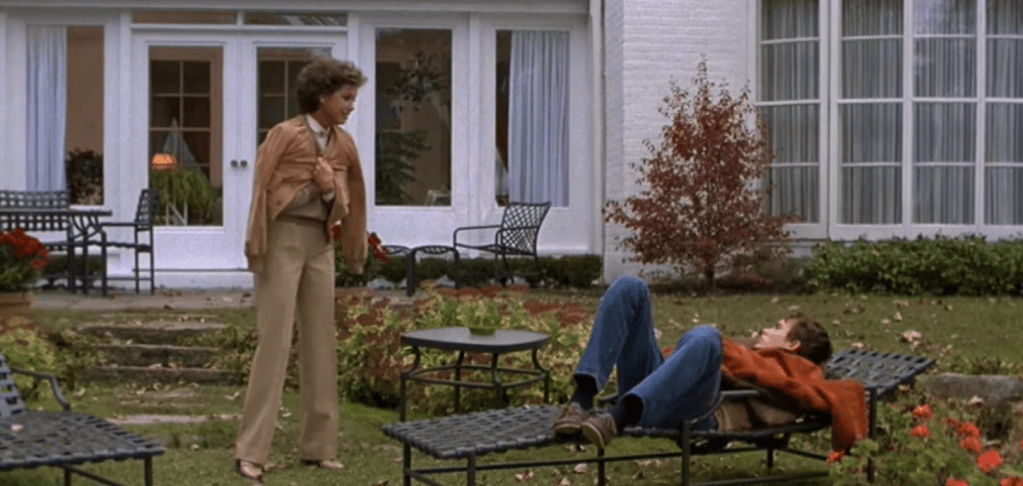
7. The Way We Were (1973)
Alongside Barbra Streisand, Redford plays Hubbell Gardiner, a charming WASP writer whose romance with a politically radical woman falters under ideological strain.
Significance: At once a sweeping love story and a study of social divides. Redford’s Hubbell embodies privilege and detachment, serving as both romantic ideal and symbol of complacency. The film endures as a cultural touchstone, its bittersweet ending and iconic theme song woven into cinema history.
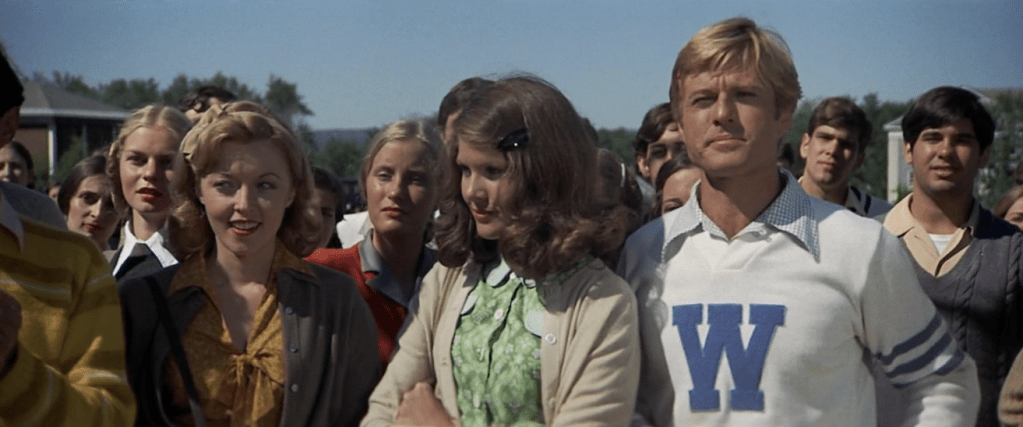
8. Three Days of the Condor (1975) – Criterion
Redford plays a CIA analyst who stumbles upon a conspiracy in Sydney Pollack’s paranoid thriller.
Significance: A quintessential post-Watergate film, capturing Cold War distrust, surveillance anxieties, and systemic corruption. Redford’s intelligent, vulnerable performance grounds the paranoia, making the film both suspenseful and politically acute.
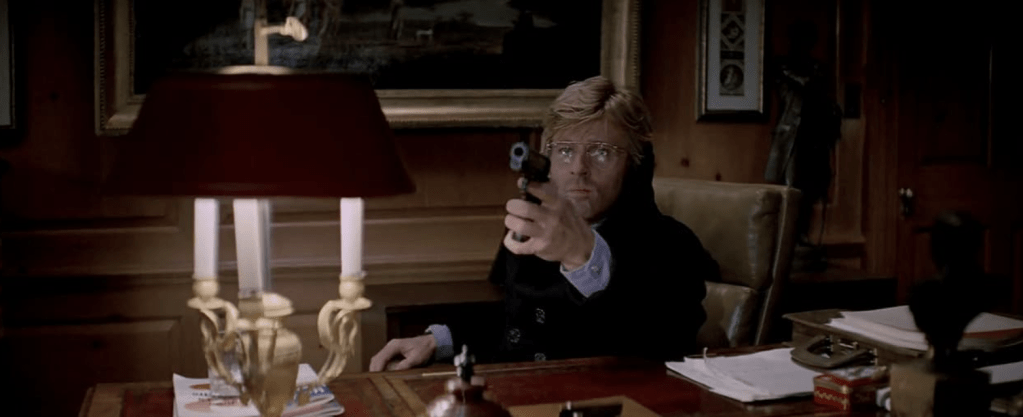
9. The Natural (1984)
Redford stars as Roy Hobbs, a baseball prodigy seeking redemption after his career is derailed.
Significance: More fable than sports film, The Natural situates baseball as America’s Homeric epic. Redford’s portrayal of the fallen hero striving for one last chance invests the myth with poignancy, creating one of the most enduring images of athletic grace on screen.
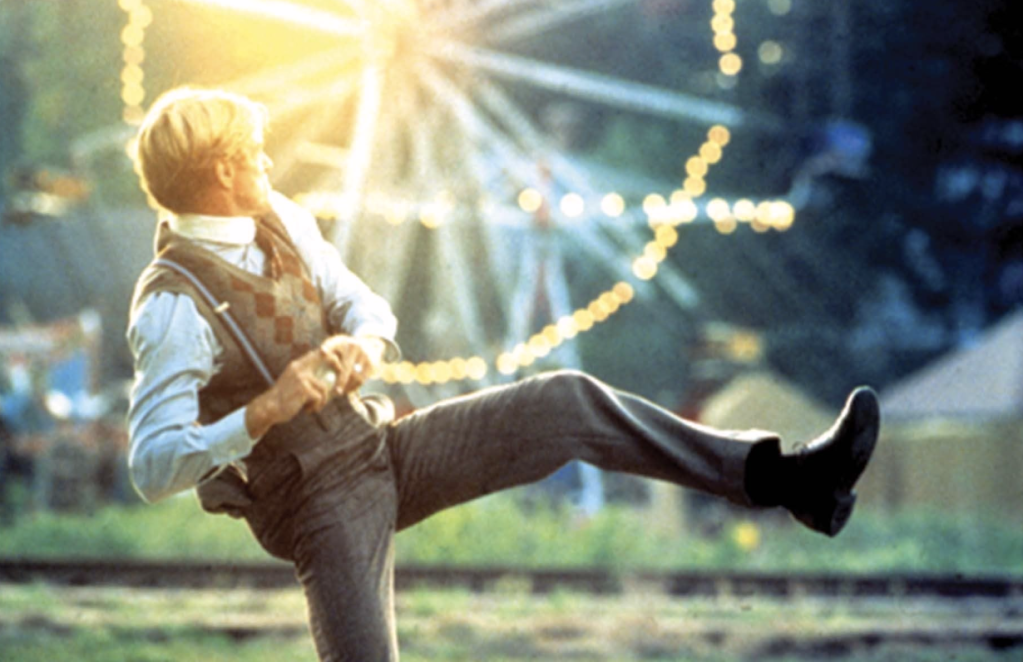
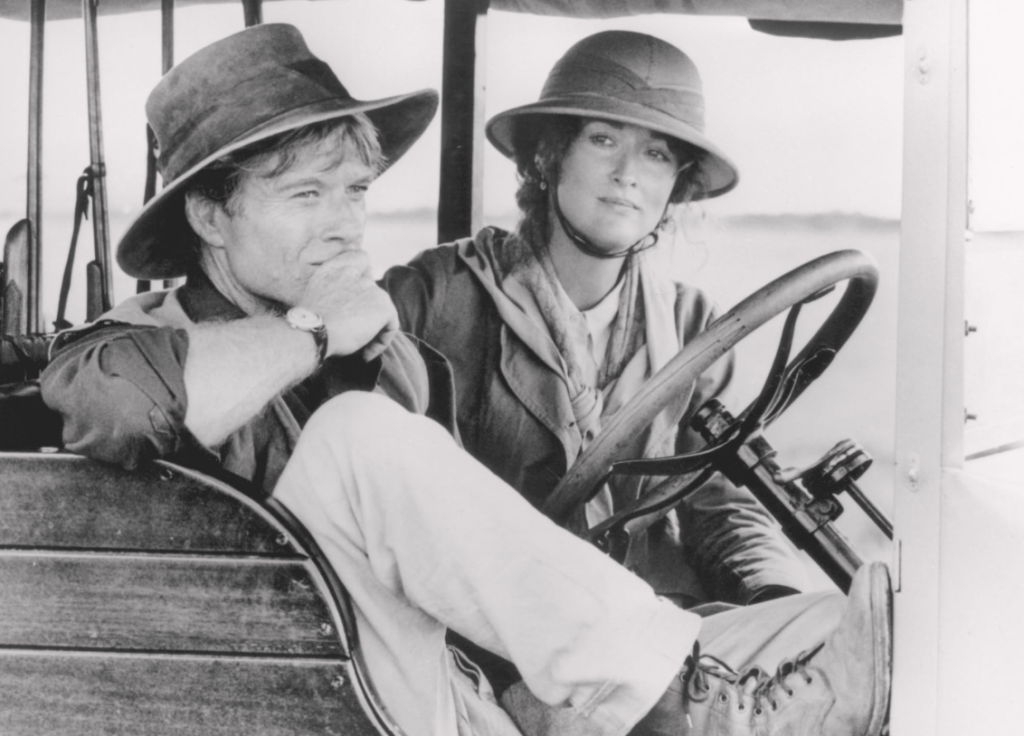
10. Out of Africa (1985)
Opposite Meryl Streep, Redford plays Denys Finch Hatton in Sydney Pollack’s epic adaptation of Isak Dinesen’s memoir.
Significance: An Oscar-winning spectacle of romance and colonial encounter. Redford’s performance complicates the rugged masculine archetype: he is both seductive and elusive, embodying freedom’s allure while exposing its costs.
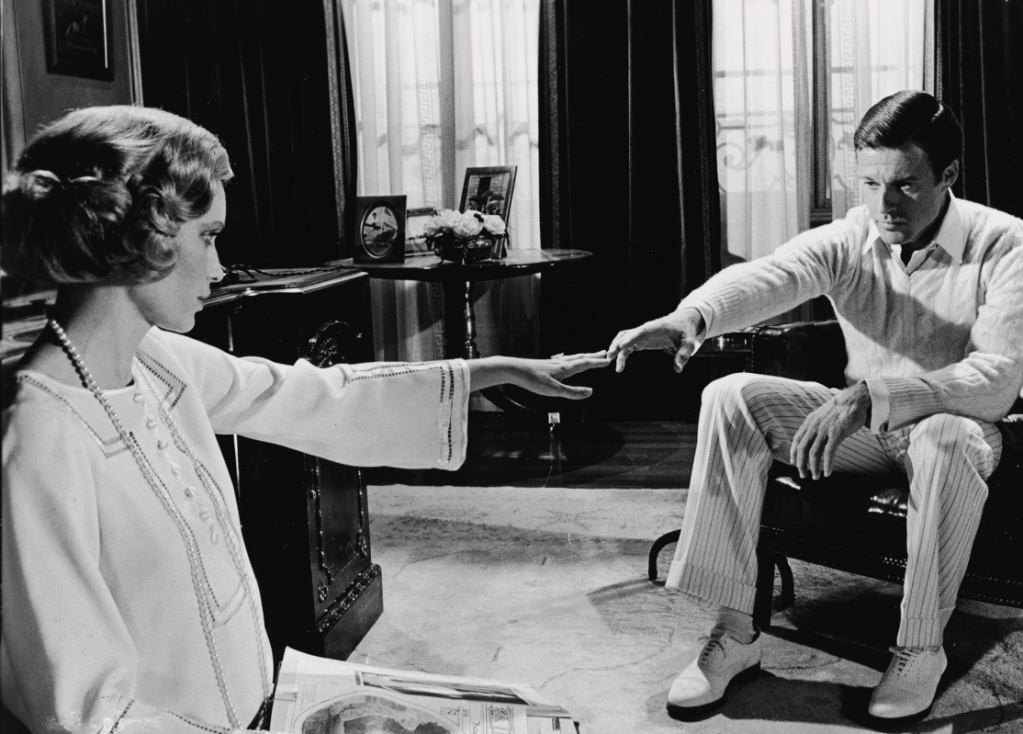
11. The Great Gatsby (1974)
Redford embodies Jay Gatsby in Jack Clayton’s adaptation of F. Scott Fitzgerald’s novel.
Significance: While divisive, Redford’s Gatsby remains culturally iconic, crystallizing the image of the dreamer undone by longing. His performance captures both the allure and the fragility of the American Dream, even as the film itself is uneven.
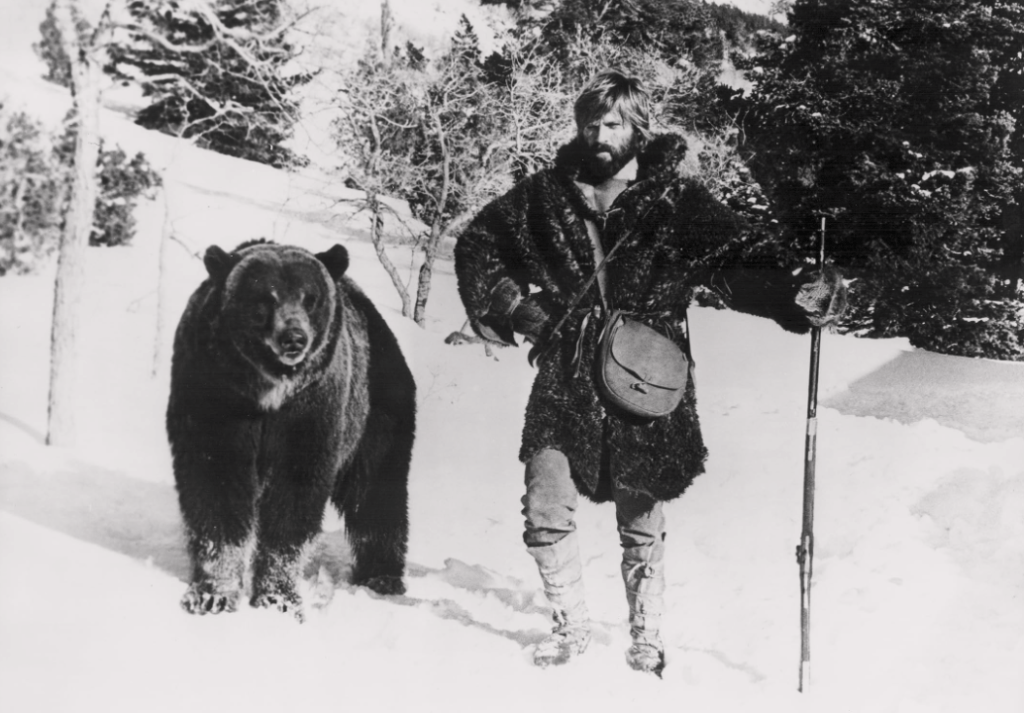
12. Jeremiah Johnson (1972) – Criterion
Redford plays a mountain man seeking solitude in the Rockies, only to be drawn into violence and survival.
Significance: A meditation on man versus nature, civilization versus wilderness, and the costs of solitude. The film anticipates later environmentalist themes in Redford’s career and speaks to America’s ambivalence about progress and retreat.
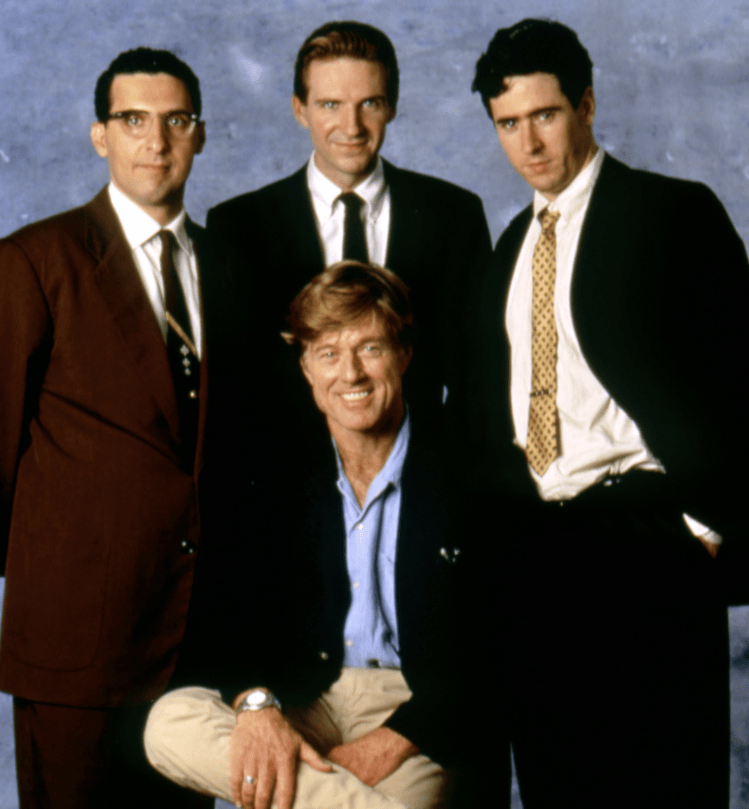
13. Quiz Show (1994)
Redford directs this historical drama about the 1950s television quiz show scandals.
Significance: A sharp critique of media corruption, celebrity, and the seduction of easy success. It demonstrates Redford’s maturity as a filmmaker, combining moral inquiry with stylish period detail.
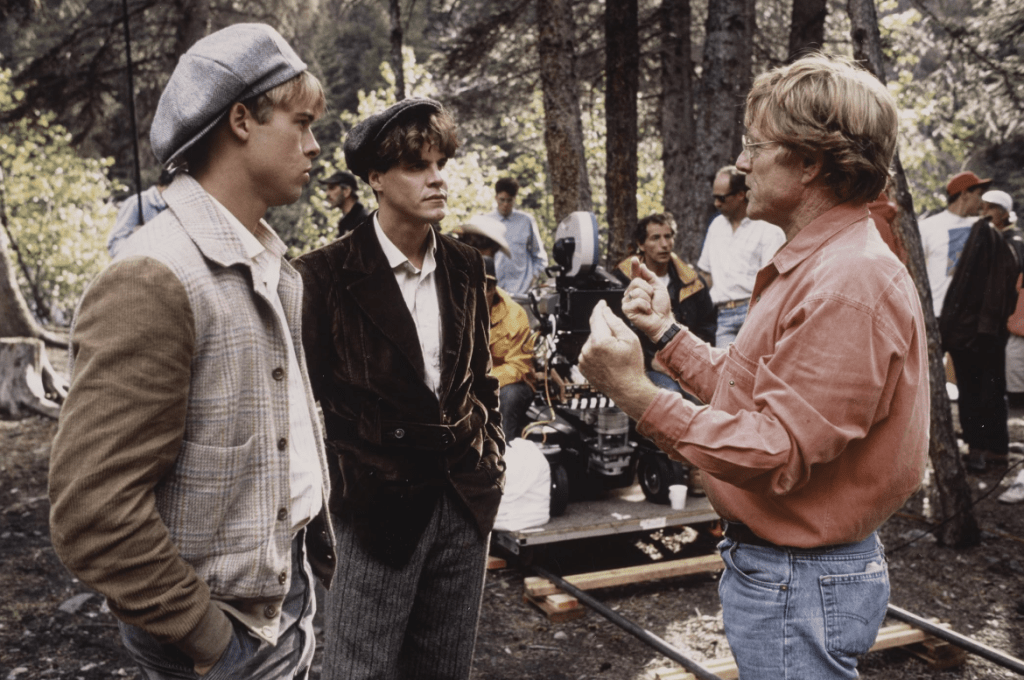
14. A River Runs Through It (1992)
This lyrical adaptation of Norman Maclean’s novella follows two brothers growing up in Montana, bound by fly-fishing and family tensions.
Significance: Redford’s most poetic directorial work, suffused with myth, landscape, and memory. As narrator, he gives the story elegiac resonance, turning it into a meditation on loss, beauty, and the impossibility of fully knowing those we love.
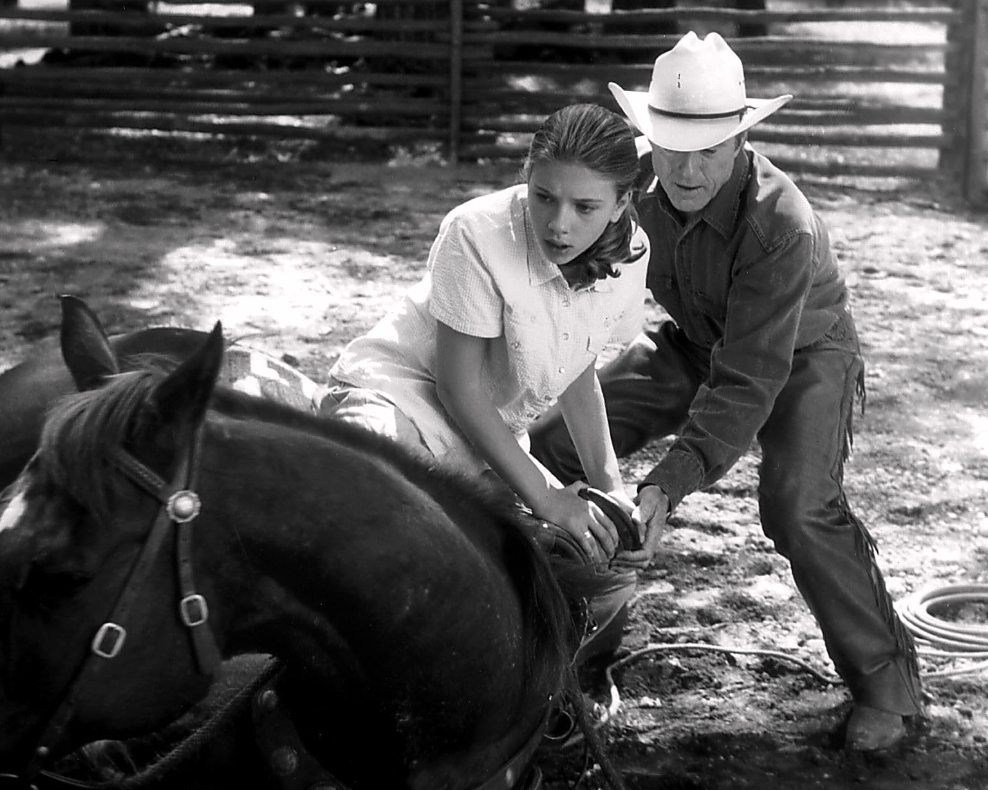
15. The Horse Whisperer (1998)
Redford directs and stars as Tom Booker, a horse trainer who heals both animals and people.
Significance: A fusion of Redford’s star persona—rugged yet gentle—with his directorial interest in healing, intimacy, and landscape. The film bridges human and natural worlds, embodying his lifelong interest in stories of redemption.
A Heady Career
These fifteen films capture Robert Redford’s extraordinary range: the outlaw charisma of Butch Cassidy, the political urgency of All the President’s Men and The Candidate, the romantic melancholy of The Way We Were, the existential solitude of All Is Lost, and the quiet directorial brilliance of Ordinary People and A River Runs Through It. Together, they chart the career of an artist who made cinema not only a mirror of his era but also a moral compass.
 My World of Interiors