

Few architects in the 20th century achieved what Luis Barragán did: an architecture at once modern and timeless, deeply rooted in Mexico’s cultural traditions yet universally resonant. His buildings are not simply forms in space but emotional landscapes—compositions of silence, light, color, and memory. Awarded the Pritzker Prize in 1980, Barragán left a body of work that feels less like a collection of objects and more like a spiritual geography.
Philosophy of Emotional Architecture
Barragán rejected the cold rationalism of International Modernism in favor of what he called “emotional architecture.” For him, space should evoke serenity, mystery, and beauty—qualities achieved through proportion, texture, light, and color rather than through technological bravado. His architecture embraces silence and solitude, not as absence, but as presence.
Casa Estudio Luis Barragán (Mexico City, 1948)
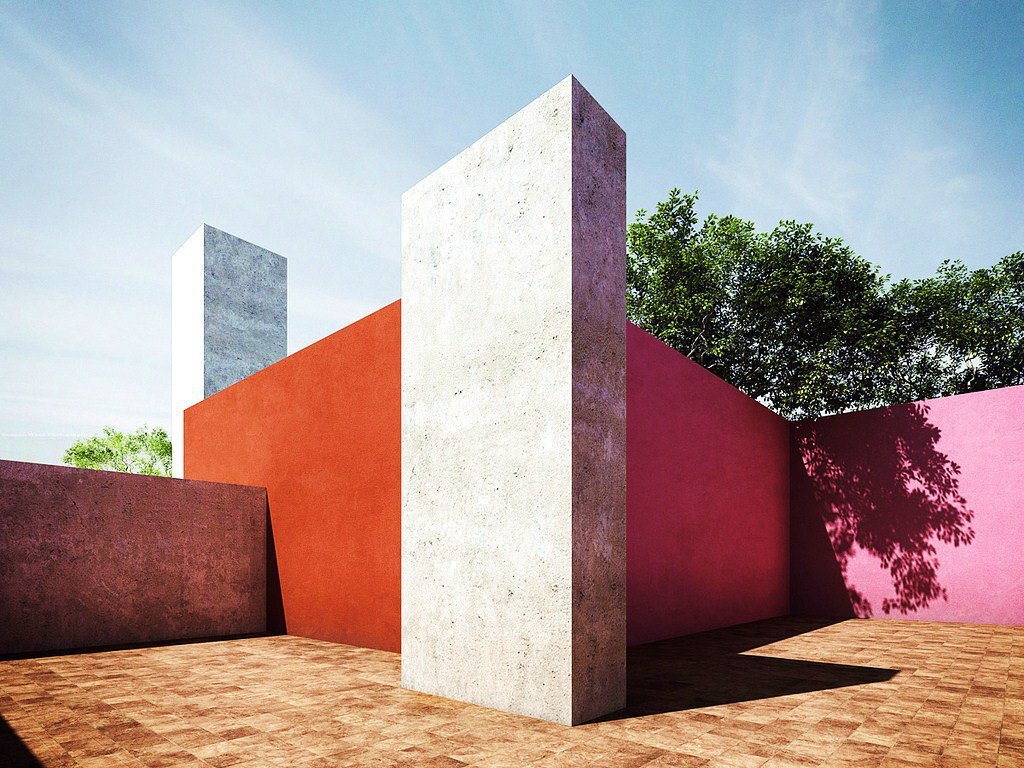
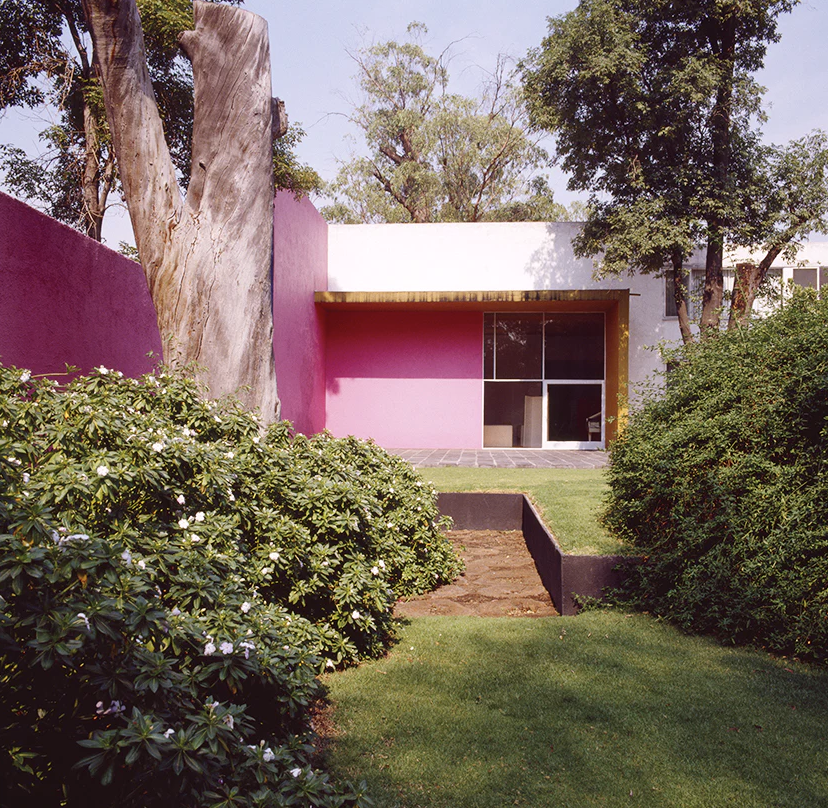
Perhaps his most celebrated work, and now a UNESCO World Heritage Site, Barragán’s own house and studio is a manifesto in built form. From the street, the house appears fortress-like—blank walls, no ornamentation, an austere façade. But stepping inside reveals a choreography of surprise:
- Double-height rooms flooded with carefully angled light.
- Vibrant planes of pink, yellow, and white balanced against natural timber and stone.
- An intimate garden and terrace, where architecture dissolves into landscape.
The house is a study in contrasts: ascetic exterior, poetic interior. It reflects Barragán’s belief that architecture should protect privacy while nurturing contemplation.
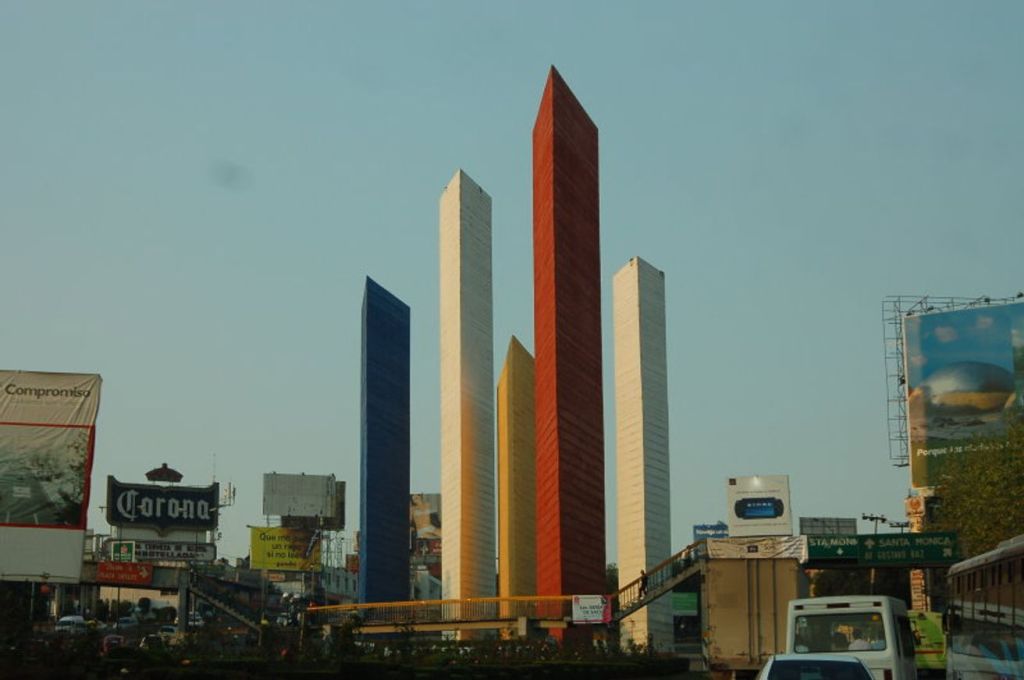
Torres de Satélite (Mexico City, 1957, with Mathias Goeritz)
These five monumental concrete towers, painted in primary hues, are among Mexico’s most iconic landmarks. Conceived as a gateway to the new suburb of Ciudad Satélite, the towers are both sculpture and urban signal. Their severe geometry and bold colors exemplify Barragán’s ability to work at monumental scale without losing spiritual resonance. Standing like modern totems, they recall pre-Hispanic forms while announcing a modern Mexico.
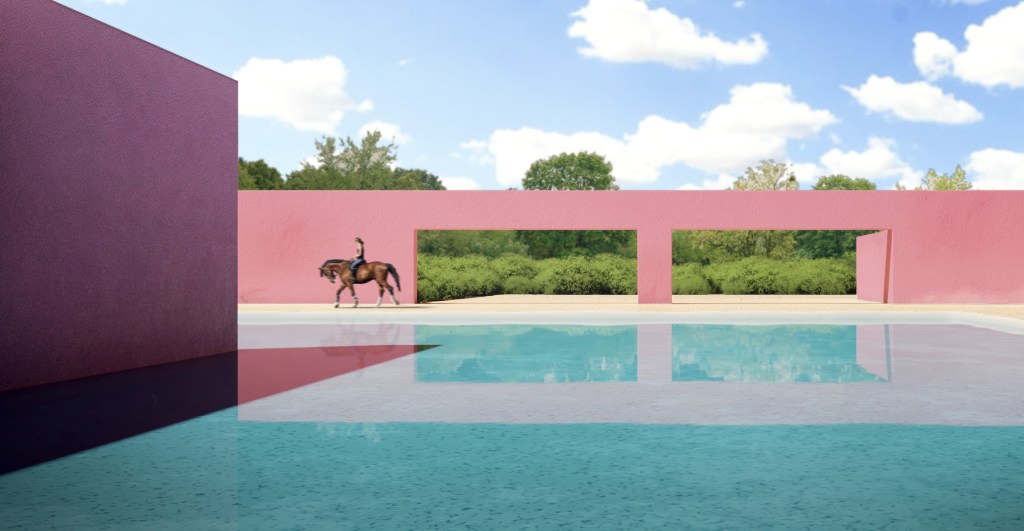
Cuadra San Cristóbal (Mexico City, 1968)
A masterpiece of domestic and equestrian architecture, Cuadra San Cristóbal combines residence, stables, and riding areas into a dreamlike composition. Its most famous feature is the pink walls that enclose a courtyard, punctuated by pools and fountains of flowing water. Horses drink from the same pools that reflect the architecture.
- Water becomes a central element, a motif of life, ritual, and sound.
- Color is deployed not ornamentally but spatially—the pink and red walls frame sky, water, and movement.
- Scale is deliberately ambiguous—walls rise higher than expected, compressing or expanding space in ways that evoke reverie.
Cuadra San Cristóbal epitomizes Barragán’s fusion of architecture, landscape, and memory.
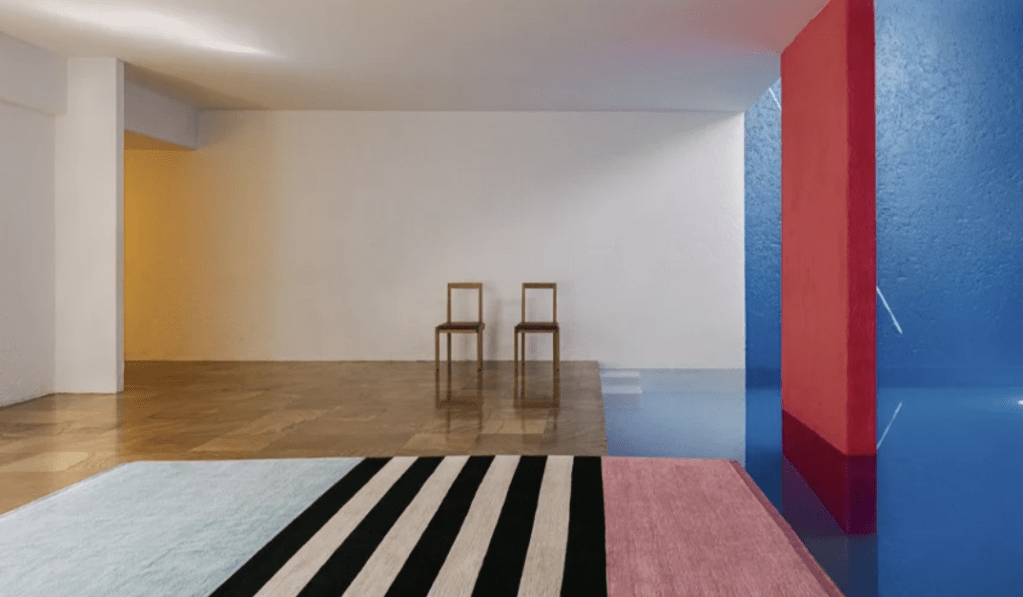
Casa Gilardi (Mexico City, 1976)
One of Barragán’s final works, Casa Gilardi distills his principles into a small but astonishing house. The centerpiece is the indoor pool, illuminated by shafts of colored light. Magenta walls meet golden yellow planes, while water reflects and animates the space. The house is both domestic and transcendent, proving that for Barragán, architecture was never about scale but about atmosphere.
Other Key Works
- Chapel of the Capuchinas (1955): A spiritual interior where golden light, rough stone, and violet hues create a mystical atmosphere.
- El Pedregal Gardens (1945–50): An early project where Barragán sculpted volcanic lava landscapes into a modern residential development.
Legacy
Barragán’s architecture is inseparable from Mexico’s light, landscape, and traditions. He redefined modernism not as an international style but as a local and spiritual language—rooted in monastic calm, hacienda courtyards, and the colors of Mexican craft. His work continues to influence architects, artists, and designers worldwide, from Tadao Ando to contemporary minimalists who seek to balance austerity with soul.
Why Barragán Matters Today
In an era of overstimulation, Barragán’s architecture reminds us of the importance of silence, contemplation, and atmosphere. His buildings are not simply to be looked at, but to be inhabited—slowly, attentively, with openness to the poetry of space.
Luis Barragán did not design monuments to himself. He designed worlds of feeling—timeless sanctuaries of color, light, and water that continue to inspire awe.
 My World of Interiors
One thought on “Luis Barragán: The Architect of Light and Colour”