Category: Interiors
-

Argentina by Design: A 10-Day Itinerary for Architecture, Interiors, Art & Industrial Design
Argentina is a country of bold gestures and layered histories: European classicism and Art Deco in Buenos Aires; Jesuit baroque and modernism in Córdoba; high-altitude Andean adobe and contemporary land art in the northwest; winery cathedrals of concrete and stone in Mendoza. This itinerary moves through those worlds with a designer’s eye—pairing great buildings with…
-
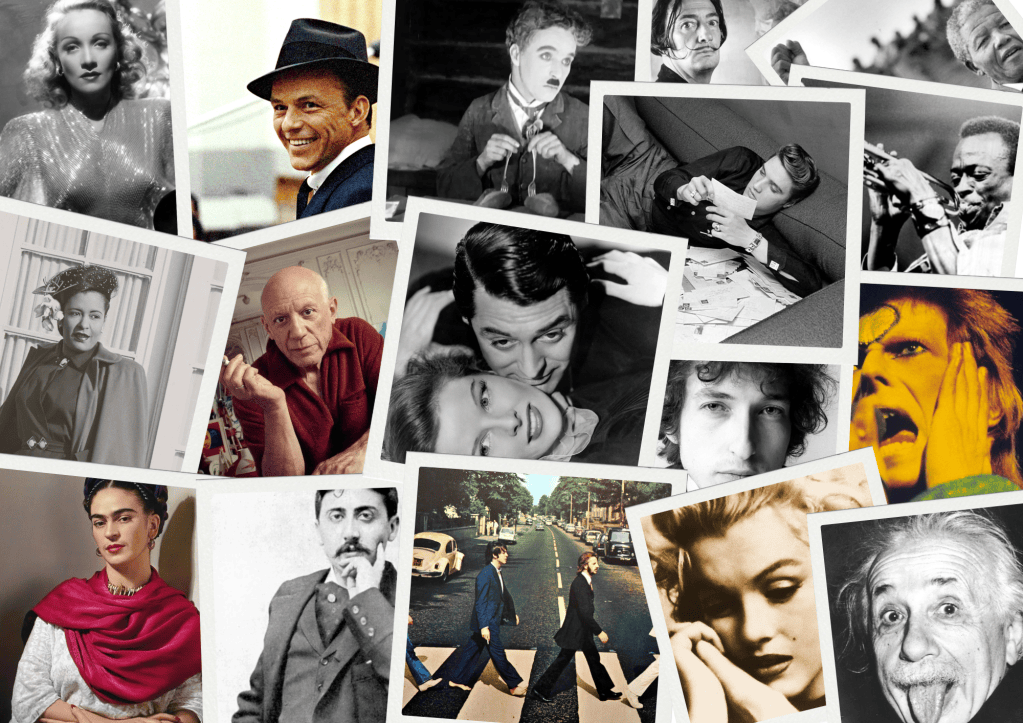
A Hundred Stars: The Twentieth Century’s Constellation
On the Making of Modern Stardom The twentieth century did not merely produce stars; it manufactured the conditions in which stardom could exist. A set of new technologies—cinema, radio, the LP, television—met a set of modern habits: mass attention, reproducible image, a hunger for personality that could stand in for the unruly whole of culture.…
-
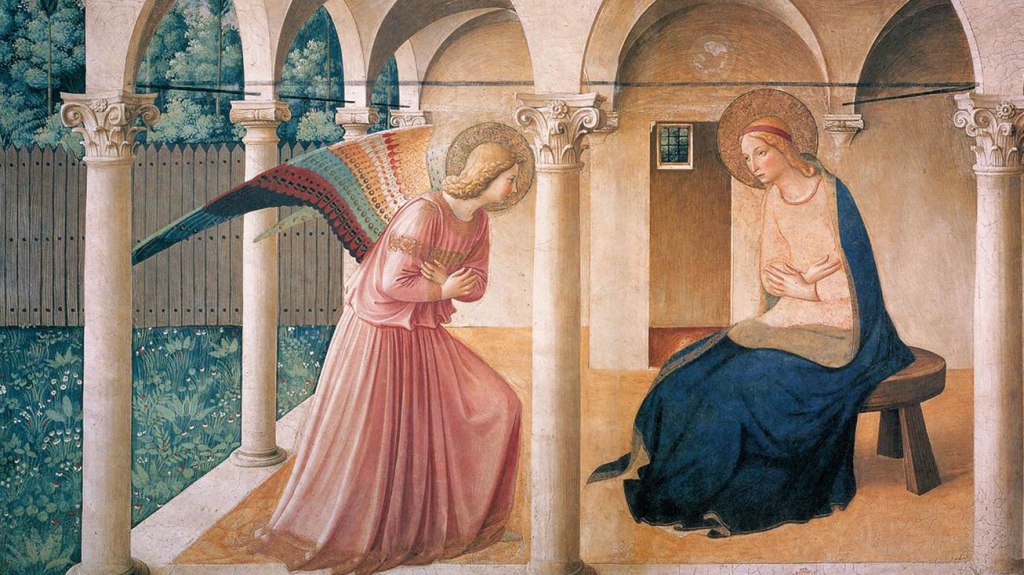
Florence & the Making of the Renaissance
Everything you need to know about the Florentine Renaissance. We researched it so you don’t have to. The Rise and Fall of the Medici—and the Long Road to “Rebirth” The Renaissance was not a single spark but a long turning of Europe’s imagination. It was a shift of confidence and attention: toward antiquity as a…
-
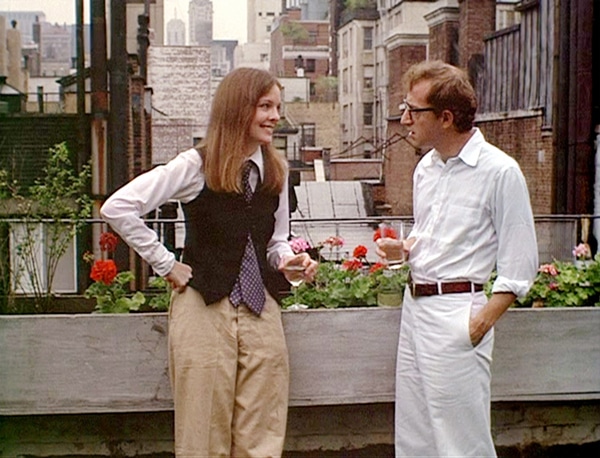
Annie Hall: Neurotic Romance and the Language of Love
When Annie Hall premiered in 1977, it rewrote the rules of the romantic comedy. Woody Allen’s film — intimate, self-reflexive, simultaneously comic and melancholic — offered a portrait of love not as escapist fantasy but as memory: fractured, playful, and painfully human. In a decade dominated by the epic (from Jaws to Star Wars), Annie…
-
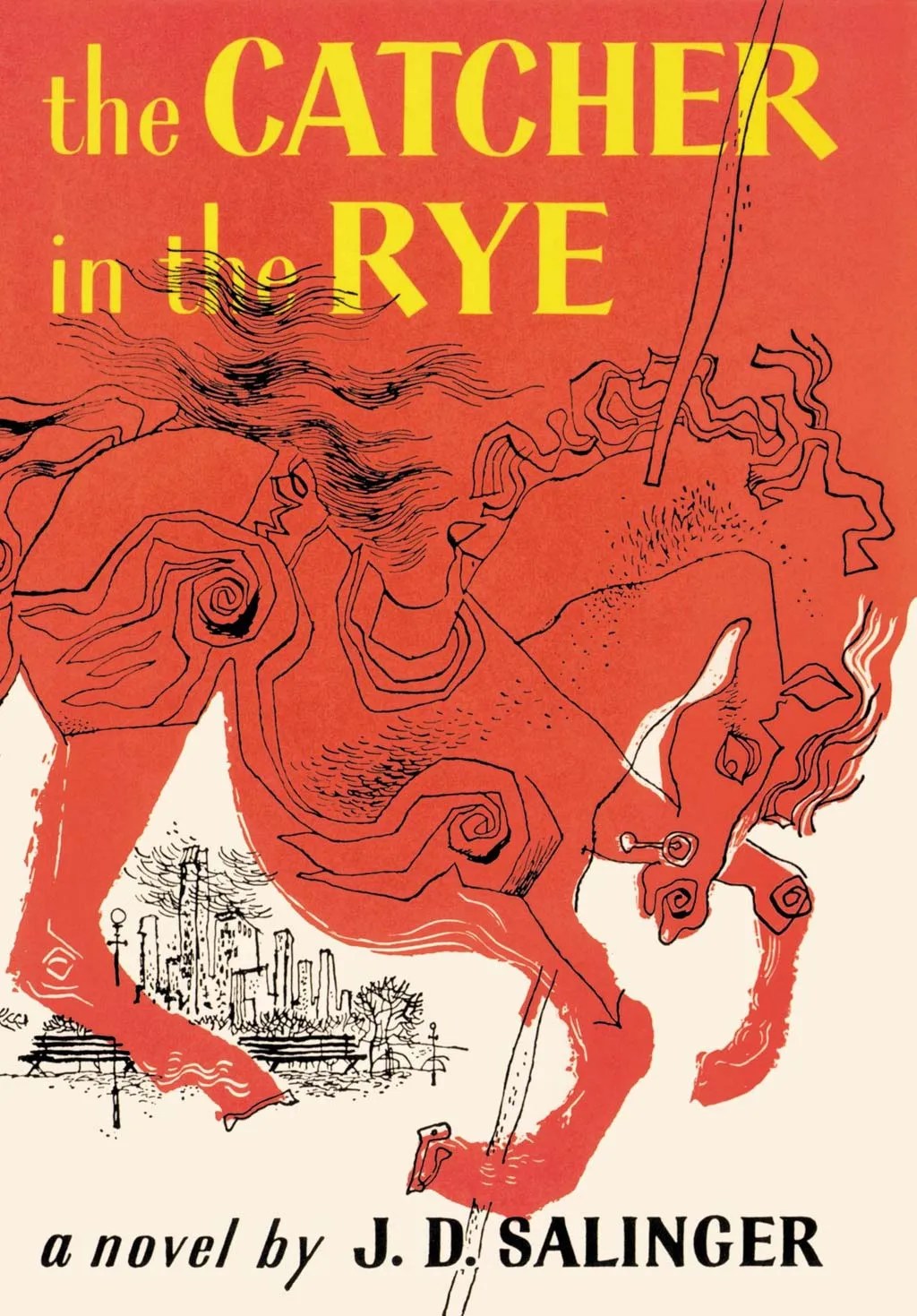
The Enigma of J.D. Salinger: Genius, Recluse, and the Making of an American Myth
J.D. Salinger (1919–2010) remains one of the most fascinating paradoxes in American letters. Lauded as the author of The Catcher in the Rye, a book that gave adolescent alienation its most enduring voice, he also became a cultural riddle: a man who spent the last half of his life in near silence, publishing nothing, and…
-
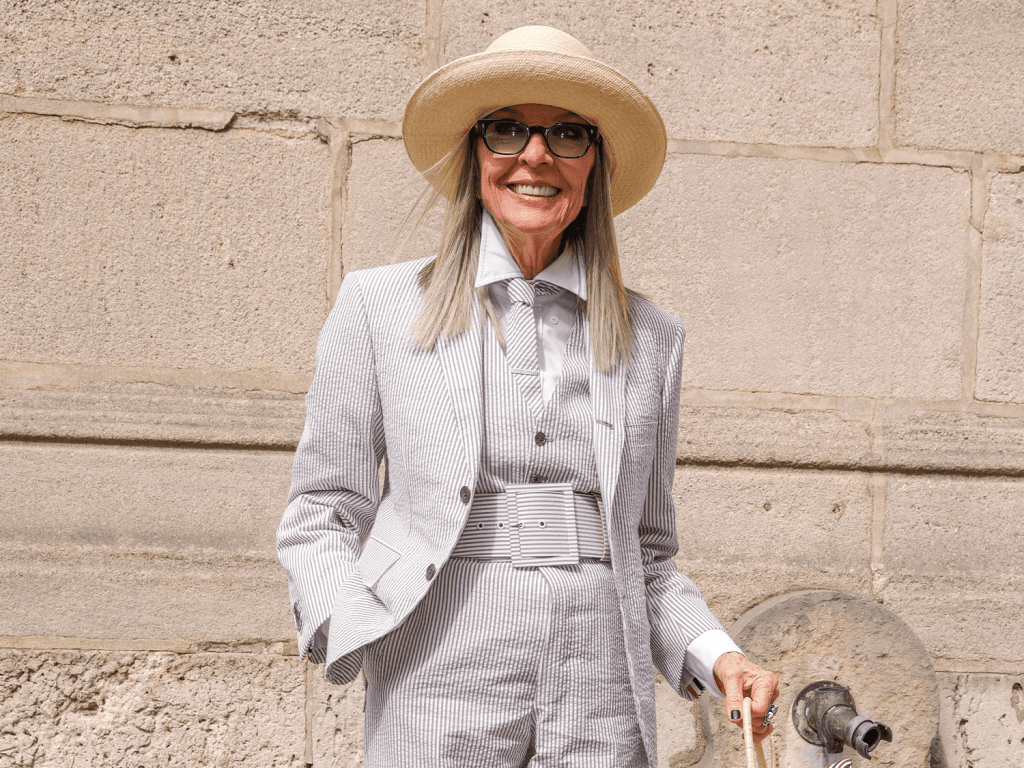
Diane Keaton (1946–2025)
The world of cinema has lost one of its most singular and beloved figures. Diane Keaton, the Oscar-winning actress whose mix of wit, vulnerability, and fearless individuality reshaped the idea of the modern movie star, has died at the age of 79. Born Diane Hall on January 5, 1946, in Los Angeles, she took her…
-
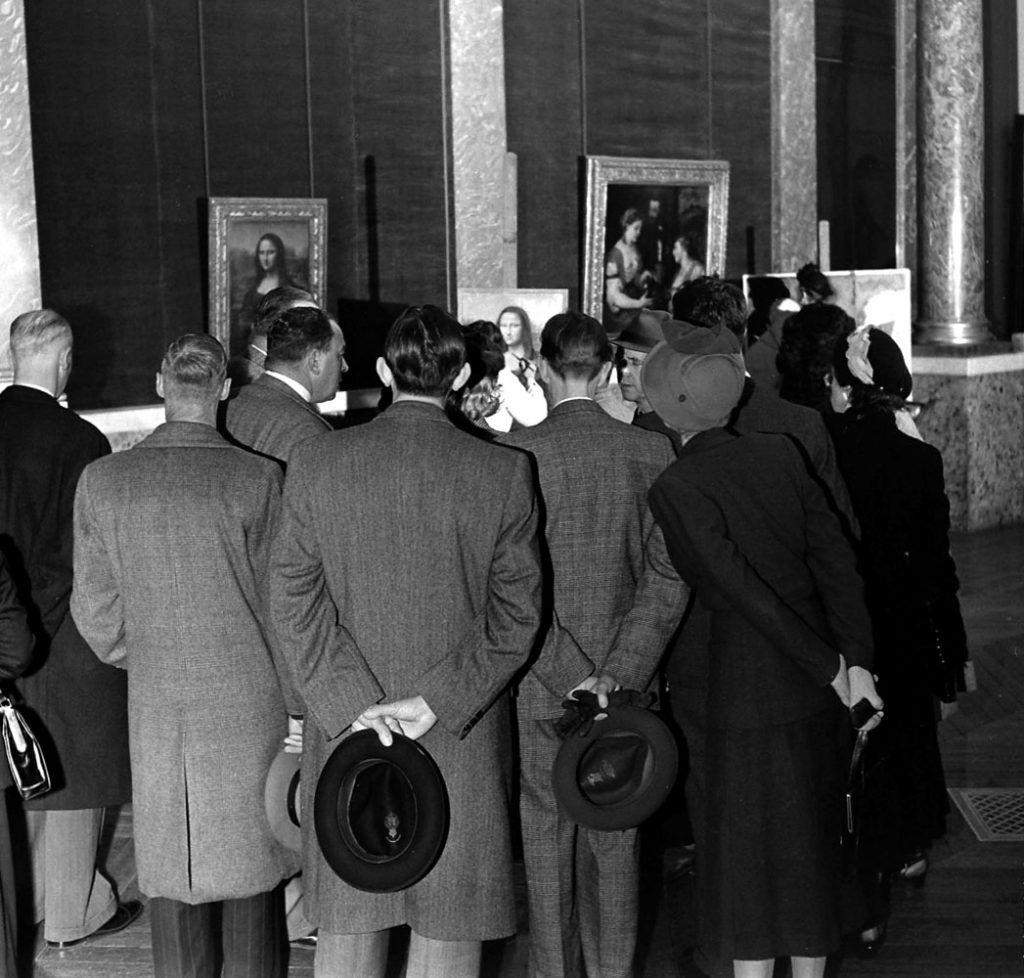
The Louvre: Palatial Splendour & the World’s Greatest Art Museum
Standing at the heart of Paris, the Louvre is more than a museum — it is a living monument to power, beauty, and the human imagination. Once a medieval fortress, then a royal palace, today it is the most visited art museum in the world, where masterpieces such as Leonardo’s Mona Lisa and Delacroix’s Liberty…
-
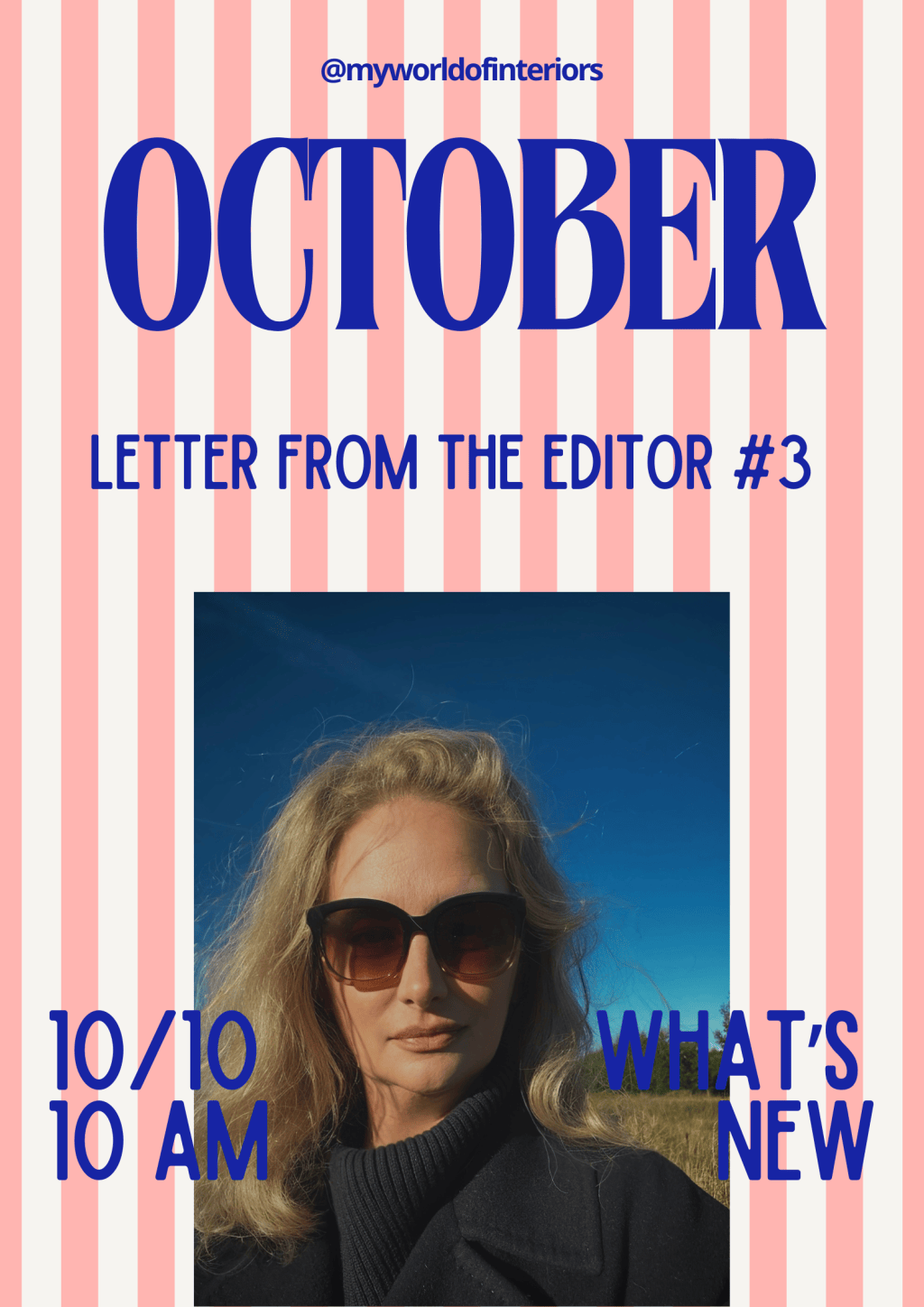
Letter From the Editor #3
We are delighted to say that we have now been back for just over a month—and so far, so good. Yesterday marked a milestone: our 100th post since relaunch. It feels like the right moment to pause, reflect, and share some of the highlights of these first 36 days. Our most-read stories have ranged widely…
-
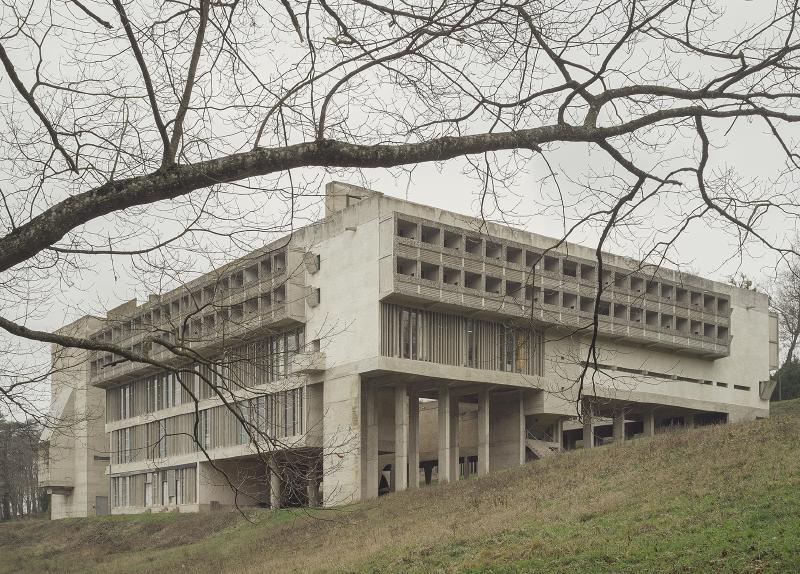
Le Corbusier: The Architect of Modern Life
In the pantheon of twentieth-century design, few names carry the weight of Le Corbusier (1887–1965). Architect, urban planner, painter, and polemicist, he was as radical as he was pragmatic, as theoretical as he was tactile. Born Charles-Édouard Jeanneret in La Chaux-de-Fonds, Switzerland, he became known by the moniker Le Corbusier—a chosen identity that reflected his…
-

Roy Lichtenstein: The Grammar of Pop and the Art of Quotation
Among postwar artists, Roy Lichtenstein (1923–1997) most vividly embodies the paradox of high and low culture. His name is virtually synonymous with Pop Art, a movement that sought to collapse the distance between everyday images and fine art, between the mass-produced world of comics, advertising, and consumer culture, and the sanctified walls of museums. Yet…
