
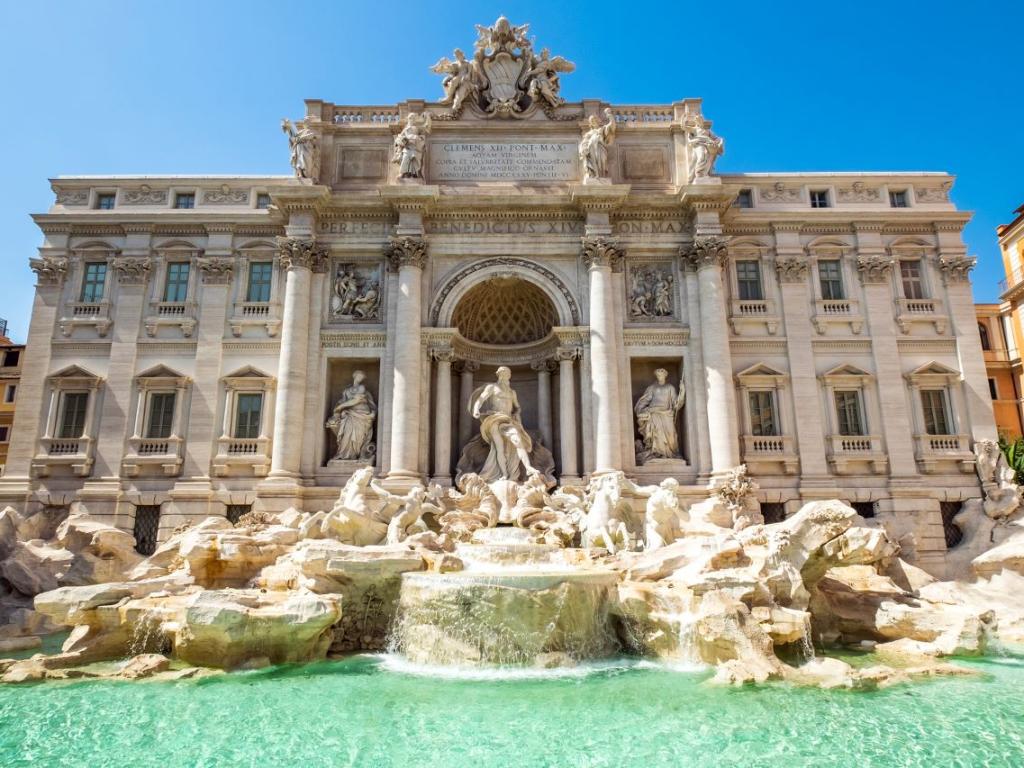
The fountain is one of humanity’s oldest and most enduring symbols. At once practical and ornamental, it embodies civilization’s relationship to water: necessity elevated to art, engineering transfigured into spectacle. From Mesopotamian basins to Renaissance piazzas, Baroque cascades to modernist installations, the history of fountains is as much a history of power, religion, and aesthetics as it is of hydraulics.
Origins: Sacred Springs and Civic Wells
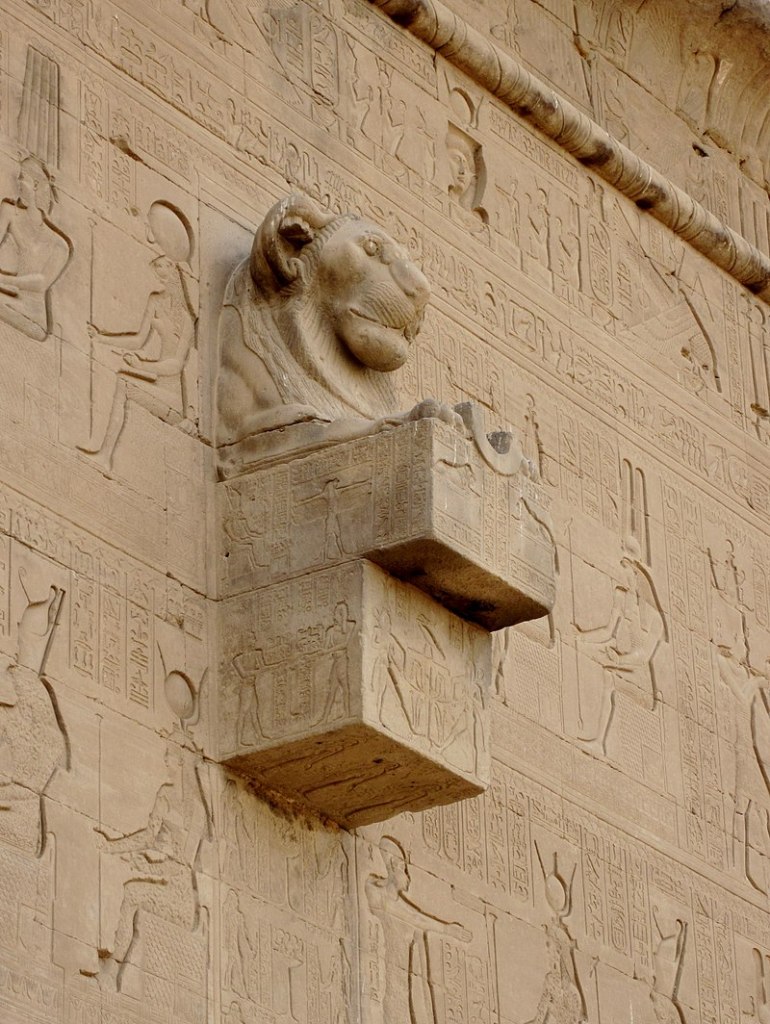
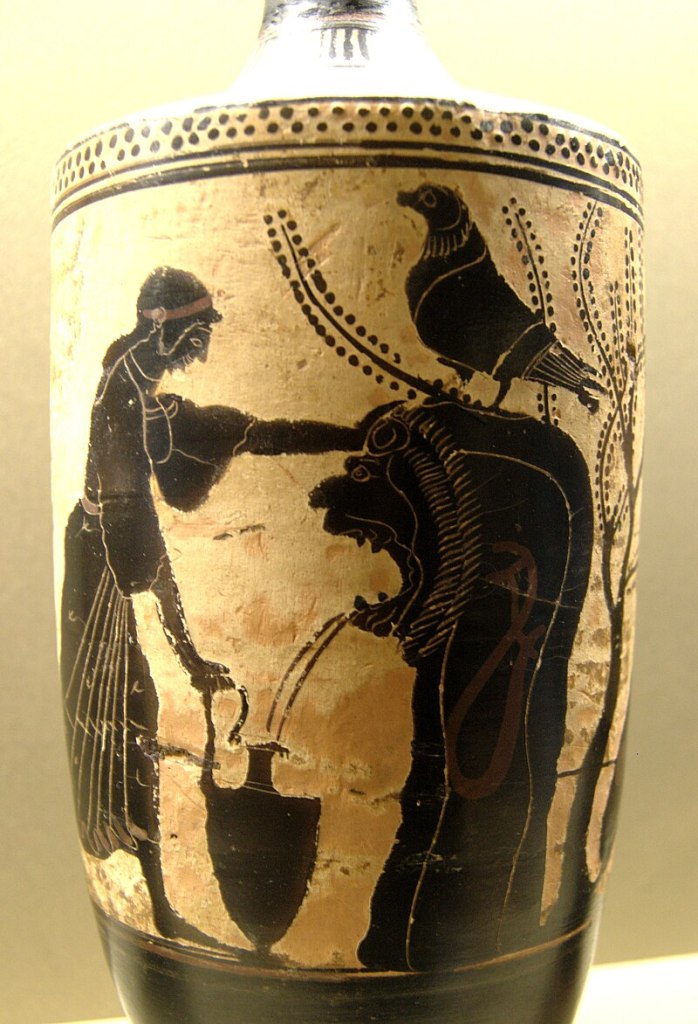
Long before water was choreographed into grand displays, it was revered at its source. In Mesopotamia, Egypt, and Greece, springs and wells became sacred sites, often linked to deities of fertility or healing. Early fountains were simple stone basins or carved lions’ heads channeling water into troughs, serving both ritual and utility.
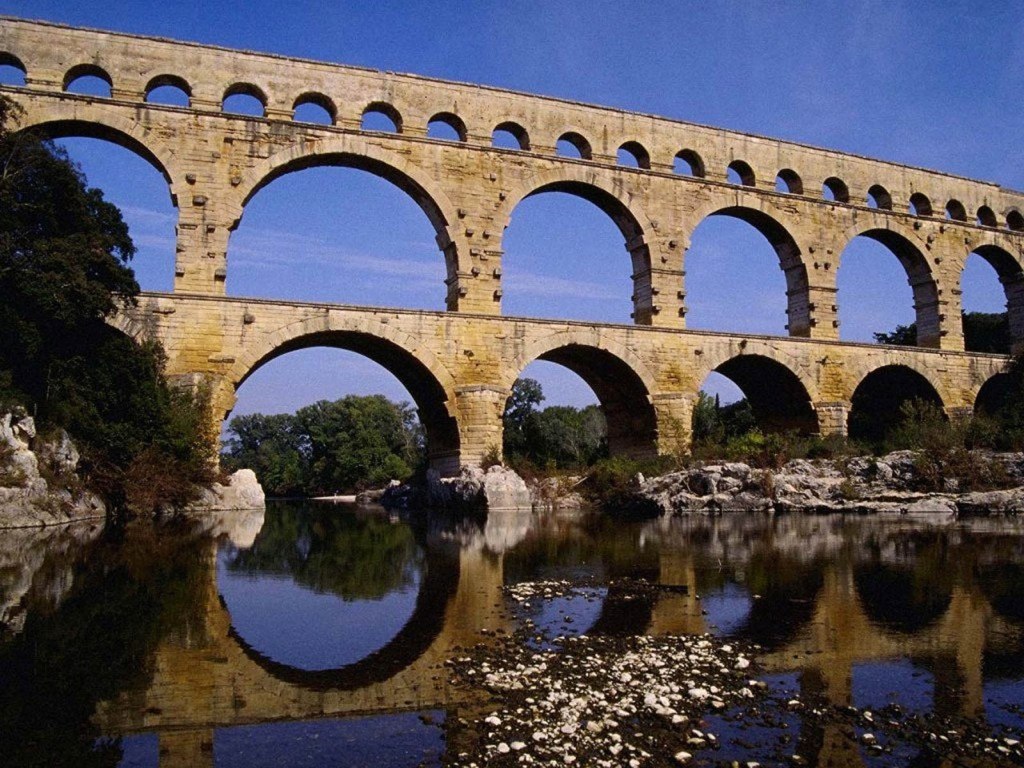
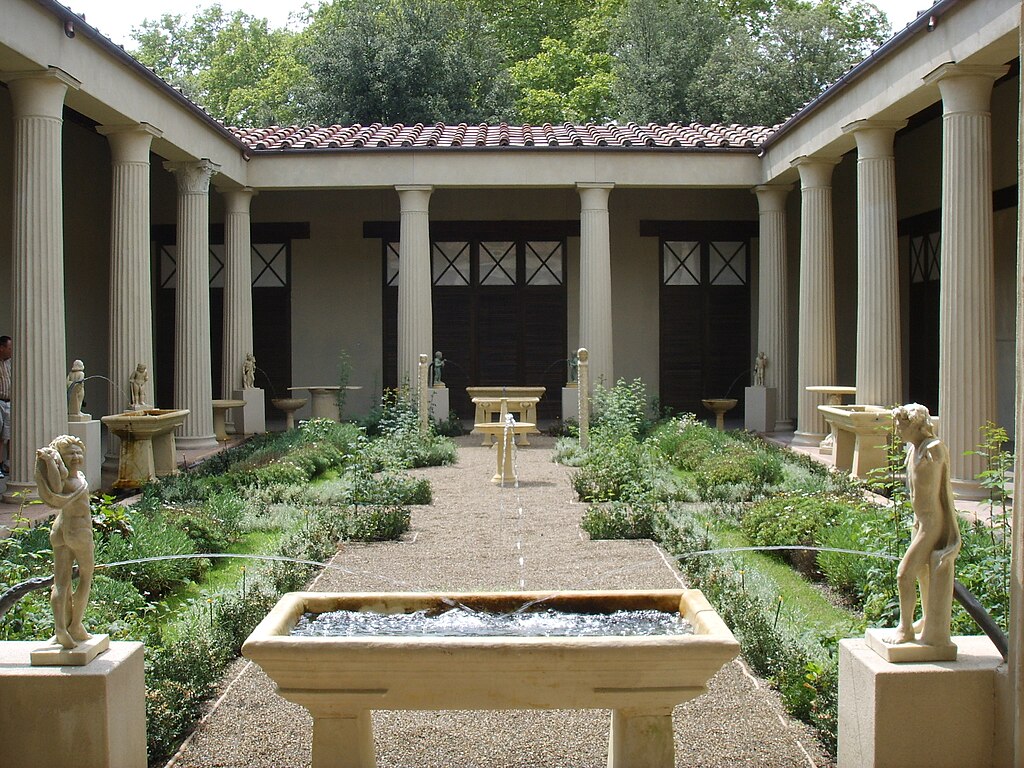
By the Hellenistic and Roman eras, fountains took on civic importance. The aqueducts of Rome supplied not only baths and private villas but also monumental public fountains—nymphaea—adorned with statues and mosaics. These served as both practical distribution points and urban ornaments. The Trevi Fountain’s ancestry lies here: water as a civic offering, engineered with imperial authority.
Medieval Symbolism
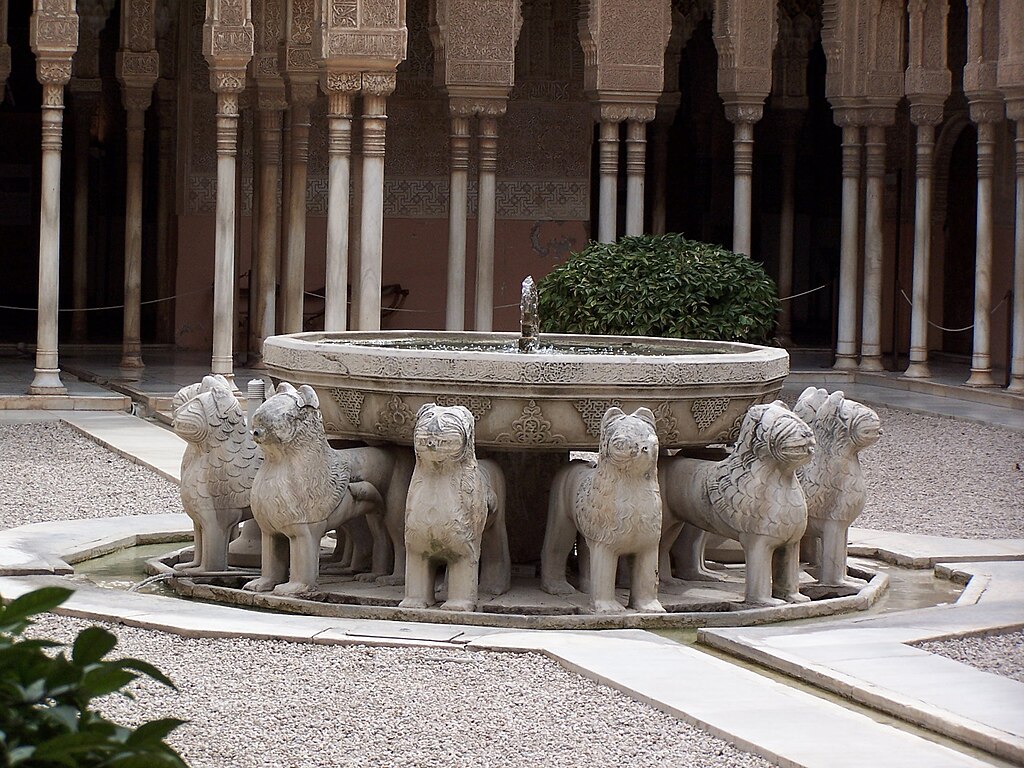
With the fall of Rome, elaborate aqueducts fell into disrepair, but fountains remained integral to daily life in monasteries and town squares. In cloisters, fountains symbolized purity and paradise, echoing biblical imagery of the “fountain of life.” Gothic cities often placed fountains in market squares, where they became gathering points and sources of civic pride.
Medieval fountains were less about grandeur than symbolism: a reminder that water, like faith, nourished the community. Their ornamentation—saints, heraldic animals, biblical motifs—tied the material to the spiritual.
Renaissance Revival
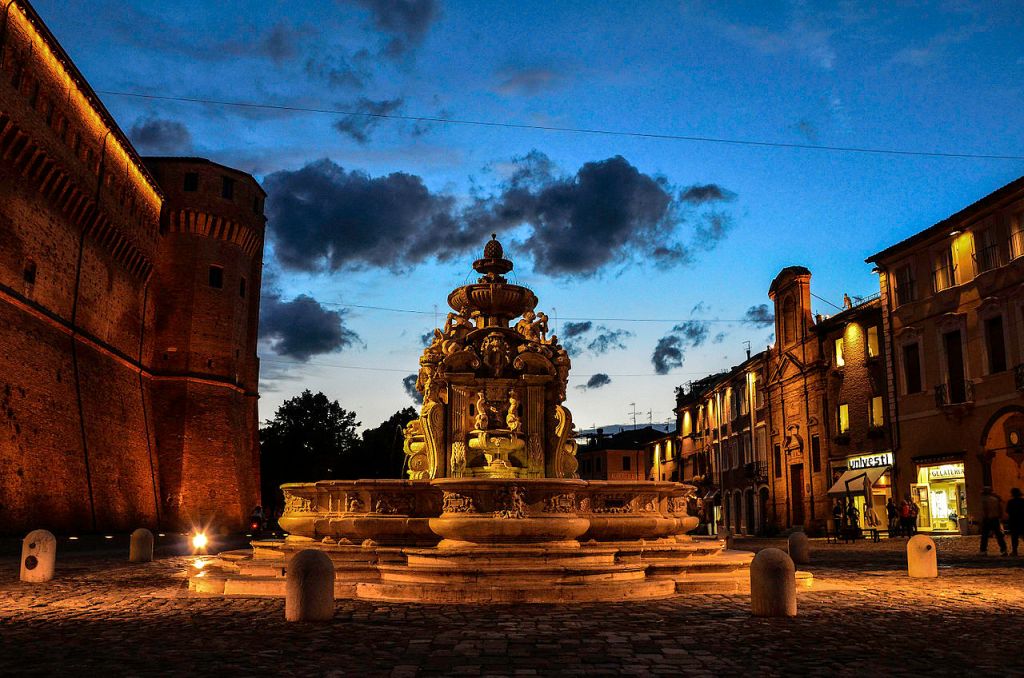
The Renaissance resurrected classical hydraulic knowledge and fused it with artistic ambition. In Florence, Siena, and Rome, fountains became canvases for sculptors. Donatello, Verrocchio, and Giambologna all designed fountains, often blending mythological figures with intricate engineering.
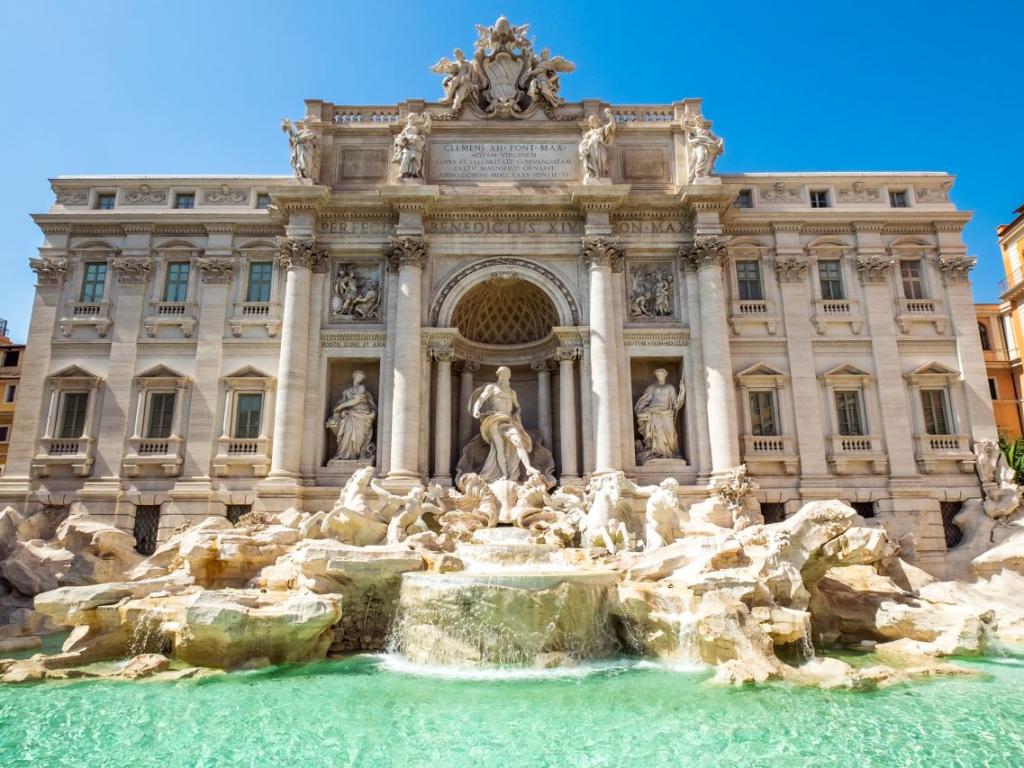
In Rome, the papacy seized the fountain as a political tool. Pope Nicholas V and later Pope Sixtus V restored aqueducts, commissioning fountains to display the Church’s control of both faith and infrastructure. The Renaissance fountain was never just a decoration; it was propaganda in marble and water, proclaiming authority through spectacle.
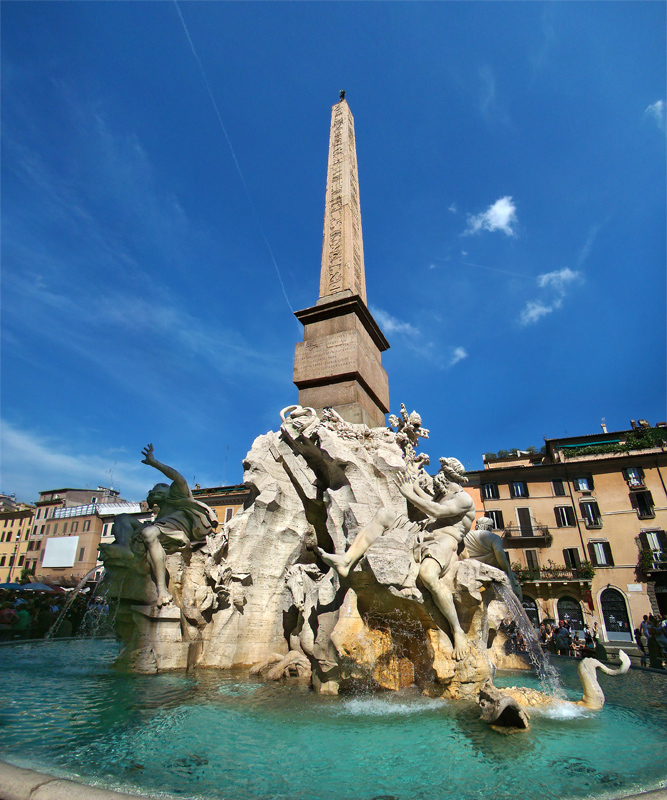
Baroque Splendor
The 17th century brought fountains into their most theatrical form. Nowhere is this more evident than in Rome, where Gian Lorenzo Bernini transformed water into dynamic theater. The Fontana dei Quattro Fiumi (Fountain of the Four Rivers, 1651) in Piazza Navona epitomizes Baroque drama: muscular river gods symbolizing the world’s great waterways, all surging around an obelisk in a whirling composition of stone and spray.
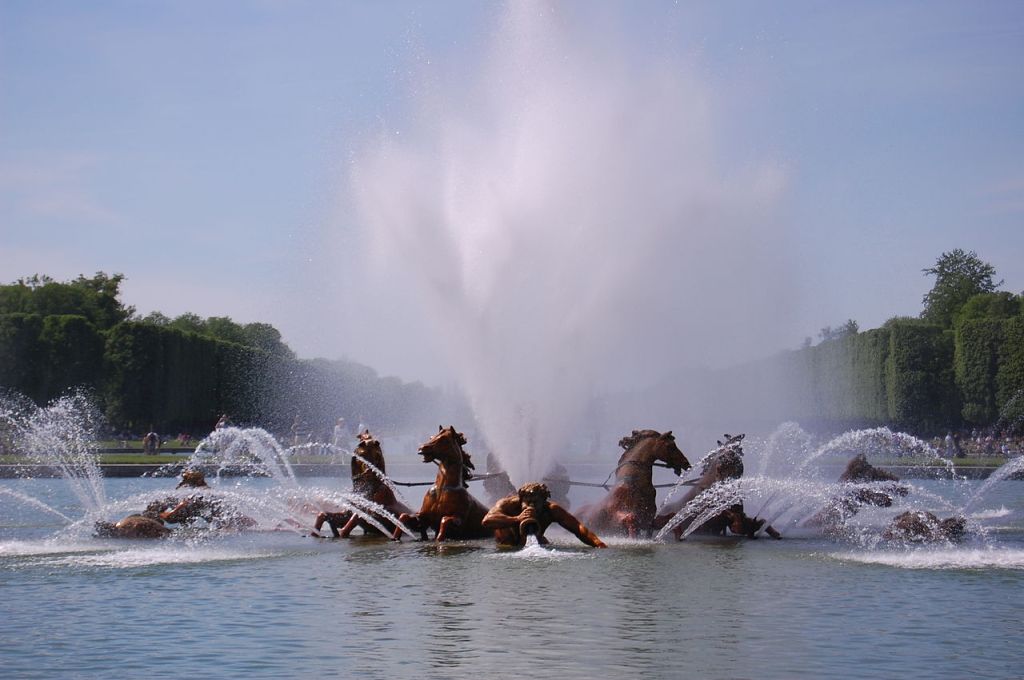
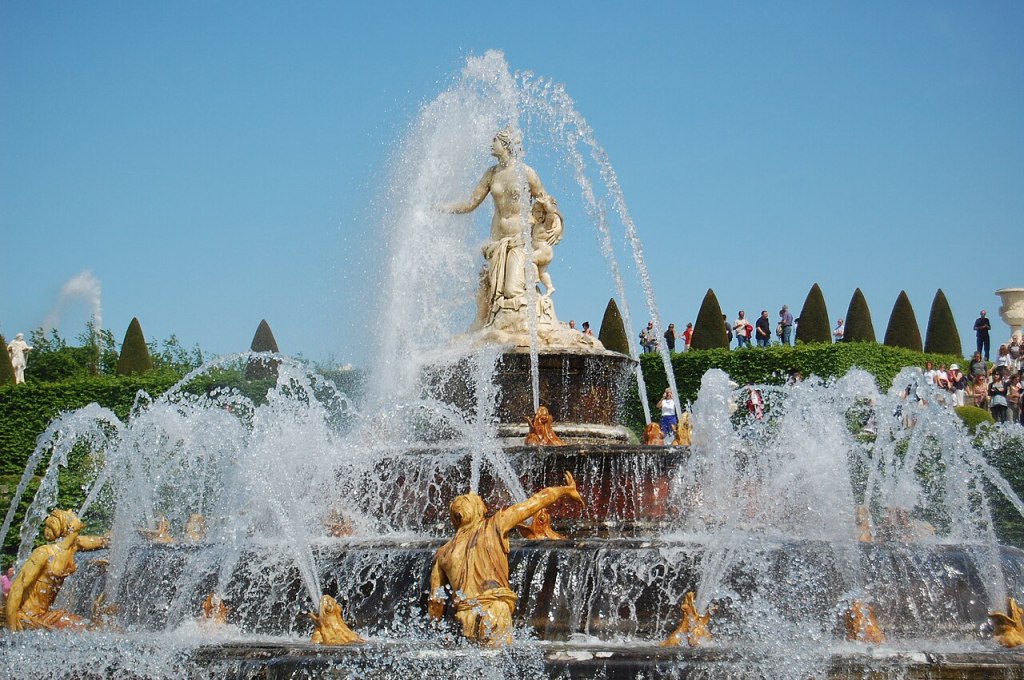
At Versailles, fountains became the very language of monarchy. André Le Nôtre’s gardens for Louis XIV deployed hydraulics on an unprecedented scale, choreographing jets, cascades, and basins into allegories of cosmic order. The Sun King used water as a medium of absolute power: a natural resource bent to his will, dazzling courtiers and envoys alike.
Enlightenment and Industrial Innovation
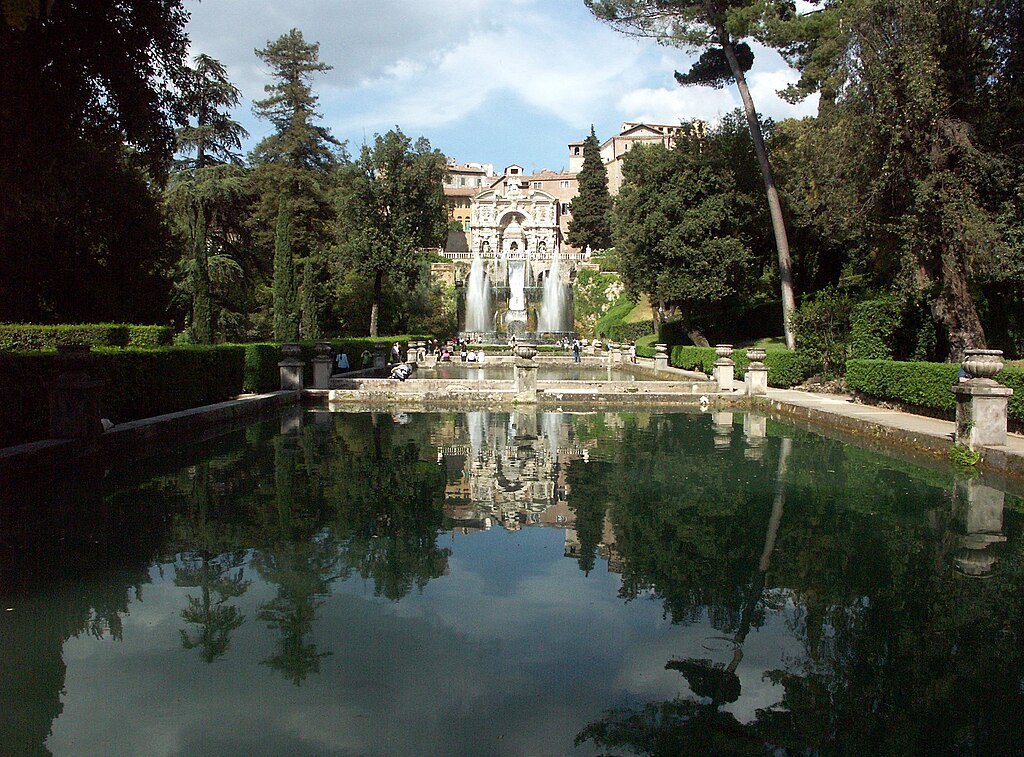
By the 18th and 19th centuries, fountains reflected both romantic sensibilities and new technologies. In European capitals, they became civic emblems, anchoring squares and boulevards. In Paris, fountains like the Fontaine des Innocents or those by Jacques-Ignace Hittorff married neoclassical design with improved hydraulic systems.
The Industrial Revolution expanded possibilities: cast iron, steam engines, and pumps allowed higher jets and more elaborate displays. Public fountains became emblems of hygiene as well as beauty, supplying cleaner water to expanding urban populations. The fountain was no longer just aristocratic spectacle—it was democratic infrastructure.
Modernism and Abstraction
In the 20th century, fountains shed allegory for abstraction. Artists like Isamu Noguchi and Jean Tinguely reimagined water as kinetic sculpture, integrating modern materials and playful experimentation. Fountains became canvases for pure form: sheets of water over geometric planes, rhythmic jets synchronized with music, electronic lighting transforming water into spectacle.
Municipal planners also embraced fountains as tools of civic renewal. From Chicago’s Buckingham Fountain (1927) to Barcelona’s Magic Fountain of Montjuïc (1929), grand displays drew crowds and anchored public space.
At the same time, conceptual artists challenged the very idea of the fountain. Marcel Duchamp’s infamous Fountain (1917)—a urinal turned upside down—provoked questions about art, function, and context. The fountain had become not just ornament but idea.
Contemporary Fountains: Sustainability and Spectacle
Today, fountains reflect new cultural and environmental concerns. In cities where water scarcity is urgent, designers must balance spectacle with sustainability, often recycling closed-loop systems or using minimal water. Yet the desire for grandeur persists.
Las Vegas’s Bellagio Fountains choreograph jets to music, a modern Versailles in the desert. Dubai’s Burj Khalifa Fountain, the world’s largest, hurls water 150 meters into the air, blending engineering with digital choreography. Meanwhile, eco-conscious fountains in urban parks explore mist, vapor, and reclaimed water, creating cooling microclimates in dense cities.
Legacy of Flow
The fountain endures because it satisfies multiple human impulses: to celebrate water as life, to display mastery over nature, to create communal beauty, to stage delight. It is simultaneously utilitarian and transcendent. From the cloisters of medieval monasteries to the piazzas of Rome, the gardens of Versailles to the neon desert of Las Vegas, fountains remind us that civilization has always been judged by how it moves its water—and how it chooses to make it dance.
 My World of Interiors