
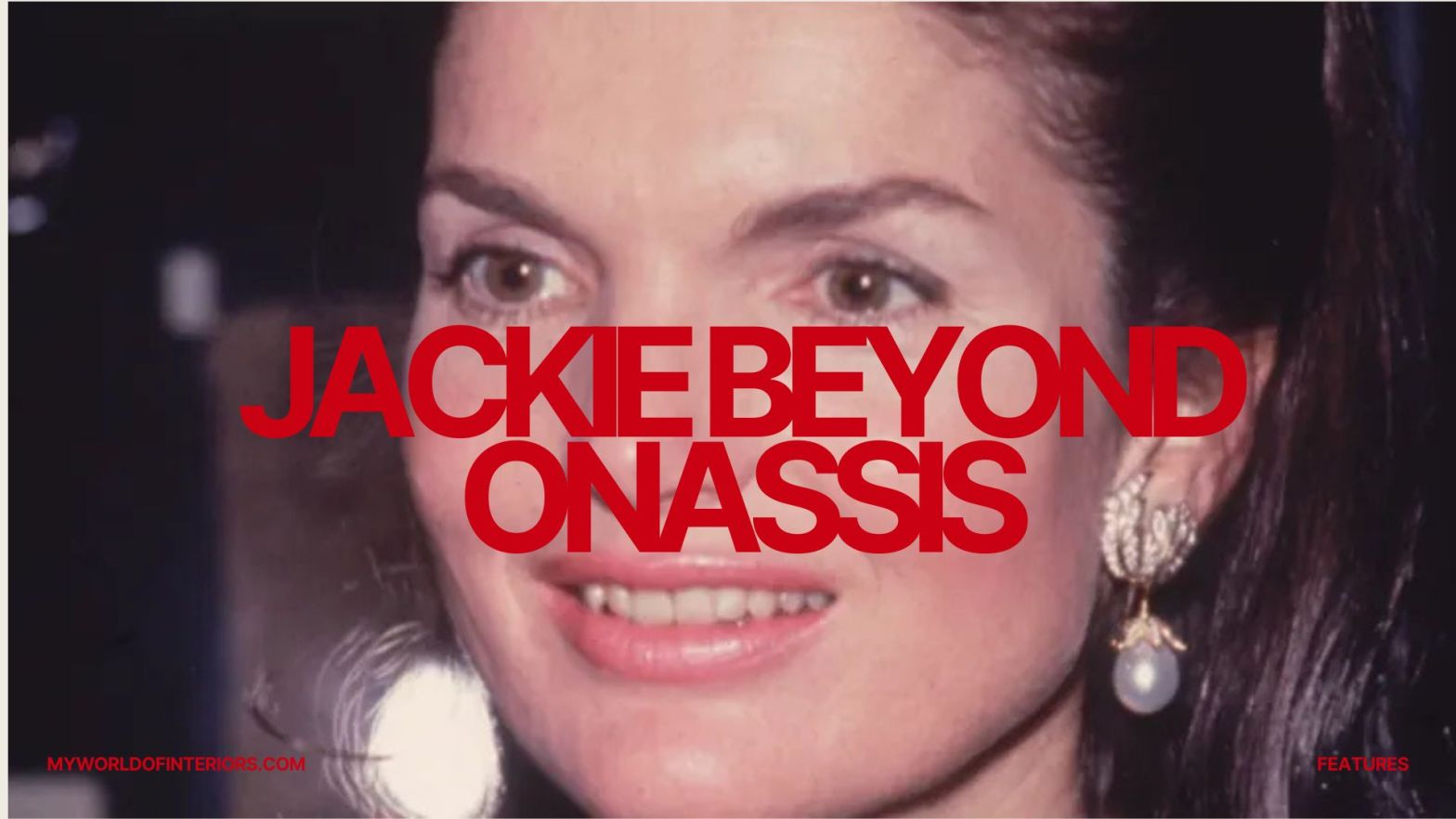
By the time Jacqueline Kennedy married Aristotle Onassis in 1968, she had already lived a lifetime of spectacle: debutante, First Lady, national widow. To some, her second marriage was betrayal — a retreat from Camelot into vulgar opulence. To others, it was pragmatic, even necessary: the most famous woman in the world seeking privacy and protection. But the truth, as always with Jackie, was more complex. The Onassis years and her subsequent reinvention as a book editor reveal not only her hunger for security but also her determination to shape her own life after decades of being defined by others.
The Onassis Years: Flight from the Spotlight
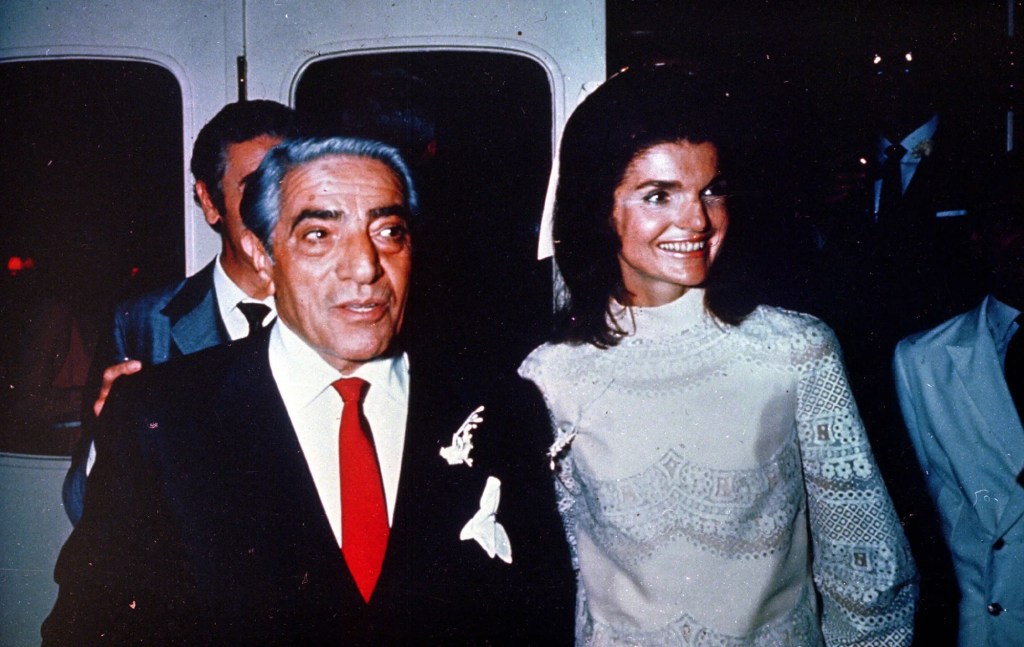
Jackie’s marriage to Aristotle Onassis shocked Americans. Here was the widow of a martyred president marrying a Greek shipping magnate twice her age, a man infamous for his wealth, flamboyance, and affairs. The wedding on Skorpios, Onassis’s private island, drew international outrage and fascination. To many, she was no longer the sainted widow in black veils but “Jackie O,” a tabloid target.
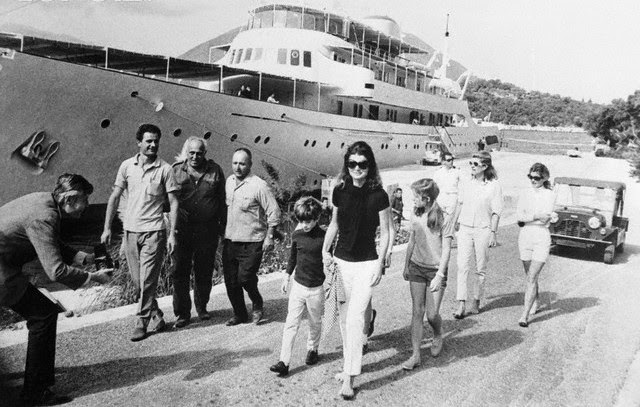
But context matters. In the five years since JFK’s assassination, Jackie had endured relentless scrutiny and lingering fears of violence. Robert F. Kennedy, her brother-in-law and a source of solace, was assassinated in 1968. For Jackie, safety for herself and her children was paramount. With Onassis came yachts, jets, and bodyguards — a cocoon against the world’s hunger for her image.
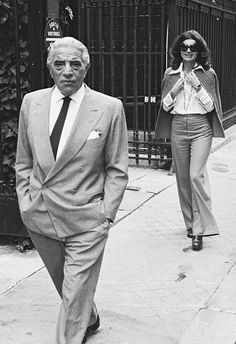
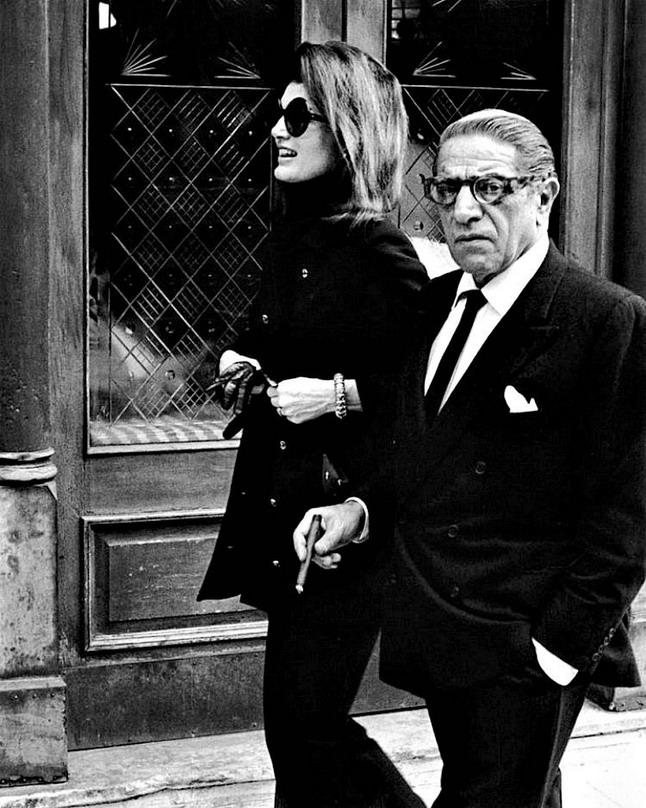
The marriage was not idyllic. Onassis was domineering, and his relationship with opera singer Maria Callas remained an open wound. Yet for Jackie, the union offered space. She withdrew from the American stage, reinventing herself in European high society. She became less a grieving widow and more an enigmatic cosmopolitan, a woman glimpsed on yachts and in couture, at once visible and unreachable.
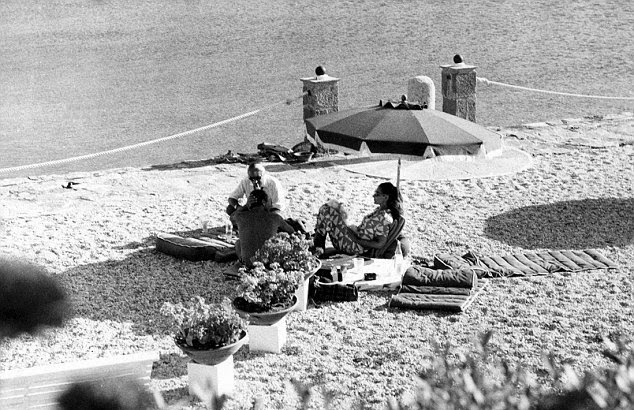
Return to New York
When Onassis died in 1975, Jackie was 46. For the first time in decades, she was neither debutante nor First Lady, neither widow nor wife. She returned to New York, where she would embark on her final — and perhaps most authentic — act of reinvention: Jackie the editor.
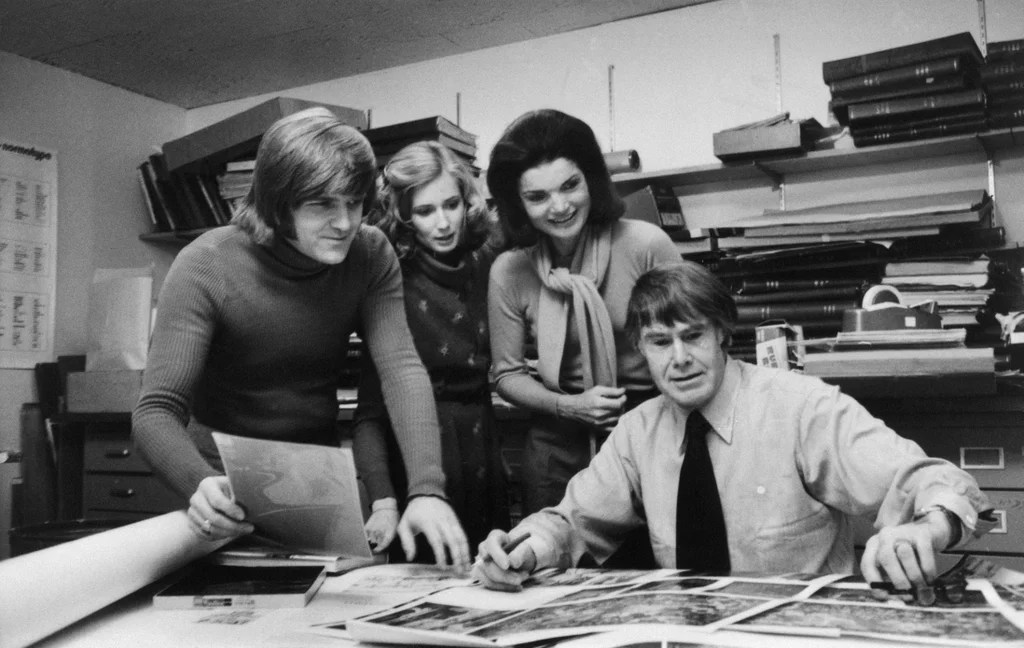
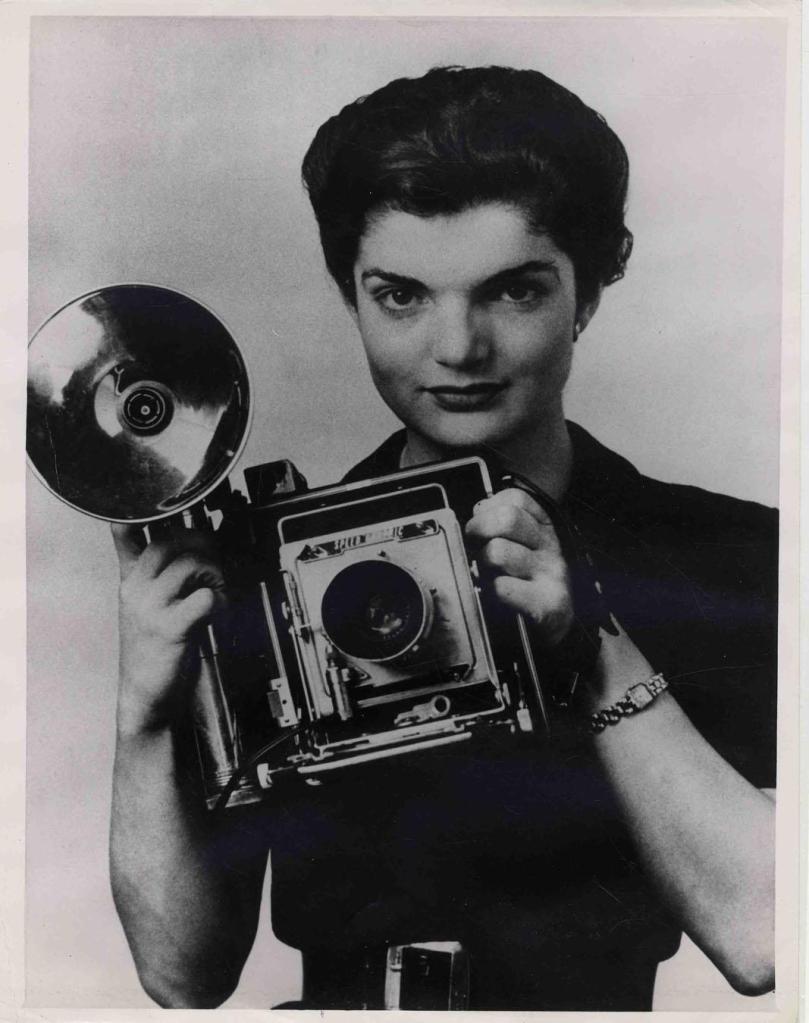
At Viking Press and later Doubleday, Jackie entered the publishing world with seriousness. Skeptics assumed her name was ornamental, that she was hired for cachet. But colleagues discovered a woman genuinely invested in the craft. She read manuscripts closely, wrote detailed notes, and championed authors.
She worked on titles ranging from Michael Jackson’s Moonwalk to works of history and art. One colleague recalled her as “a tough editor with impeccable taste.” The job grounded her. After years of being cast as symbol, she now shaped culture from behind the scenes, with the anonymity she craved.
A Private New Yorker
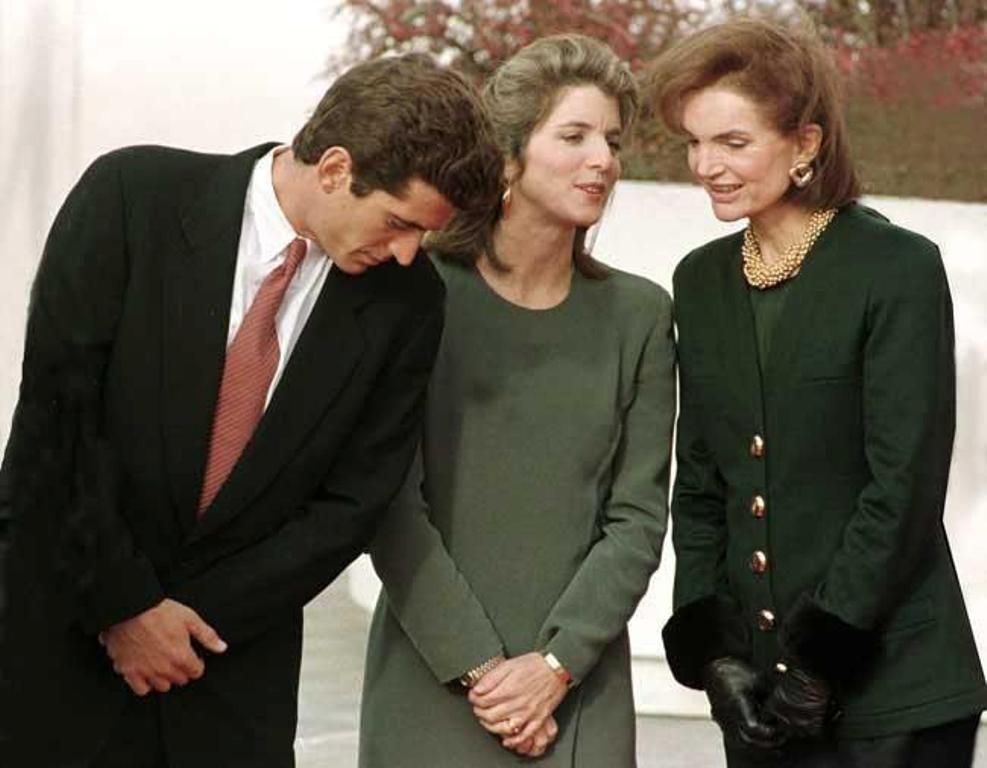
Jackie’s later years were marked by routine. She walked in Central Park, attended the ballet, lunched quietly with friends at Upper East Side restaurants. She remained fiercely protective of her privacy and of her children, Caroline and John Jr. Unlike many public figures, she resisted the lure of memoir or tell-all. She wanted her legacy to be curated, not exposed.
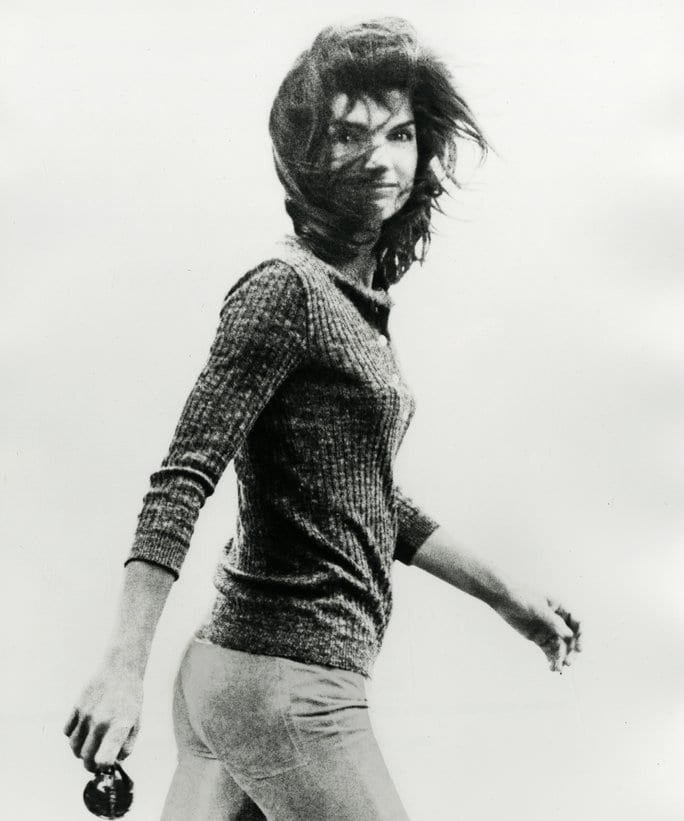
Yet even in relative seclusion, her aura endured. Paparazzi still followed her. Fashion magazines still analyzed her understated style: turtlenecks, sunglasses, discreet but elegant tailoring. She had moved beyond the roles imposed on her to become something rarer — a woman who chose her own invisibility.
Death and Afterlife
In 1994, Jackie was diagnosed with non-Hodgkin’s lymphoma. She died that May, at 64, surrounded by family. Her funeral drew presidents, celebrities, dignitaries — a gathering that testified to her unique position in American culture. Yet even her death was marked by understatement: she requested a simple burial beside JFK in Arlington.
Her afterlife has been one of enduring fascination. To some, she remains the grieving First Lady, frozen in black veils. To others, she is Jackie O, the cosmopolitan jet-setter. To others still, she is the editor, the New Yorker walking to work, the mother protecting her children. She left no memoir, no confessional — only carefully constructed fragments.
Sidebar: Jackie’s Editorial Legacy
- Viking Press (1975–77): Early apprenticeship, where she proved she was serious about publishing.
- Doubleday (1978–94): Edited over 100 books, including history, art, and literature.
- Reputation: Known for discretion, taste, and surprising rigor — “She was no figurehead,” colleagues noted.
- Symbolism: Her editorial career allowed her to reassert control of her narrative — this time without cameras.
The Final Reinvention
Jackie Bouvier Kennedy Onassis lived more than one life. She was debutante, First Lady, widow, jet-setter, editor. Each reinvention was a survival strategy, but also a creative act. Her greatest art was her life itself: a performance of elegance, secrecy, and control.
To remember her only as a First Lady is to miss the fullness of her arc. Jackie was not merely the wife of powerful men but a woman who navigated history with her own intelligence and cunning. In her final years, editing manuscripts in a quiet Manhattan office, she may have come closest to the independence she once imagined in her youth.
Behind the carefully crafted image lay a restless, ambitious, fiercely private woman who understood — perhaps better than anyone of her century — that in a world of spectacle, the power to shape your own narrative is the ultimate form of control.
 My World of Interiors