
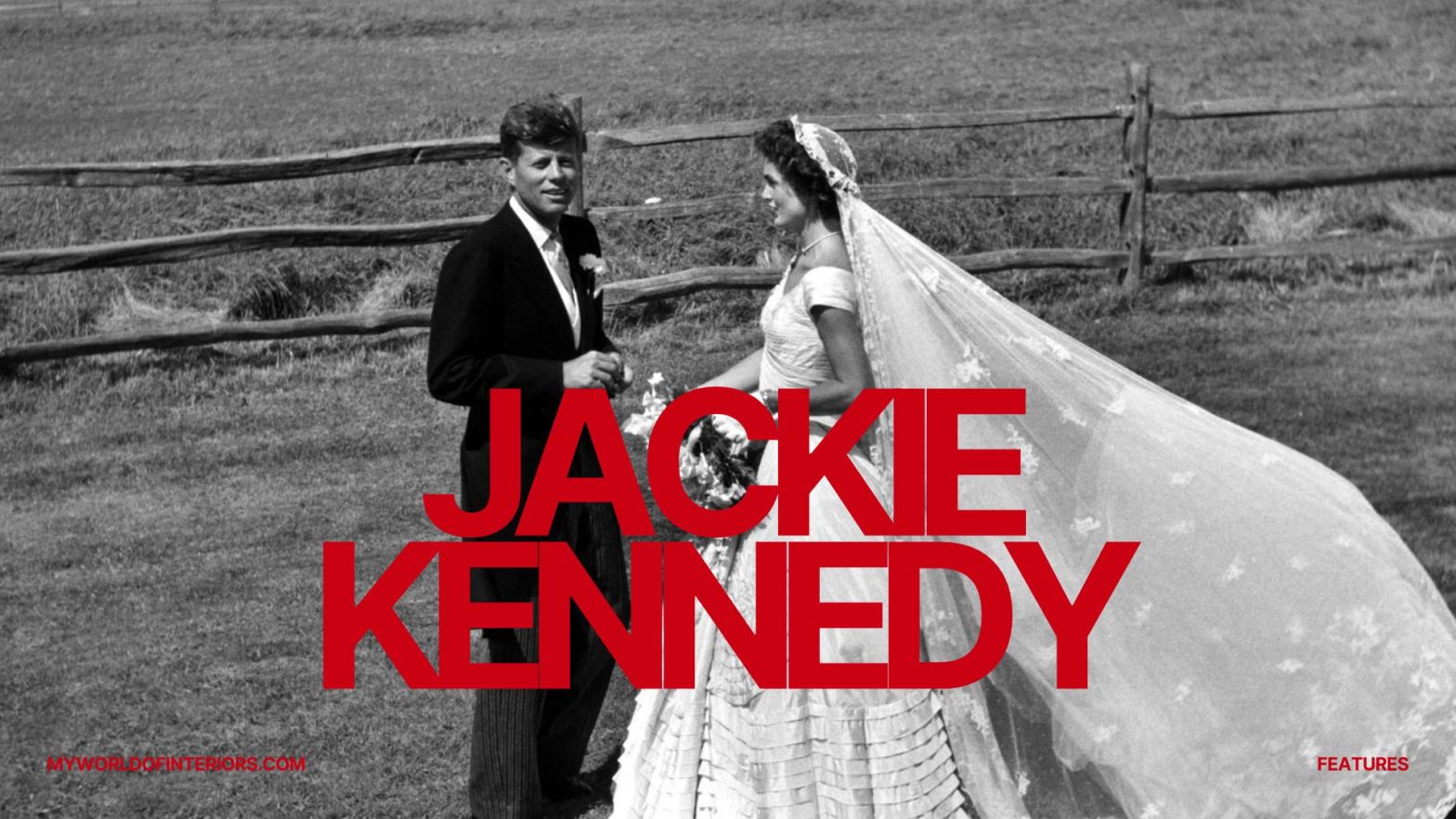
When Jacqueline Bouvier Kennedy stepped into the White House in January 1961, she was just 31 years old — the third youngest First Lady in American history. What followed during her thousand days as First Lady was not simply an exercise in style but a masterclass in image-making, cultural stewardship, and symbolic politics. To revisit her tenure is to see how Jackie transformed the role from ceremonial support into a stage for history, fashion, and myth.
Marriage as Politics
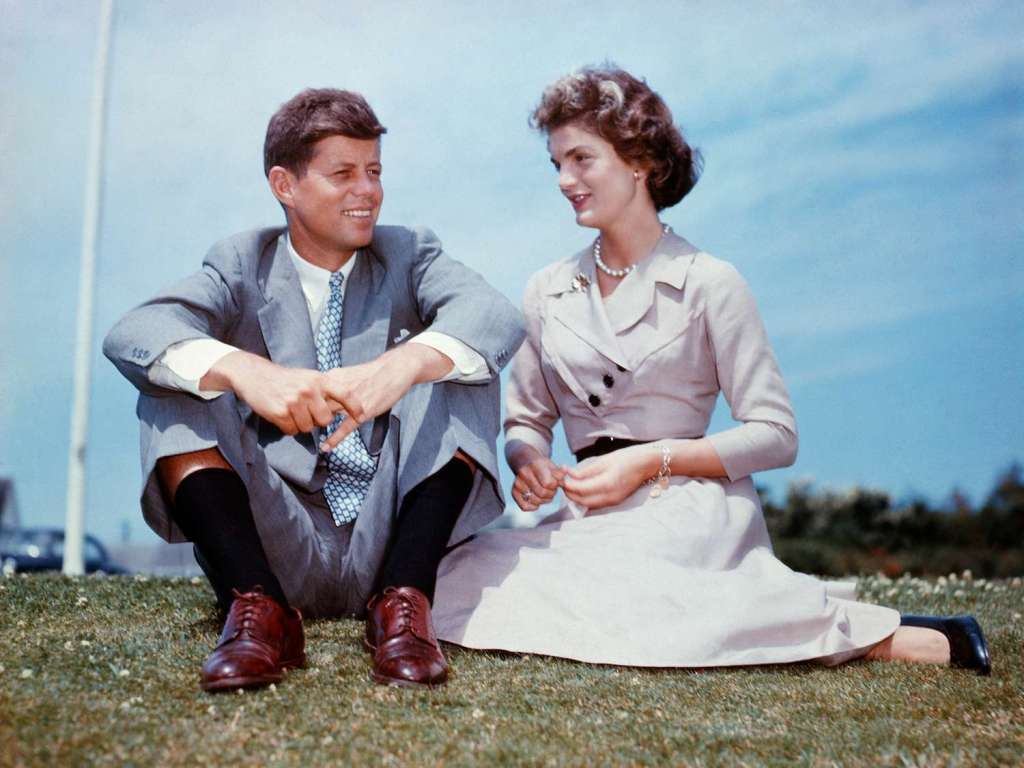
Jackie’s 1953 wedding to John F. Kennedy was itself a national spectacle. Photographed by Life magazine, the Newport ceremony was styled as an American fairy tale: the young senator with presidential ambition, the luminous debutante with cosmopolitan charm. Jackie entered not only a marriage but a political dynasty in the making.
Her role was never passive. While JFK’s health and political ambitions absorbed him, Jackie managed the optics. She honed her whispery voice to appear softer in public speeches. She understood how clothes could act as silent ambassadors. Her marriage was a political contract as much as a personal union — and she played her part with precision.
Curating Camelot
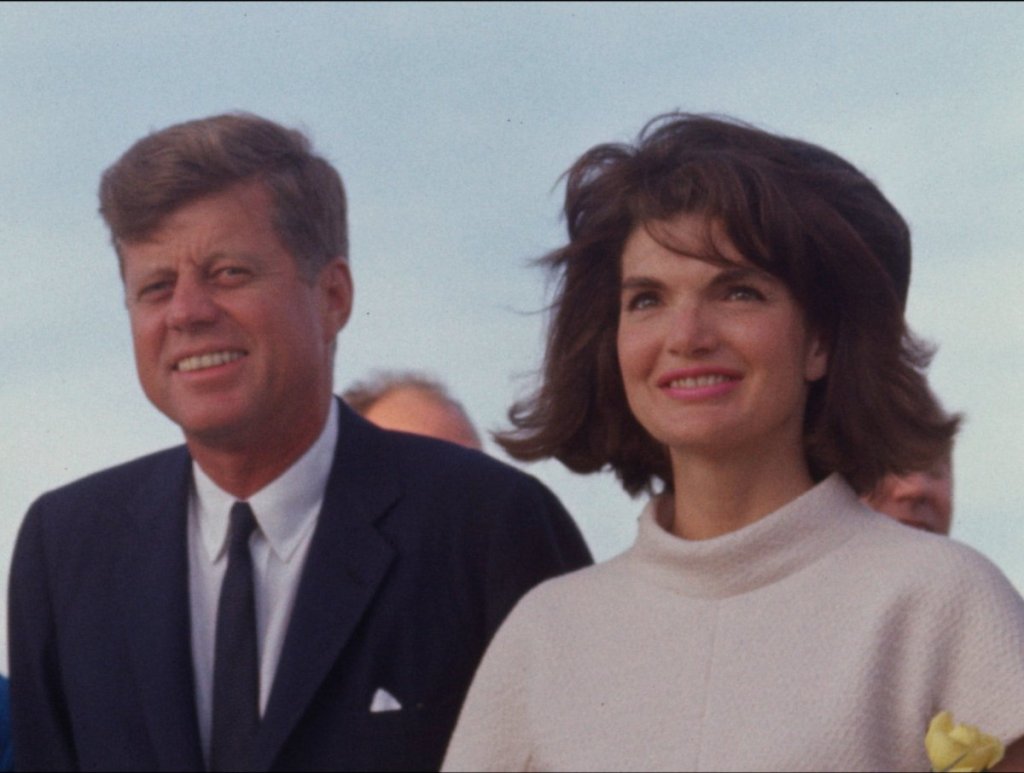
Once in the White House, Jackie launched the project that would define her First Ladyship: the restoration of the executive mansion. Far from mere redecorating, this was cultural diplomacy. Jackie treated the White House as a museum of American history, commissioning research into its furnishings, retrieving antiques, and ensuring historical accuracy.
In 1962, she invited the American public in with a televised tour that reached an audience of 56 million. Soft-spoken and elegant, she guided viewers through rooms now restored with period authenticity, positioning herself as a custodian of heritage. It was a performance of national memory. The White House, under Jackie, became a symbol of continuity, culture, and prestige — elevating America’s image abroad and at home.
The Diplomacy of Fashion
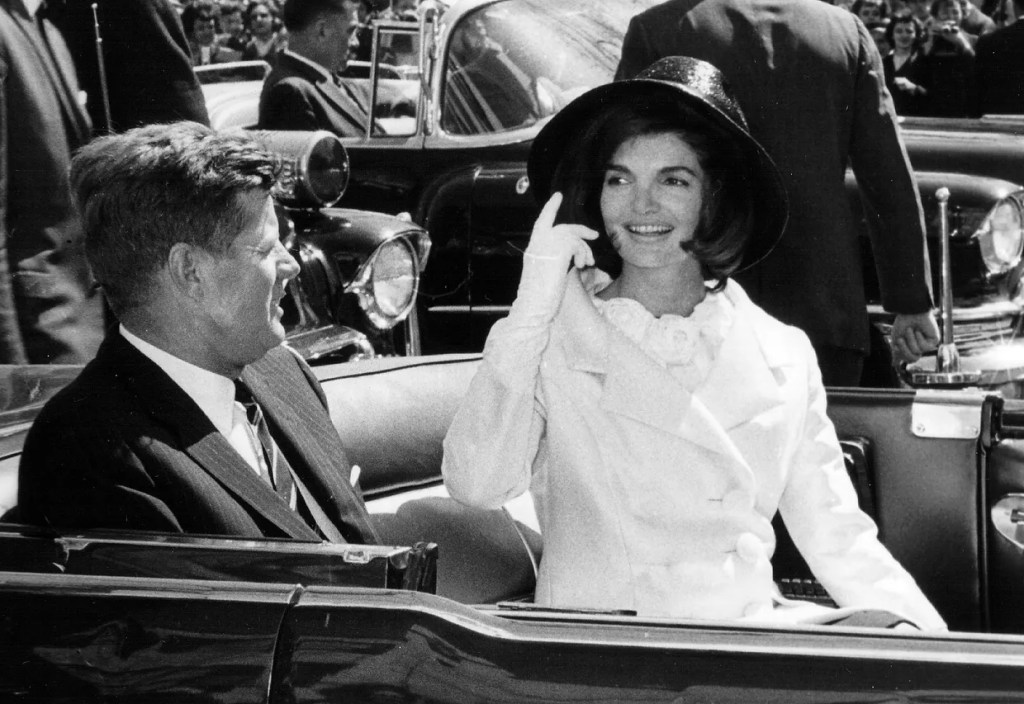
Jackie’s wardrobe — often designed by Oleg Cassini — became an extension of foreign policy. Sleek suits, pillbox hats, and sleeveless sheaths projected modernity without extravagance. On state visits, her gowns nodded to local traditions. She understood instinctively that fashion communicated power, sophistication, and respect.
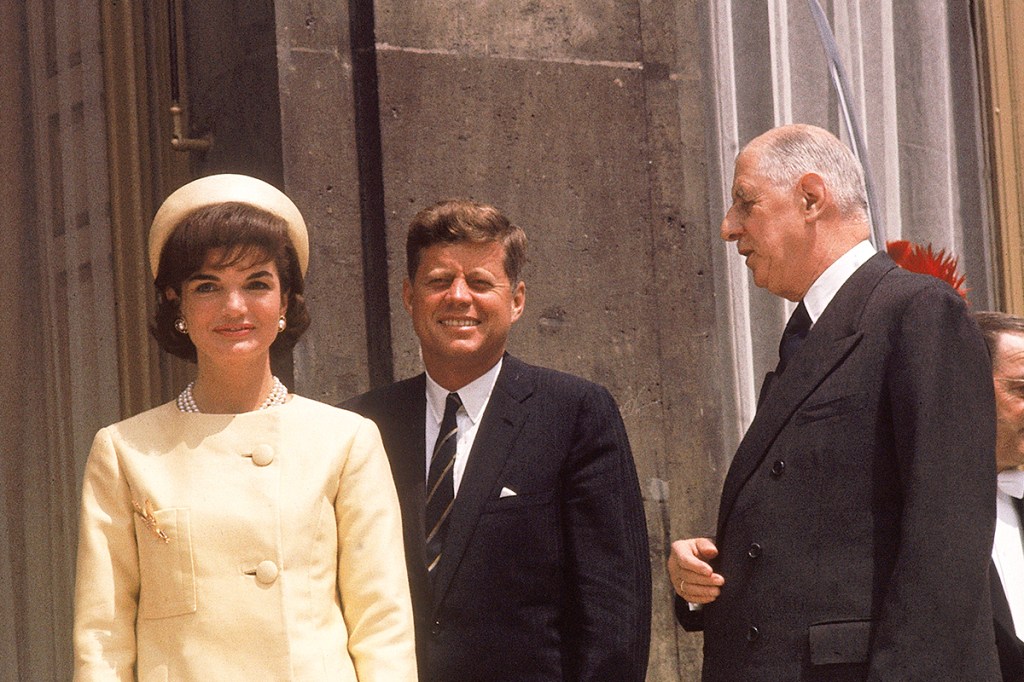
The Kennedys’ 1961 visit to Paris showcased this acumen. Jackie, fluent in French and already admired for her European poise, captivated the French public. President Charles de Gaulle called her America’s greatest ambassador. Even JFK joked, “I am the man who accompanied Jacqueline Kennedy to Paris.” The remark, half in jest, underscored her magnetism — she could eclipse even the president.
Tragedy and the Pink Suit
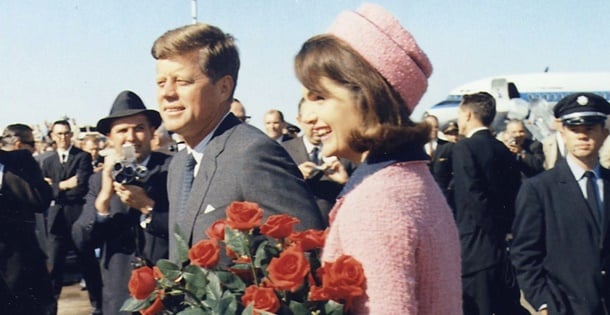
The defining image of Jackie’s First Ladyship came not in triumph but in tragedy. On November 22, 1963, in Dallas, she sat beside her husband in the motorcade when he was assassinated. The bloodstained pink Chanel suit she wore became one of the most indelible symbols of American history. Jackie refused to remove it when she boarded Air Force One, telling aides, “I want them to see what they have done to Jack.”
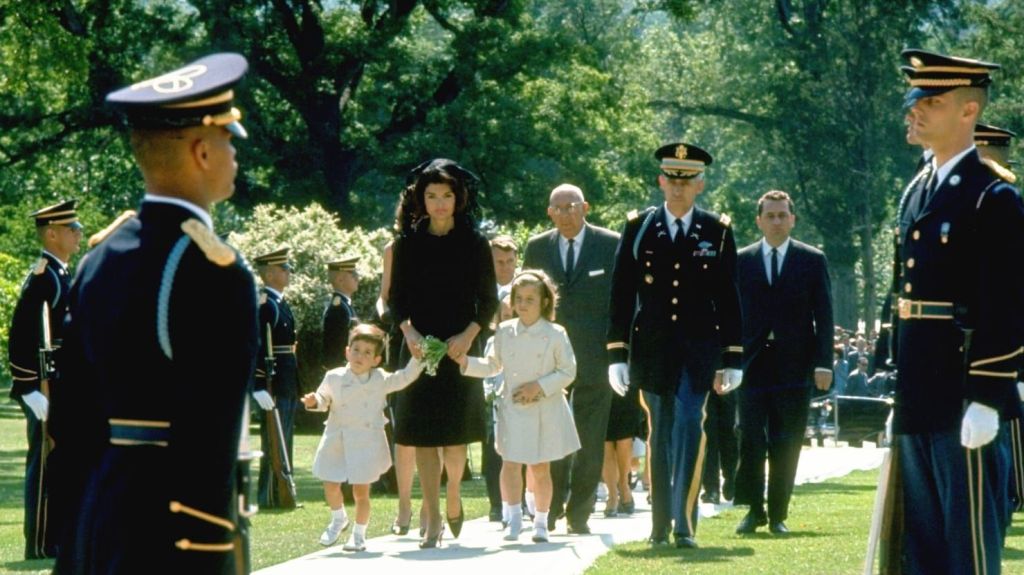
In that moment, Jackie transformed from style icon to national mourner. Her composure at JFK’s funeral, walking in procession with her young children, became seared into collective memory. She embodied dignity in grief, offering a shattered nation a model of stoicism.
Inventing Camelot
In the weeks after the assassination, Jackie shaped her husband’s memory — and her own. In an interview with journalist Theodore White, she likened JFK’s presidency to Camelot, quoting the Broadway musical they both loved: “Don’t let it be forgot, that once there was a spot, for one brief shining moment that was known as Camelot.”
The metaphor stuck. Camelot became the mythic frame through which Americans remembered the Kennedy years. It was Jackie’s greatest act of image-making: turning political tragedy into cultural legend.
Jackie’s White House Legacy
- White House Restoration: Recovered historical furnishings and created a permanent curatorial post.
- Televised Tour, 1962: A landmark broadcast that recast the White House as a national museum.
- Global Ambassador: On trips to India, France, and Latin America, Jackie dazzled foreign leaders and publics alike.
- Camelot Myth: Coined in the aftermath of JFK’s assassination, shaping how history remembered the Kennedy era.
The First Lady as Icon
Jackie Kennedy redefined the role of First Lady. She was not Eleanor Roosevelt, who used the office for social reform, nor Mamie Eisenhower, who embodied domestic accessibility. Jackie was something new: a curator, a stylist, a diplomat of culture. She expanded the realm of soft power, proving that symbolism could rival policy in shaping perception.
Yet this came at a personal cost. Her privacy evaporated, her marriage was strained by JFK’s serial infidelities, and her role required perpetual performance. Still, she maintained composure, guarding the mystique that made her untouchable.
The Birth of a Legend
By the time she left the White House, Jackie Kennedy was no longer simply a First Lady. She was a symbol, a legend in motion. Her short tenure had produced images that would endure for decades: the pink suit, the White House tour, the funeral procession, the whispered Camelot.
But the price of that legend was heavy. In public, she was serene; in private, she carried grief and disillusionment. The woman who had once dreamed of independence as a writer had become the custodian of an American myth.
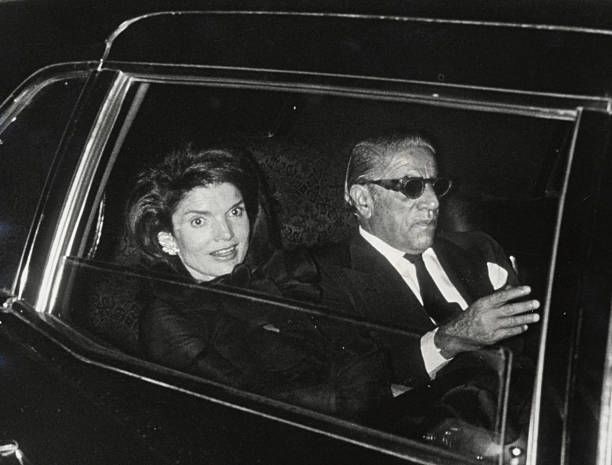
Her story did not end with Dallas, however. The next act — her marriage to Aristotle Onassis and her reinvention as a New York editor — would reveal yet another side of her restless, elusive genius.
 My World of Interiors