
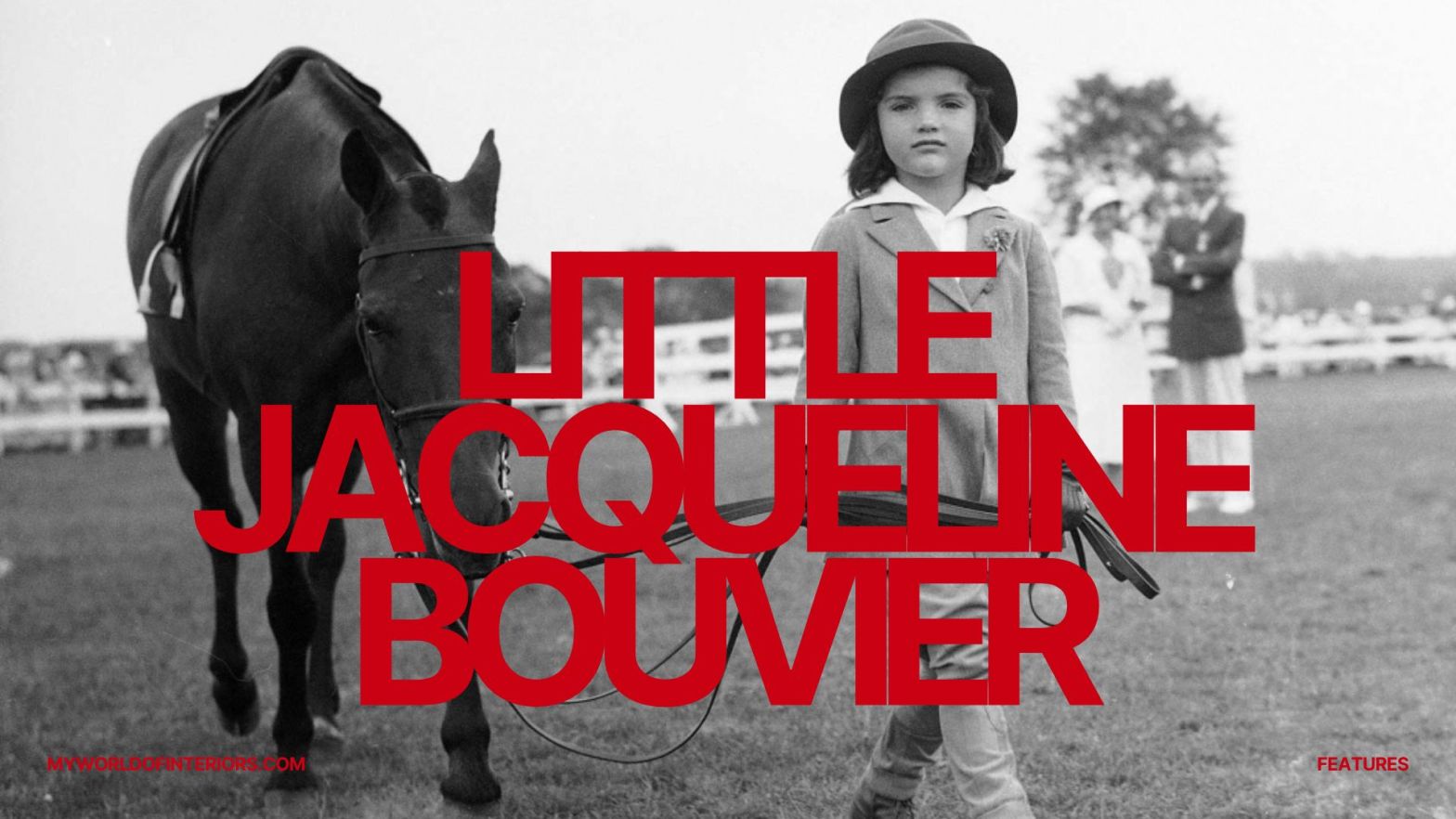
Before she became a First Lady, before she was an Onassis, before she was a global icon of style and composure, Jacqueline Bouvier was a child of fractured privilege. To revisit her as a debutante is to encounter the formative layers of her myth: a young woman of contradictions — poised yet restless, decorative yet ambitious, shaped by the expectations of her milieu but already plotting ways to transcend them.
A Childhood of Charm and Fracture
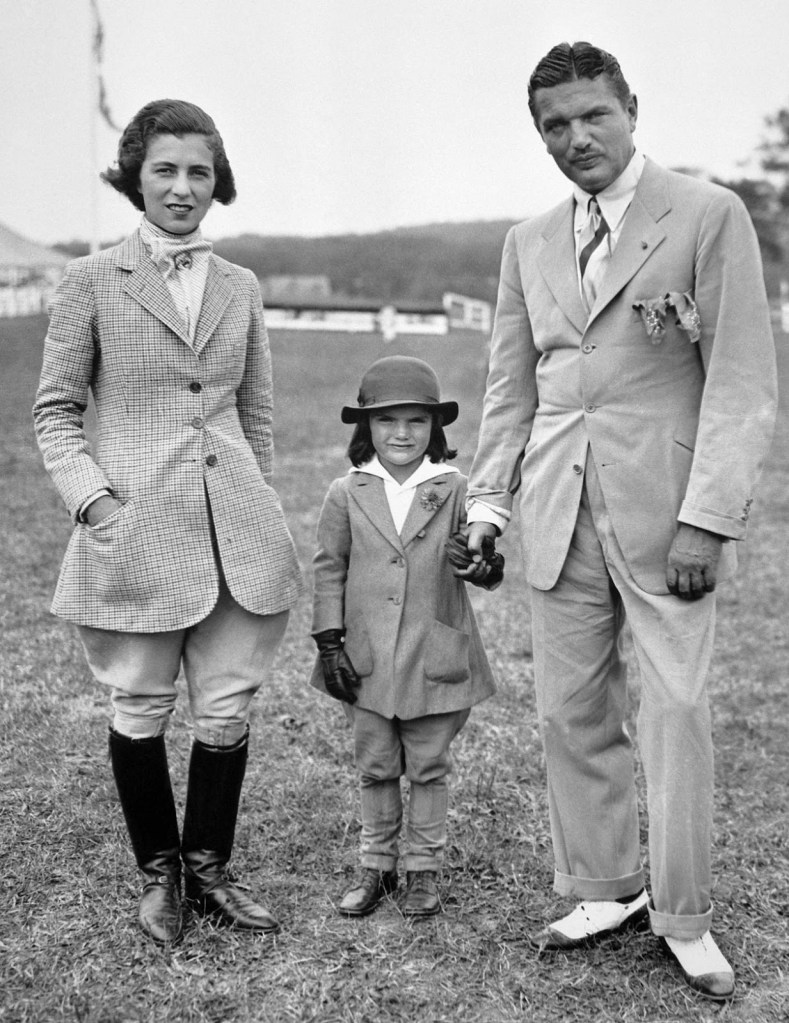
Jacqueline Lee Bouvier was born in Southampton in 1929 to John Vernou “Black Jack” Bouvier III and Janet Norton Lee. From the beginning, hers was a world of pedigree and instability. Black Jack, with his dazzling looks and raffish charm, embodied the glamour and decadence of Wall Street’s roaring years. Janet, socially ambitious and rigid, sought to project an image of order and refinement.
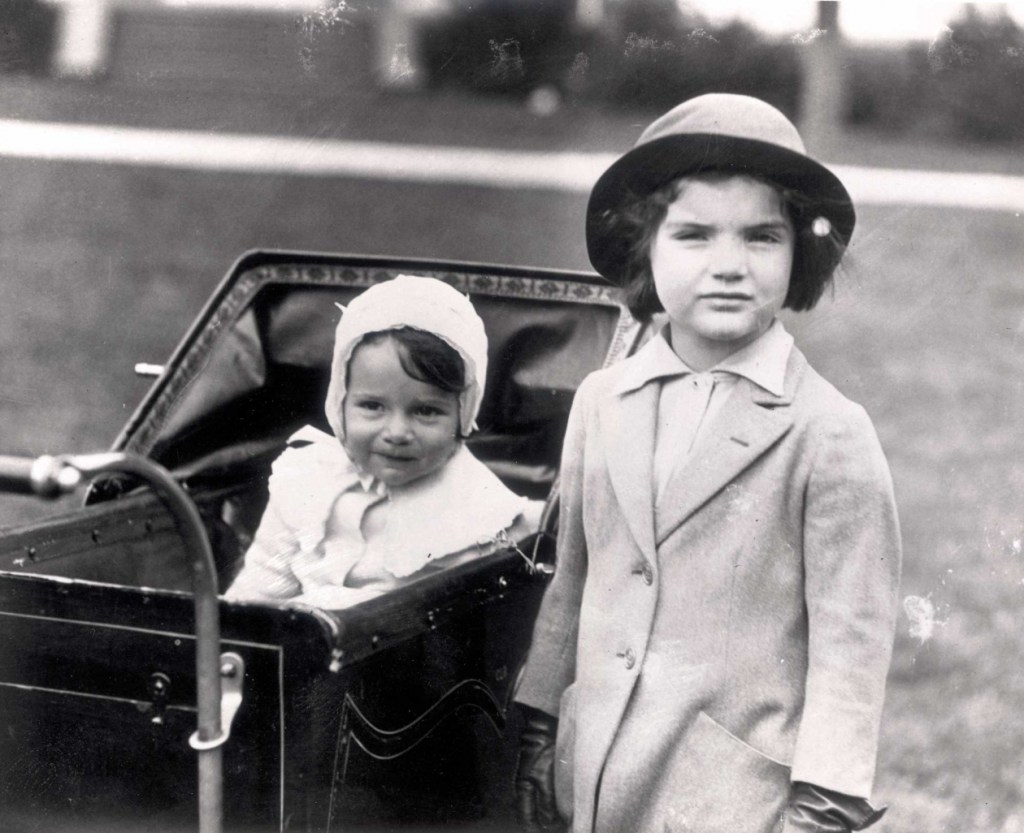
Jackie inherited her father’s striking looks — the dark eyes, the sculpted cheekbones — but also his restlessness. When her parents’ marriage collapsed in the 1930s, she and her sister, Lee, became shuttled children of divorce, moving between households and sensibilities. This early fracture left its mark. Jackie would always prize control, secrecy, and the art of appearances — survival strategies learned when the home front proved unstable.
The Education of a Young Lady
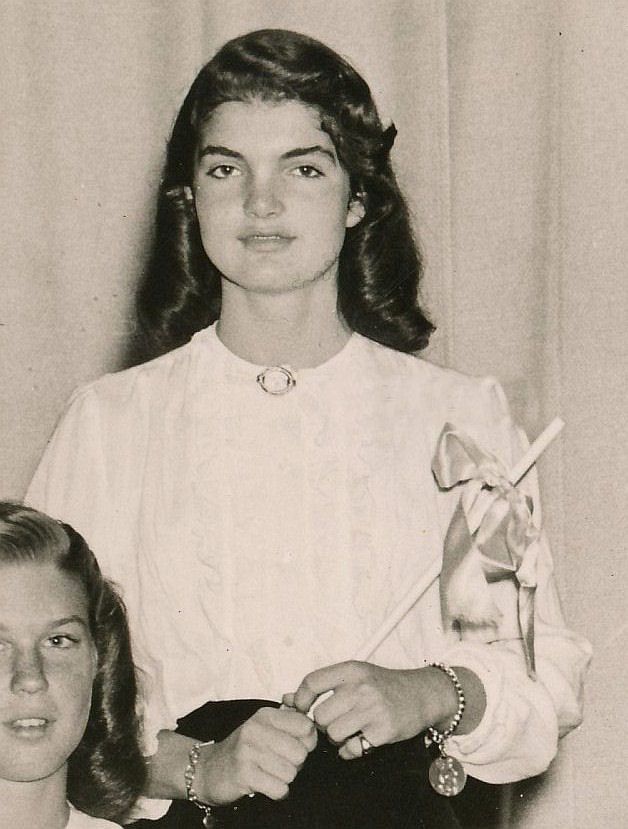
The Bouvier girls were raised within the orbit of East Coast high society. Jackie was sent to Miss Porter’s School in Farmington, Connecticut, a finishing school for the well-bred daughters of America’s elite. There she perfected the social graces: French, riding, art, literature. Teachers remarked on her wit and her detachment; classmates remembered her as both aloof and dazzling.
At Vassar, she absorbed liberal arts training before spending her junior year in Paris, where the city electrified her. The Sorbonne gave her a cosmopolitan sheen, but more importantly, France gave her cultural ambition. She fell in love with European art and history, and she wrote dispatches home that already bore the polished observational style of a reporter.
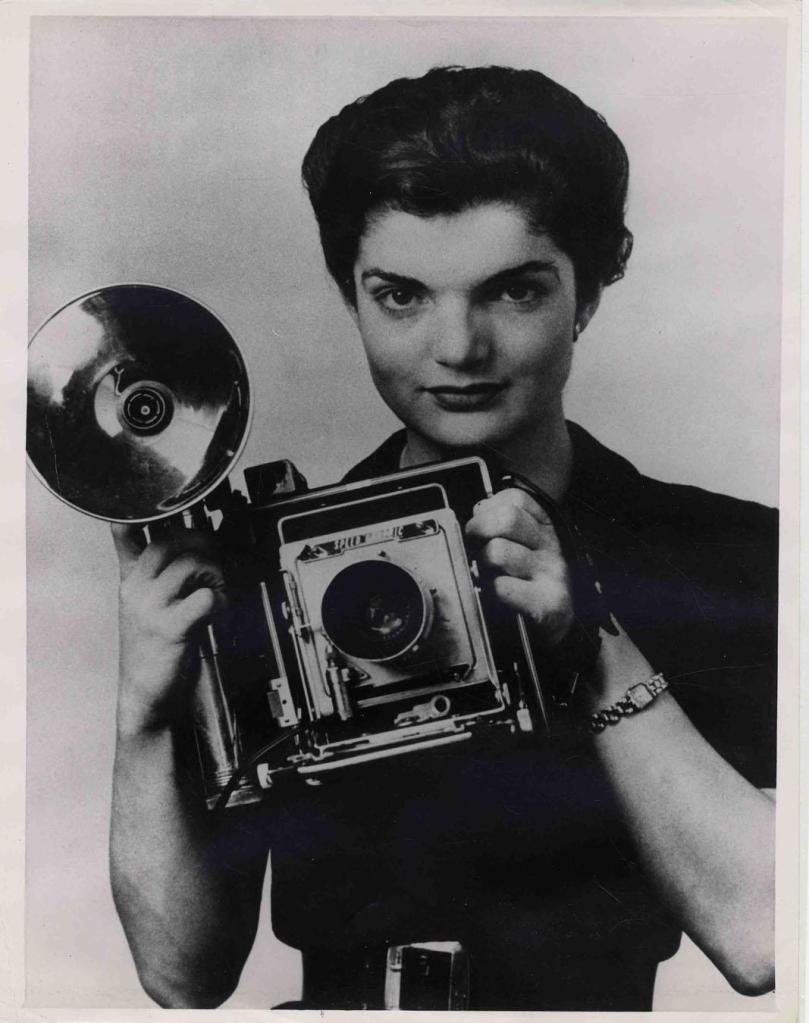
After transferring to George Washington University to finish her degree in French literature, Jackie set her sights not on marriage but on journalism. She worked briefly as the “Inquiring Camera Girl” for the Washington Times-Herald, roaming the streets of Washington with a camera and a notebook, asking passersby whimsical questions. It was, on the surface, a fluffy assignment, but it gave her an early education in public performance and the mechanics of image-making.
The Prix de Paris and the Dream of Independence
In 1951, Jackie entered Vogue’s prestigious “Prix de Paris” essay contest. Contestants were asked to imagine a year abroad, outlining the places they would visit and what they would do. Jackie’s submission was striking in its sophistication. She envisioned a cosmopolitan itinerary of writing, painting, and exploration, filled with encounters with artists and intellectuals.
She won. Vogue offered her a year-long apprenticeship in Paris, a chance to live the independent, cultured life she imagined. But her mother, wary of impropriety, pressured her to decline. Jackie reluctantly acquiesced, but the episode reveals much about her inner life. Even then, she wanted something beyond debutante dances and society marriages. She wanted to be an observer, a writer, a woman in command of her own story.
The Debutante’s Stage
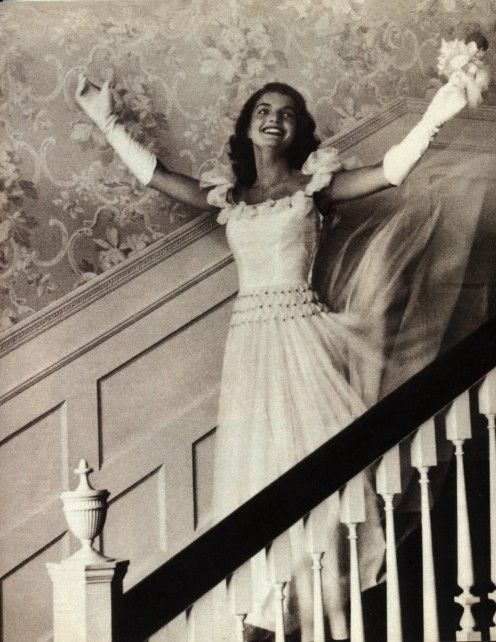
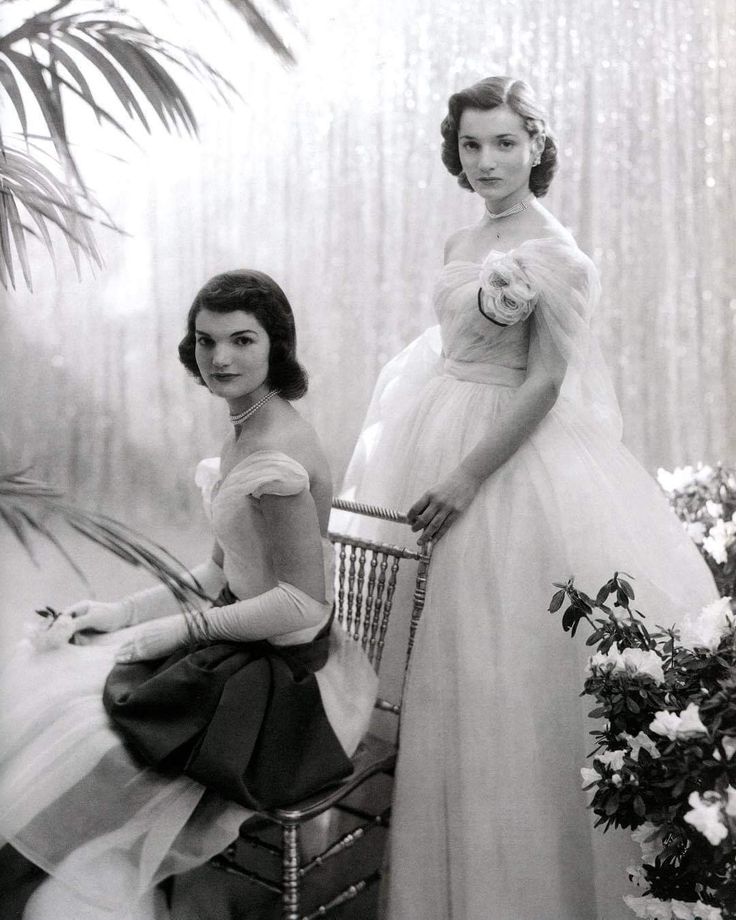
In December 1947, Jackie was presented as a debutante at the Waldorf Astoria. In her white gown and gloves, she entered the ritual that had defined generations of privileged young women. Photographs from the event show her luminous, poised, seemingly every inch the Bouvier princess. Yet Jackie herself often bristled at the artificiality of society life.
She had the wit to mock its absurdities — once quipping about her fellow debs, “I just think they’re a bit unreal.” For Jackie, the debutante world was both cage and stage. She would use its networks, its polish, its visibility, but she would also quietly rebel against its limitations.
A Restless Observer
Even in these early years, Jackie was more than ornamental. She read voraciously — Edith Wharton, Proust, the great French novelists. She sketched compulsively, her notebooks filled with sharp caricatures of professors, friends, and strangers. She developed a love of horseback riding, where she displayed not just elegance but daring.
Those who knew her in her twenties recall a woman who was dazzlingly beautiful yet curiously elusive. She listened more than she spoke, observed more than she revealed. This quality — that air of mystery — would later become central to her allure as First Lady. But it was forged early, in the crucible of a young woman learning to navigate privilege and its traps.
Jackie Before Jackie
- Childhood Nickname: “Jackie O” would come decades later; as a girl she was known simply as “Jackie” — shy, dark-eyed, watchful.
- Paris, 1949: Studied at the Sorbonne, where she cultivated her lifelong love of French culture.
- Prix de Paris Essay, 1951: Imagined herself as a global writer — an ambition thwarted by family expectation.
- The Camera Girl, 1952: Roamed Washington with her camera, developing both her voice and her taste for shaping public images.
The Debutante Who Wanted More
Jackie Bouvier entered society as the archetypal debutante: beautiful, poised, fluent in French, seemingly destined for a life of privilege. But beneath the gowns and parties, she nurtured ambitions of independence and artistry. She dreamed of Paris, of books, of writing.
The world would soon know her as Jackie Kennedy, the First Lady who brought grace to the White House. But to understand her myth, we must begin here — with the young debutante who already understood that appearances mattered, and who quietly longed to turn the stage of society into something more than a cage.
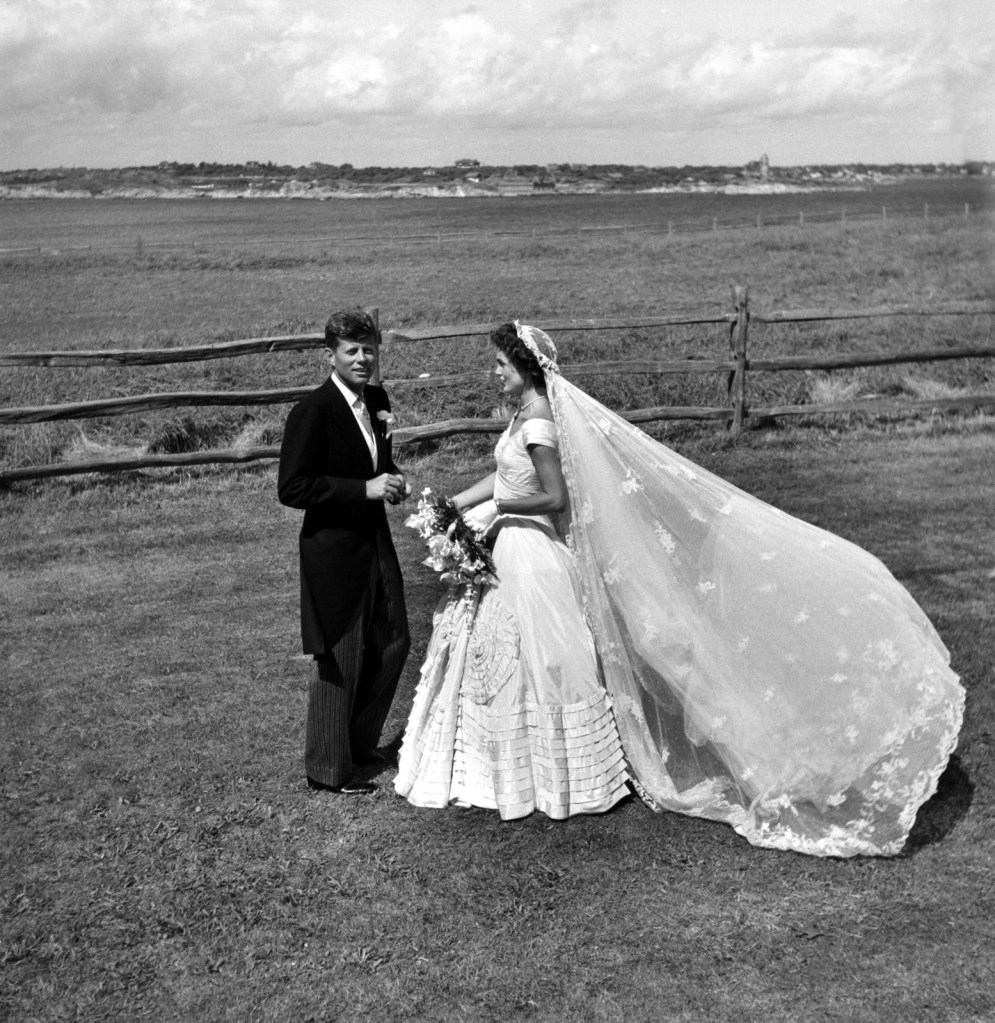
In the next act of her life, she would marry not only John F. Kennedy but the American imagination itself. But first, there was Jackie Bouvier: sharp-eyed, restless, and already curating the image that would endure.
 My World of Interiors