
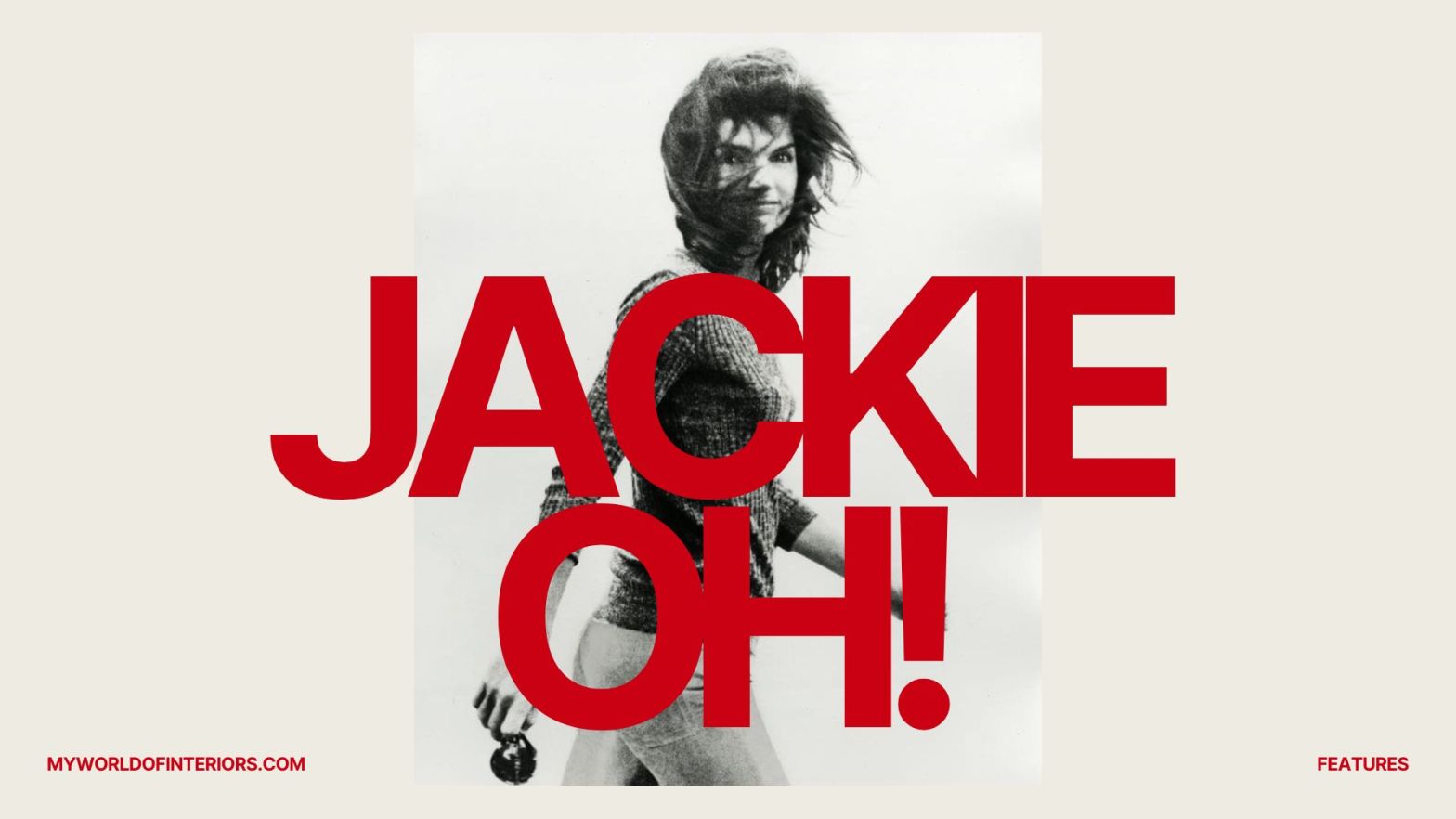
Few figures of the twentieth century were as instantly recognizable as Jacqueline Bouvier Kennedy Onassis. She became an icon of elegance, an emblem of Camelot, and later a symbol of cosmopolitan sophistication. Her pillbox hats, her whispery voice, her composure in moments of national tragedy — all combined to create one of the most carefully constructed public images of modern times. Yet behind that image lay a woman far more complex: ambitious, fiercely intelligent, private to the point of secrecy, and adept at using the very myths that surrounded her.
To ask who Jackie was beneath the surface is to confront the paradox of her legacy. She was both subject and author of her image, both prisoner and manipulator of fame.
The Making of a Debutante
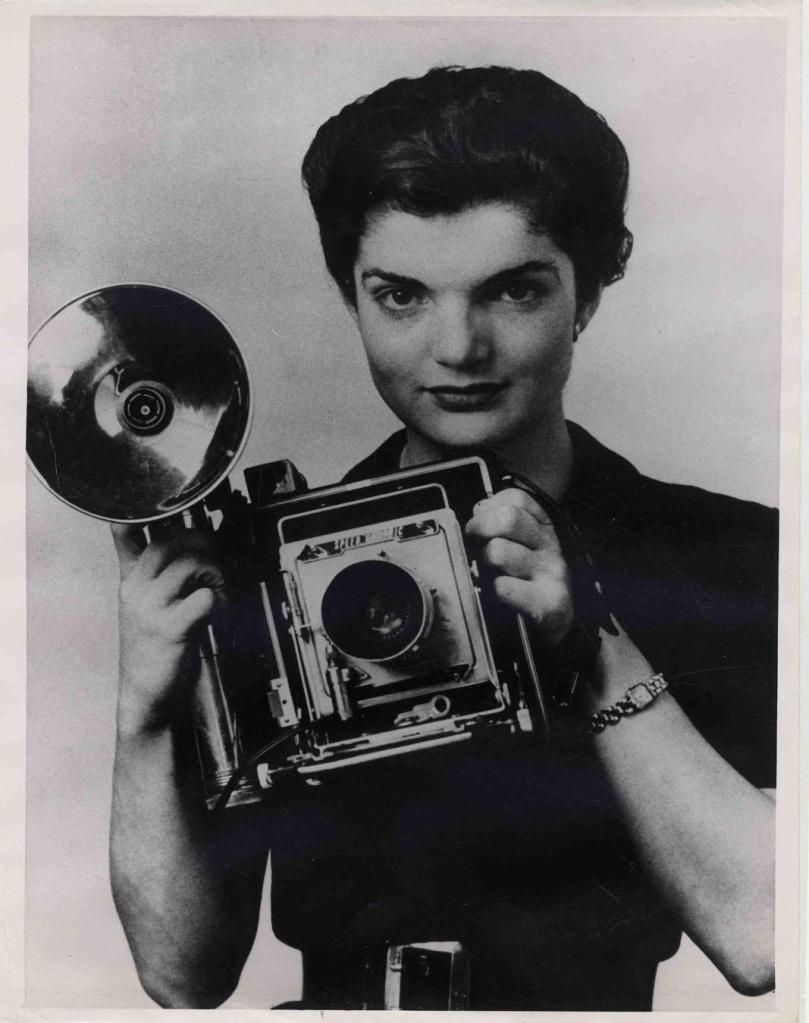
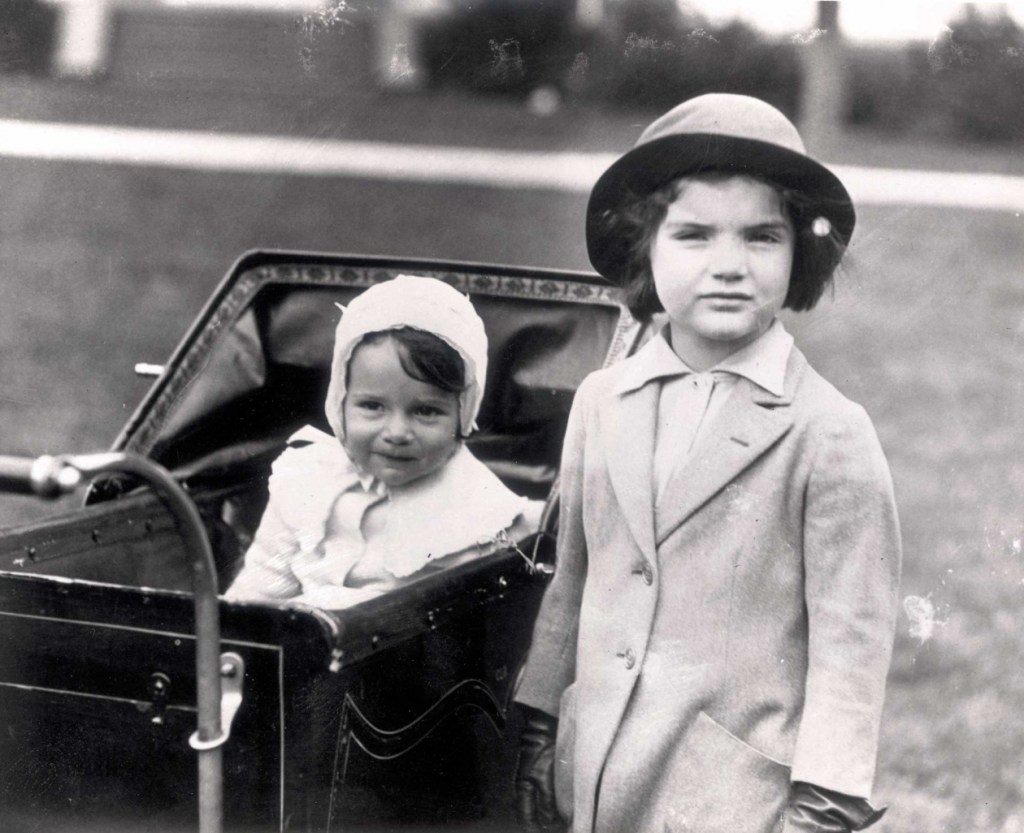
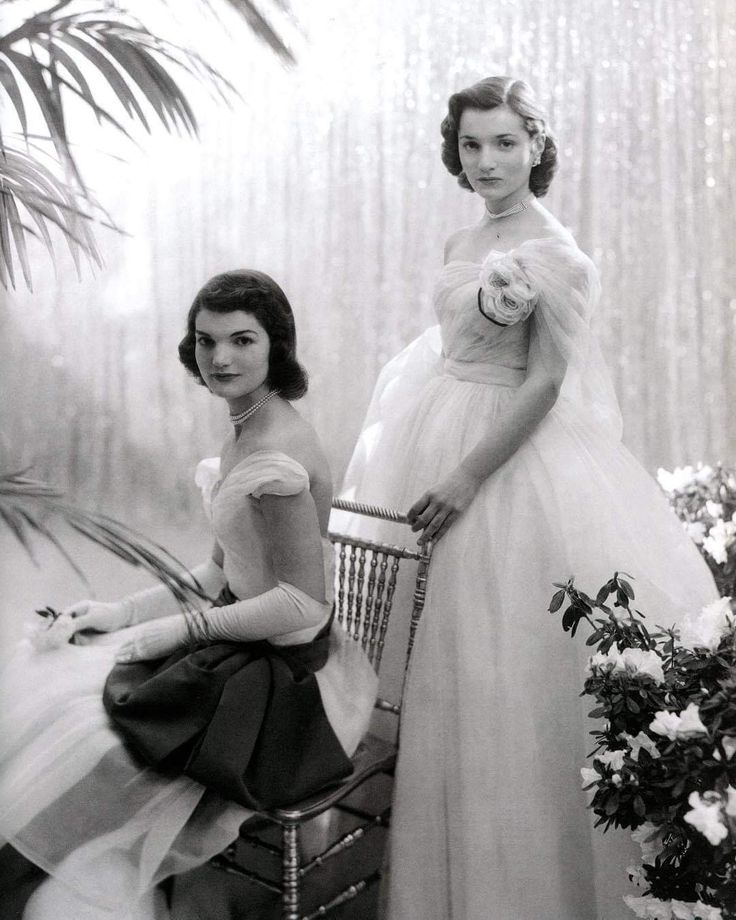
Born in 1929 to John Vernou “Black Jack” Bouvier, a charming but philandering stockbroker, and Janet Lee Bouvier, Jackie grew up in the rarified world of East Coast society. Her education — Miss Porter’s School, Vassar, the Sorbonne, and George Washington University — gave her polish, but also cosmopolitan breadth. She was fluent in French, deeply read, and trained in art history.
Early profiles cast her as the perfect debutante, but her own writings from the period reveal a sharp wit and restless curiosity. Winning Vogue’s “Prix de Paris” essay contest in 1951, she imagined a life of independence and international reporting — hardly the fate of a society girl. The seeds of her later reinventions were already present: a desire to observe, to curate, to control her own narrative.
The Kennedy Years: Crafting Camelot
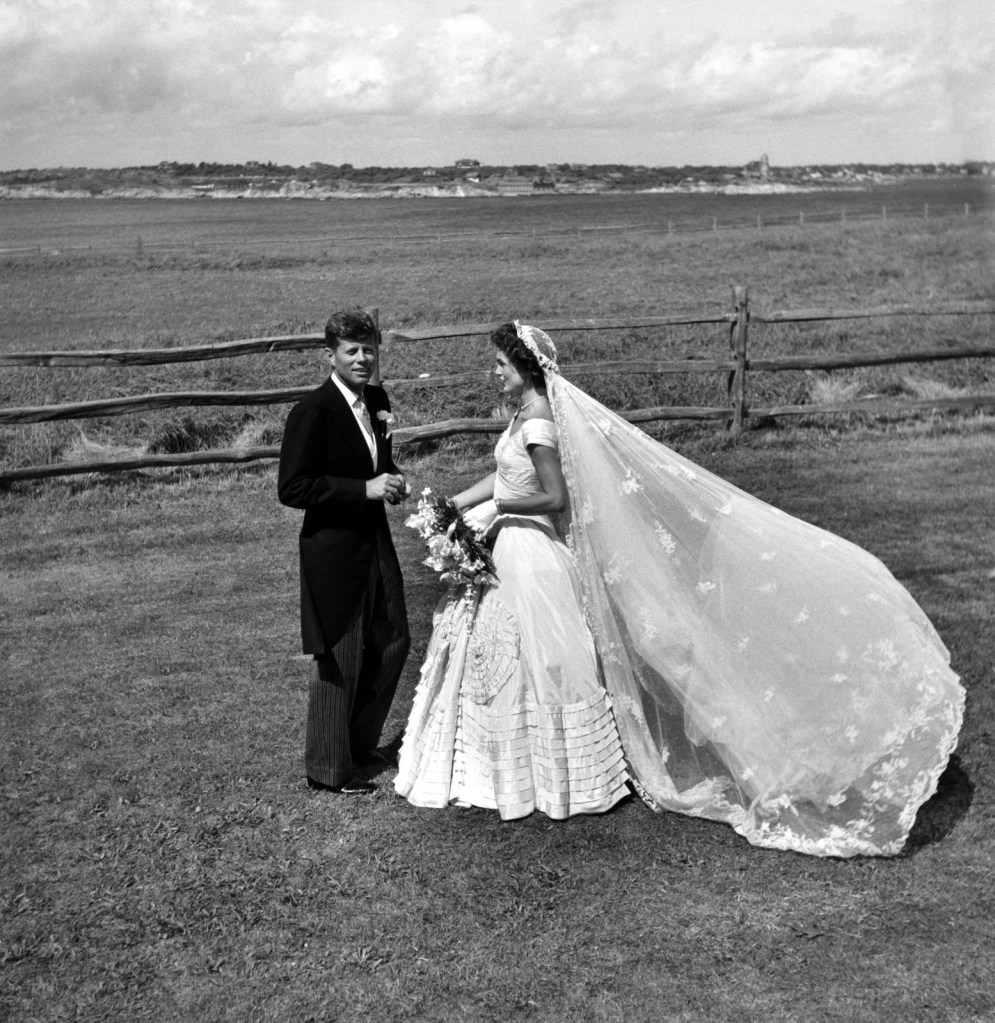
When Jackie married John F. Kennedy in 1953, she entered not only a marriage but a political project. She transformed the White House into a stage set for modern American royalty. The 1962 televised tour of the restored White House was a masterclass in image-making: Jackie as cultural curator, presenting herself as custodian of history rather than political wife.
Her fashion choices — often by Oleg Cassini — became diplomatic tools. Her silences became performances. She understood that in politics, optics could be more powerful than words, and she mastered the art of symbolism.
The assassination of JFK in 1963 fixed her image in amber: the young widow in a bloodstained pink Chanel suit, refusing to change before leaving Dallas. In that moment, she became the grieving heroine of a national tragedy — a role she neither sought nor could escape.
The Onassis Years: Pragmatism or Escape?
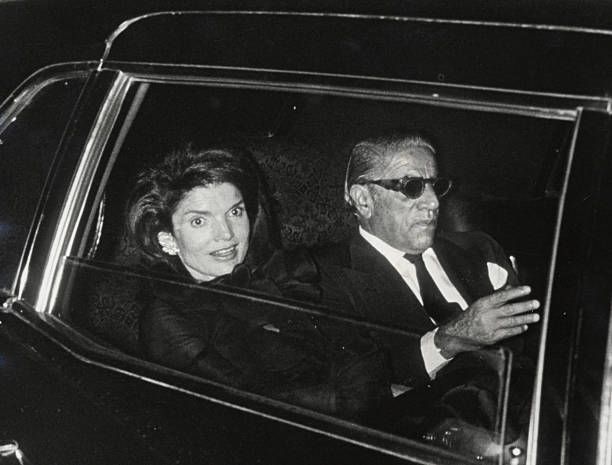
When Jackie married Aristotle Onassis in 1968, public opinion shifted. To many Americans, she had betrayed the sanctity of Camelot for money and protection. Yet the move can also be read as pragmatic. Hounded by paparazzi, raising two children, and living under constant threat after her husband’s assassination, Jackie sought security and distance.
The marriage was not romantic in the fairy-tale sense, but it afforded her freedom from America’s insatiable gaze. With Onassis, she became less of a sainted widow and more of a worldly European figure — a woman of yachts, private islands, and discretion. It was a reinvention as radical as it was strategic.
Reinvention as Editor
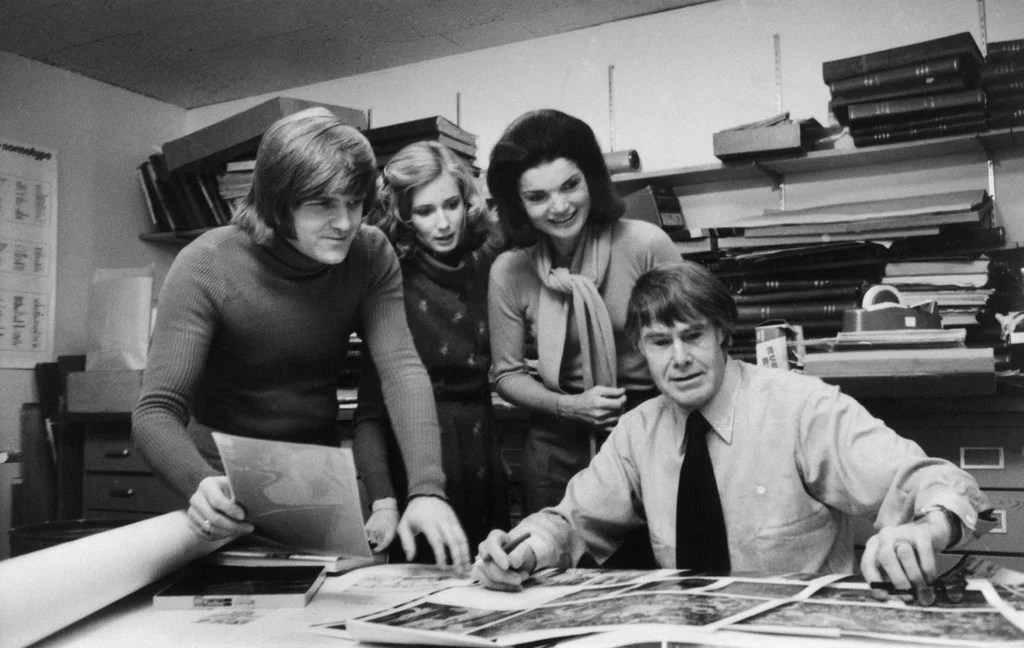
After Onassis’s death in 1975, Jackie reinvented herself yet again — this time as a book editor in New York. At Viking and later at Doubleday, she carved out a career that was more than ceremonial. She nurtured serious works of history, art, and literature, proving that her intellect and cultural discernment were not ornamental.
Friends recall her office stacked with manuscripts, her attention to detail, and her ability to shield authors while leveraging her influence. She was no mere celebrity mascot for publishing; she was a respected editor who outlived the myths by crafting a professional identity of her own.
The Woman Behind the Image
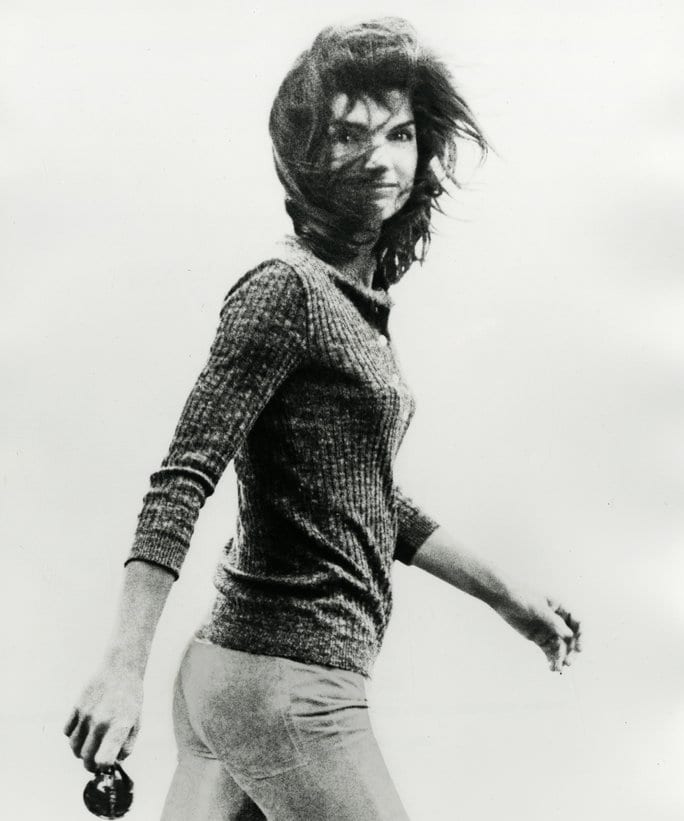
Jackie’s life can be read as a series of performances, but within them ran consistent themes. She was fiercely private, often enigmatic, yet her choices reveal clear strategies: to control narrative, to seek protection, to curate history, and to command space in a male-dominated world.
She was not simply an accessory to powerful men but a woman who navigated power on her own terms. She was a connoisseur of art and literature, a mother protective of her children, and a figure who understood — better than perhaps anyone of her era — the machinery of image-making.
Jackie in Her Own Words
- “I want to live my life, not record it.” — Her distaste for memoir reveals her preference for privacy and control.
- “There are two kinds of women, those who want power in the world and those who want power in bed.” — A quip that suggests she knew exactly how society classified her, and how she might subvert it.
- “The one thing I do not want to be called is First Lady. It sounds like a saddle horse.” — Her humor and resistance to the trappings of role.
Legacy: Icon and Enigma
Jackie Bouvier Kennedy Onassis died in 1994 at the age of 64. Even in death, her image was carefully staged: understated, elegant, private. Her funeral was attended by presidents and dignitaries, but her aura remained untouchable.
Today, she endures as both symbol and cipher. She is remembered for her style, her poise, her tragedies, and her reinventions. But the truest legacy of Jackie is not fashion or Camelot mythmaking. It is her mastery of self-curation — her ability to wield image as armor, to control narrative in a century obsessed with spectacle.
To ask who Jackie was under the crafted image is to acknowledge that the image was itself her most enduring creation. She was, in the end, not simply a First Lady or a billionaire’s wife, but a woman who turned life into art, and image into power.
 My World of Interiors