
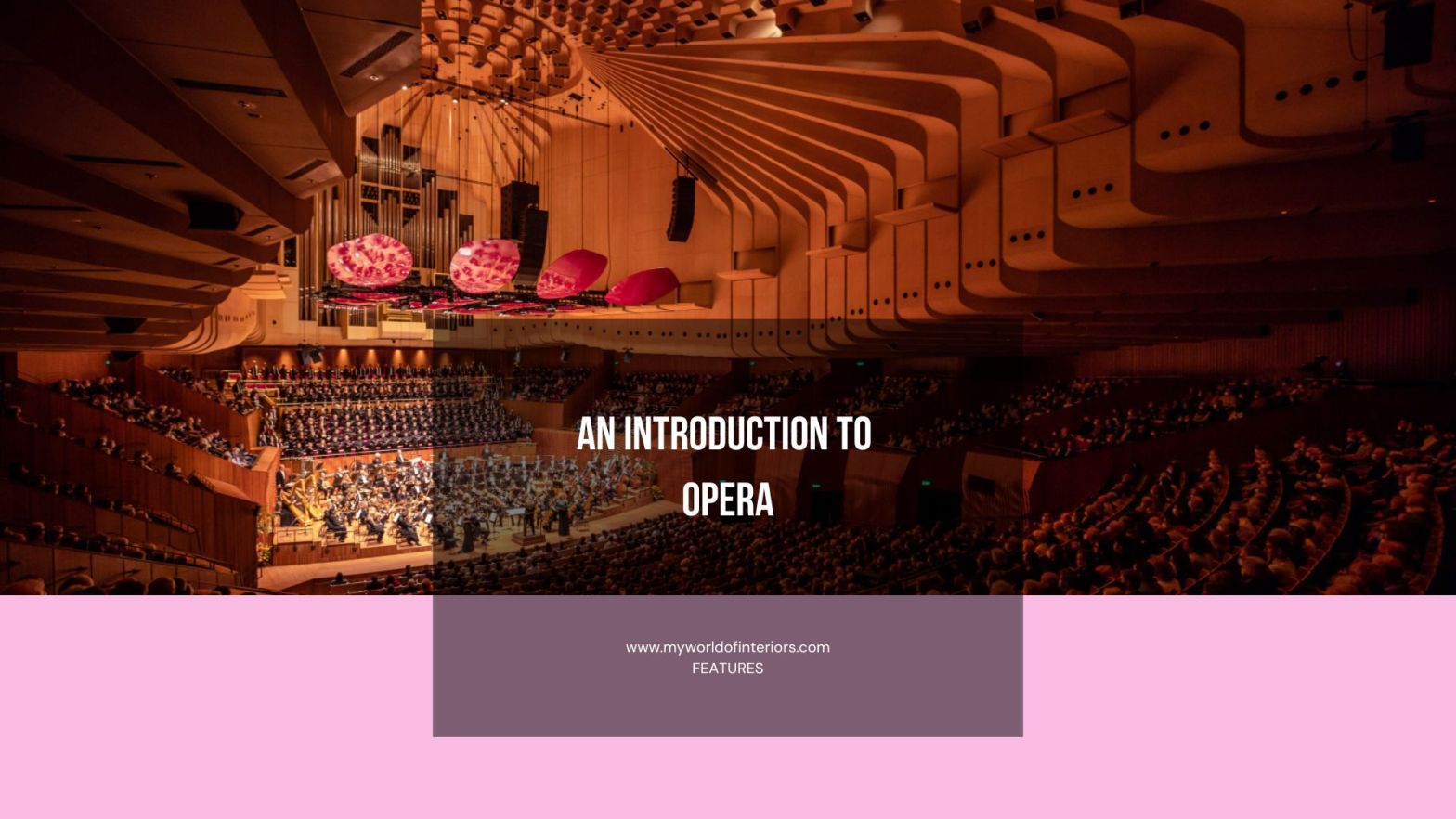
Opera has always carried an aura of mystery. For some, it is the pinnacle of artistic achievement — a union of music, theatre, architecture, and costume that overwhelms the senses. For others, it is intimidating: a world of long evenings, foreign languages, elaborate etiquette, and names that feel heavy with history. But to step into opera is to enter one of humanity’s most ambitious inventions — a genre that, for four centuries, has attempted nothing less than the fusion of all the arts into one overwhelming experience.
To begin is not to conquer it all but to taste its variety: tragedy and comedy, intimacy and spectacle, restraint and excess. The best operas are not remote museum pieces; they are still alive, still urgent, still speaking to audiences across centuries.
What Opera Is — and Isn’t
At its core, opera is simple: drama told through music. But that simplicity conceals complexity. Sung dialogue heightens emotion, orchestral underscoring deepens atmosphere, and arias crystallize feelings into moments of suspended time.
It is not “realistic” in the everyday sense, but it is truthful in another: opera suggests that emotions are so large they cannot be spoken, only sung.
It is also not monolithic. Opera spans Monteverdi’s Baroque intimacy, Mozart’s Classical clarity, Verdi’s Romantic drama, Wagner’s vast mythologies, and the experimental soundscapes of the 20th century. Each composer redefined the form.
Where to Begin: Five Gateways
1. Mozart’s The Marriage of Figaro (1786)
If you want wit, elegance, and perfect balance, start here. Mozart’s music sparkles with humanity, turning a story of love, jealousy, and social intrigue into one of the most sophisticated comedies ever staged. The arias are short, melodic, and immediately memorable.
2. Verdi’s La Traviata (1853)
Opera as passion and heartbreak. Verdi’s tale of Violetta, a courtesan who sacrifices love for dignity, is among the most accessible tragedies in the canon. Its melodies — from “Libiamo” to “Sempre libera” — are instantly recognizable, and its emotions universal.
3. Puccini’s La Bohème (1896)
The perfect entry point for anyone drawn to romance. Puccini’s story of young artists in Paris captures youthful love, poverty, and loss with sweeping lyricism. It is emotional, melodic, and often the opera that first converts skeptics into devotees.
4. Bizet’s Carmen (1875)
Sultry, dramatic, and direct. Carmen is irresistible both as character and as music. From the famous “Habanera” to the “Toreador Song,” Bizet’s score combines immediacy with sophistication, making it one of the most performed operas in the world.
5. Wagner’s The Flying Dutchman (1843)
For those curious about Wagner but daunted by his lengthier works, this early opera is an ideal introduction. It contains the stormy grandeur and mythic atmosphere that define Wagner without requiring hours of endurance.
How to Listen
Opera can be overwhelming at first, but a few strategies make it more approachable:
- Read the synopsis beforehand. Knowing the outline frees you to focus on the music.
- Follow with subtitles. Most houses now project translations above the stage.
- Listen to recordings. Familiarity with key arias and motifs makes live performance more rewarding.
- Choose live, if possible. Opera is meant to be seen as well as heard — the staging, costumes, and acoustics complete the experience.
Why It Still Matters
Opera is often caricatured as elitist or out of touch. Yet the themes it stages — love, betrayal, power, sacrifice — remain elemental. In a digital age, opera’s sheer scale and intimacy feel radical: hundreds of people working together to create something ephemeral, unrepeatable, live.
Moreover, opera has always been a mirror of its society: Mozart satirized aristocracy, Verdi coded political resistance into his choruses, and contemporary composers tackle immigration, identity, and technology. To enter opera is to encounter not just beauty but cultural history.
The Grand Experiment
To start with opera is to give yourself permission to be overwhelmed. It is not an art form you master; it is one you inhabit. Begin with Mozart or Puccini, Verdi or Bizet. Let the melodies wash over you, let the staging astonish, let yourself be surprised by how alive it feels.
Opera’s genius is its ambition: to capture the fullness of human emotion in music and spectacle. That ambition has not dimmed in four centuries. For the novice, the invitation is simple: find an opera house, step inside, and let the curtain rise.
 My World of Interiors