
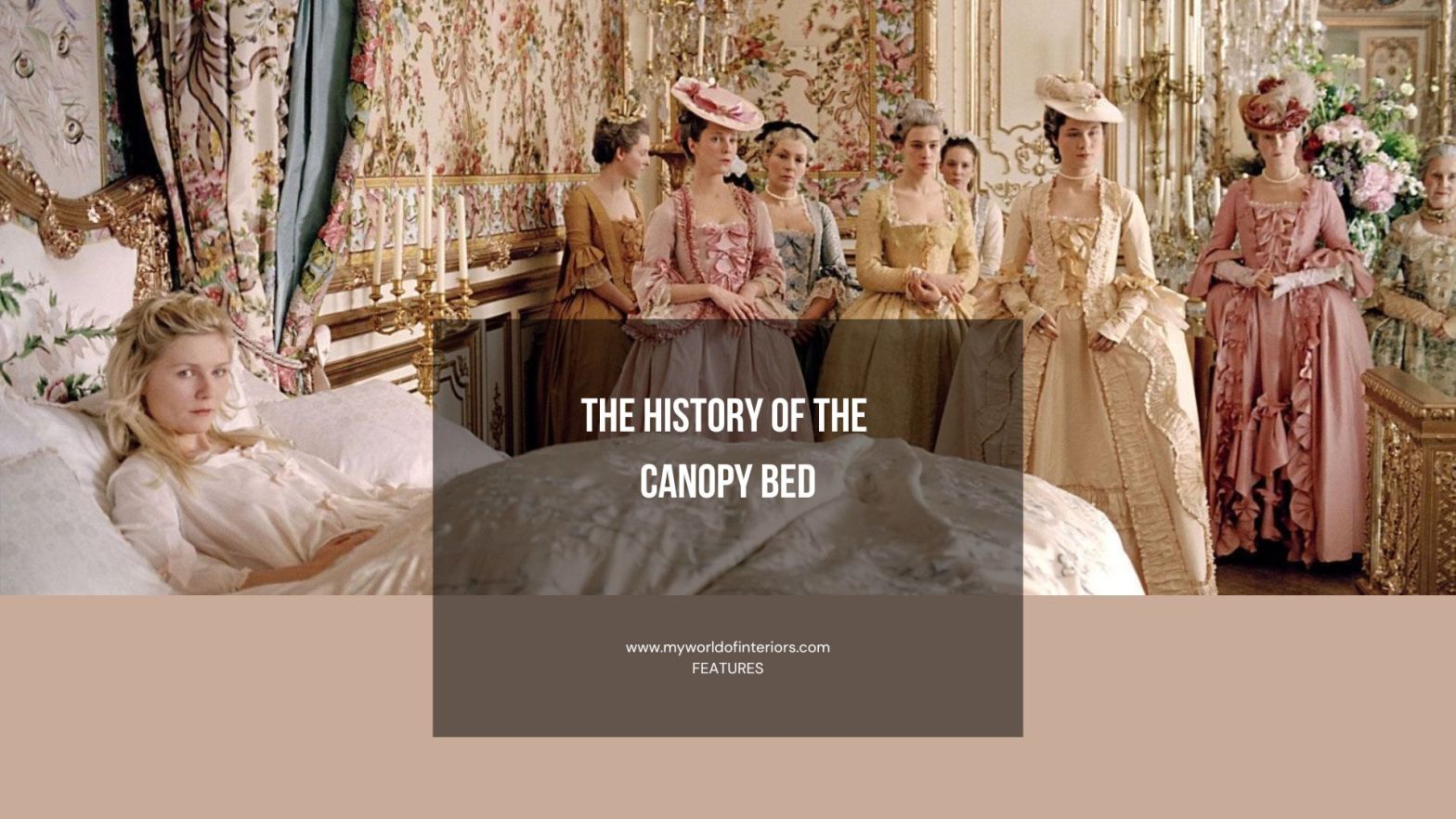
Few pieces of furniture have carried as much symbolic weight as the canopy bed. Known in Danish as the himmelseng — the “heaven bed” — it is at once functional and ceremonial, an object that has provided warmth, privacy, and authority across centuries. To trace its history is to follow the evolution of domestic life itself: the shift from communal halls to private bedrooms, the merging of architecture with decoration, and the enduring allure of sleep as ritual.
Origins in the Middle Ages
The canopy bed first appeared in medieval Europe, a time when castles and manor houses were cold, draughty, and often lacking in privacy. Noble families frequently slept in chambers that doubled as spaces for attendants, guards, and visitors. To enclose the sleeper, carpenters built beds with tall posts supporting a canopy of wood or fabric, around which curtains could be drawn.
These beds were practical, offering warmth and seclusion, but they also had a symbolic resonance. The canopy suggested a sacred covering, echoing the baldachins above church altars. Sleep, like worship, took place beneath a protective roof — an intimate architecture within architecture.
Renaissance and Baroque Splendor
By the 16th and 17th centuries, the canopy bed had become the centerpiece of aristocratic interiors. In France and England especially, beds grew monumental, with carved posts, gilded cornices, and sumptuous fabrics. Curtains were made from velvet, silk, or brocade, lined with fur for warmth.
Royalty often received visitors from their beds; the French kings at Versailles conducted the lever and coucher — rising and retiring ceremonies — beneath canopies that emphasized the bed’s status as a throne of private power. The canopy bed was both furniture and stage, where politics and intimacy intersected.
Privacy and Domestic Life
As domestic architecture evolved in the 17th and 18th centuries, private bedrooms became more common, and the canopy bed took on a new role. Curtains remained, but they were now less about survival and more about decoration. Canopies were coordinated with wall hangings and upholstery, turning the bed into part of a larger decorative scheme.
In England, Georgian interiors favored lighter chintz fabrics, while in France, Louis XV and Louis XVI styles softened the grandeur of the Baroque into elegant Rococo curves. The canopy bed reflected not only wealth but also a growing cultural interest in intimacy, comfort, and the aesthetics of private life.
The 19th Century: Decline and Sentiment
By the 19th century, improvements in heating and changing notions of hygiene reduced the practical need for heavy curtains around the bed. Middle-class households adopted simpler iron and wooden frames, and the canopy bed gradually receded from everyday life.
Yet it never lost its aura. In Victorian interiors, canopy beds often became symbols of nostalgia and romance, their draped forms associated with bridal chambers and sentimental ideals of domesticity. Even in its decline, the canopy bed retained its aura of theatre, privacy, and ritual.
Modern Revival
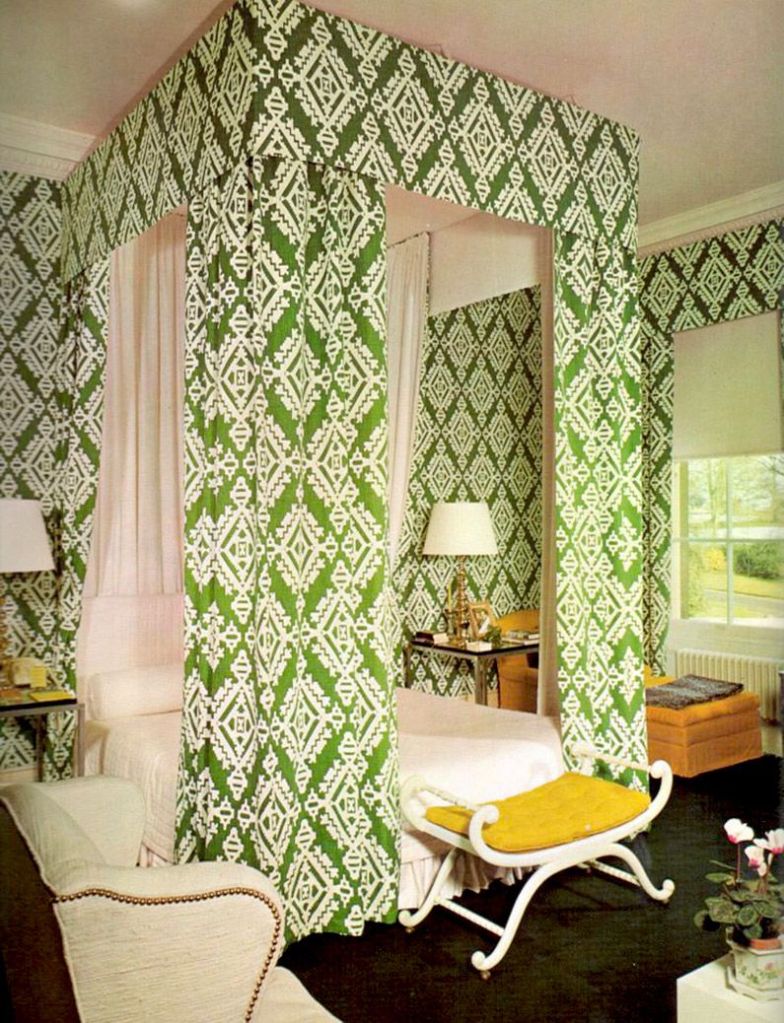
The 20th century saw designers and decorators reclaim the canopy bed not as necessity but as statement. Syrie Maugham, Renzo Mongiardino, and later decorators such as Bunny Mellon and David Hicks reinterpreted the canopy in modern terms: sometimes stripped to clean architectural lines, other times swathed in fabric to create a cocoon of intimacy.
In hotels, the canopy bed became shorthand for indulgence and luxury, a visual symbol of romance and escape. In modern interiors, it has been pared back further — steel or pale wood frames, minimal fabric — yet the concept remains the same: to create a “room within a room,” an architecture of sleep.
The Canopy Bed Today
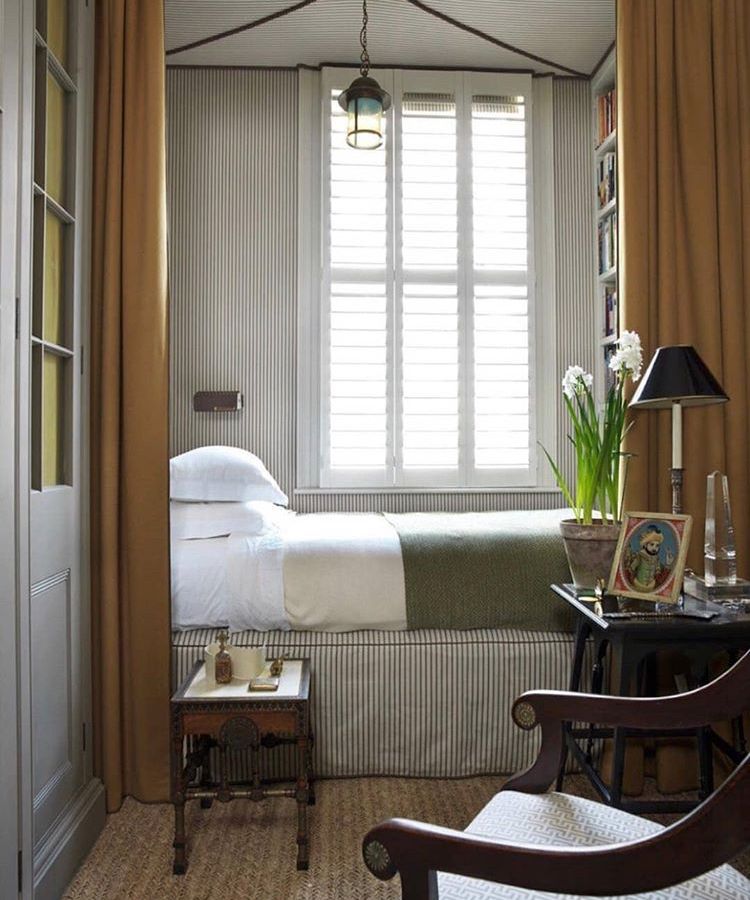
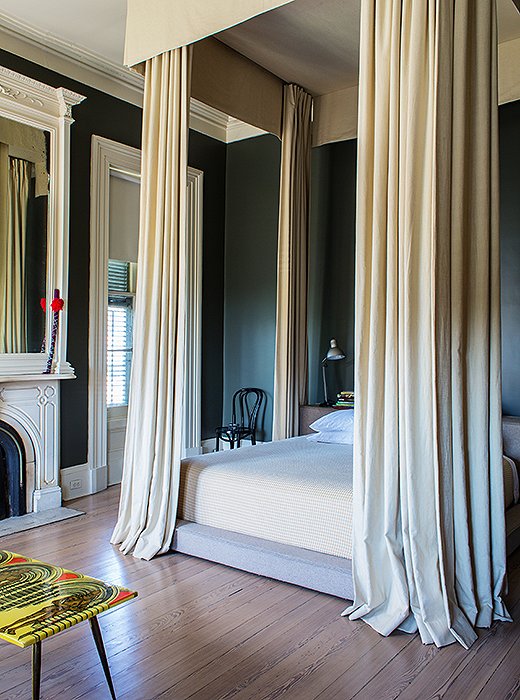
Today, canopy beds are both nostalgic and contemporary. Designers treat them as canvases: a chance to frame the bed as a sculptural object, to reintroduce grandeur into minimalist spaces, or to conjure intimacy in high-ceilinged rooms. In luxury hotels, they promise fantasy; in private homes, they offer enclosure and drama.
What persists across centuries is the canopy bed’s dual function: at once practical and symbolic, protective and performative. To draw its curtains is to create a sanctuary; to see it in a room is to recognize the echo of centuries in which the bed was not only for rest, but for ceremony, power, and style.
Heaven in the Everyday
The canopy bed is an enduring paradox. It is furniture, yet also architecture; practical, yet symbolic; intimate, yet public. Born of medieval necessity, it grew into Renaissance theatre, retreated into Victorian sentiment, and returned in modern times as an icon of design.
In its Danish name — himmelseng, “heaven bed” — lies a perfect metaphor. To sleep beneath a canopy is to imagine protection, enclosure, and even transcendence. It is to bring the architecture of heaven into the everyday act of rest.
 My World of Interiors