
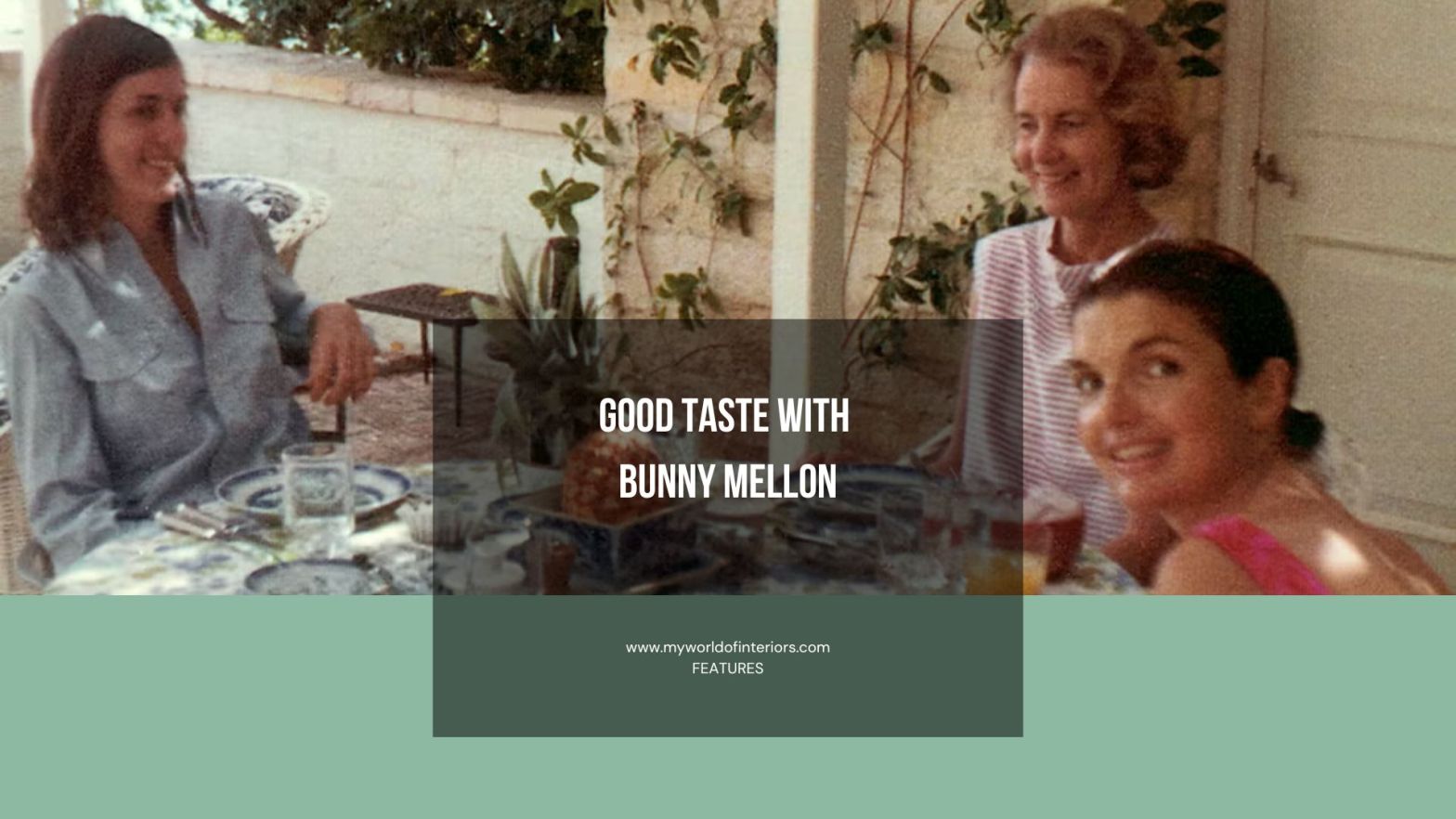
Some lives unfold in public, demanding attention with noise and spectacle. Others shape the world quietly, through gardens planted, rooms arranged, and the cultivated art of discretion. Rachel Lambert “Bunny” Mellon belonged firmly to the latter category. For decades, she remained a figure of mystery and allure: heiress, horticulturalist, collector, designer, and confidante to presidents and first ladies. Yet her legacy — in gardens, interiors, and a rarefied philosophy of style — continues to reverberate long after her death in 2014.
Mellon’s genius lay not in self-promotion but in curation. She was a woman who preferred the background to the spotlight, and it was precisely this retreat from the public eye that sharpened her aesthetic clarity. Hers was a taste defined by understatement, by the conviction that true luxury whispers rather than shouts.
An Heiress of Fortune and Vision
Born in 1910 to the Lambert family, heirs to the Listerine fortune, Bunny Mellon grew up within the gilded sphere of American aristocracy. In 1948 she married Paul Mellon, the philanthropist and only son of financier Andrew Mellon. Their marriage cemented her place among America’s wealthiest dynasties, yet Bunny was never content to merely play the role of socialite. Instead, she crafted an identity through design, gardening, and collecting.
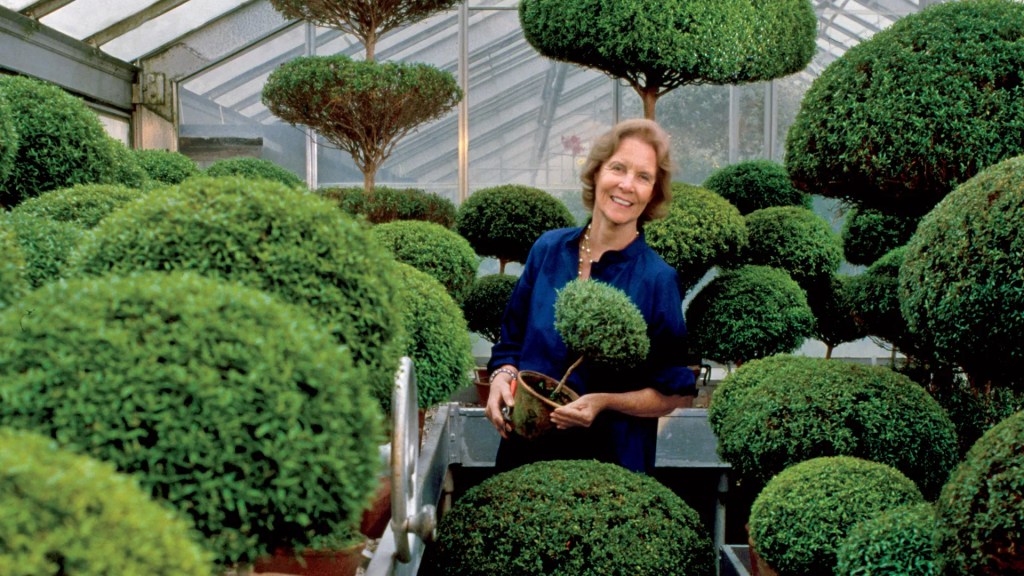
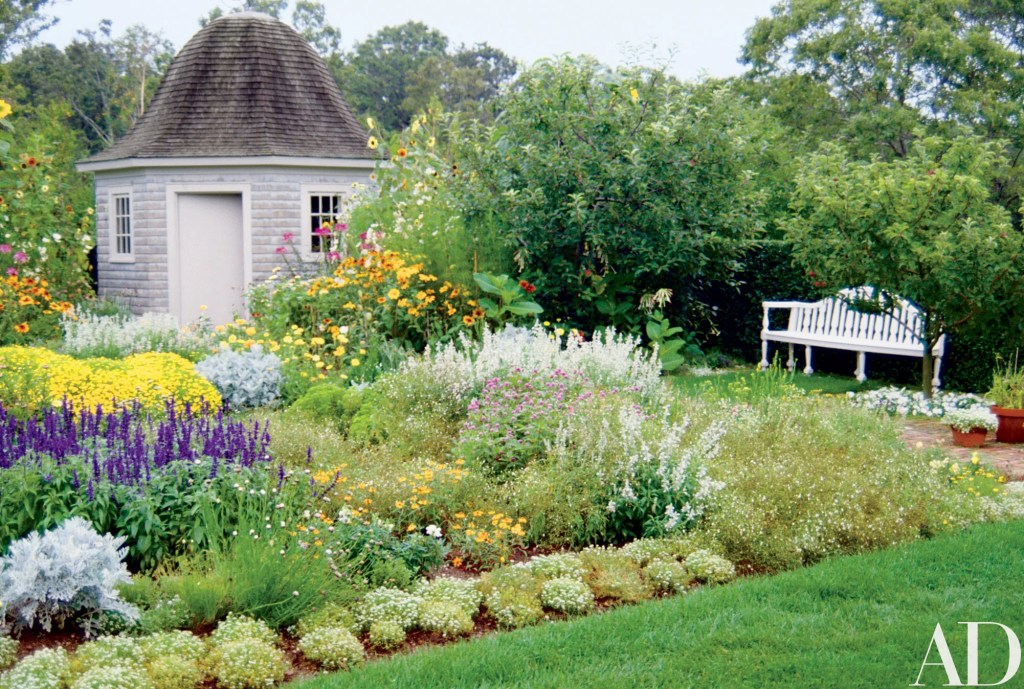
The Mellon estate at Oak Spring in Virginia became her canvas. There she established a library dedicated to garden history, cultivated rare plants, and designed landscapes that blended the rigors of French formality with the softness of American pastoral. She absorbed traditions from André Le Nôtre and Gertrude Jekyll, yet made them distinctly her own: elegant but unpretentious, expansive yet intimate.
A Garden for the White House
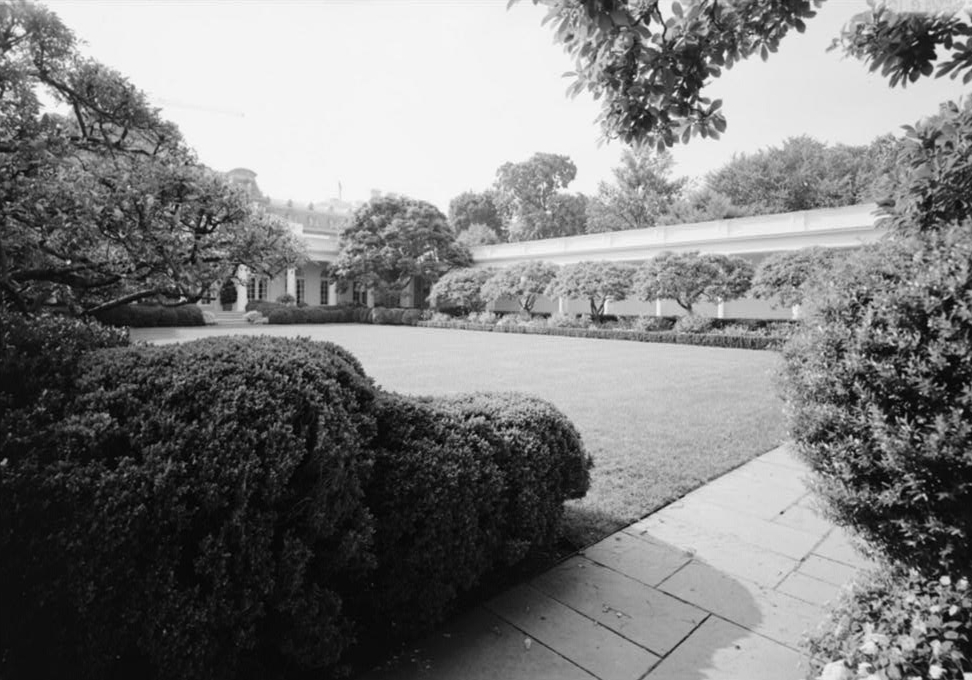
Bunny Mellon’s most public commission came through her friendship with Jacqueline Kennedy. In 1961, the First Lady asked Mellon to redesign the White House Rose Garden. The result was a space that combined French order with American symbolism: structured hedges framing beds of vibrant flowers, classical balance tempered by seasonal dynamism.
The garden became a stage for history — the site of press conferences, state arrivals, and moments of political theater. Yet at its core it embodied Mellon’s philosophy: that a garden should provide solace, proportion, and harmony. It remains perhaps the most visible testament to her genius, a living work of art on one of the world’s most scrutinized lawns.
The Collector’s Eye
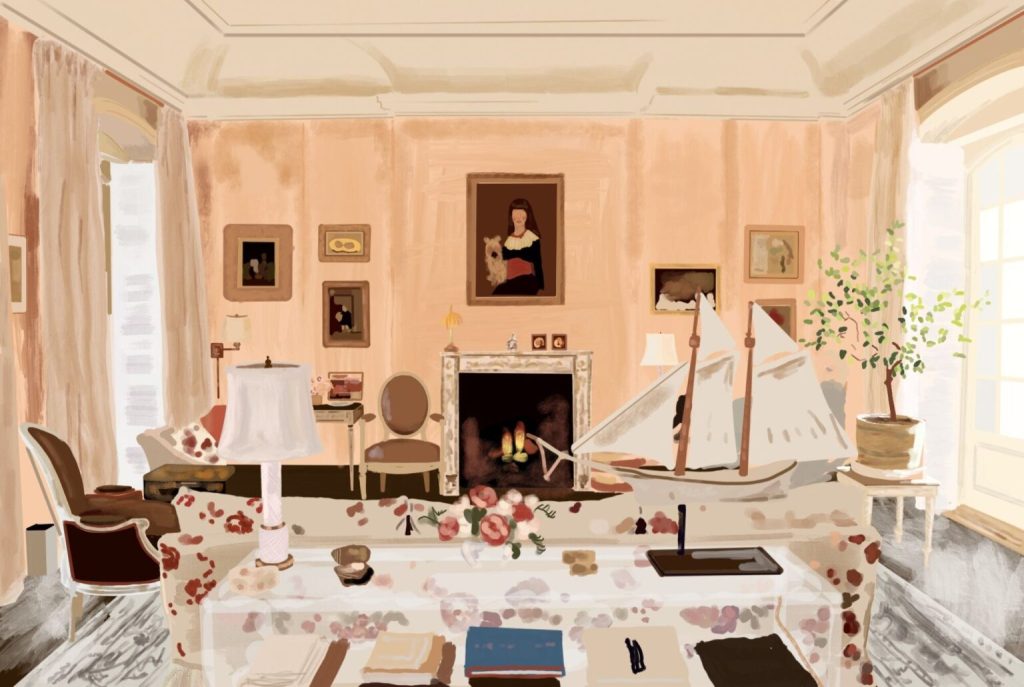
Mellon’s taste extended beyond horticulture into art and interiors. With Paul Mellon, she assembled one of the great collections of 20th-century America: works by Van Gogh, Rothko, Diebenkorn, and countless others now dispersed among museums and private collections. But where Paul’s interests leaned toward the canonical, Bunny’s sensibility was instinctive. She arranged art in domestic settings with a confidence that spoke less of connoisseurship than of intimacy: paintings placed not for prestige but for visual dialogue with furniture, light, and space.
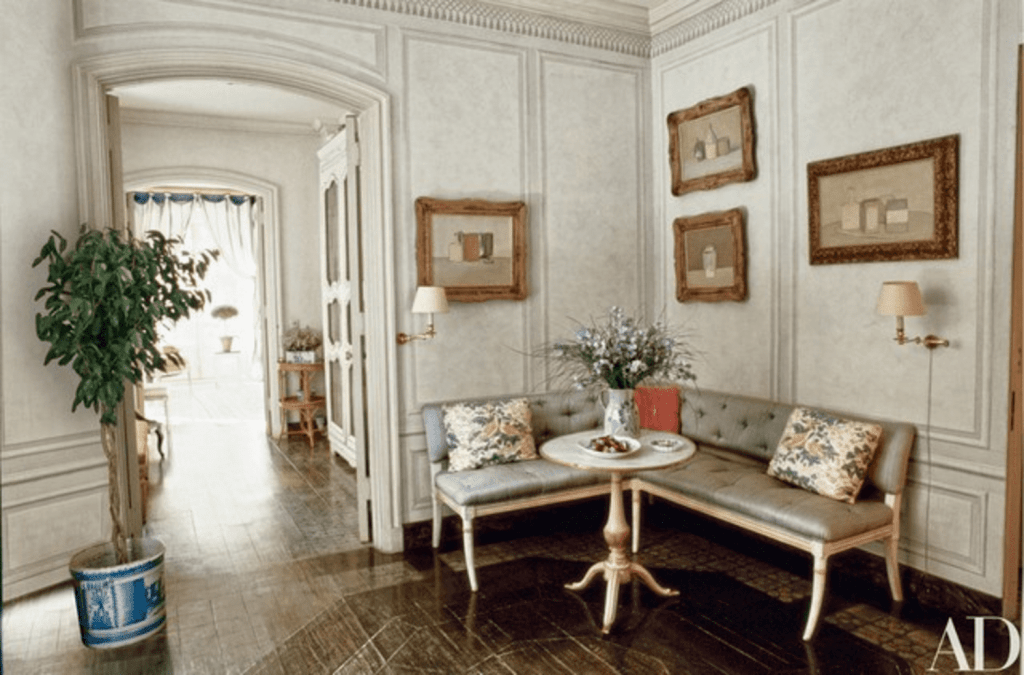
Her interiors — famously austere yet inviting — embodied her belief that restraint is the highest form of refinement. Whitewashed walls, simple slipcovers, and carefully chosen objects created rooms that felt effortless yet were composed with surgical precision. She disdained decoration for its own sake. “Nothing should be noticed,” she once said. And indeed, her style was not about the spectacle of possessions but about the invisible balance of scale, proportion, and texture.
The Art of Discretion
Despite her wealth, Bunny Mellon was famously private. She rarely gave interviews, avoided publicity, and shunned society columns. This discretion paradoxically enhanced her mystique. In a world of ostentation, she practiced subtraction. Her approach to fashion mirrored her interiors: tailored trousers, basket bags, simple cardigans. Yet what appeared plain on the surface was, in fact, cultivated minimalism — a rejection of excess as the ultimate luxury.
Even in philanthropy, Mellon preferred anonymity. She quietly funded projects in the arts, medicine, and horticulture. Her fortune allowed grandeur, yet her personality insisted on intimacy. To her, taste was a form of ethics: a commitment to proportion, to humility, to an invisible order beneath appearances.
Legacy
Bunny Mellon’s death at 103 closed a century-long chapter in American taste. But her influence endures: in the White House Rose Garden, in the Mellon collections now dispersed among major museums, in the renewed fascination with her interiors and gardens, and in the philosophy of restraint she embodied.
In an age addicted to spectacle, Mellon’s example feels radical. She demonstrated that taste is not accumulation but distillation, not noise but silence. True elegance, she taught, is not about being seen but about creating beauty that feels inevitable, as natural as light falling across a floor at dusk.
Sidebar: The Bunny Mellon Aesthetic — Five Defining Principles
1. Quiet Luxury
True refinement lies in understatement. Mellon’s gardens and interiors were defined by simplicity, balance, and invisibility — the art of making design look inevitable rather than imposed.
2. The Power of Restraint
“Nothing should be noticed,” she said. Decoration was not display but discipline, every object chosen for proportion and harmony rather than prestige.
3. Nature as Art
From Oak Spring to the White House Rose Garden, Mellon treated gardens as living canvases: ordered yet organic, timeless yet ever-changing.
4. Discretion as Identity
In an age of publicity, she cultivated mystery. Her privacy was not retreat but philosophy, a conviction that true taste exists beyond the gaze of others.
5. Philanthropy in Silence
Her generosity matched her discretion: she gave without spectacle, supporting the arts and horticulture quietly, believing that beauty is both necessity and service.
To shop our curated selection please visit our Amazon store
A Philosophy of Quiet Luxury
Bunny Mellon may never have sought the limelight, but she left behind a philosophy that resonates more than ever: luxury is not about abundance but about balance, not about display but about discretion. Her life’s work — in gardens, in interiors, in her way of living — can be read as a manifesto of quiet luxury.
To walk through one of her gardens or step into one of her rooms was to experience something deceptively simple yet profoundly considered. It is this paradox — simplicity as the highest form of sophistication — that ensures Bunny Mellon’s place not only in design history but in the broader cultural imagination.
 My World of Interiors