
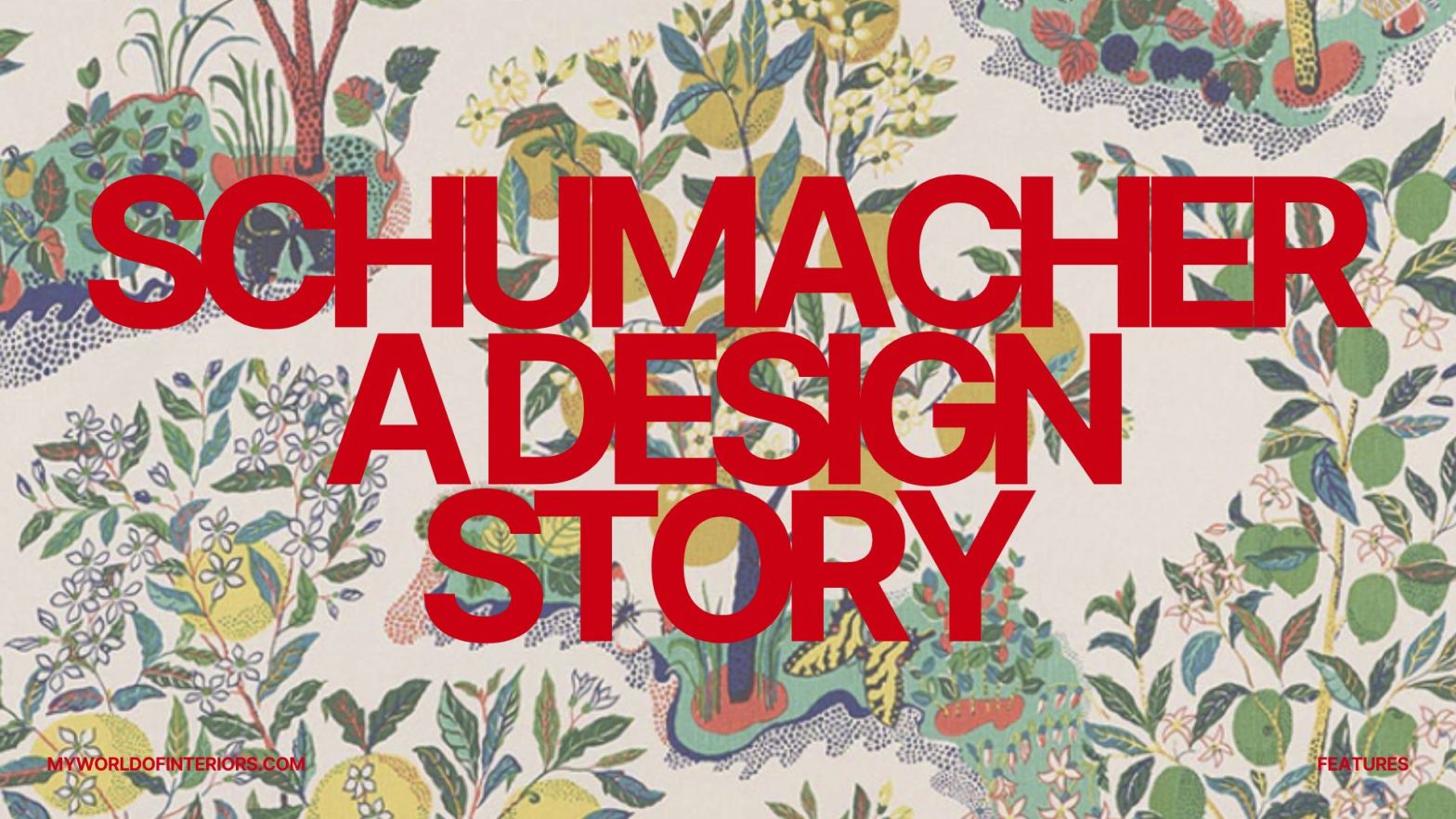
Origins: From Ladies’ Mile to the White House
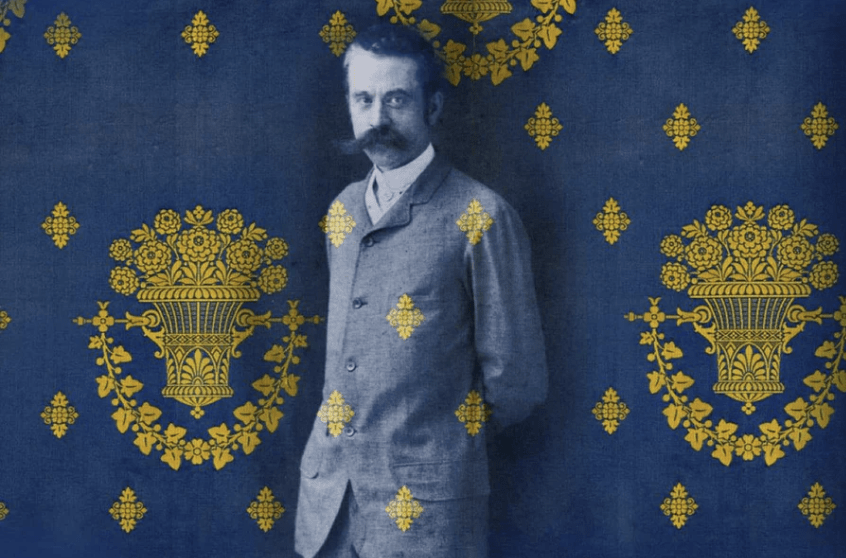
Schumacher’s story begins in boom-time New York. In 1889, Paris-born Frederic Schumacher opened his textile house on Manhattan’s Ladies’ Mile, supplying silks and damasks to the grand hotels and Gilded Age mansions that were inventing a new American glamour. Within a decade the firm was manufacturing domestically; by 1902, its satin lampas—commissioned by architect Stanford White—was shimmering in Theodore Roosevelt’s refurbished White House, an early signal that Schumacher would help script the nation’s decorative vocabulary.

Fashion, Film, and the Myth-Making of Pattern
From the start, Schumacher treated textiles as cultural conversation. In the 1910s and ’20s, couturier Paul Poiret designed fabrics for the house, tethering haute couture to interiors; mid-century brought whimsical contributions like Cecil Beaton’s 1949 “Halloween” print—proof that pattern could be witty, modern, and unabashedly theatrical.
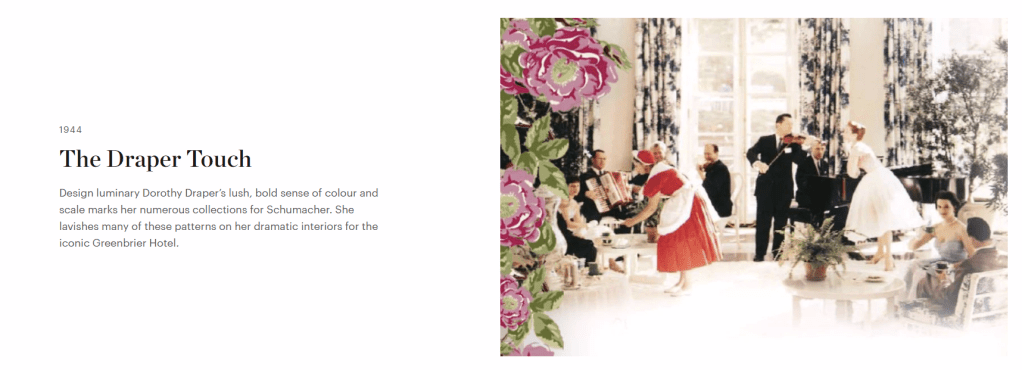
That theatricality is why certain Schumacher motifs have become pop-icons in their own right. “Pyne Hollyhock”—revived from a storied Parish-Hadley room for tastemaker Nancy Pyne—returned in 2010 and instantly re-entered the decorator’s lexicon; “Chiang Mai Dragon,” a bold chinoiserie on linen and velvet, is a 21st-century classic with the charisma of a lead actor.
The Schumacher Genome: Craft + Studio + Collaboration
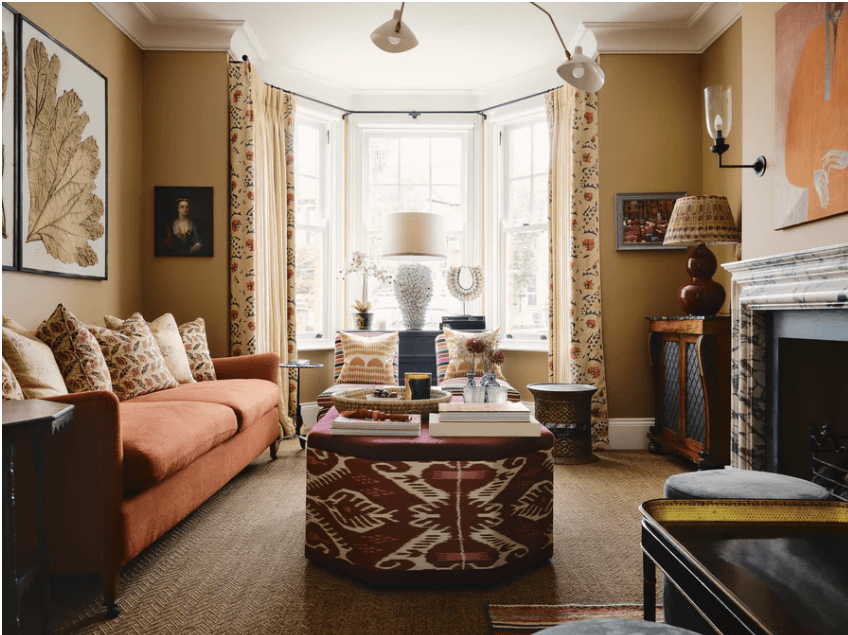
Schumacher’s in-house studio—painters, printmakers, weavers—remains the brand’s engine, a rarity in an era of outsourced pattern. Under Chief Creative Officer Dara Caponigro (formerly of Domino), the company doubled down on its archive and opened the doors to contemporary voices: designer Miles Redd’s graphic botanicals and stripes, Charlap Hyman & Herrero’s scholarly surrealism, and fashion crossovers that send textiles down an actual runway.
Sister brand Patterson Flynn extends that studio ethos to the floor with custom carpets and rugs (founded 1943; acquired by Schumacher in 1998 and now rebranded simply Patterson Flynn), completing a fabric-to-floor covering of the room that designers prize for its craft and customization.
Media, Community, and the New Distribution
In the last decade, Schumacher has expanded from maker to media—launching Frederic magazine to editorialize color, rooms, and pattern with the authority of a shelter title, and cultivating an avid online audience that blurs trade and consumer. The move isn’t cosmetic: it reframes a heritage textile house as a cultural publisher.
Strategically, FS&Co. (Schumacher’s parent) has also broadened its materials palette by acquiring Backdrop, the digital-native paint brand whose edited colors and adhesive swatches modernized how people choose paint. The result is a coherent color–material ecosystem—from wall paint to wallpaper, fabric, trim, and rugs—delivered with contemporary convenience.
Sustainability and Responsibility
Luxury textiles today answer to more than taste; they answer to impact. Schumacher publishes sustainability initiatives around lower-emissions logistics and material recycling efforts—while the broader industry migrates toward certifications like OEKO-TEX® and circular-economy practices that will shape how future collections are designed, labeled, and recovered. Expect tighter material transparency, more recycled content, and finishes engineered for safer lifecycles. In brief: the beautiful room must also be a responsible one.
Legacy: Rooms That Tell American Stories
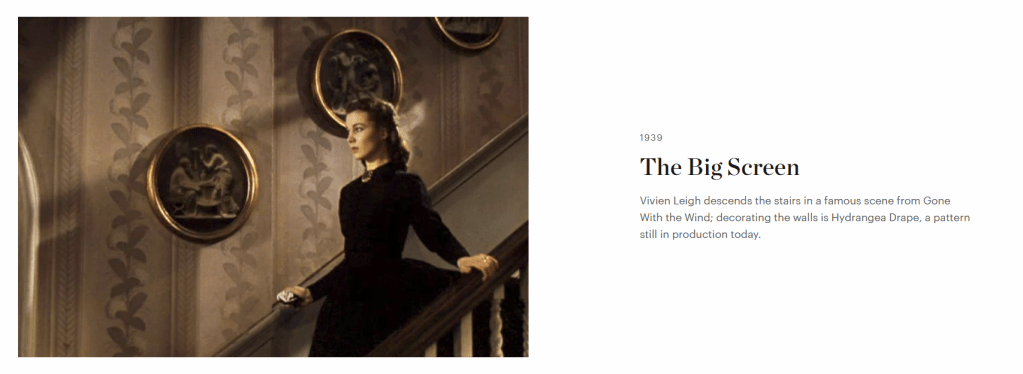
From Edith Wharton and Elsie de Wolfe to First Ladies and Hollywood sets, Schumacher patterns have become narrative devices—carrying eras, places, and personalities in their warp and weft. That is the brand’s true legacy: not a single “look,” but an editorial range that runs from chintz romanticism to graphic modernity, always with craft at the center.
The Road Ahead
- Archive, reimagined: Expect deeper mining of a 135-year archive recast in current scales, grounds, and performance finishes, keeping heritage fluent in contemporary rooms.
- Whole-home color: With paint in the portfolio, palette will be orchestrated across categories—wall, window, upholstery, and floor—tightening the brand’s chromatic point of view.
- Trade-to-consumer bridge: Editorial (Frederic), community (Freddie), and e-commerce tools will keep narrowing the gap between designer and design-curious consumer—without abandoning the to-the-trade core.
- Craft + tech: More hybrid making—hand painting translated through digital print; artisanal weaving paired with performance yarns—preserving tactility while meeting real-life durability.
- Measured sustainability: Incremental but real progress on recycled inputs, traceability, and logistics efficiencies, aligning decorative arts with credible environmental standards.
Why Schumacher Still Matters
Because it treats pattern as cultural memory and living medium. In a market crowded with motifs, Schumacher’s advantage is editorial intelligence backed by a working studio and a century-plus archive. It can revive a Beaux-Arts lampas for a state room, conjure a dragon print that electrifies a 2020s banquette, and publish the story that helps us read the room. That continuum—heritage, craft, collaboration, and a modern platform—keeps the house essential to the way we decorate now.
For more: https://schumacher.com/
 My World of Interiors