
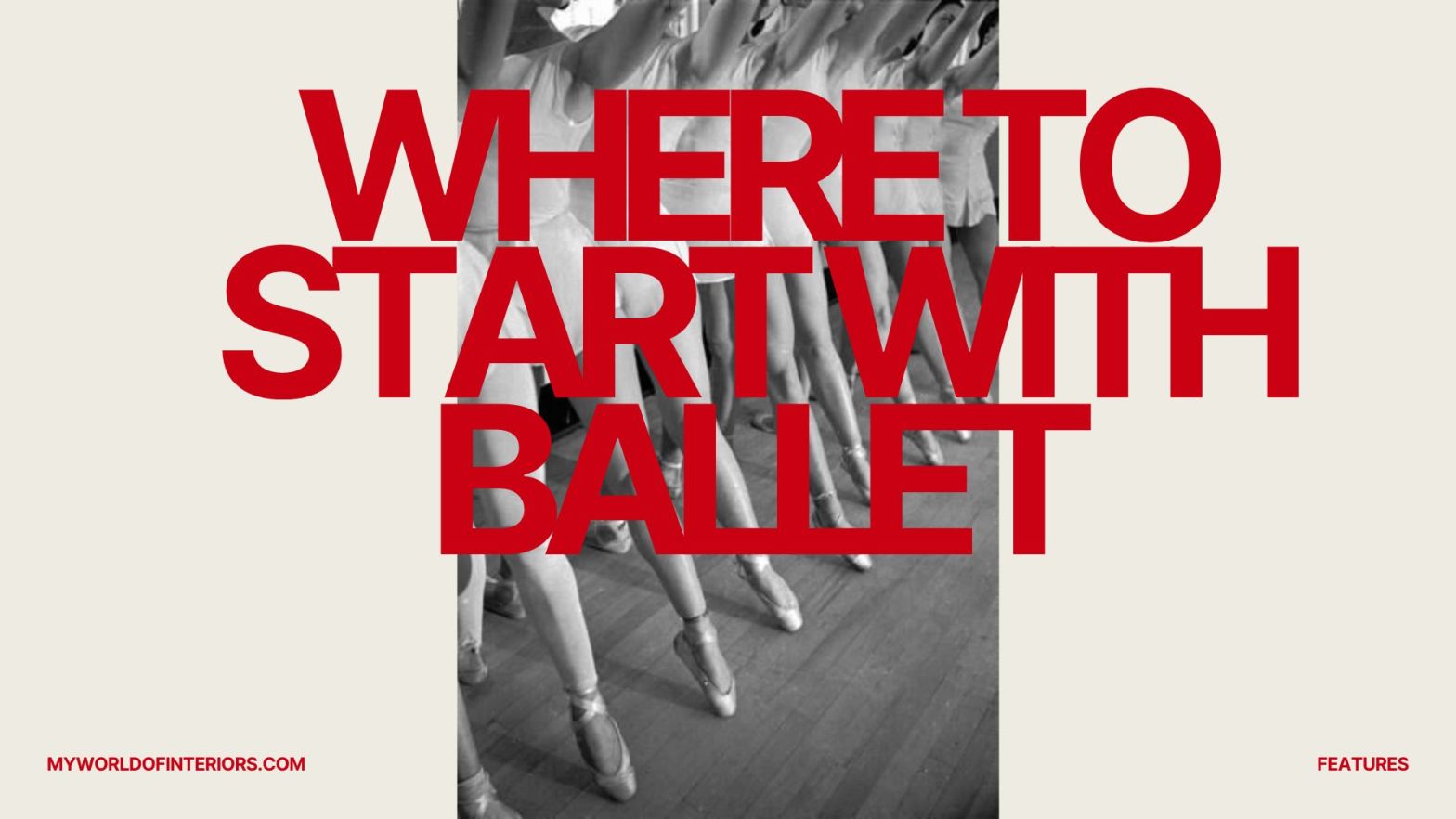
Ballet has always carried an aura of exclusivity. The velvet curtains, the hushed audiences, the names in French — for many, it can feel like a world reserved for insiders. Yet ballet, at its heart, is a profoundly accessible art: music, movement, story, and spectacle fused into one. To begin watching ballet is not to crack an elitist code but to enter a living tradition, one that spans centuries and cultures, from royal courts to modern stages.
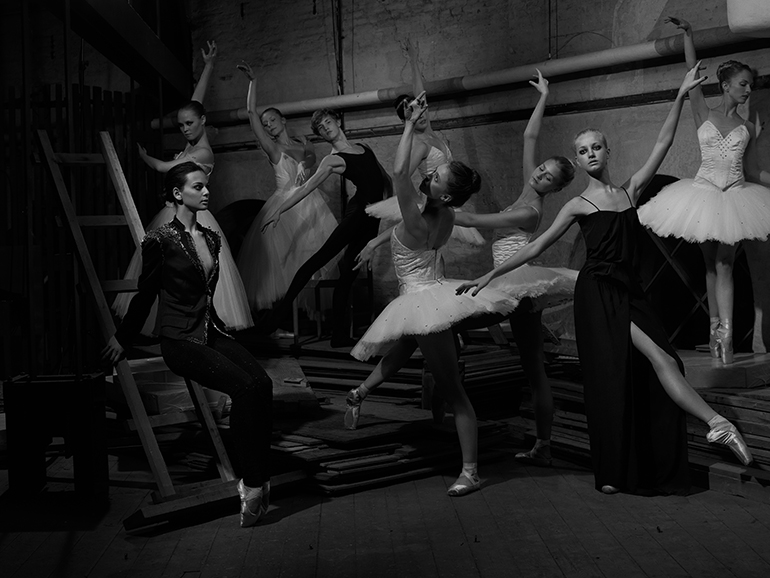
A Brief History of Ballet
The roots of ballet lie in 16th-century Italy and France. At the court of Catherine de’ Medici, dance was already a form of political theatre, designed to impress and instruct. In 1661, King Louis XIV — the “Sun King,” himself a passionate dancer — founded the Académie Royale de Danse, establishing ballet as a codified art form. The French terminology still in use today — plié, arabesque, jeté — comes from this royal lineage.
The 19th century was ballet’s great Romantic age. In Paris, Marie Taglioni floated across the stage in La Sylphide (1832), making pointe work — dancing on the tips of the toes — a symbol of ethereal femininity. In Russia, Marius Petipa choreographed the grand spectacles of the Imperial Theatres: The Sleeping Beauty (1890), The Nutcracker (1892), Swan Lake (1895). These remain the cornerstones of the classical repertory.
The 20th century brought modernity. Sergei Diaghilev’s Ballets Russes electrified Paris with collaborations by Stravinsky, Picasso, and Coco Chanel. George Balanchine, trained in Russia, emigrated to America and created New York City Ballet, marrying classical technique with jazz-like speed and abstraction. Today, ballet is global, performed in Moscow and London, Havana and Tokyo, Johannesburg and Sydney.
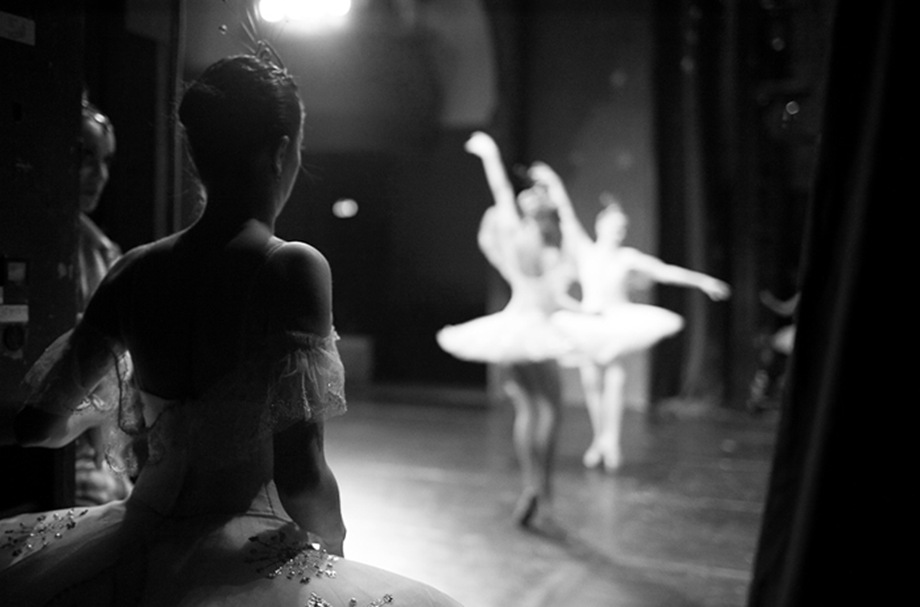
Where to Begin: First Steps for the Spectator
1. Start with Story Ballets
For newcomers, narrative ballets are a natural entry point. Swan Lake, The Sleeping Beauty, and Giselle are operatic in scope, full of music, costumes, and characters. Their outlines are simple — doomed love, enchanted forests, royal weddings — and easy to follow even without prior knowledge.
2. Notice the Music
Ballet is inseparable from music. Tchaikovsky’s soaring scores for Nutcracker, Swan Lake, and Sleeping Beauty are as familiar as symphonies. Listening closely helps orient the viewer: tempo changes signal mood shifts; leitmotifs identify characters.
3. Watch for Patterns
Even without knowing steps, audiences can appreciate symmetry. Corps de ballet formations (lines, circles, mirrored shapes) are designed to be visually legible. Try to notice how a soloist emerges from a group, or how dancers echo the orchestra’s rhythm.
4. Explore Modern Ballet
Once comfortable with classics, venture into Balanchine’s neoclassicism (Serenade, Jewels) or Jerome Robbins’ Broadway-infused ballets (Fancy Free). Contemporary companies like Nederlands Dans Theater or the Royal Ballet commission works blending ballet with modern dance, creating new hybrids for modern audiences.
What to Watch First
- Swan Lake (Tchaikovsky/Petipa): The quintessential ballet, blending romance, tragedy, and iconic white swan imagery.
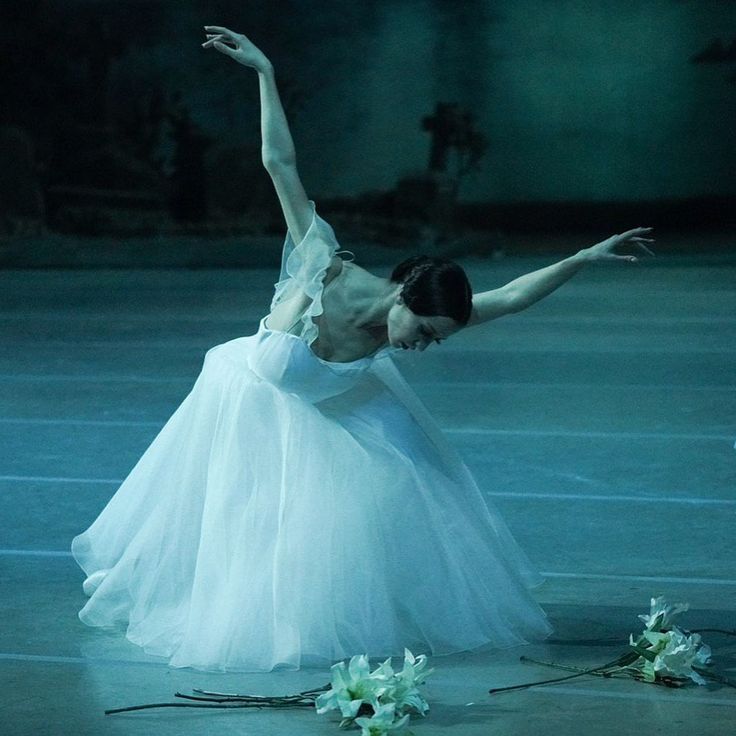
- Giselle (1841): A haunting story of love and betrayal, with supernatural Wilis (ghostly maidens) dancing in moonlight.
- The Nutcracker (1892): Beloved holiday ballet, charming for beginners and rich with spectacle.
- Romeo and Juliet (Prokofiev): Shakespeare set to thrilling music and lush choreography.
- Serenade (Balanchine, 1935): Abstract beauty — no story, just movement and music in harmony.
Most major companies stream performances:
- The Royal Opera House (London) streams productions via roh.org.uk.
- The Bolshoi Ballet offers cinema screenings worldwide, see bolshoiballetincinema.com.
- New York City Ballet shares archives online at nycballet.com.
Where to See Ballet in Person
- The Bolshoi Theatre, Moscow — grandeur and Russian tradition.
- The Mariinsky Theatre, St. Petersburg — birthplace of Petipa’s masterpieces.
- Royal Opera House, London — home to The Royal Ballet, famed for its Covent Garden glamour.
- Paris Opéra Garnier — where ballet was born, a jewel of 19th-century architecture.
- Lincoln Center, New York — home to New York City Ballet and American Ballet Theatre.
- Teatro alla Scala, Milan — historic Italian stage, blending opera and ballet tradition.
The Culture of Watching Ballet
Attending ballet has its rituals. Audiences dress elegantly but not rigidly. Applause is reserved for impressive solos and the final curtain call; ovations are enthusiastic but not rowdy. Unlike opera, libretti are rarely provided — part of the pleasure is discovering narrative through dance and music alone.
Beyond the theatre, ballet has left a cultural imprint: in fashion (from tutus to ballet flats), in photography (George Platt Lynes, Annie Leibovitz), and in cinema (The Red Shoes, Black Swan). To enter ballet is to enter a broader aesthetic world.
The Essence of Ballet
Ballet rewards both the casual observer and the devoted aficionado. One can marvel at athletic leaps without knowing the difference between a jeté and a pas de chat. Over time, patterns emerge: the tension between gravity and grace, the dialogue between music and movement, the stories of love and loss retold without words.
In the end, becoming a ballet watcher is less about expertise than about openness. The art form invites you to look, to listen, to feel. As Balanchine once said: “Dance is music made visible.” To enter ballet is to learn a new way of seeing.
Beginner’s Ballet Playlist: 10 Essential Performances to Stream
1. Swan Lake – The Royal Ballet (Covent Garden)
Starring Marianela Nuñez and Vadim Muntagirov, a definitive classical staging.
🎥 Watch on ROH Stream
2. Giselle – Paris Opera Ballet
The Romantic masterpiece with ethereal corps de ballet scenes.
🎥 Watch on Paris Opera Ballet
3. The Nutcracker – New York City Ballet
Balanchine’s beloved version, with its iconic snowflakes and Sugar Plum Fairy.
🎥 Watch on NYCB Streaming
4. Romeo and Juliet – The Bolshoi Ballet
Prokofiev’s score and lush Russian choreography.
🎥 Watch on Bolshoi in Cinema
5. Serenade – New York City Ballet
Balanchine’s first American ballet, pure neoclassical poetry.
🎥 Watch on NYCBallet.com
6. Jewels – The Royal Ballet
Balanchine’s “dance in three acts” inspired by emeralds, rubies, and diamonds.
🎥 Watch on ROH Stream
7. Don Quixote – The Mariinsky Ballet
Spanish flair, bravura dancing, and Minkus’s vibrant score.
🎥 Watch on Mariinsky TV
8. The Sleeping Beauty – The Royal Ballet
Petipa’s grandest ballet, a test of classical technique and opulence.
🎥 Watch on ROH Stream
9. Onegin – Stuttgart Ballet
John Cranko’s dramatic ballet adaptation of Pushkin’s novel.
🎥 Watch via Marquee TV
10. A Love Supreme – Alvin Ailey American Dance Theater
A contemporary response to Coltrane’s music, blending ballet with modern dance.
🎥 Watch on Ailey All Access
 My World of Interiors