
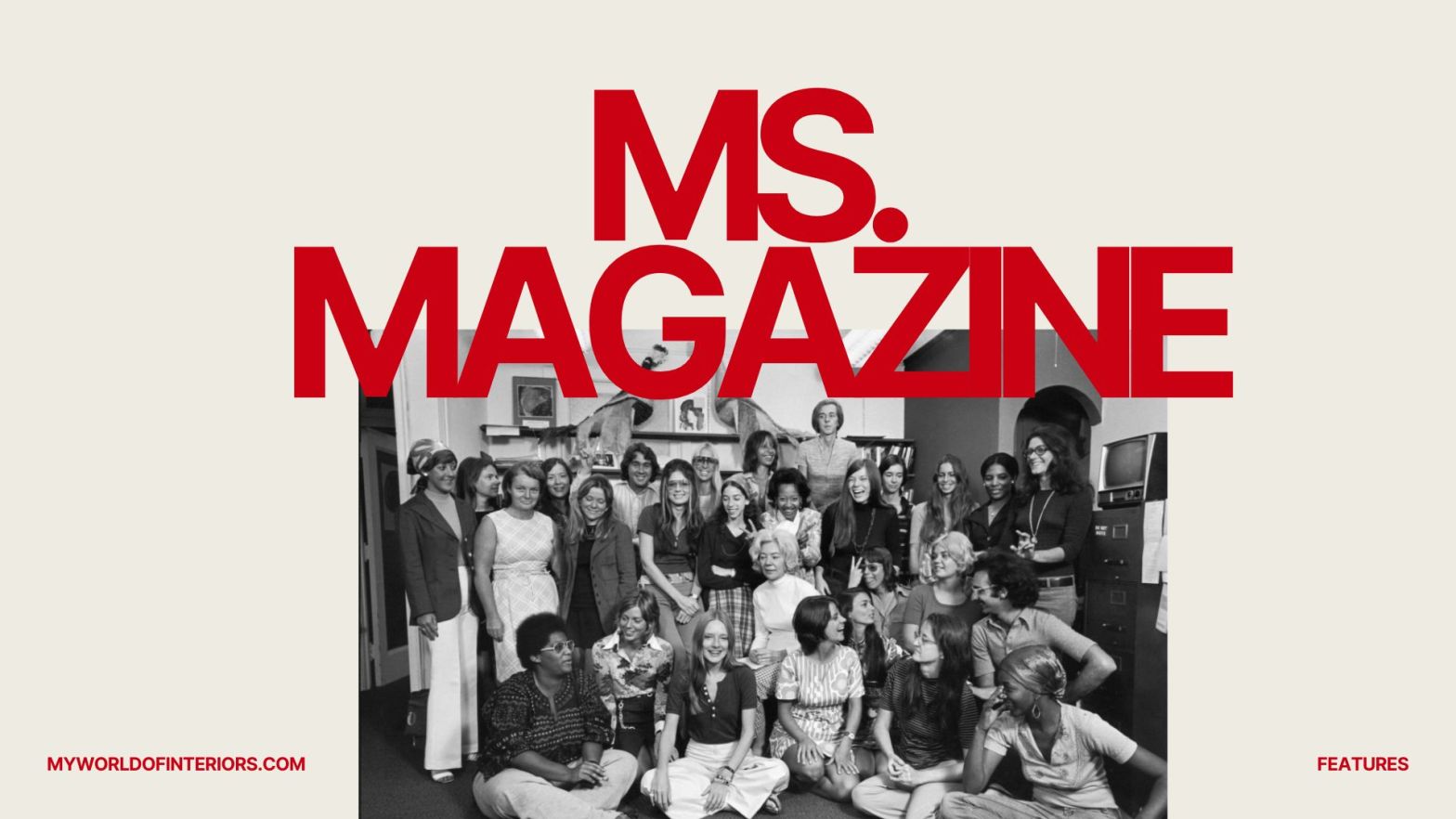
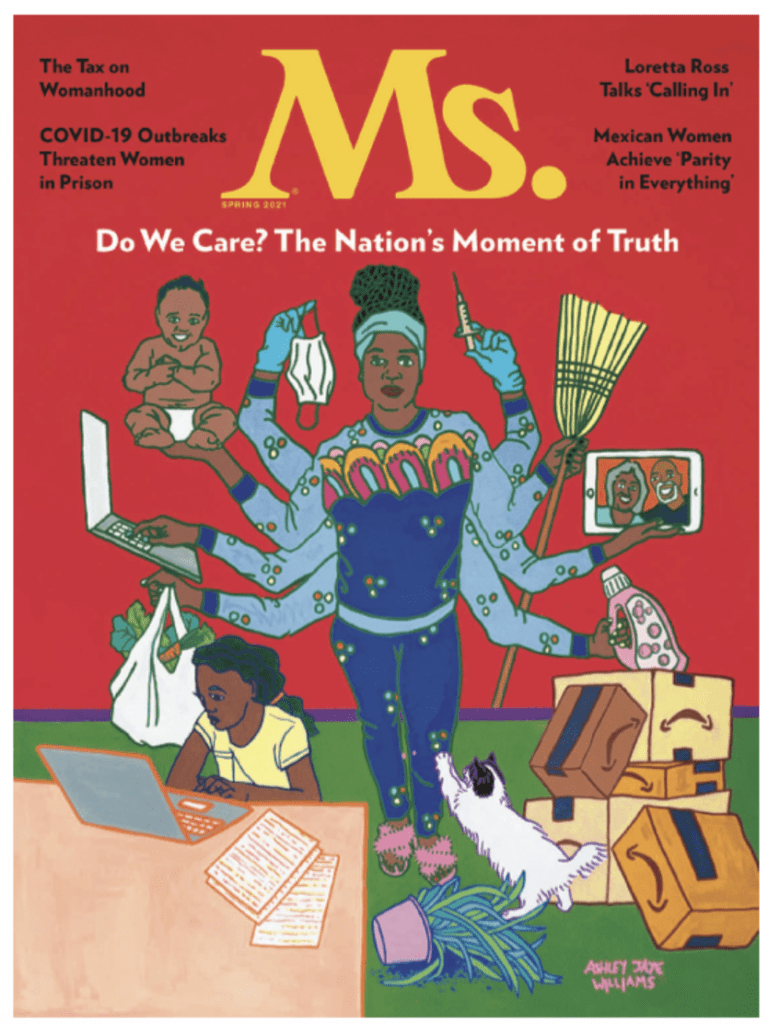
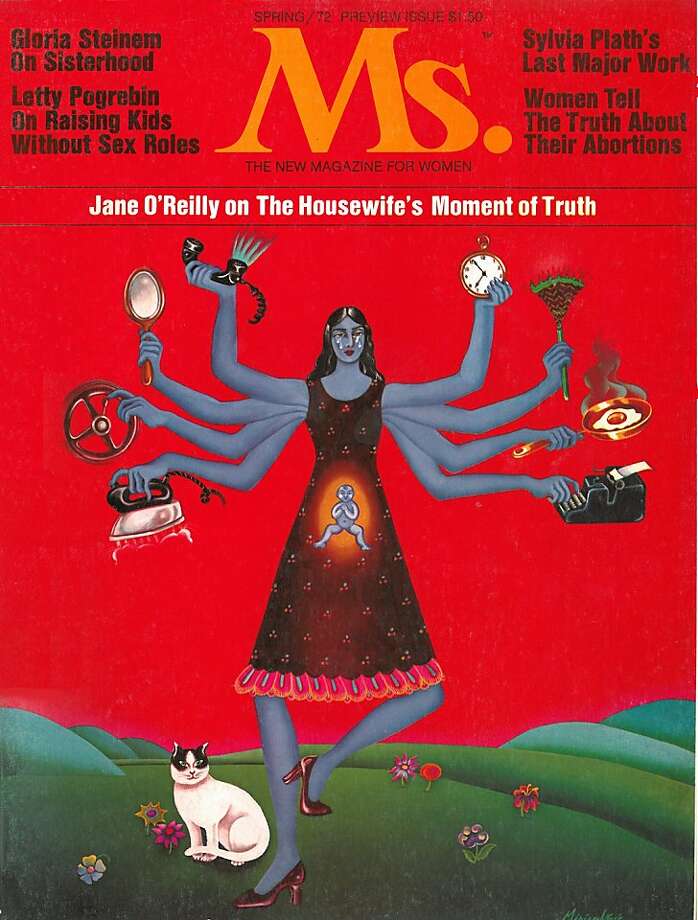
When the first issue of Ms. magazine appeared on newsstands in 1972, its impact was immediate and electric. On the cover was a striking illustration of a many-armed woman — part Hindu goddess, part suburban housewife — juggling a typewriter, an iron, a frying pan, and a baby. Inside were essays, manifestos, and reports that placed women’s lives at the center of journalism in a way that mainstream media had never dared. For the first time, women were reading a glossy national magazine not about diets or fashion, but about liberation.
A Movement Finds Its Platform
The early 1970s were the height of the women’s liberation movement in America. The Equal Rights Amendment was being debated, consciousness-raising groups were flourishing, and activists were challenging workplace discrimination, reproductive rights, and media stereotypes. Yet in publishing, women’s magazines still revolved around recipes, beauty advice, and heterosexual romance.
Ms. emerged as a radical alternative. Founded by journalist Gloria Steinem, together with Dorothy Pitman Hughes, Letty Cottin Pogrebin, and others, the magazine was first released as an insert in New York magazine. The response was overwhelming: 300,000 copies of the preview issue sold out in eight days; more than 26,000 readers sent in subscription checks.
Journalism Meets Activism
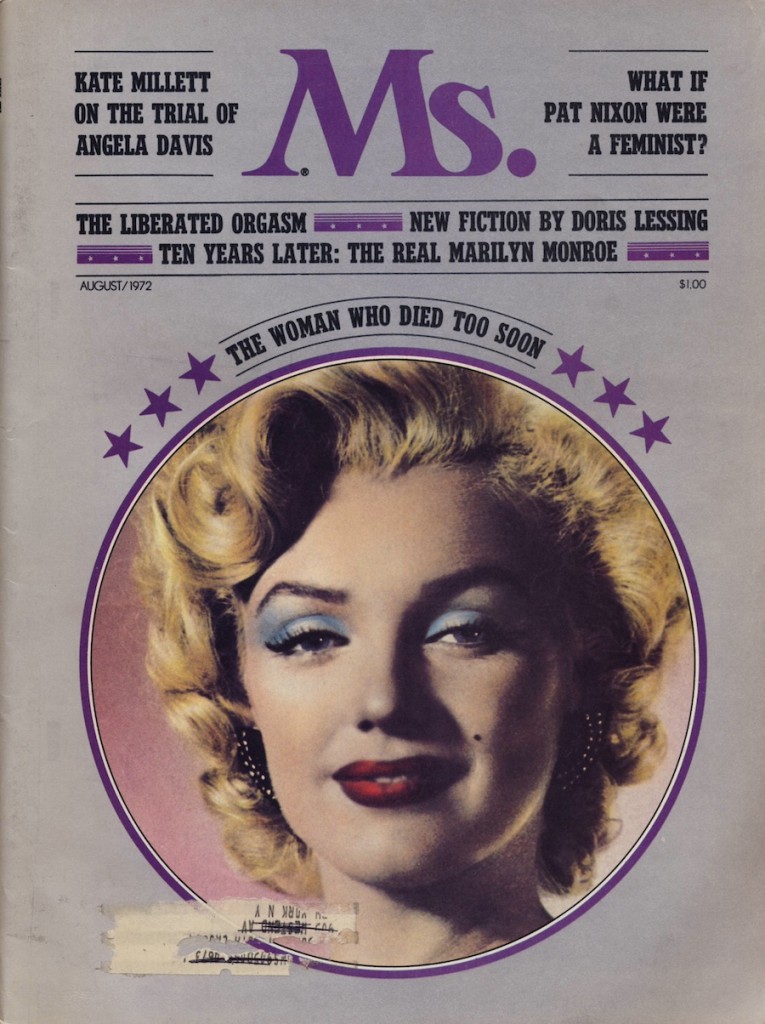
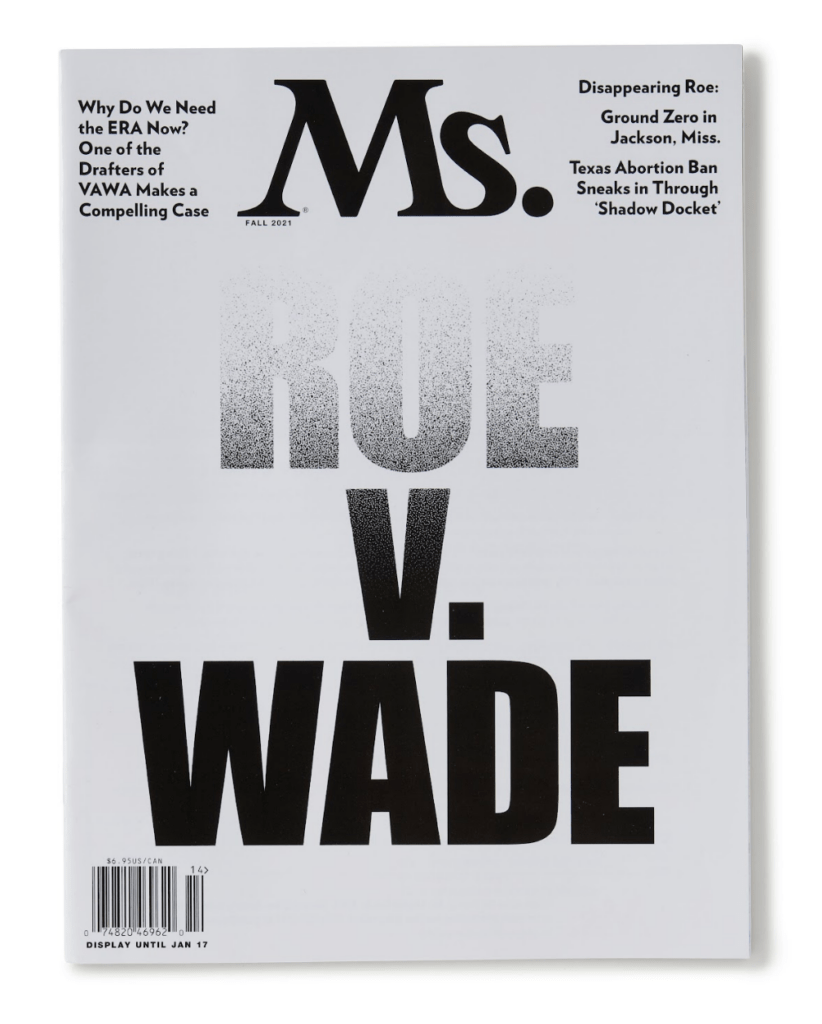
From the start, Ms. positioned itself as more than a magazine — it was a platform for the women’s movement. Its pages covered abortion rights before Roe v. Wade, exposed domestic violence when it was rarely discussed in public, and published the names of women admitting they had undergone abortions — an act of collective defiance.
The editorial tone was accessible but uncompromising. Articles ranged from political analysis to cultural criticism, from profiles of feminist leaders to practical guides on divorce law or workplace harassment. Ms. insisted that personal experience was political terrain, that stories about motherhood, marriage, or sexuality belonged alongside coverage of Capitol Hill.
Breaking Taboos
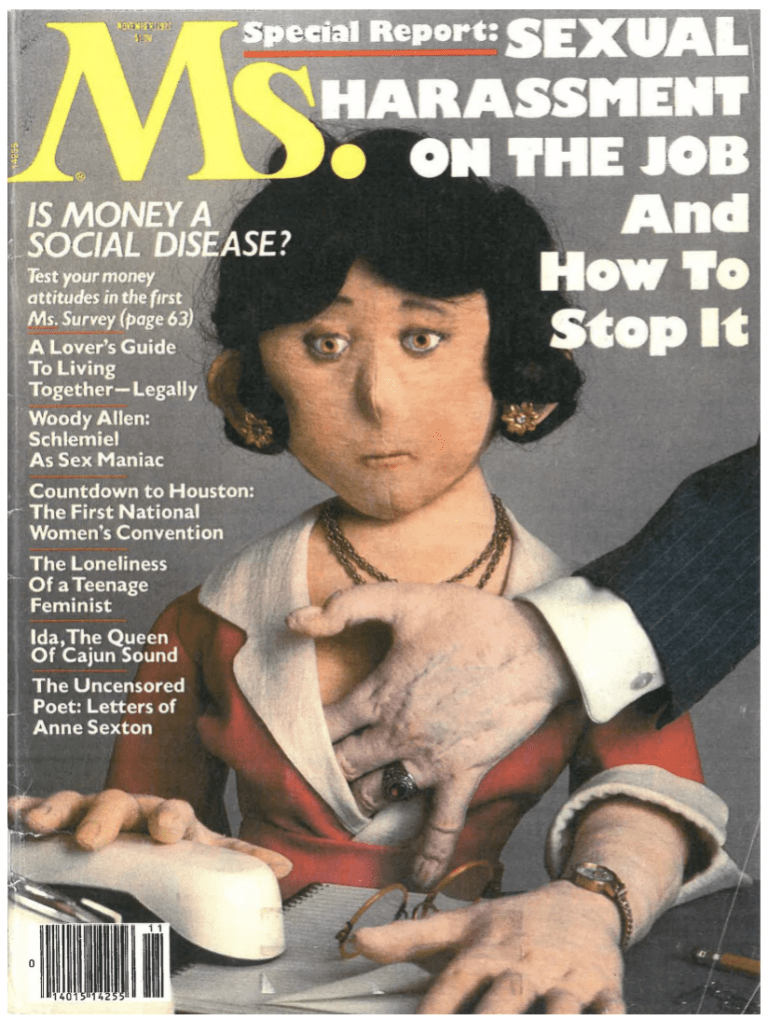
Ms. made headlines for tackling topics that mainstream outlets shied away from. In 1972, it published the first national story on battered women, challenging the silence around domestic abuse. It spotlighted lesbian lives at a time when they were almost invisible in print. And it ran essays on sexual harassment, coining a term for what millions of women had long endured but rarely named.
Its letters pages became a forum for voices that had been excluded from media. Readers shared intimate testimonies — of unequal pay, of unwanted pregnancies, of lives hemmed in by expectation — creating a national dialogue that mirrored the consciousness-raising circles of the movement.
The Critics and the Challenges
Success brought backlash. Detractors accused Ms. of undermining traditional values, of hating men, of being too radical — or, conversely, of being too middle-class and not radical enough. Financial stability was a constant struggle; advertisers were wary of associating with feminism, and some issues ran with fewer ads than pages.
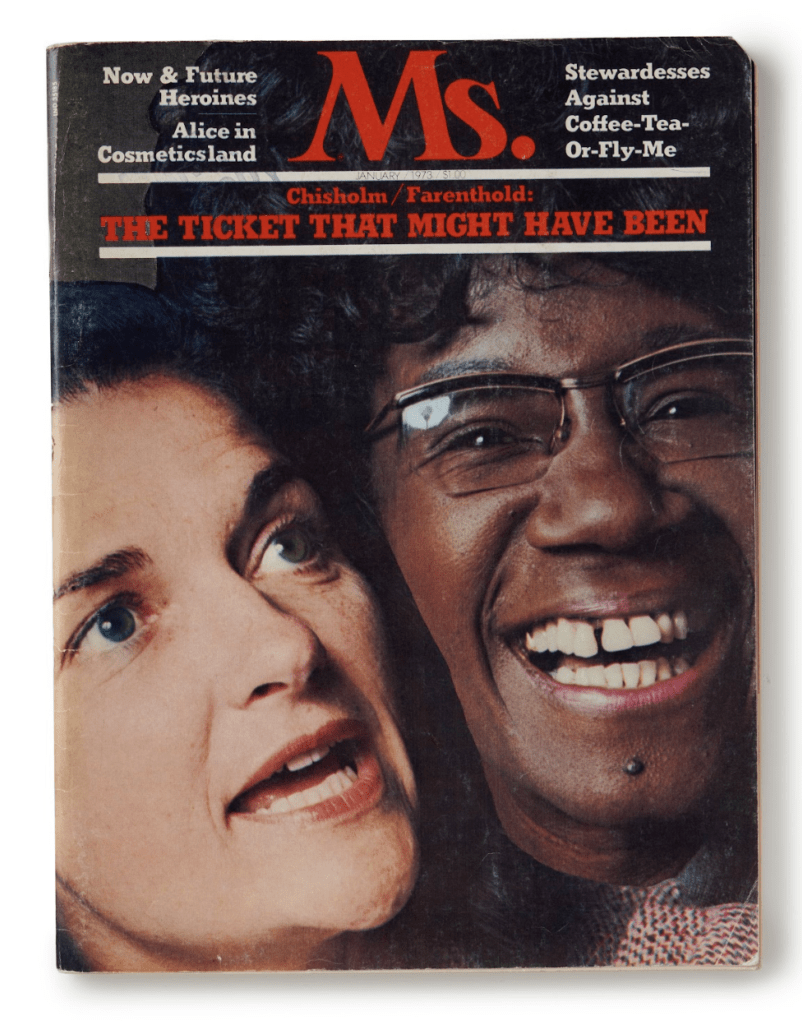
The magazine’s staff also wrestled with questions of inclusivity. In its early years, Ms. was often criticized for centering white, middle-class women’s experiences. Over time, it worked to broaden its coverage, amplifying the voices of women of color, working-class women, and global feminists.
A Lasting Legacy
Despite the challenges, Ms. has endured. It went monthly in 1973, shifted ownership several times, and became ad-free in the 1990s to preserve editorial independence. Today, published by the Feminist Majority Foundation, Ms. remains a vital voice, with a print edition, digital presence, and podcast.
Its legacy is vast. Ms. normalized feminist discourse in mainstream culture, influenced generations of writers and activists, and helped shape the national conversation on issues from reproductive rights to workplace equality. More than a magazine, it was an institution of feminist journalism — and a testament to the power of media to transform consciousness.
The Future of Feminist Media
Half a century after its founding, Ms. continues to inspire new forms of feminist publishing — online platforms, independent zines, global voices. Its endurance is proof that the questions it first asked are far from resolved: What does equality mean? Who gets to tell women’s stories? And how can journalism serve as activism?
As Gloria Steinem once remarked, “The truth will set you free, but first it will piss you off.” Ms. has never been afraid to do both.
 My World of Interiors