
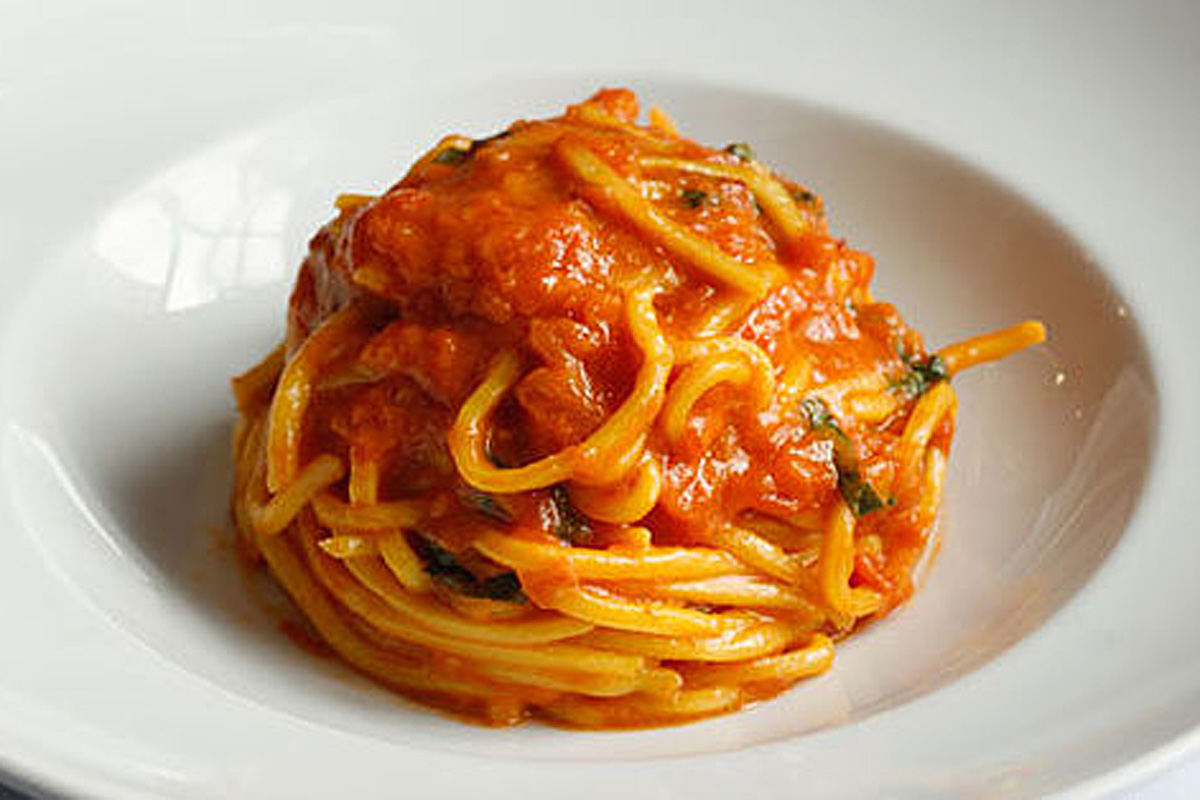
If French cuisine is a language of precision, Italian cuisine is a language of generosity. Rooted in simplicity and seasonality, it transforms the humblest ingredients — tomatoes, olive oil, flour — into poetry. More than any other national tradition, Italian cooking celebrates terroir: the soil, the sea, the sun. Its cornerstones, refined over centuries from Sicily to Lombardy, form one of the most beloved culinary identities in the world.
Cucina Povera, Cucina Nobile
Italian cuisine has always been defined by contrast. The cucina povera of peasants — polenta, bread soups, beans, and pasta — coexisted with the cucina nobile of aristocrats, rich in game, truffles, and elaborate pastries. Over time, the two intermingled, producing a tradition that values both simplicity and splendor.
The Sacred Trio: Olive Oil, Bread, Pasta
At the foundation lies the trinity of olive oil, bread, and pasta. Olive oil, “green gold,” has been pressed across the peninsula since antiquity. Bread, in its myriad regional forms — from Tuscan saltless loaves to Puglian focaccia — anchors every table. Pasta, fresh or dried, is Italy’s great democratic invention: endlessly adaptable, yet always elemental.
Regional Identities
Italian cuisine is not one but many.
- The North favors risotto, polenta, butter, and Alpine cheeses.
- The South celebrates tomatoes, eggplant, seafood, and pasta with bold flavors.
- Sicily blends Arab, Spanish, and Greek influences in citrus, saffron, and sweet-savoury combinations.
- Tuscany champions rustic purity: grilled meats, beans, olive oil.
Each region has its signatures, but all share a devotion to quality of ingredients and fidelity to tradition.
Cheese and Charcuterie
Parmigiano Reggiano, mozzarella di bufala, pecorino Romano — each cheese is a landscape. Add prosciutto di Parma, mortadella, salami, and bresaola, and you have a heritage of preservation and craft that defines Italy’s antipasto.
Wine as Companion
Italian wine is less ritual than companion. From Barolo to Chianti, Prosecco to Amarone, wine is woven into meals as naturally as bread. Each bottle speaks not only of grape but of village, hill, and tradition.
The Dolce Life
Dessert in Italy ranges from the simple — fresh fruit drizzled with honey — to the iconic: tiramisù, cannoli, panna cotta. Coffee, too, is ritual. The morning cappuccino, the post-dinner espresso — Italy gave the world not just a drink but a way of life.
The Eternal Table
What makes Italian cuisine enduring is its philosophy: food as pleasure, as gathering, as culture. It is not about complexity but clarity, not about performance but presence. To sit at an Italian table is to share in a tradition that honors season, place, and community — the eternal rhythms of life itself.
Five Essential Dishes of Italian Cuisine
- Risotto alla Milanese
– Creamy rice perfumed with saffron, a northern classic.
– Recipe: Serious Eats - Spaghetti al Pomodoro
– The ultimate in simplicity: pasta, tomatoes, olive oil, basil. Proof that less is more.
– Recipe: Eataly - Osso Buco
– Braised veal shanks with white wine, vegetables, and gremolata; Milanese comfort elevated.
– Recipe: Bon Appétit - Lasagna alla Bolognese
– Layered pasta sheets with ragù, béchamel, and Parmigiano — the essence of Emilia-Romagna.
– Recipe: Giallo Zafferano - Tiramisu
– Veneto’s gift to the world: layers of coffee-soaked ladyfingers, mascarpone cream, and cocoa.
– Recipe: BBC Good Food
Restaurants to Experience the Tradition
- Osteria Francescana, Modena – Massimo Bottura’s temple of reinvention.
- Da Enzo al 29, Rome – A Roman trattoria that exemplifies cucina povera with brilliance.
- Antica Focacceria San Francesco, Palermo – Historic Sicilian street food and tradition since 1834.
Producers & Shops
- Eataly – A global showcase of Italian ingredients.
- Consorzio Parmigiano Reggiano – The official home of Italy’s “king of cheeses.”
Wine & Coffee
- Marchesi Antinori – One of Italy’s oldest wine dynasties.
- Illy Coffee – Global ambassador of Italian espresso culture.
TL;DR
Italian cuisine is a philosophy of life: simple ingredients elevated by tradition, regional diversity, and devotion to pleasure. From risotto to tiramisù, it is less about recipes than about ritual — a cuisine where season, place, and joy come first.
 My World of Interiors