
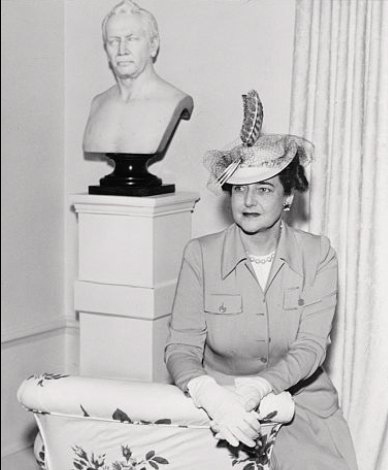
If Sister Parish was comfort and Billy Baldwin was restraint, Dorothy Draper (1889–1969) was pure theatre. The first woman to establish her own interior design firm in the United States, Draper turned interiors into grand spectacles of color and pattern. Her work blended baroque fantasy with modern scale, making her one of the most influential decorators of the 20th century.
Inventing a Profession
Born into New York society, Draper grew up surrounded by the opulence of Fifth Avenue mansions. In 1925, she founded the Architectural Clearing House, later Dorothy Draper & Company, effectively professionalising interior decoration at a time when it was considered a genteel pastime rather than a career. She pioneered the idea of the decorator as a brand — her name itself became synonymous with glamour.
The Draper Look
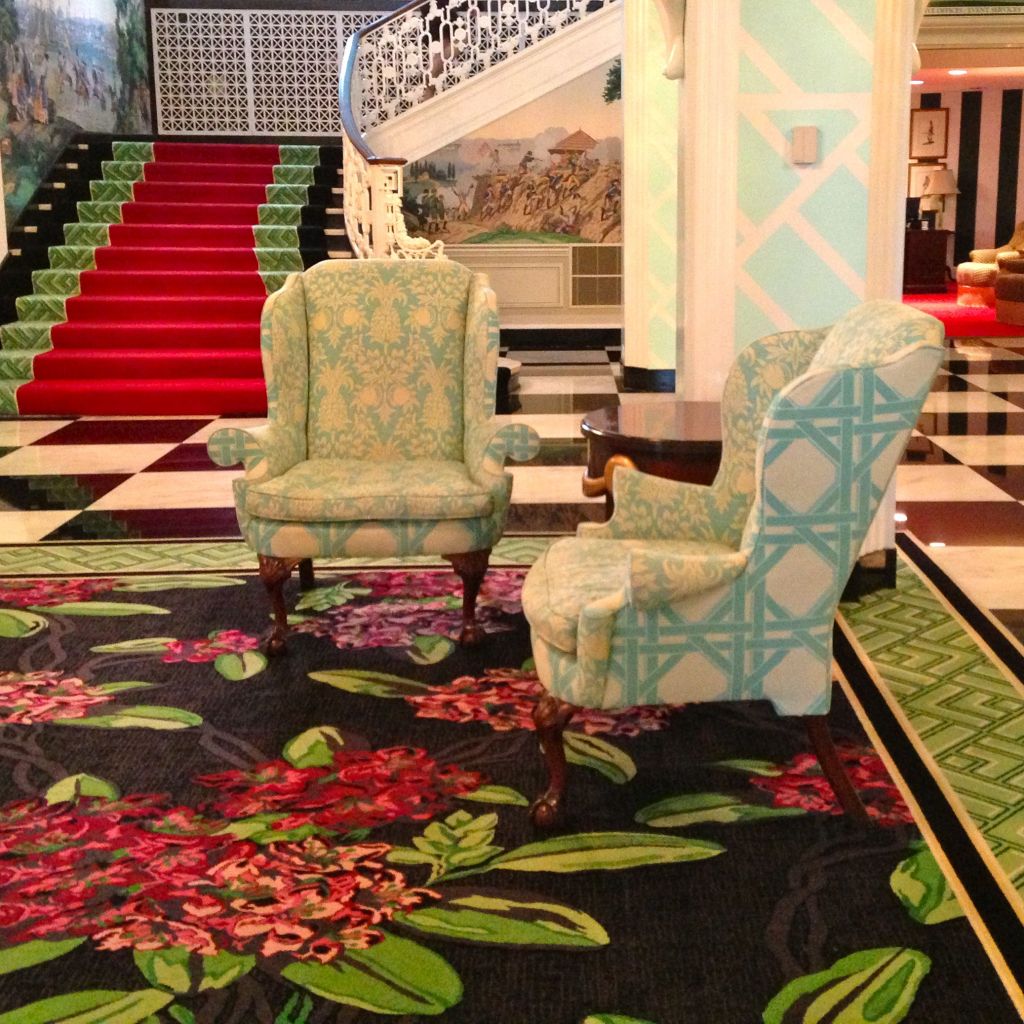
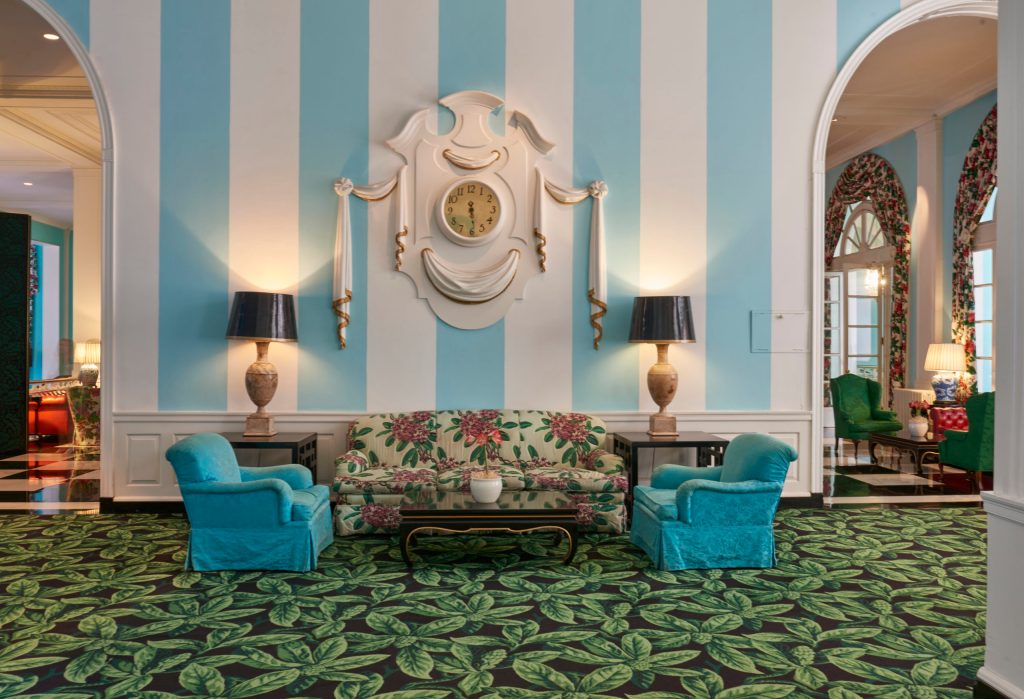
Draper’s aesthetic was fearless and unapologetic. She embraced oversized scale and bold contrasts: black-and-white checkered floors, acid greens against hot pinks, floral chintz clashing with baroque scrollwork. Her guiding principle was simple: “If it looks right, it is right.”
She rejected timidity in interiors, declaring war on beige and understatement. Instead, she used “modern baroque” flourishes — oversized plaster moldings, dramatic mirrors, theatrical draperies — to create spaces that were exuberant, optimistic, and unmistakably American.
Hotels as Fantasy
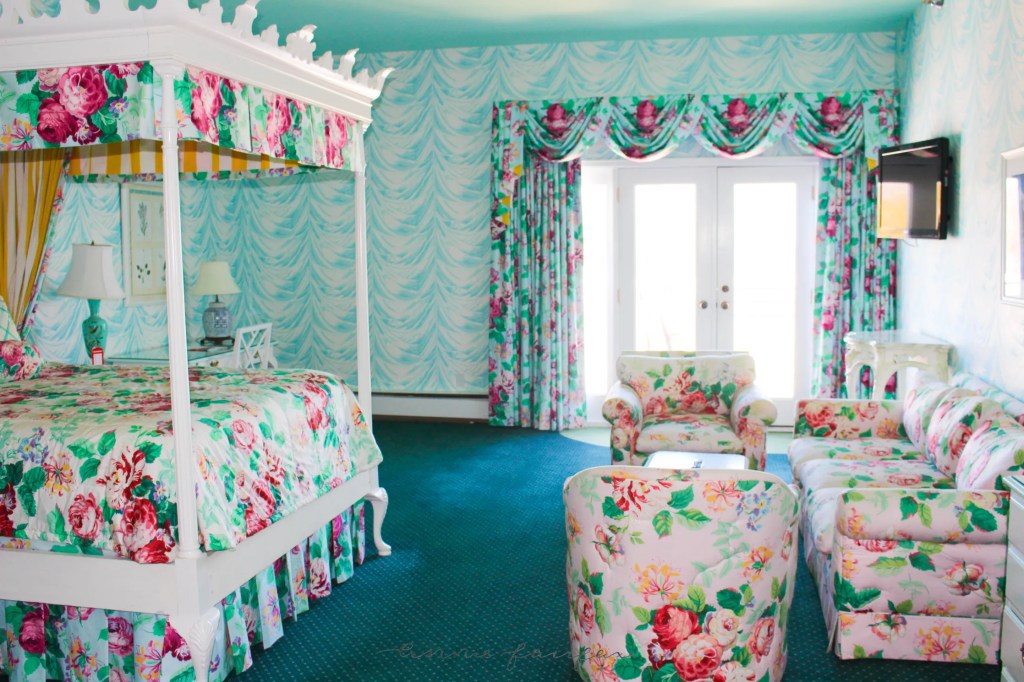
Her genius found its fullest expression in public interiors. In the 1930s and ’40s, Draper transformed hotels into immersive environments of style. The Carlyle Hotel in New York, the Palmer House in Chicago, and most famously the Greenbrier in West Virginia bear her unmistakable signature: vast lobbies, riotous florals, and color schemes as vivid as stage sets.
At the Greenbrier, renovated after World War II, Draper created what she called “American baroque” on a monumental scale: striped walls, painted floors, and custom wallpapers in fantastical botanical motifs. The result remains one of the most iconic hotel interiors in the world.
Books and Influence
Draper understood the power of media. Her 1939 book Decorating Is Fun! became a bestseller, encouraging ordinary Americans to embrace boldness at home. She argued that rooms should make people happy, not intimidated. In 1941 she followed with Entertaining Is Fun!, extending her philosophy to the rituals of hospitality.
Enduring Legacy
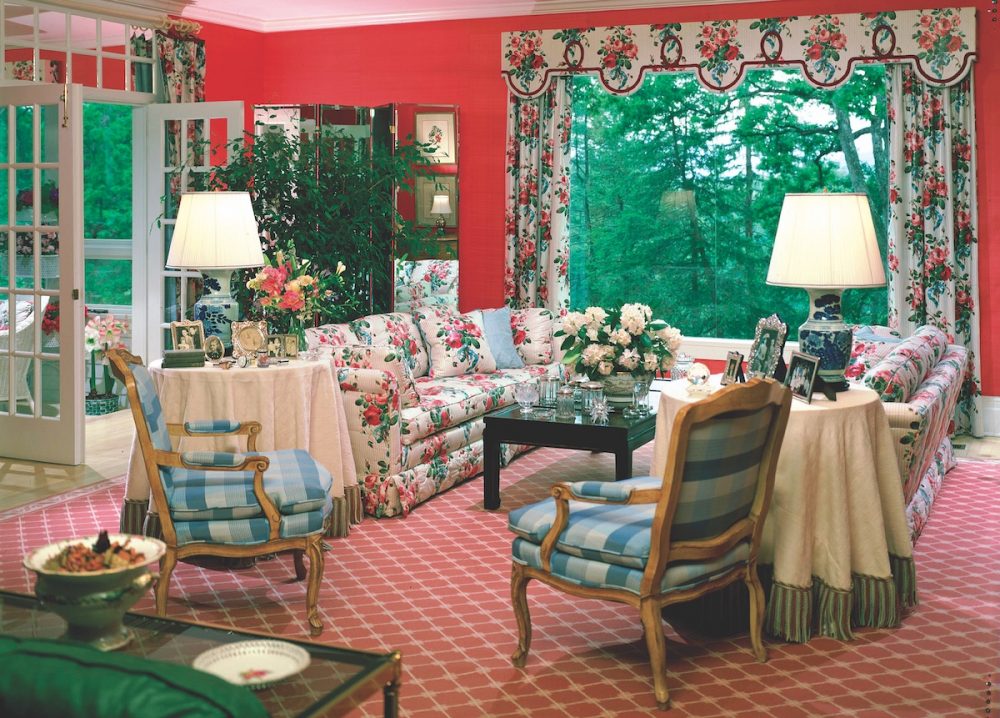
Though tastes shifted toward minimalism after her death, Draper’s influence endures. Designers like Jonathan Adler, Kelly Wearstler, and Miles Redd openly draw from her playbook of scale, color, and theatricality. At the Greenbrier, Dorothy Draper & Company — now led by her protégé Carleton Varney until his passing in 2022 — continues to preserve her signature vision.
The Spirit of Glamour
Dorothy Draper gave America permission to be bold. She rejected timidity, embraced joy, and taught a nation that interiors could be as dramatic as opera. Her work is proof that glamour is not frivolity but confidence — the confidence to live amid color, pattern, and scale that refuse to apologize.
Five Signature Ideas of Dorothy Draper
1. Black-and-White Checkered Floors
Her most iconic motif — bold, graphic, and endlessly adaptable. For Draper, the floor was a stage.
2. “Shocking” Color Combinations
Hot pink with acid green, turquoise with chartreuse: Draper reveled in color clashes that became her trademark.
3. Overscale Details
From massive plaster moldings to giant botanical prints, Draper exaggerated scale to create drama.
4. Theatrical Hotels
She reinvented hotel interiors as glamorous destinations in themselves, most notably the Greenbrier.
5. Decorating as Fun
Through her books, she insisted that interiors should spark joy and banish fear. Design, for her, was democratic theatre.
Lifestyle Notes
Books
- Decorating Is Fun! – Draper’s classic, still in print.
- Entertaining Is Fun! – A guide to hospitality as performance.
Key Projects
- The Greenbrier, West Virginia – Her magnum opus of “modern baroque.”
- The Carlyle Hotel, New York – Draper’s chic Manhattan statement.
- Palmer House, Chicago – Grandeur reimagined for a modern era.
Legacy
- Dorothy Draper & Company – The design firm she founded, still active today.
- Cooper Hewitt, Smithsonian Design Museum – Holds archival material on Draper’s work.
TL;DR
Dorothy Draper transformed interiors into theatre. With black-and-white floors, clashing colors, and overscale details, she gave American design a vocabulary of glamour. At the Greenbrier and beyond, her work embodied confidence and optimism — proof that the boldest interiors are the ones that dare to delight.
 My World of Interiors