
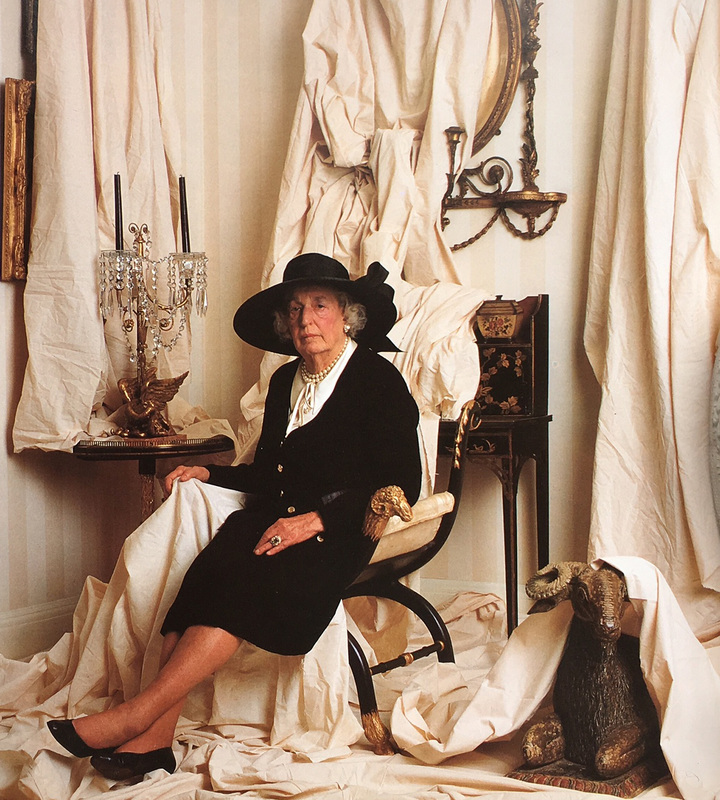
In the story of American interiors, Sister Parish (1910–1994) holds a singular place. She was the decorator who brought comfort and informality back into the home, championing chintz and patchwork at a time when grand houses risked becoming stiff museums. As co-founder of Parish-Hadley Associates, she helped shape the look of the Kennedy White House and defined a distinctly American style: warm, personal, and lived-in.
A Yankee Eye
Born Dorothy May Kinnicutt in 1910, she grew up in the genteel world of old New England families. Nicknamed “Sister” since childhood, she began decorating professionally in the 1930s after her husband’s Wall Street losses during the Depression. Without formal training, she relied on instinct, memory, and an appreciation of the American vernacular: quilts, wicker, painted furniture, and braided rugs.
The Parish Aesthetic
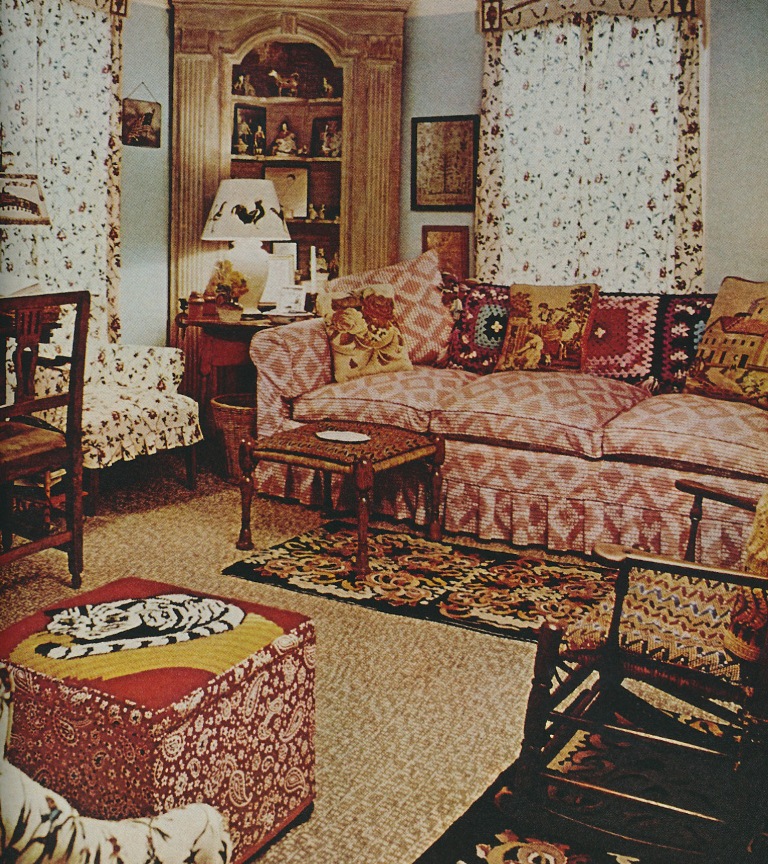
Parish’s genius was to make elegance comfortable. She loved floral chintzes, needlepoint cushions, ticking stripes, and informal mixes of high and low. She revived interest in early American furniture and craft traditions, pairing them with antiques and contemporary pieces in ways that felt both traditional and fresh.
Her rooms looked collected rather than imposed. They invited people to sit, read, and live. Parish believed that a room’s greatest luxury was warmth, and she distrusted anything too perfect or contrived. “In decoration,” she once said, “comfort is not a detail — it is the essence.”
The White House Years
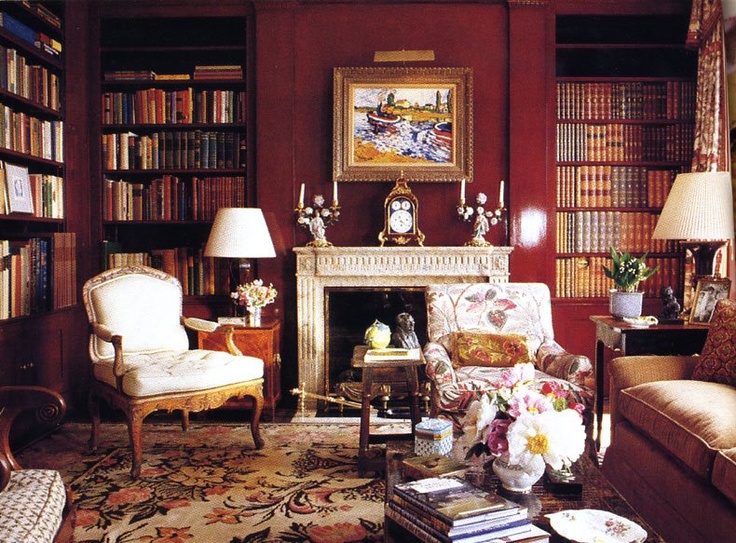
In 1961, First Lady Jacqueline Kennedy hired Parish to decorate the family quarters of the White House. Parish brought in slipcovers, bright prints, and relaxed arrangements, softening the grandeur of official spaces. She later partnered with Albert Hadley to form Parish-Hadley Associates, a firm whose influence extended across America’s elite interiors for decades.
Parish-Hadley: A Partnership of Opposites
Parish’s love of chintz and country comfort found its counterpoint in Hadley’s modern polish and sense of proportion. Together, they balanced tradition and innovation, working for clients such as Brooke Astor, the Gettys, and Oscar de la Renta. Parish provided warmth, Hadley brought clarity — and together, they created an aesthetic that shaped the American interior for half a century.
A Lasting Legacy
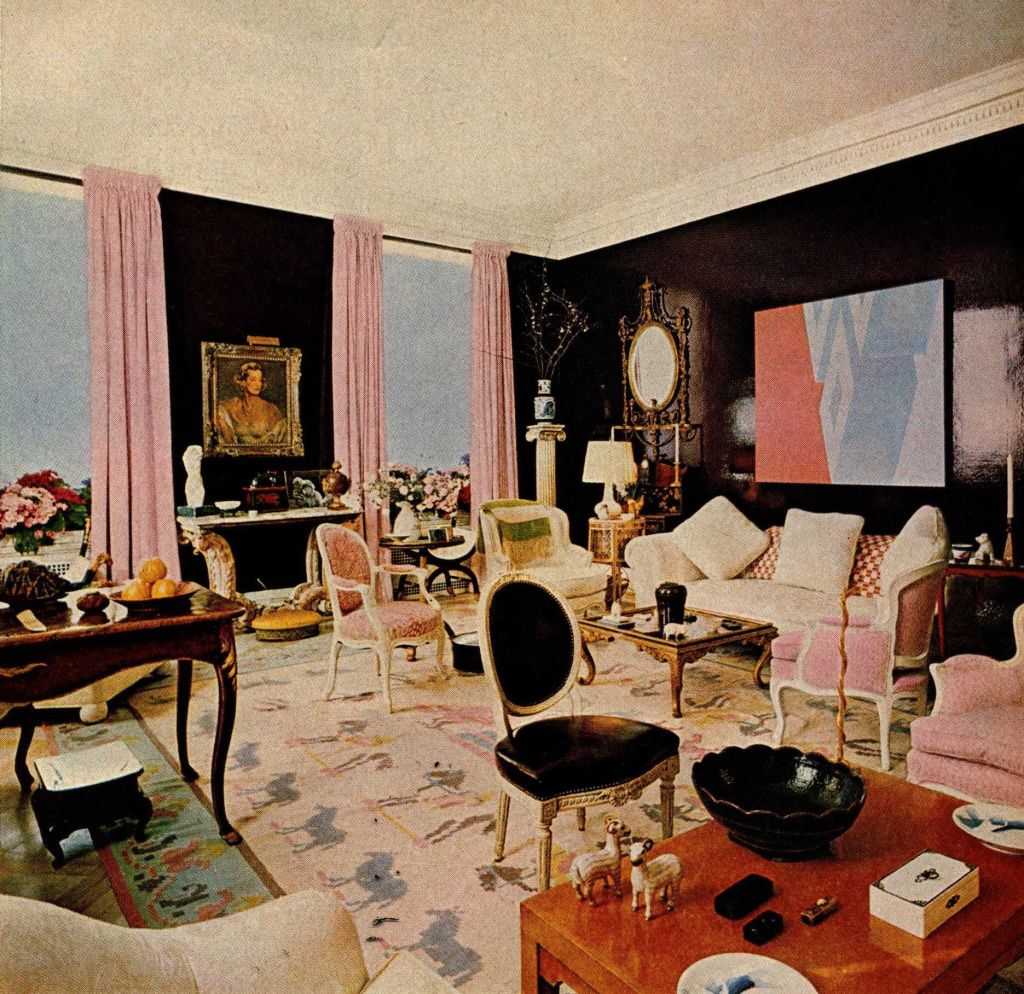
By the 1980s, minimalism had come to dominate design, but Parish’s influence endured. Designers from Bunny Williams to Mario Buatta acknowledged her role in reviving comfort, personality, and the “collected” look. Today, in an era that values authenticity and eclecticism, her approach feels more relevant than ever.
Five Signature Ideas of Sister Parish
1. Chintz with Charm
Parish adored floral chintz — often layered on curtains, upholstery, and cushions — to soften rooms and bring a garden indoors.
2. The Collected Room
She believed homes should feel personal, filled with inherited objects, painted furniture, and books — a mix that suggested history rather than showroom polish.
3. Quilts and Americana
Reviving early American traditions, Parish incorporated patchwork quilts, braided rugs, and Windsor chairs, proving that vernacular design could be elegant.
4. Comfortable Seating
Slipcovered sofas, plump armchairs, and furniture arranged for conversation were central. Comfort was never negotiable.
5. Pattern Play
Stripes, florals, and needlepoint often coexisted in the same room. Parish had an instinct for layering pattern in ways that felt charming rather than chaotic.
Lifestyle Notes
Books
- Sister Parish: The Life of the Legendary American Interior Decorator – Memoir-biography by her granddaughter.
- Parish-Hadley Tree of Life – Collection of essays by designers trained under Parish-Hadley.
Key Projects
- The White House, Washington D.C. – Family quarters for the Kennedys.
- Astor Residence, New York – Warm, eclectic grandeur.
- Parish-Hadley Portfolio – Projects for America’s social and cultural elite.
Museums & Archives
- Winterthur Museum – Collections reflecting the American decorative traditions Parish revived.
- Parrish Art Museum – A namesake coincidence, but a leading institution on American domestic aesthetics.
TL;DR
Sister Parish redefined American interiors by placing comfort at the center of style. With chintz, quilts, slipcovers, and personal collections, she softened grandeur into intimacy and helped shape the White House itself. Her legacy is the idea that true luxury lies not in perfection, but in a room that feels like home.
 My World of Interiors