

Every year, as midnight approaches, the world holds its breath. Glasses are lifted, clocks tick down, crowds gather in squares and living rooms alike. The turning of the year is both the simplest of rituals — the passage of time — and the most charged: a moment that transforms calendars into ceremonies, routine into theatre.
Ancient Beginnings
The idea of a “new year” is older than our modern celebrations. The Babylonians marked their year with Akitu, a spring festival of renewal. The Romans dedicated the Kalends of January to Janus, the two-faced god of beginnings and endings, whose gaze looked both backward and forward. From the start, New Year’s has been about liminality: a hinge between what has been and what may come.
The Midnight Hour
Why midnight? Because it is the boundary of night and day, a time that feels suspended. Church bells ringing across Europe, temple bells sounding 108 times in Japan, fireworks exploding over Sydney Harbour — these rituals are as much about marking passage as about conjuring protection. Midnight is less about the hour itself than the sense of crossing over, together.
Food as Symbol
Cultures have long sought to eat their way into fortune:
- In Spain, twelve grapes are consumed at midnight, each one for luck in the months ahead.
- In Italy, lentils are eaten for prosperity, their coin-like shape promising wealth.
- In Japan, long soba noodles are savoured, symbolising long life and continuity.
- In the American South, collard greens and black-eyed peas mark abundance and resilience.
These foods are edible charms, sustaining body and spirit alike.

The Resolution
The tradition of making resolutions dates back to antiquity. Romans promised Janus good conduct for the year ahead; medieval knights took a “peacock vow” of renewed honour. Today’s gym memberships and journal entries are their descendants — secular but still ritualistic attempts to bind the self to renewal. Resolutions are less about achievement than about hope: the belief that the future is malleable.
The Aesthetic of Celebration
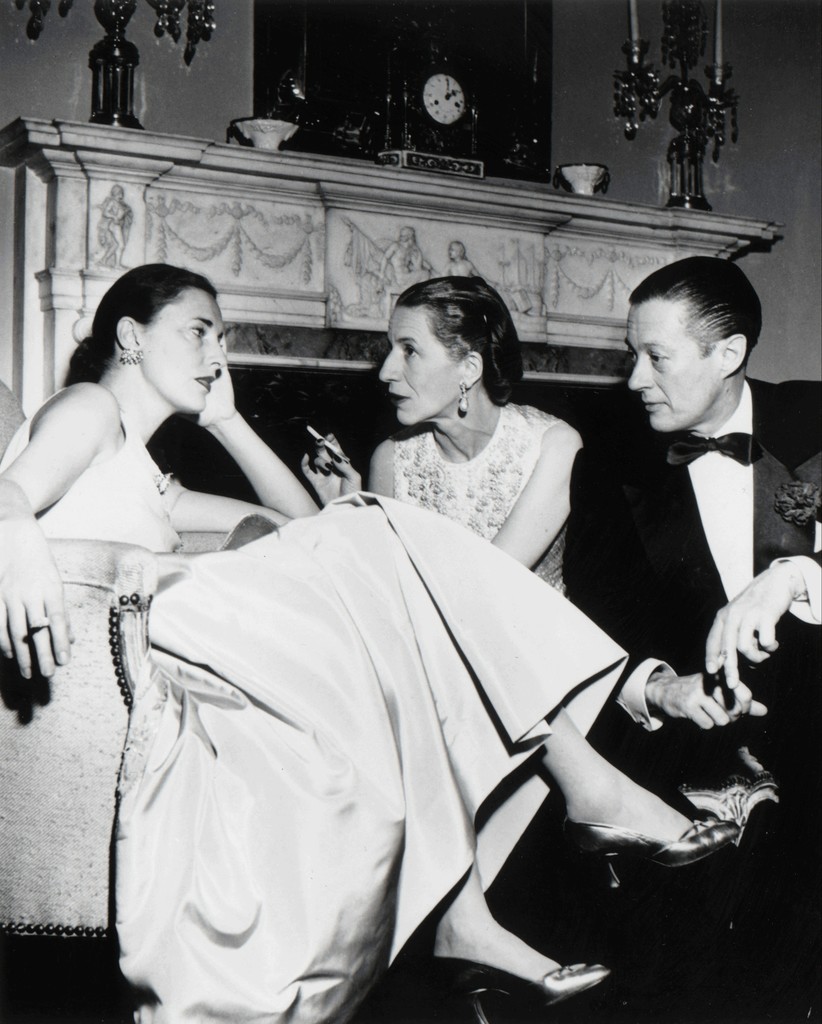
From sequined gowns and black-tie dinners to candlelit gatherings at home, the style of New Year’s Eve is itself a ritual of renewal. Clothing, glassware, even the music we choose become symbols of transition. Champagne, with its effervescence, is not only a drink but a metaphor: bubbles rising, the taste of fleeting joy captured in a glass.
All That Glitters:
Symbolic Foods
- La Boqueria Market, Barcelona – Source your midnight grapes with Iberian tradition.
- Eataly – Italian panettone, lentils, and celebratory sweets.
- Japan Centre – Authentic soba noodles for toshikoshi (year-crossing) meals.
Champagne & Glassware
- Moët & Chandon – The champagne house most synonymous with celebration.
- Dom Pérignon – A ritual in a bottle.
- Baccarat – Crystal flutes that elevate midnight to theatre.
Global Rituals
- Edinburgh’s Hogmanay – Fire festivals, music, and midnight kisses in Scotland.
- Shōgatsu in Japan – Temple bells and family rituals of renewal.
- Times Square Ball Drop – The most televised ritual of midnight in the modern world.
TL;DR
New Year’s Eve is more than a party — it is humanity’s shared rite of passage. From ancient vows to champagne toasts, from grapes in Madrid to bells in Kyoto, it is a global choreography of renewal. Midnight becomes myth, and joy itself becomes ritual: a promise, however fragile, that life can always begin again.
 My World of Interiors