
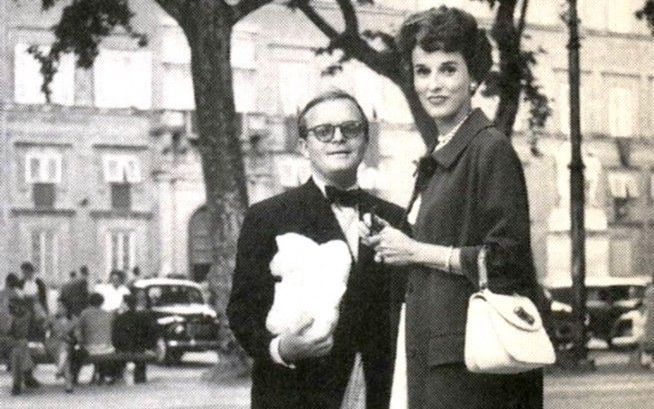
In the gilded world of mid-century society, there existed a rarefied circle of women who seemed to embody elegance itself. They were wealthy, beautiful, impeccably dressed — but above all, they were admired for their poise. Truman Capote, who both adored and betrayed them, christened them his “swans.” To this day, their names evoke a tableau of couture gowns, Fifth Avenue salons, and afternoons in Palm Beach.
The Cult of the Swan
Capote understood instinctively that these women were more than socialites; they were living works of art. He called them swans because, like the bird, they appeared serene on the surface while paddling furiously beneath. They represented, to him, the pinnacle of grace and the loneliness that often accompanied it. In their company, Capote found both inspiration and material, treating their lives as a novel unfolding in real time.
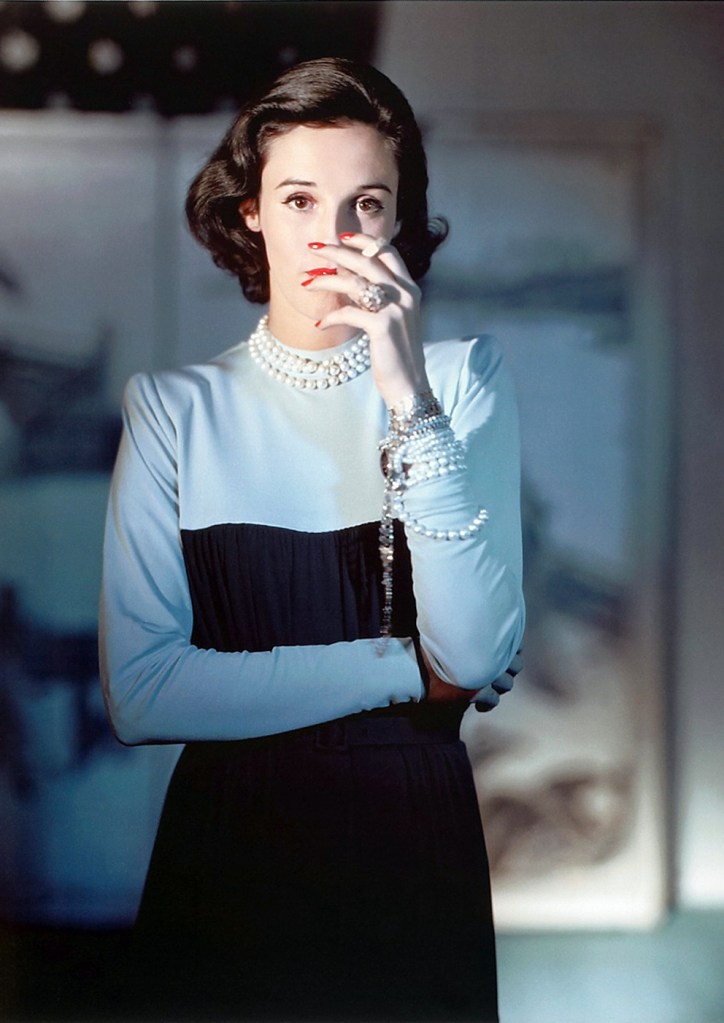
Babe Paley
At the center was Babe Paley, whom Capote declared “perfection.” She embodied the aesthetic of polish, from her scarf-tied Hermès handbags to her Billy Baldwin–designed interiors. Babe was the epitome of the swan: exquisitely composed, privately fragile.
Slim Keith
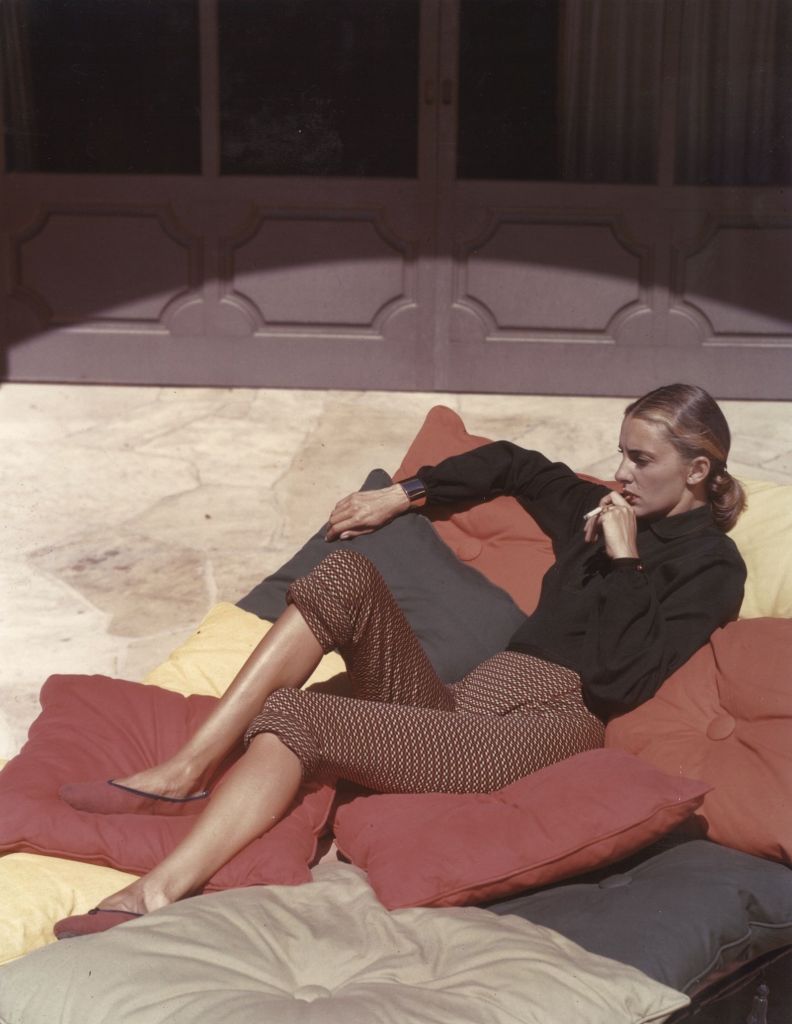
If Babe was polish, Slim Keith was presence. The California-born socialite, once married to film director Howard Hawks, was tall, brash, and witty — the one who introduced Capote to Ernest Hemingway. Slim’s style was more tailored than ornamental: trousers, crisp shirts, a certain masculine chic that made her a muse for American sportswear.
CZ Guest
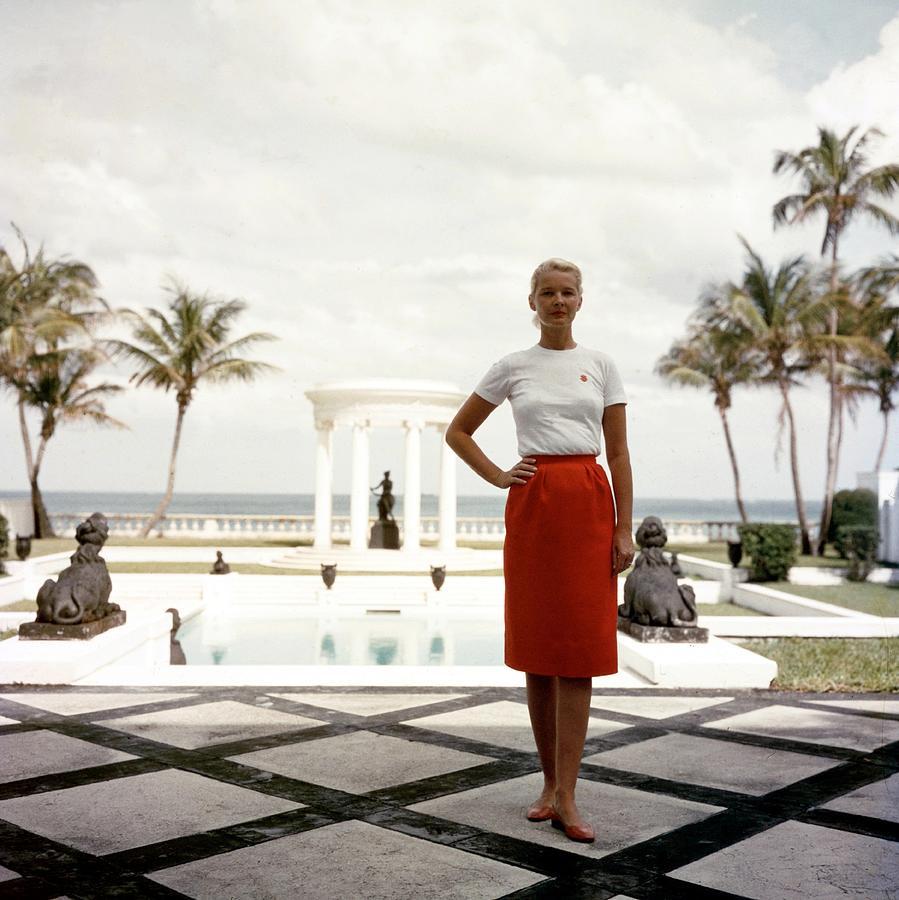
C.Z. Guest exuded equestrian glamour. Blonde, statuesque, and aristocratic, she was photographed by Cecil Beaton and painted by Salvador Dalí. An accomplished gardener and author, she bridged society and culture, making her Palm Beach estate a salon of its own.
Gloria Guinness
Gloria Guinness, born in Mexico and married into European aristocracy, was considered one of the best-dressed women in the world. Her style was cosmopolitan: Balenciaga suits, Givenchy gowns, jewels that spoke of both restraint and fortune. She embodied the mystery of the swan — beautiful, elusive, untouchable.
Lee Radziwill
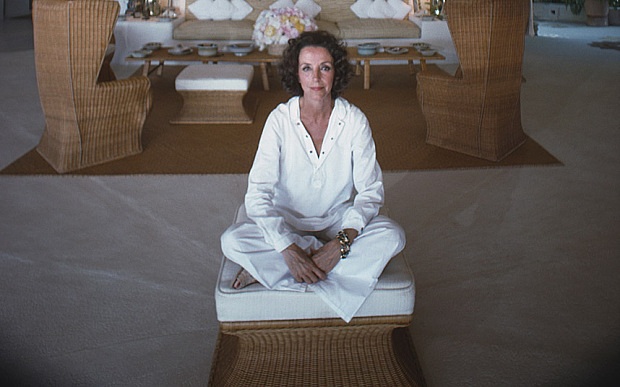
Lee Radziwill, Jackie Kennedy’s younger sister, combined aristocratic connections with a fragile charm. Her interiors, designed with the likes of Renzo Mongiardino, were celebrated in Architectural Digest. To Capote, she was both confidante and character, her life forever shadowed by her sister’s legend.
From Inspiration to Betrayal
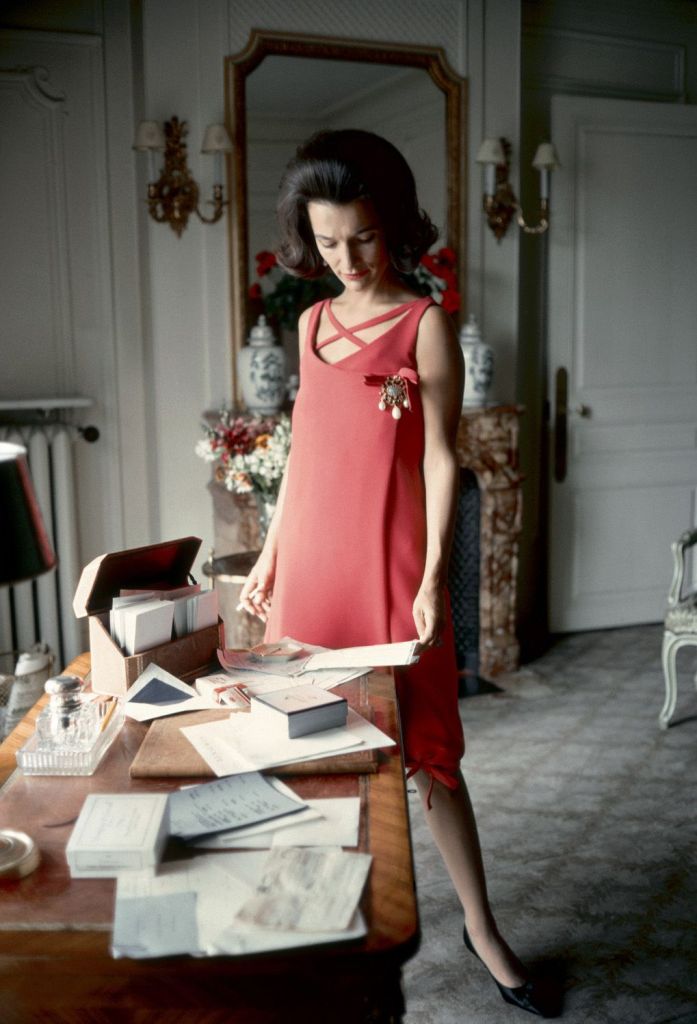
Capote adored his swans, drawing from their lives a glamour that fed his own imagination. Yet his unfinished novel Answered Prayers (serialized in Esquire in the 1970s) turned their confidences into thinly veiled caricature. Babe, Slim, Gloria, Lee — all recognised themselves in his cruel portraits. The betrayal ended friendships that had defined him. For Capote, the swans were his greatest creation, but also his undoing.
Legacy of the Swans
Today, the swans endure as archetypes of style. They remind us of a society where fashion, interiors, and social ritual converged into performance art. They were not politicians or moguls; their influence was more elusive. Yet in their clothes, their homes, their presence, they created an aesthetic standard that continues to shape our imagination of elegance.
Lifestyle Picks:
Fashion Houses of the Swans
- Balenciaga – Worn by Babe Paley, Gloria Guinness, and Lee Radziwill in its golden couture era.
- Givenchy – A favourite of Gloria Guinness and C.Z. Guest.
- Hermès – Scarves immortalised by Babe Paley’s effortless style.
Interiors & Designers
- Billy Baldwin – Designed Babe Paley’s Manhattan apartment.
- Sister Parish – Brought warmth and American comfort into swan households.
- Renzo Mongiardino – Collaborated with Lee Radziwill on theatrical interiors.
Cultural Footprint
- Esquire Archive – Where Answered Prayers first appeared, igniting scandal.
- Cecil Beaton Studio Archive – Photographer of Babe, C.Z., and Gloria.
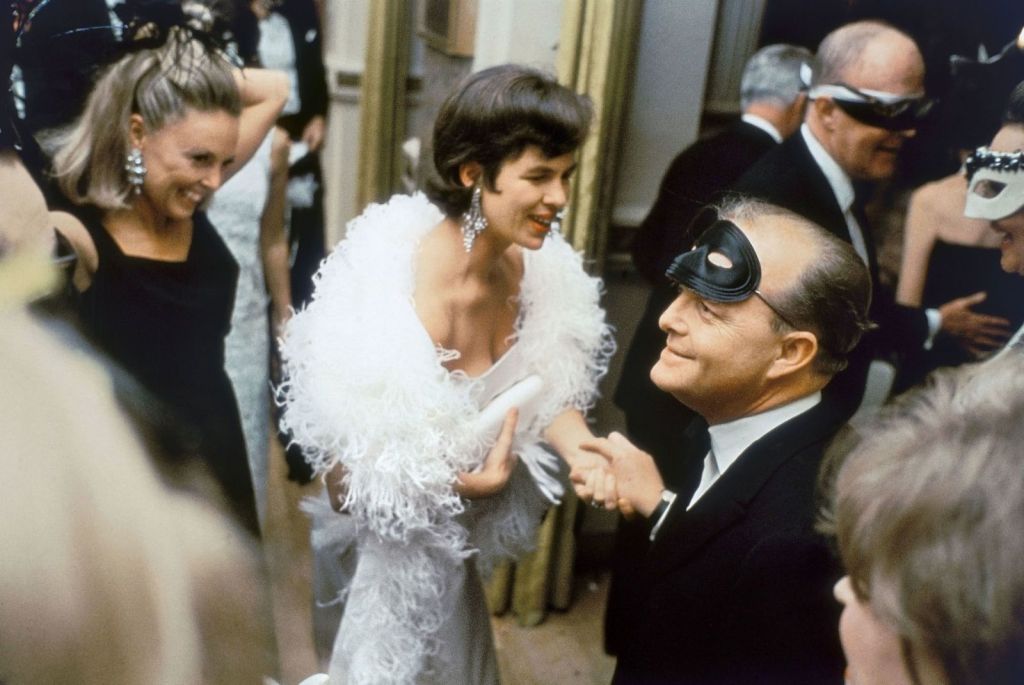
- Capote’s Black and White Ball – The 1966 masquerade where swans glittered most brightly.
TL;DR
Capote’s swans were more than society wives: they were embodiments of a mid-century ideal of elegance, their lives curated like art. Babe Paley, Slim Keith, C.Z. Guest, Gloria Guinness, and Lee Radziwill defined not only style but an era. They glide still in memory — graceful, enigmatic, reminders of a vanished world where beauty itself was performance.
 My World of Interiors