
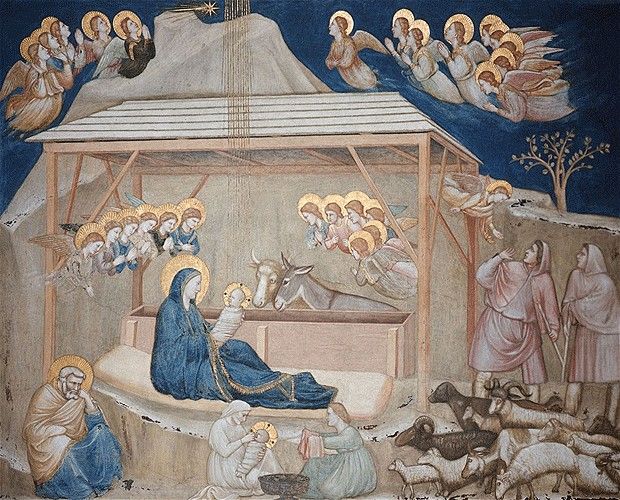
At the heart of Christmas lies a paradox: it is a winter festival defined not by abundance of daylight, but by its absence. The long nights of December, when the sun lingers low and the world feels suspended, have always demanded light as response. Candle, lantern, and flame: these are not mere decorations, but rituals of defiance, hope, and renewal.
Pagan Fires and Solstice Flames
Before Christianity, the winter solstice was marked with bonfires and torches across Europe, celebrating the sun’s return. The Yule log, burned in Nordic tradition, embodied both warmth and continuity — a spark carried from one year to the next.
Light as Revelation
With the Nativity, light acquired sacred weight. The star over Bethlehem became a beacon of guidance, while midnight masses in candlelit churches made illumination a metaphor for faith breaking through darkness. The Advent wreath, with candles lit week by week, is a ritual choreography of growing brightness against the longest nights.
Domestic Glow
In homes, candles on tables, lanterns in windows, and later electric fairy lights transformed private spaces into sanctuaries of warmth. Each flame or bulb carried symbolic weight: a welcome to strangers, a marker of safety, a promise of joy.
Urban Spectacle
From the 19th century onwards, city streets embraced light as civic theatre. Parisian boulevards strung with lamps, New York’s Rockefeller Center tree, Vienna’s chandeliers suspended over Graben — these illuminations became communal rituals, dissolving the darkness of winter into collective brilliance.
The Aesthetic of Contrast
The beauty of Christmas light lies in its contrast. Candles matter because nights are long, fairy lights because skies are dark, stained glass because winter sun is low. The season stages its poetry on the tension between shadow and glow — a reminder that light is never so powerful as when it pushes against darkness.
Christmas Picks:
- St. Lucia Festival – Sweden’s ritual of light in the darkest days of December.
- Rockefeller Center – New York’s iconic illuminated tree.
- Vienna Christmas Lights – Baroque grandeur transformed into radiant winter chandeliers.
- Lausanne Festival of Lights – Contemporary installations that play with the theme of light in winter.
- Georg Jensen – Silver candleholders marrying design and symbolism.
TL;DR
Christmas light is not just spectacle — it is symbol. From solstice bonfires to Advent candles, from stars over Bethlehem to city streets ablaze, it represents continuity, community, and hope. Against the longest nights, light at Christmas is both necessity and metaphor: a reminder that brightness is most radiant when set against shadow.
 My World of Interiors