
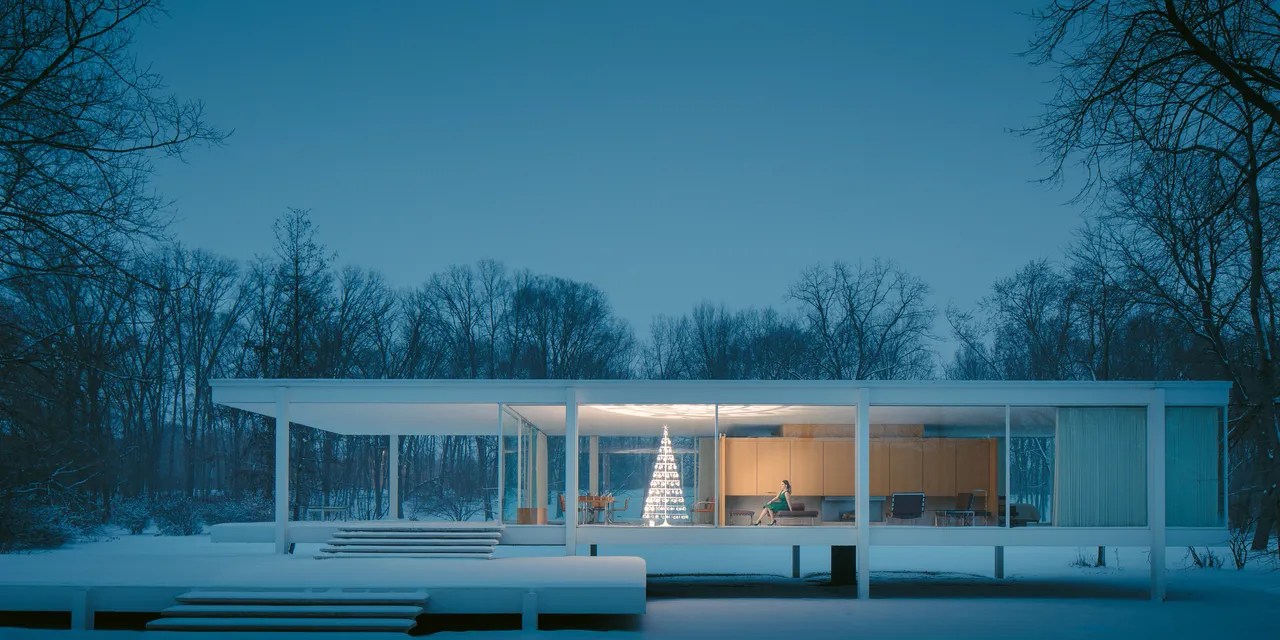
Few symbols of the season are as instantly recognisable as the Christmas tree. Whether crowned with an angel, dripping in glass baubles, or pared back with candles and citrus, the tree has become a universal emblem of winter celebration. Yet its story is as layered as its branches — a tale of pagan ritual, royal fashion, and 20th-century reinvention.
Pagan Roots to Christian Symbol
Long before it became entwined with Christmas, evergreens were celebrated in winter festivals across Europe. For pagans, firs and spruces symbolised life persisting through the darkest months. In medieval Germany, decorated “Paradise Trees” were used in mystery plays performed on Christmas Eve, a ritual that foreshadowed the modern tradition.
A Royal Adoption
The Christmas tree as we know it spread widely in the 19th century, when Queen Victoria and Prince Albert were depicted in The Illustrated London News (1848) gathered with their children around a decorated fir at Windsor Castle. The image captivated Britain and beyond, cementing the tree as a fashionable domestic centrepiece.
Ornaments of Industry
The Industrial Revolution brought mass-produced decorations: German glass baubles from Lauscha, silver tinsel from Nuremberg, and cardboard angels stamped with gilt. By the early 20th century, department stores from Berlin to New York made the Christmas tree the cornerstone of festive display, blending commerce with tradition.
Modern Trees, Modern Meanings
In the mid-20th century, Christmas trees took new forms: aluminium trees in the 1950s, avant-garde designs by modernists in the 1960s, and in recent decades, eco-friendly alternatives crafted from wood, paper, or even recycled materials. Today, style ranges from opulent themed trees at the Metropolitan Museum of Art to minimalist Scandinavian spruces lit only by beeswax tapers.
A Canvas for Style
The tree endures because it is endlessly adaptable: a site for family heirlooms, children’s handmade ornaments, or the refined palettes of designers. Whether in Baroque gilt, mid-century glass, or Nordic restraint, it is both personal and universal — a living canvas on which each generation writes its festive story.
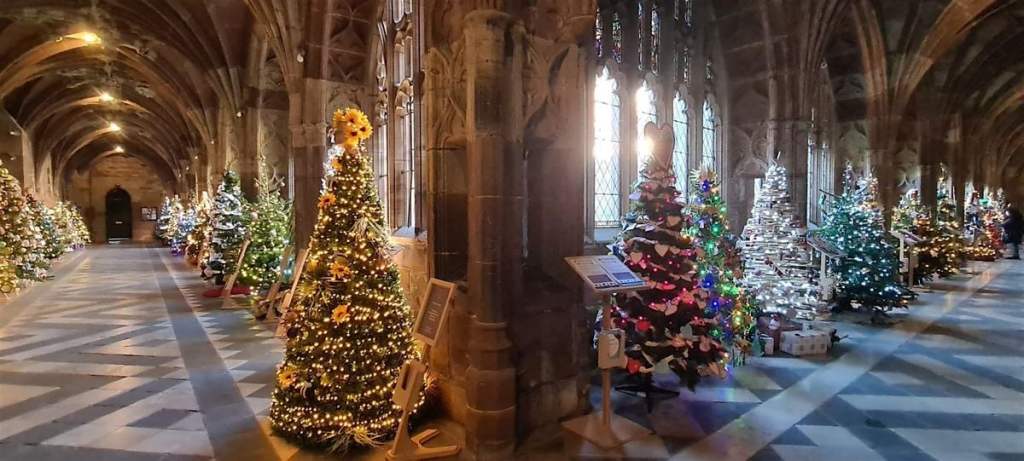
December Picks:
Historic Inspiration
- Windsor Castle – Still hosts a grand Christmas display recalling Victoria and Albert’s tree.
- The Met Cloisters – Famous for its medieval-inspired Christmas tree and Neapolitan crèche.
- Residenz Munich – Bavarian palace with historic Christmas exhibitions.
Ornaments & Decoration
- Inge-Glas of Germany – Traditional glass baubles made in Lauscha since the 16th century.
- Georg Jensen – Danish silver ornaments with minimalist elegance.
- Vondels Amsterdam – Playful contemporary baubles with a fashionable edge.
Trees & Alternatives
- Balsam Hill – High-quality artificial trees that retain a lifelike look.
- Ferm Living – Scandinavian paper and wood ornaments for a sustainable approach.
- Blooming Haus – London florists creating bespoke floral-decorated trees.
TL;DR
The Christmas tree has travelled centuries — from pagan forests to Victorian parlours to modern designer reinterpretations. Yet its essence remains the same: an evergreen promise of light in darkness, dressed each year in the style of its time. Whether opulent or understated, it is the season’s most enduring icon, a ritual both ancient and ever-new.
 My World of Interiors