
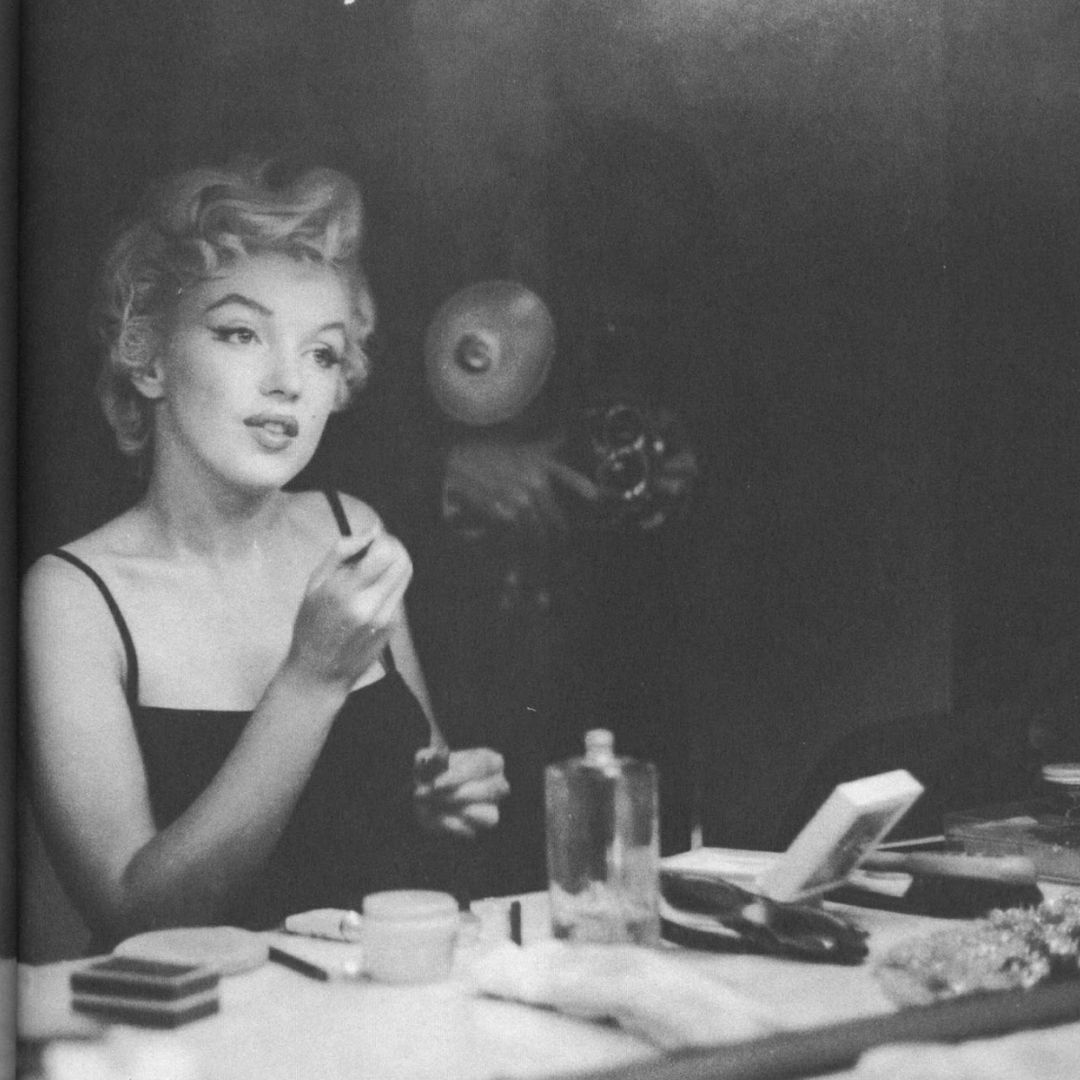
Perfume is among the oldest of human luxuries, a bridge between ritual, desire, and identity. To wear fragrance is to participate in a tradition stretching back millennia, from ancient temples to Parisian ateliers. Its story is both chemical and cultural — the distillation of plants and resins into invisible art, and the shaping of personal style through scent.
Antiquity: Scent as Ritual
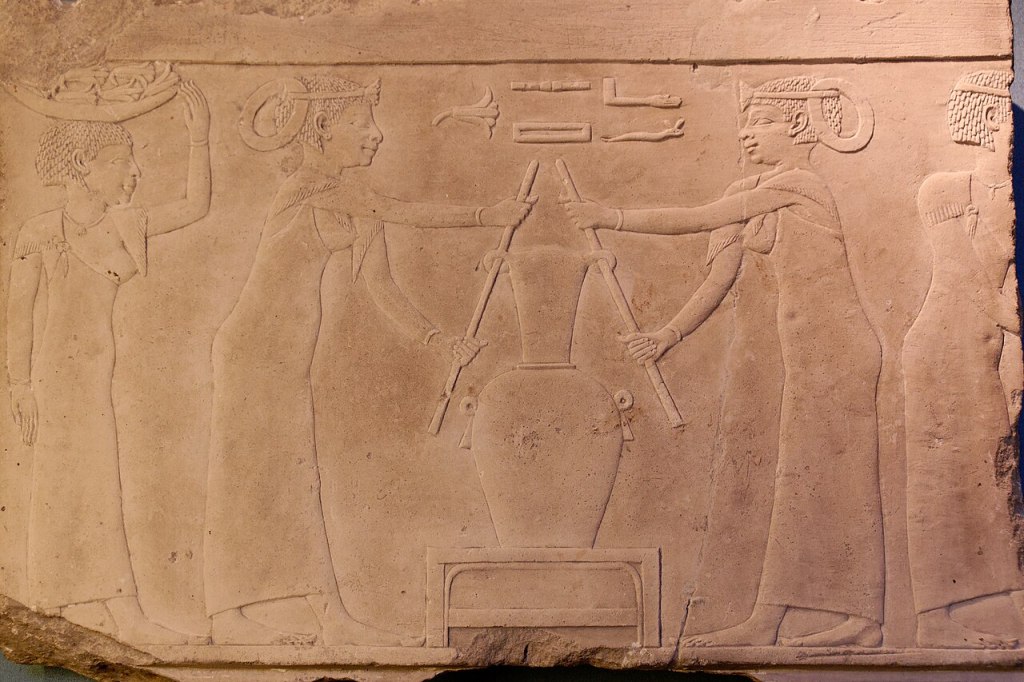
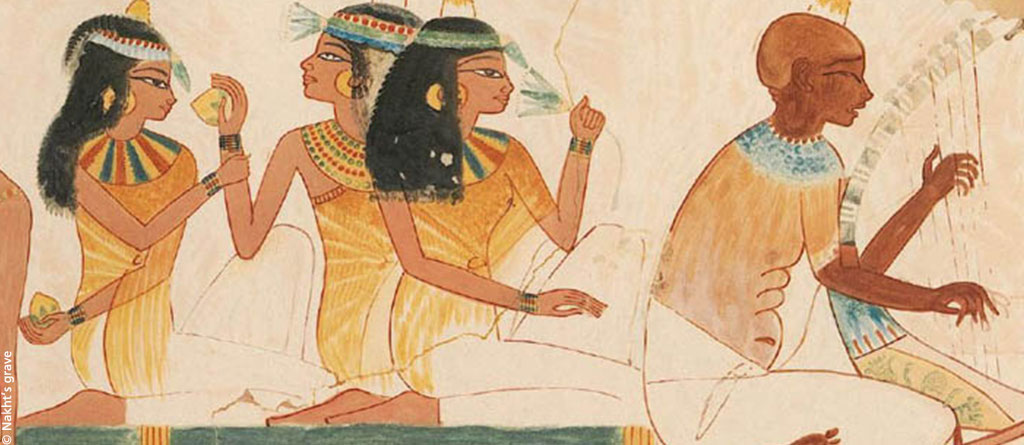
The first perfumes were offerings to the gods. In ancient Mesopotamia and Egypt, incense was burned in temples, the smoke seen as a conduit to the divine. Egyptians also created unguents of myrrh, frankincense, and lotus oil, used in both daily grooming and embalming rituals.
In Greece and Rome, perfumes became symbols of status and sophistication. Oils infused with roses, saffron, and cinnamon were worn at feasts and festivals. The word perfume itself comes from the Latin per fumum — “through smoke” — a reminder of its sacred origins.
The Islamic Golden Age: Alchemy of Aroma
From the 7th century onward, Islamic scholars refined the science of distillation, making it possible to extract essential oils with precision. Figures like Avicenna (Ibn Sina) perfected steam distillation of roses, a technique still used today. Perfume became central to Islamic culture, used in both personal grooming and the sanctification of space. These innovations spread through trade, laying the foundations for European perfumery.
The Renaissance: Courts and Craftsmanship
By the Renaissance, perfume was a staple of European courts. Catherine de’ Medici brought perfumers from Florence to France in the 16th century, establishing the country as a center of fragrance. Perfume was both practical — masking unpleasant odors in crowded cities — and ornamental, a symbol of courtly intrigue. Gloves scented with musk and civet became fashionable in Florence and Paris alike.
The Age of Grasse
In the 17th and 18th centuries, the town of Grasse in southern France emerged as the global capital of perfume. Originally a hub for tanning leather, the region turned to scenting gloves with local flowers to disguise the odor of hides. Its climate, perfect for jasmine, roses, and orange blossoms, made Grasse the epicenter of perfume production — a status it retains today.
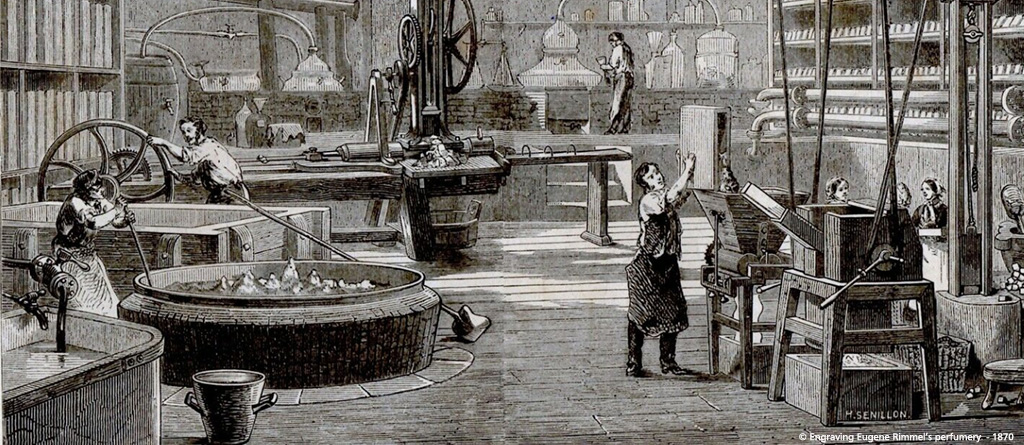
By the 19th century, with the rise of chemistry, perfumery transformed from artisanal craft to modern industry. Synthetic molecules such as coumarin (tonka bean) and vanillin (vanilla) expanded the perfumer’s palette beyond natural sources, allowing for abstract fragrances that evoked moods rather than simply single flowers.
The Modern Era: Houses and Icons
The 20th century was the golden age of modern perfumery, defined by iconic houses and signature scents:
- Chanel No. 5 (1921) – Created by Ernest Beaux, it was the first great “abstract” fragrance, blending aldehydes and florals into a revolutionary new form.
- Shalimar by Guerlain (1925) – Inspired by the gardens of the Taj Mahal, it remains one of the most sensual oriental perfumes ever made.
- Diorissimo (1956) – Edmond Roudnitska’s tribute to lily-of-the-valley, symbolising postwar elegance.
- Opium by Yves Saint Laurent (1977) – Controversial and intoxicating, it reflected the hedonism of its era.
- CK One (1994) – A minimalist unisex fragrance that captured the spirit of the 1990s.
Perfume advertising became as influential as the scents themselves, with campaigns shaping ideals of femininity, masculinity, and modern desire.
Today: Niche and Sustainability
In the 21st century, perfumery has fragmented and diversified. Alongside heritage houses, niche brands like Byredo, Le Labo, and Diptyque have cultivated cult followings with minimalist bottles and complex, story-driven scents. Sustainability is increasingly central, with perfumers seeking alternatives to endangered natural ingredients like sandalwood and oud.
Fragrance is no longer only about adornment — it is about identity, memory, and mood. To choose a scent today is to curate a narrative as much as a smell.
Perfume Through Time: A Timeline
- c. 3000 B.C. – Egyptians use perfumed oils in rituals and embalming.
- c. 1000 A.D. – Avicenna refines steam distillation of rose water.
- 1500s – Catherine de’ Medici introduces Italian perfumery to France.
- 1600s–1700s – Grasse emerges as the capital of perfumery.
- 1800s – Synthetic molecules revolutionise perfume composition.
- 1921 – Launch of Chanel No. 5, the first great modern fragrance.
- 2000s–present – Rise of niche houses and sustainability in perfume.
Five Iconic Perfumes to Know
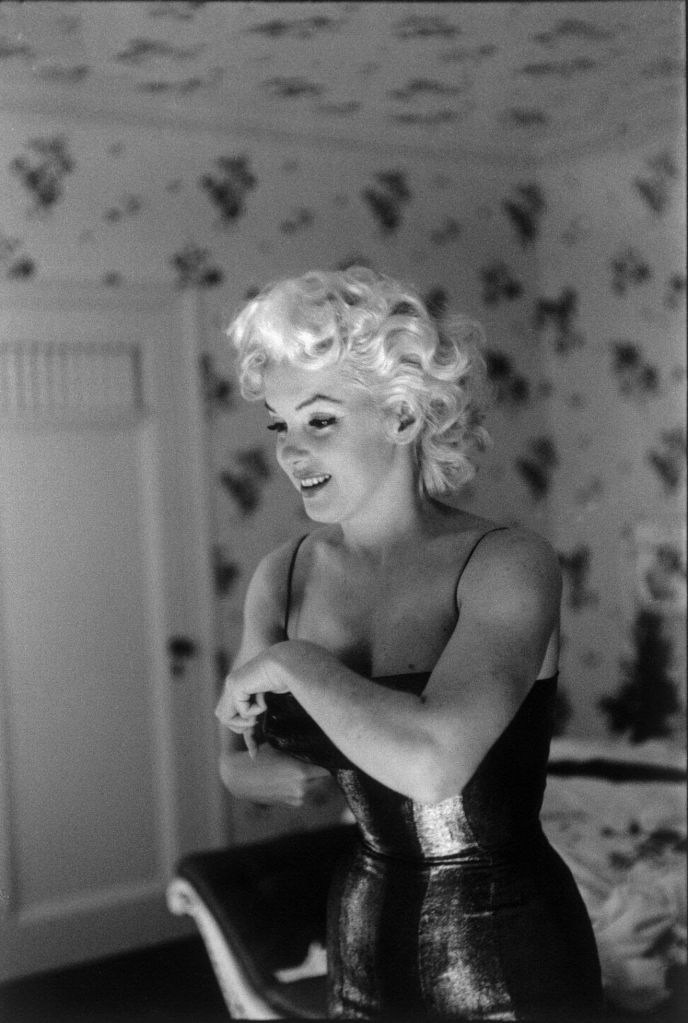
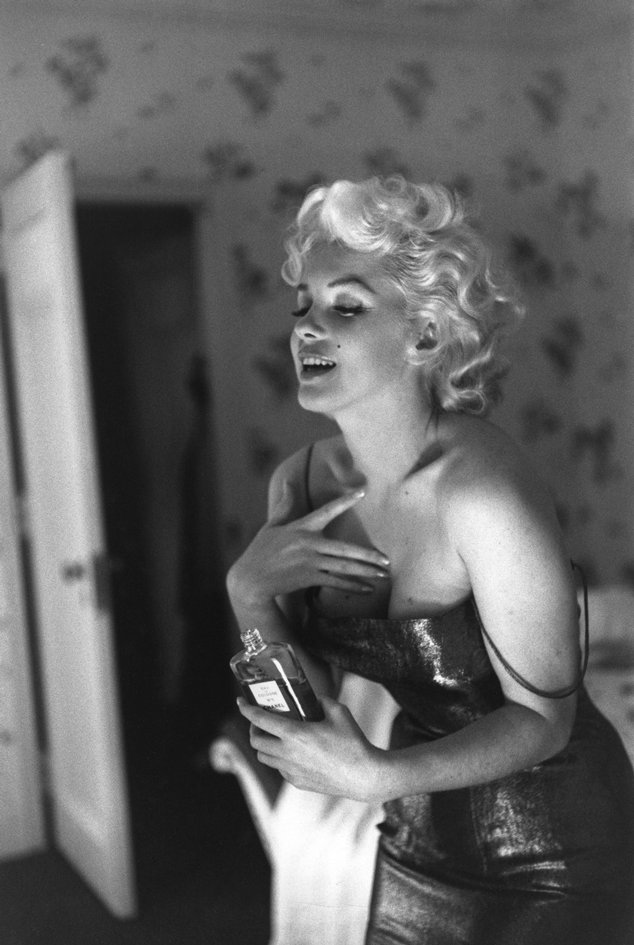
- Chanel No. 5 (1921) – The most famous fragrance in the world, worn by Marilyn Monroe and millions since.
Shop at Chanel - Shalimar by Guerlain (1925) – A timeless oriental blend of vanilla, iris, and tonka bean.
Shop at Guerlain - Diorissimo by Dior (1956) – A luminous lily-of-the-valley fragrance, pure and elegant.
Shop at Dior - Opium by Yves Saint Laurent (1977) – Spicy, daring, and unforgettable.
Shop at YSL Beauty - CK One by Calvin Klein (1994) – The first global unisex fragrance, fresh and minimal.
Shop at Calvin Klein
Today’s Niche Houses Defining Perfume
- Byredo – Founded in Stockholm in 2006, Byredo is known for story-driven scents like Gypsy Water and Bal d’Afrique. Minimalist bottles, cult status.
byredo.com - Le Labo – New York–based, founded in 2006, with scents like Santal 33 and Another 13. Each bottle is hand-labeled, emphasizing artisanal craft.
lelabofragrances.com - Diptyque – Parisian house founded in 1961, beloved for both fragrances (Philosykos, Do Son) and scented candles that shaped modern interiors.
diptyqueparis.com - Serge Lutens – The avant-garde French perfumer whose creations (Ambre Sultan, Féminité du Bois) broke conventions of gender and form.
sergelutens.com - Maison Francis Kurkdjian – Founded by master perfumer Francis Kurkdjian, behind modern icons like Baccarat Rouge 540. A new symbol of contemporary luxury.
franciskurkdjian.com
TL;DR
Perfume is invisible, intangible — and yet profoundly powerful. It lingers in memory, defines intimacy, and shapes identity as much as any garment or work of art. From ancient temples to the ateliers of Grasse, perfume has always been more than a luxury: it is a human need to transform the ephemeral into the unforgettable.
The history of perfume is still being written — in heritage icons like Chanel No. 5 and Shalimar, and in contemporary cult classics by Byredo or Francis Kurkdjian. Each bottle tells a story, reminding us that scent is the most intimate of all luxuries: unseen, but never forgotten.
 My World of Interiors