

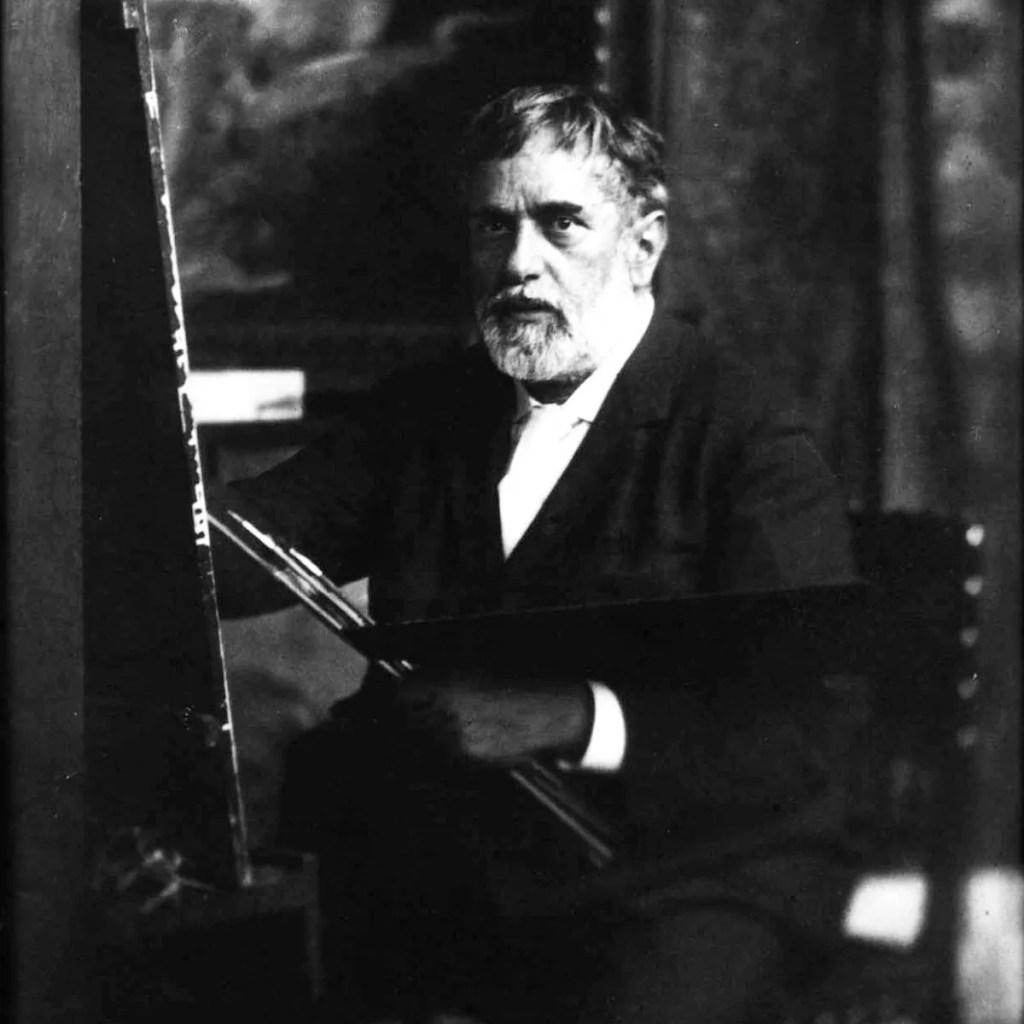
Fortuny is not merely a brand; it is a myth. Born from the vision of Mariano Fortuny (1871–1949), the Spanish-born, Venice-based artist, inventor, and designer, Fortuny stands as one of the most enigmatic and enduring names in fashion and interior design. Known for pleated gowns that shimmered like water and fabrics that seemed to hold light within their folds, Fortuny created an aesthetic that was both ancient and modern, rooted in Renaissance Venice yet perpetually ahead of its time.
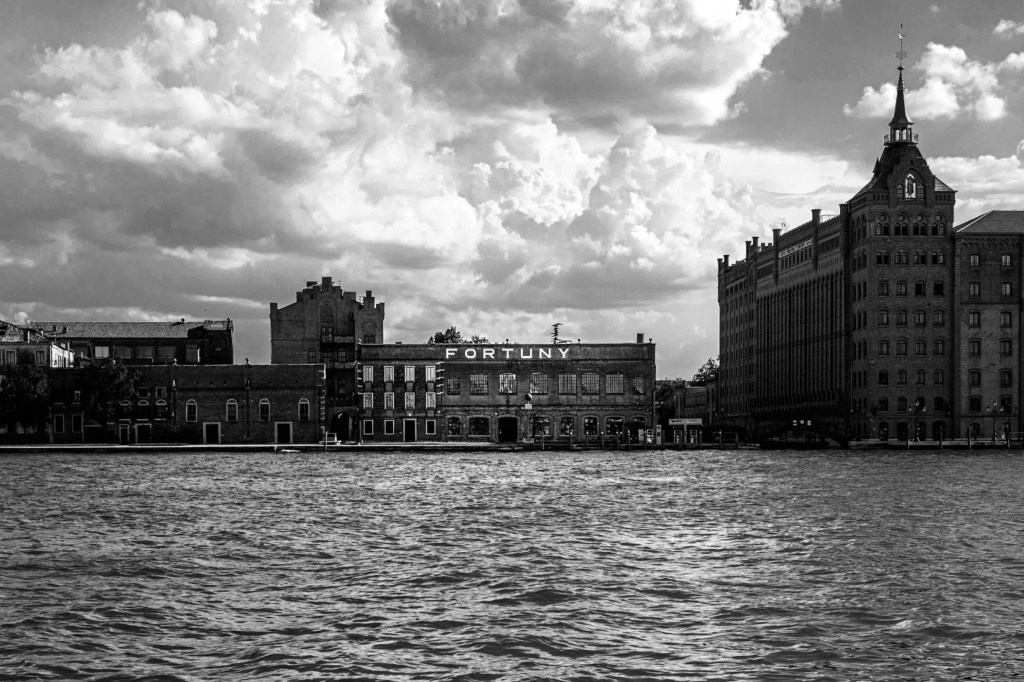
Today, more than a century later, Fortuny remains a symbol of Venetian artistry, producing fabrics and lamps of extraordinary refinement from its legendary factory on the Giudecca. To speak of Fortuny is to evoke a world where art, craft, and innovation meet in alchemical harmony.
Mariano Fortuny: A Polymath in Venice
Born in Granada and raised across Europe, Mariano Fortuny settled in Venice in 1889, taking residence in the Palazzo Pesaro degli Orfei — now the Palazzo Fortuny museum. Painter, photographer, inventor, and stage designer, Fortuny embodied the fin-de-siècle spirit of artistic experimentation.
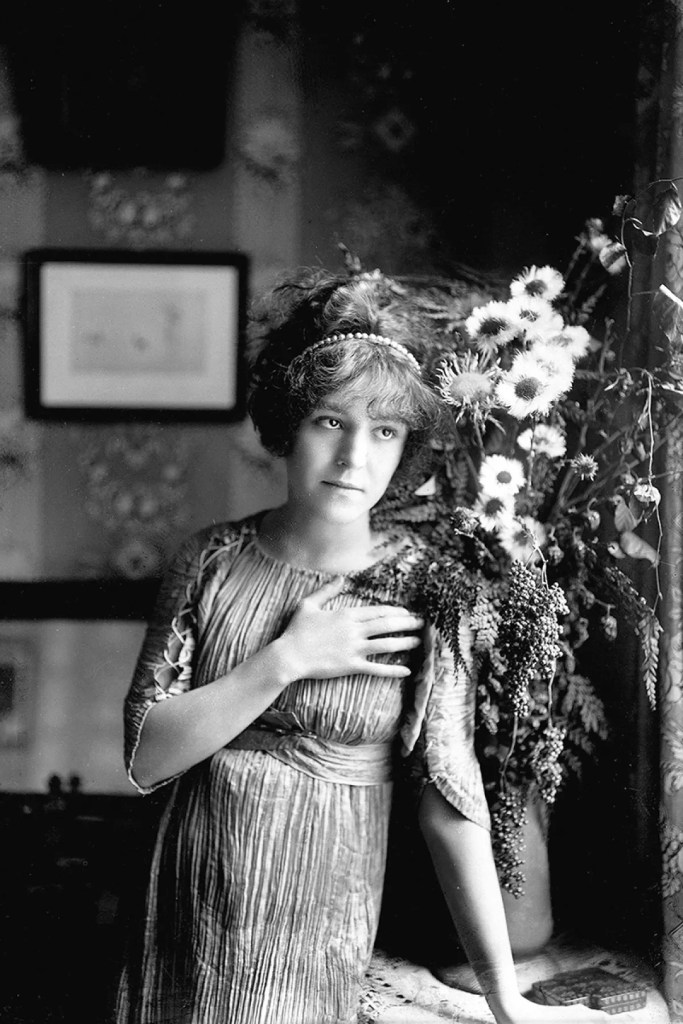
In 1907, he patented the Delphos gown, a pleated silk dress inspired by ancient Greek chiton. Worn by women such as Isadora Duncan and Sarah Bernhardt, the gown became an icon of modern liberation: unstructured, fluid, sensual, yet intellectual. Its pleating technique, still a closely guarded secret, made fabric behave like sculpture.
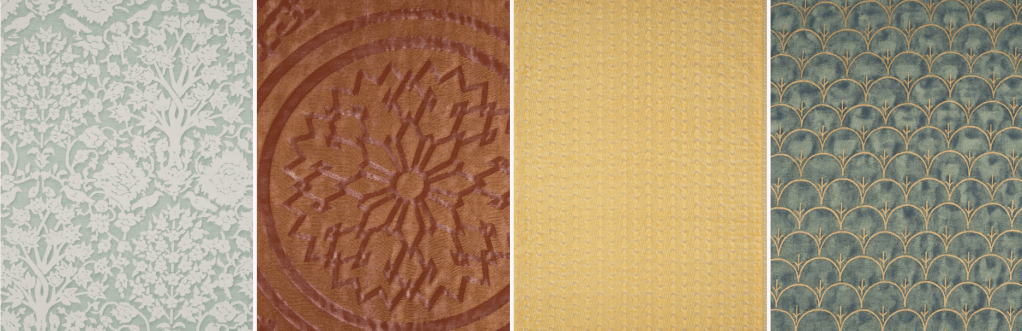
At the same time, Fortuny developed revolutionary methods of textile dyeing and printing, creating velvet and silk patterns that combined Renaissance motifs with Japanese and Middle Eastern influences. His Venetian atelier became a laboratory of beauty.
The Language of Fabric and Light
Fortuny’s genius extended beyond fashion. In the early 20th century, he patented stage lighting systems, experimented with dyes and metallic pigments, and developed a method for printing designs with extraordinary depth. His textiles shimmered with a painter’s sensitivity: damasks with gold and silver highlights, velvets in saturated jewel tones, and cottons printed with classical arabesques.
These fabrics, still produced in Venice, are instantly recognisable: sumptuous yet restrained, rooted in historical reference yet startlingly timeless. They adorn interiors from Venetian palazzi to Manhattan apartments, where Fortuny draperies, cushions, or wall hangings radiate quiet opulence.
Fortuny Today
After Mariano Fortuny’s death in 1949, the brand continued under his wife Henriette Negrin, herself an innovator and textile designer. Today, the company remains headquartered on the Giudecca, where every textile is still produced using Fortuny’s original methods.
Under the stewardship of modern custodians, Fortuny has expanded into lighting and interior furnishings, while preserving the mystique of its historic processes. The lamps, often sheathed in silk and parchment, diffuse light with the same painterly quality as his textiles — continuing Fortuny’s fascination with illumination.
Fortuny’s Signature Creations
- The Delphos Gown (1907) – A radical pleated silk dress, inspired by classical antiquity, and worn by the avant-garde elite.
- Printed Velvets – Rich patterns with Renaissance and oriental motifs, layered with metallic pigments for luminosity.
- Damasks and Silks – Textiles that combine old-world craftsmanship with subtle metallic shimmer.
- Fortuny Lamps – Fabric-sheathed lamps that transform interiors with atmospheric, diffused light.
- Palazzo Fortuny – The Venetian palazzo, once his studio, now a museum showcasing his art and design legacy.
Where to Experience Fortuny
- Palazzo Fortuny, Venice
The designer’s former home and studio, now a museum of his art, textiles, and inventions. A pilgrimage site for lovers of design and history.
http://www.visitmuve.it - Fortuny Factory, Giudecca, Venice
Still producing fabrics and lighting using Fortuny’s original methods. Visits are possible by appointment.
http://www.fortuny.com - Fortuny Showroom, Venice
The main showroom for Fortuny’s contemporary offerings, from textiles to lamps, situated in the heart of the city.
http://www.fortuny.com - Global Stockists
Selected high-end interior design showrooms around the world carry Fortuny textiles and lamps, ensuring his Venetian legacy extends internationally.
Closing Reflection
Mariano Fortuny blurred the boundaries between art, design, and invention. His fabrics and gowns are not only objects of beauty but acts of innovation, merging science with aesthetics, history with modernity. The survival of his atelier on the Giudecca ensures that Fortuny remains more than a memory: it is a living tradition, woven into the very fabric of Venice.
In an age of mass production, Fortuny endures as a reminder of what is possible when artistry and craftsmanship unite. To encounter Fortuny is to glimpse the alchemy of light and fabric — a Venetian dream, eternal and alive.
Discover more: http://www.fortuny.com
 My World of Interiors