
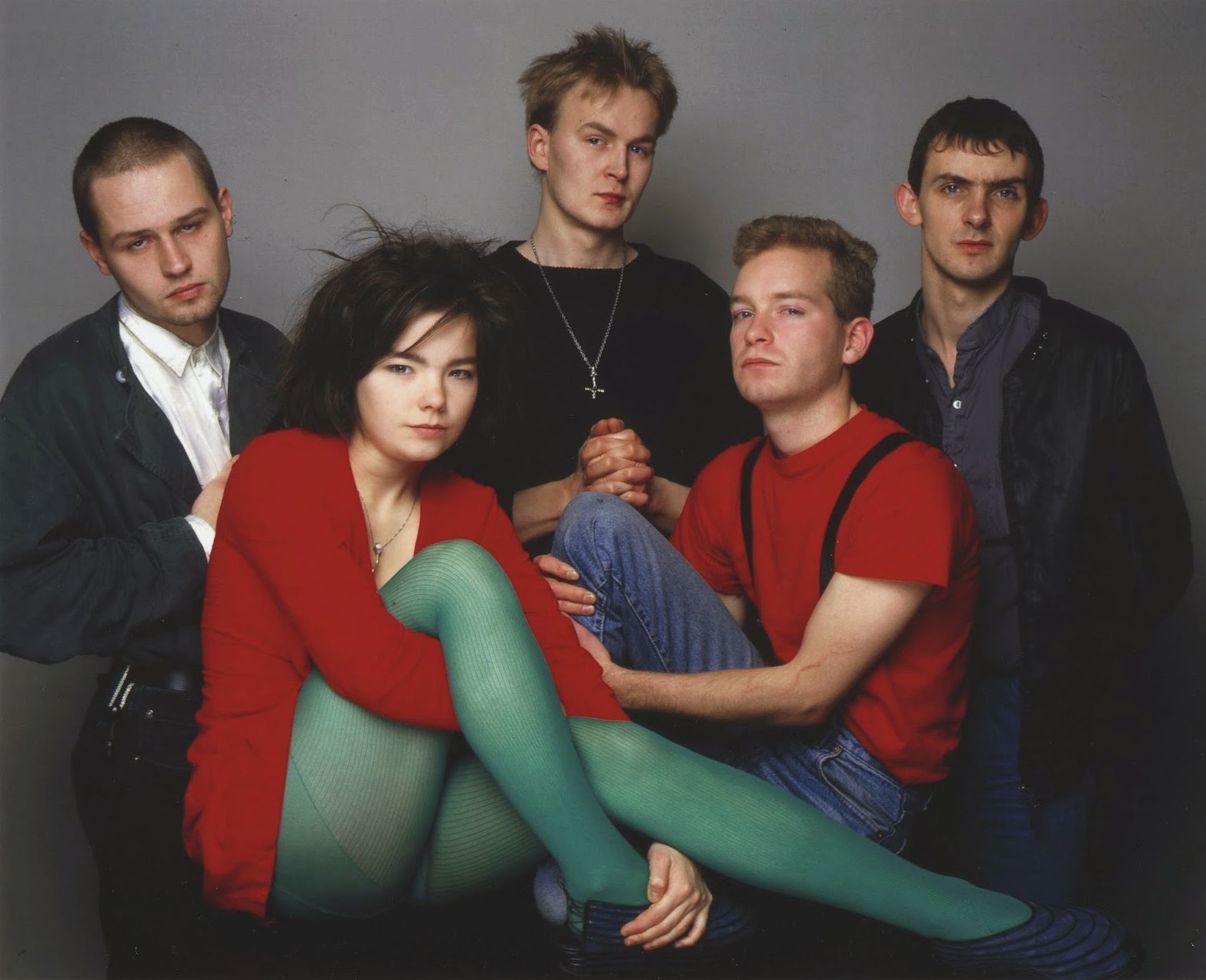
In the late 1980s, at the faint edge of Europe’s cultural radar, a strange and electrifying sound drifted out of Reykjavik. It came from The Sugarcubes, a band whose brief but incandescent life changed the trajectory of Icelandic music — and launched one of the most singular voices of the 20th and 21st centuries, Björk Guðmundsdóttir.
To describe The Sugarcubes is to describe a contradiction: anarchic yet melodic, surreal but precise, playfully absurd and emotionally knife-sharp. They emerged at a moment when indie rock was dominated by dour masculinity and Reagan/Thatcher-era angst. Into this landscape, they brought something utterly other — a bright, sideways, Icelandic surrealism that made no attempt to conform, translate, or appeal. Their weirdness was the appeal.
A Band Born Almost by Accident
The Sugarcubes formed in 1986 from the remnants of earlier Icelandic collectives that orbit the same artistic constellation: Kukl, a punk-experimental outfit connected to the Reykjavík underground. They were less a band than a cultural node — poets, theatrical provocateurs, political outsiders, people who treated art as a natural extension of conversation.
When their debut single “Birthday” was released in 1987, it didn’t sound like anything else. Björk’s voice — childlike, volcanic, operatic, untamed — spiralled around the off-kilter instrumentation with a kind of ecstatic abandon. Critics couldn’t categorize it; John Peel famously championed it; suddenly, Iceland was on the map.
Their first album, Life’s Too Good (1988), remains one of the most startling debuts in alternative music. Angular guitars, rubbery basslines, Einar Örn’s half-spoken, half-yelped counter-vocals, and Björk’s extraordinary emotional range collided in tracks that sounded like dispatches from a parallel universe. It was punk, but not punk; pop, but not pop — a style that seemed to reinvent itself mid-measure.
Why They Mattered
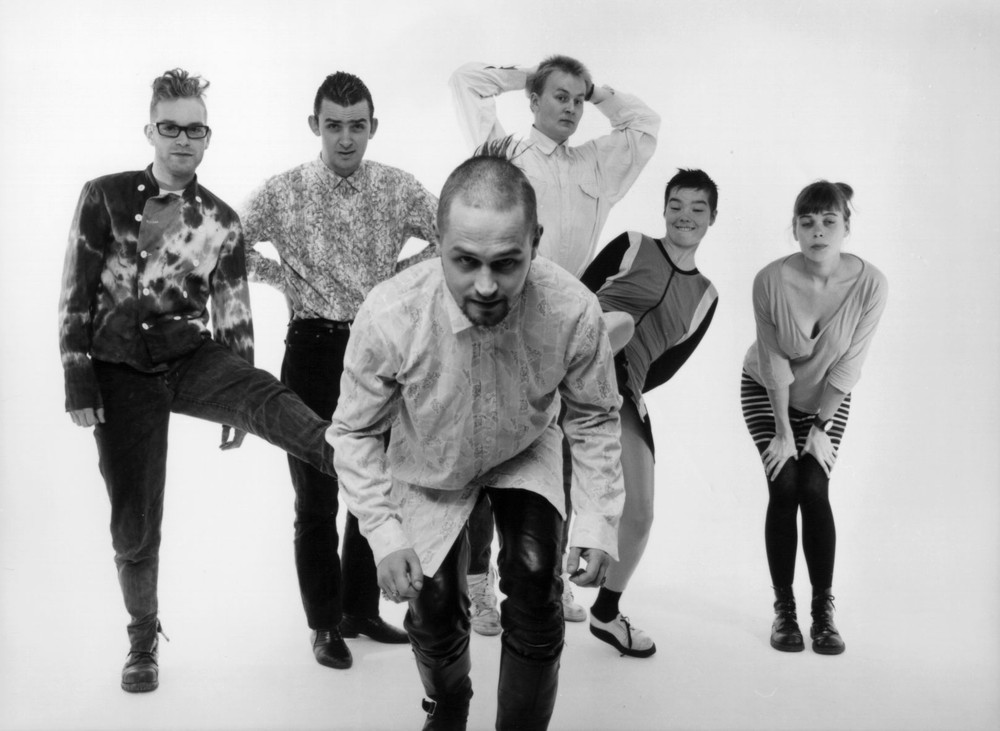
In a decade obsessed with excess and glamour, The Sugarcubes brought the world something far stranger: authenticity without earnestness. Their music carried the energy of a group that didn’t want to be famous and wasn’t trying to become a global sensation — which, of course, is partly why they did.
A few things made them culturally significant:
1. They globalised Iceland’s artistic identity.
Before The Sugarcubes, Icelandic music barely registered internationally. After them, the world began to see Iceland not as an isolated island but as a crucible of avant-garde creativity.
2. They proved that pop could be surreal.
At a time when indie rock was leaning toward introspective misery, The Sugarcubes were gleefully absurd, mischievous, and theatrical. They embraced strangeness as a virtue, not a barrier.
3. They launched Björk — but not as a solo artist yet.
It’s easy to view The Sugarcubes as merely Björk’s prelude, but the dynamic within the band was more complex. Björk shared vocal duties, negotiated the band’s punk-collective ideology, and began shaping the persona that the world would later consider revolutionary.
The Slow Burn to an Ending
Their subsequent albums, Here Today, Tomorrow Next Week! (1989) and Stick Around for Joy (1992), contain flashes of brilliance, though the internal chemistry was shifting. Fame complicated the collective ethos; Björk’s charisma outpaced the band’s balance; the global industry wanted one star, not six democrats.
By 1992, the band dissolved amicably. Björk soon released Debut (1993) and ascended into her own planetary orbit.
But The Sugarcubes never feel like a footnote. They feel like an unlikely miracle — a group of artists whose combined eccentricity opened a door for Icelandic musicians and for a wider understanding of what pop could sound like. You can hear their influence in later Icelandic acts (Sigur Rós, múm, Of Monsters and Men), and in Björk’s lifelong attachment to experimentation, community, and chaos-as-creation.
Their Legacy: A Strange, Silvery Freedom
The Sugarcubes endure because they captured a specific cultural mood — the moment just before globalisation fully flattened the world. Their music sounds like a message in a bottle from a remote place, untouched by the habits of major markets. And that remoteness became their power.
They gave us permission to be odd.
To be unserious in serious ways.
To treat art as a playground — and sometimes as a riot.
And they gave us Björk, not yet mythic, not yet industrial-strength avant-garde, but incandescent and wild, learning how to use her voice not just as an instrument, but as a universe.
 My World of Interiors
One thought on “The Sugarcubes: Iceland’s Beautiful Shock to the System”