
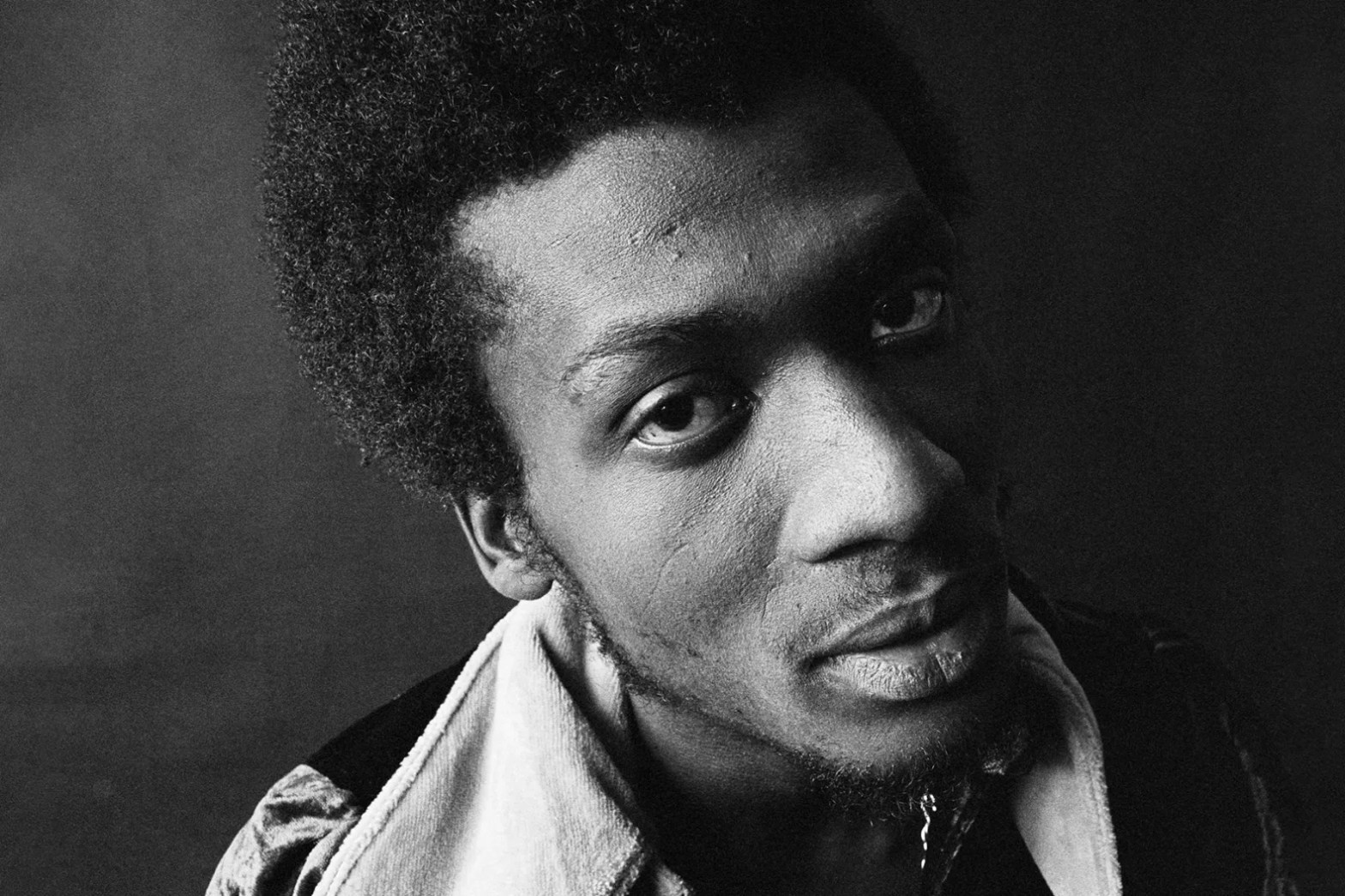
A titan of reggae, a voice of resilience, and the man who carried Jamaica to the world.
Jimmy Cliff — singer, songwriter, actor, activist, and one of the towering architects of reggae — has died at the age of 81 after a seizure and complications from pneumonia. His wife, Latifa Chambers, announced his passing on 24 November 2025. With him disappears not only a singular voice, but one of the last great bridges connecting Jamaica’s golden musical dawn to the global stage.
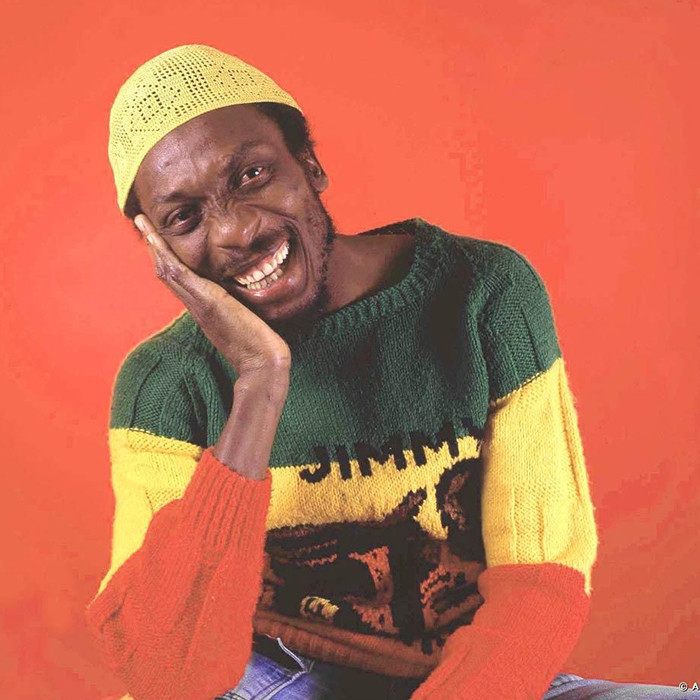
Born James Chambers in rural St James Parish, Cliff grew up in the humblest of circumstances before moving to Kingston at 14 to chase a dream bigger than the island itself. He renamed himself “Jimmy Cliff” — a metaphor for climbing, aspiring, refusing to stay at the bottom — and began recording ska and rocksteady singles that captured the youthful pulse of a country on the brink of cultural revolution.
What followed was a career that defied genre and geography. By the late 1960s, Cliff was at the heart of Jamaican music’s international breakthrough, recording songs that married political lament with soaring optimism: Many Rivers to Cross, You Can Get It If You Really Want, Vietnam, Wonderful World, Beautiful People. His voice — bright, searching, edged with ache — became one of the most recognisable in the world.
And then came the film that changed everything.
The Harder They Come (1972), in which Cliff starred as the doomed, charismatic Ivanhoe Martin, was a cultural earthquake. It exported reggae beyond the Caribbean, introduced an entire soundtrack of classics to new audiences, and stamped Cliff into cinema history. The film made him not only a musician, but a symbol — of rebellion, of island identity, of the power of art to cross borders without permission.
Across six decades, Cliff accumulated honours to match his stature: two Grammy Awards, induction into the Rock & Roll Hall of Fame in 2010, and Jamaica’s Order of Merit, the nation’s highest artistic distinction. Yet he remained remarkably open, endlessly curious, and committed to reinvention. His 2012 album Rebirth lived up to its name, bringing him renewed acclaim and a new generation of listeners.
Jimmy Cliff sang about suffering, but he also sang about survival. Hope was his root note. Protest was his harmony. And joy — unmistakable, contagious — was always present in the melody.
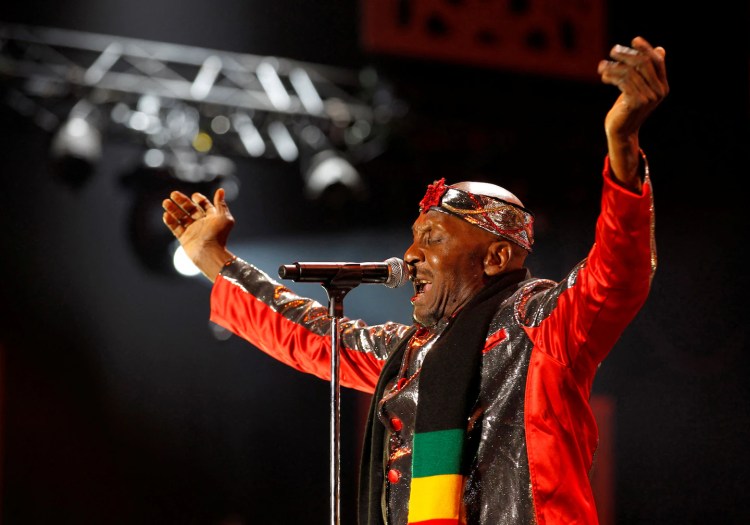
With his passing, the world loses an artist whose songs travelled farther than he ever could, carrying with them the rhythms, struggles and radiance of a small island with an enormous cultural footprint. But his legacy remains indestructible. As long as someone is humming Many Rivers to Cross, Jimmy Cliff is still walking beside them.
May he rest in power — and may the rivers he crossed now lead him home.
 My World of Interiors
A fitting write up on one of Jamaica’s iconic voices.
LikeLiked by 1 person