

Yohji Yamamoto has never designed clothing in pursuit of trends. Instead, he has spent five decades redefining what garments can mean — protection, rebellion, imperfection, and mystery. Often called the “poet of black,” he is one of fashion’s most uncompromising visionaries, admired by artists, intellectuals, and modern icons.
Beginnings in Postwar Japan
Born in Tokyo in 1943, Yamamoto grew up in the aftermath of war. His father was killed in World War II, and his mother supported the family as a dressmaker. It was in her atelier that Yamamoto first learned to cut and sew. Initially, he studied law at Keio University, but he turned to fashion, enrolling at Bunka Fashion College. From the beginning, he resisted glamour in favor of a philosophy of clothing.
In 1972, he founded Y’s, a line of functional, liberated womenswear — fashion that allowed women to move freely, unconstrained by traditional codes of femininity.
Paris Arrival: The Shock of Black
When Yamamoto debuted in Paris in 1981, alongside Rei Kawakubo, the reaction was polarizing. Oversized silhouettes, frayed edges, asymmetry, and a stark devotion to black challenged the gleaming, body-conscious excess of the decade. Critics dismissed it as “Hiroshima chic,” but a new generation saw liberation and artistry. The show became a turning point in contemporary fashion.

Signature Style
Yamamoto’s language is rooted in paradox:
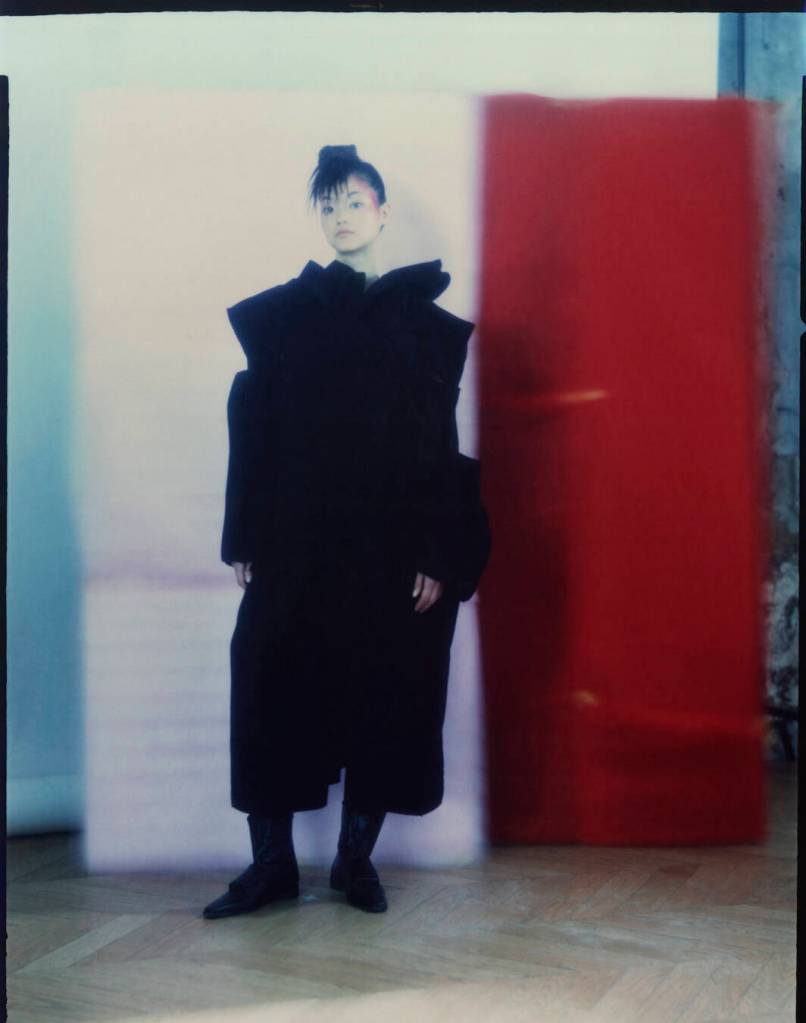
- Volume and Void: Dramatic coats, wide trousers, and sweeping proportions.
- Asymmetry: A beauty in imbalance, garments cut on the slant.
- Monochrome: Black as his eternal canvas, emphasizing shape over ornament.
- Deconstruction: Raw seams, unfinished hems, and garments that reveal process.
For Yamamoto, black is not absence but depth — modest and arrogant at once, both protective and subversive.
Who He Dressed
Yamamoto’s following has always included artists and thinkers who reject conformity. Patti Smith, Pina Bausch, and filmmaker Wim Wenders were early admirers; Wenders even devoted an entire documentary (Notebook on Cities and Clothes, 1989) to his philosophy.
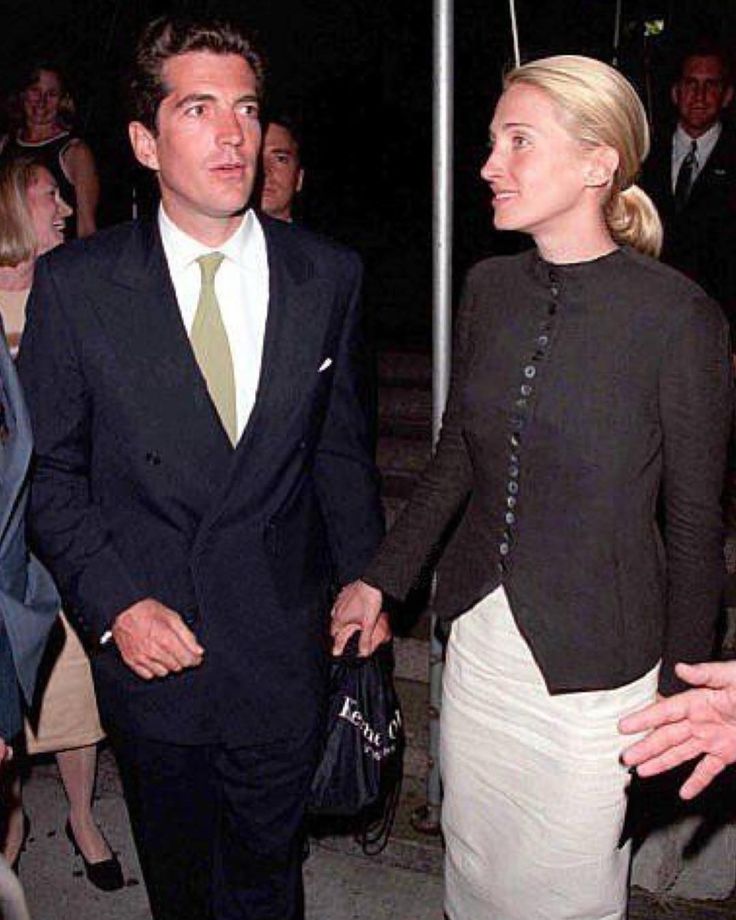
In the 1990s, Carolyn Bessette-Kennedy became one of Yamamoto’s most enduring muses. Her devotion to his stark tailoring and flowing black dresses embodied her minimalist aesthetic and cemented Yohji’s association with quiet, intellectual glamour. His influence also extended into performance: Pina Bausch’s dancers moved in Yamamoto’s fluid costumes, while his collaborations with Adidas in the Y-3 line (launched 2002) merged avant-garde design with sportswear, decades ahead of its time.
Famous Outfits & Runway Moments
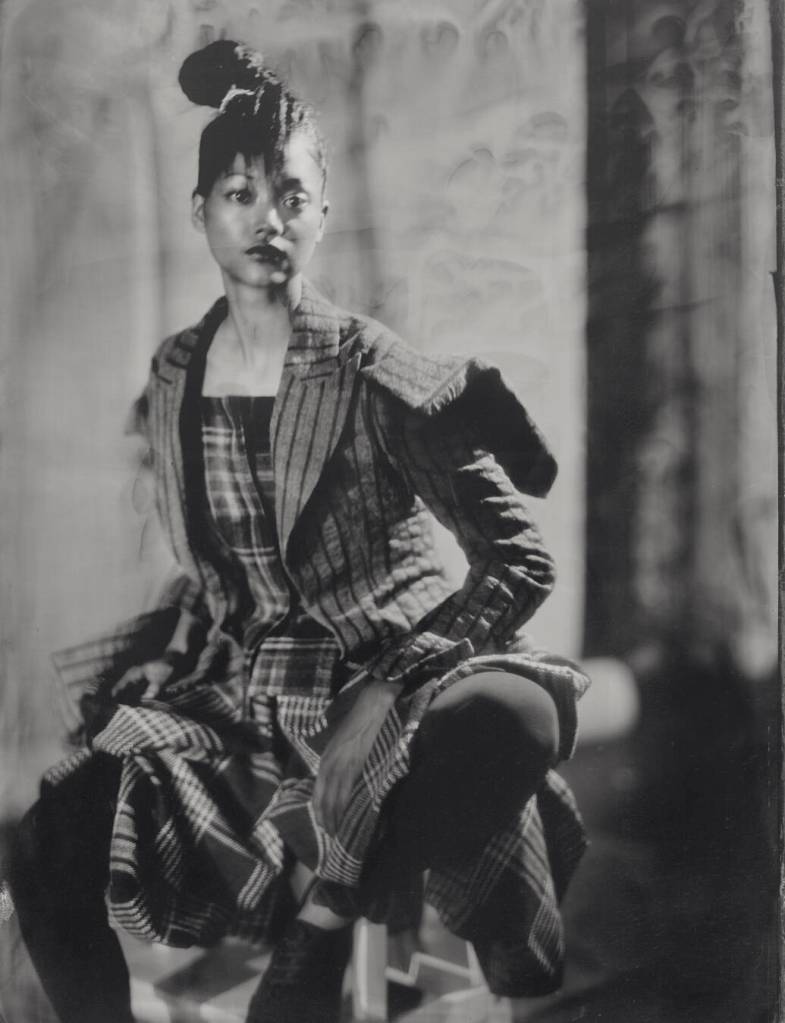
- 1981 Paris Debut: Billowing black coats and shredded knits — a manifesto against 1980s excess.
- 1999 Bridal Collection: Punk brides in veils and boots, questioning tradition.
- Y-3 Sneakers (2002): An early union of luxury and sportswear, influencing today’s sneaker culture.
- 2005 Painted Dresses: Hand-painted creations, garments as living canvases.
Legacy
Yohji Yamamoto has never courted fashion’s spotlight, yet his influence is everywhere. His black silhouettes, asymmetric tailoring, and rejection of convention have inspired designers from Ann Demeulemeester to Rick Owens. More importantly, he gave fashion an intellectual, melancholic, poetic dimension — showing that clothing can be philosophy as much as adornment.
Today, at over 80, he continues to work, his black still endless, his silhouettes still radical. His legacy is not merely garments but an attitude: fashion as resistance, as protection, as poetry.
 My World of Interiors