
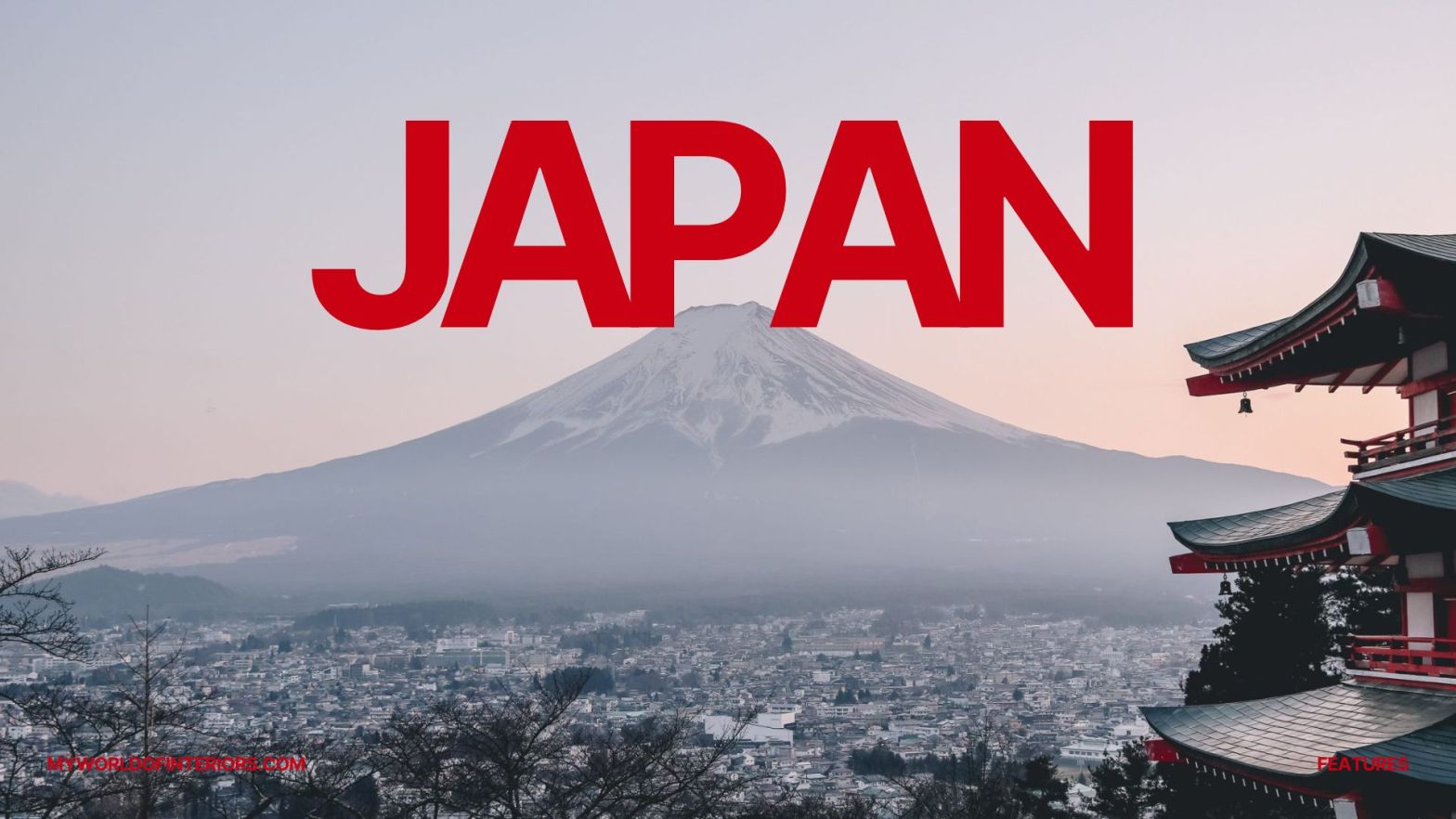
Japan is a country of contrasts: ancient shrines hidden among skyscrapers, steaming bowls of ramen devoured under neon lights, and hushed tatami rooms where the seasons unfold in a single meal. In ten days you cannot see everything, but you can glimpse the breadth of the country: the great cities, the cultural heartlands, and perhaps even a quieter village path or two. Whether you travel in luxury, on a budget, or along the road less taken, Japan offers a rhythm and refinement unlike anywhere else.
Days 1–3: Tokyo — The City of Contrasts
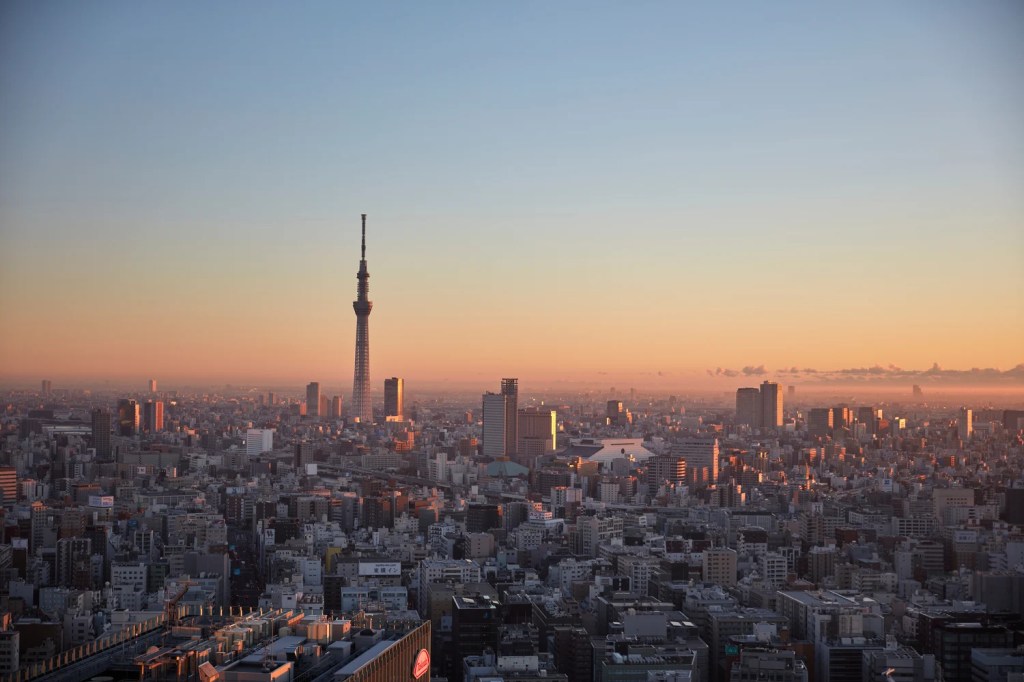
Tokyo is the great entrance point. It dazzles with sheer scale but rewards the curious eye. Start with Asakusa and Sensō-ji Temple, where incense coils and vermilion gates set the tone for old Edo. Wander Nakamise Street for traditional snacks before leaping forward to Shibuya’s Scramble Crossing, a choreography of humanity. In Harajuku and Omotesandō, fashion boutiques and striking architecture define youth culture, while nearby Meiji Shrine sits in forested calm. In the evenings, Golden Gai in Shinjuku offers tiny six-seat bars, each with its own eccentricity.
- Stay (Luxury): Mandarin Oriental, Tokyo or The Peninsula Tokyo — both temples of comfort and gastronomy.
- Stay (Budget): Business hotels like Toyoko Inn or APA Hotel?utm_source=chatgpt.com — compact, clean, efficient.
- Stay (Offbeat): Hoshinoya Tokyo, a modern ryokan in the city center.
Eat: Sushi breakfasts at Toyosu Market, steaming bowls of tonkotsu ramen in Ikebukuro, yakitori skewers at smoky izakaya, and for a splurge, a kaiseki dinner in Ginza.

Days 4–5: Kyoto — The Cultural Heart
The Shinkansen delivers you in under three hours to Kyoto, where Japan’s spiritual and artistic traditions endure. Visit Kinkaku-ji (Golden Pavilion) and Ryoan-ji’s austere Zen garden. Walk the Philosopher’s Path in spring or autumn, when blossoms and foliage turn the air painterly. Wake early to walk the vermilion tunnels of Fushimi Inari Taisha before the crowds. Evenings belong to Gion, where lantern-lit alleyways echo with the footsteps of geiko and maiko.
- Stay (Luxury): Aman Kyoto or Banyan Tree Higashiyama for serene, design-forward retreats.
- Stay (Budget): Guesthouses near Kyoto Station or affordable ryokan in Gion (many listed on Japanican).
- Stay (Offbeat): A machiya townhouse stay through Kyoto Machiya Stay.
Eat: Kyoto is famed for kaiseki — seasonal haute cuisine presented like poetry. For tofu lovers, yudofu restaurants near Nanzen-ji offer warming simplicity. Matcha sweets and wagashi can be enjoyed at centuries-old tea houses.

Day 6: Nara and Uji — Deer, Temples, and Tea
A short trip from Kyoto brings you to Nara, Japan’s first permanent capital. At Tōdai-ji Temple, a colossal bronze Buddha sits serenely, while sacred deer roam freely in Nara Park. Later, move to Uji, Japan’s tea capital, where Byōdō-in Temple and refined matcha houses line the river.
- Stay (Luxury): Remain at Aman or Banyan Tree in Kyoto.
- Stay (Budget): Return to your Kyoto base.
- Stay (Offbeat): Overnight in Uji at a riverside guesthouse, surrounded by tea fields.
Eat: Sip ceremonial matcha, try tea-flavoured soba noodles, and indulge in wagashi sweets filled with green tea.
Days 7–8: Osaka — Eat Till You Drop
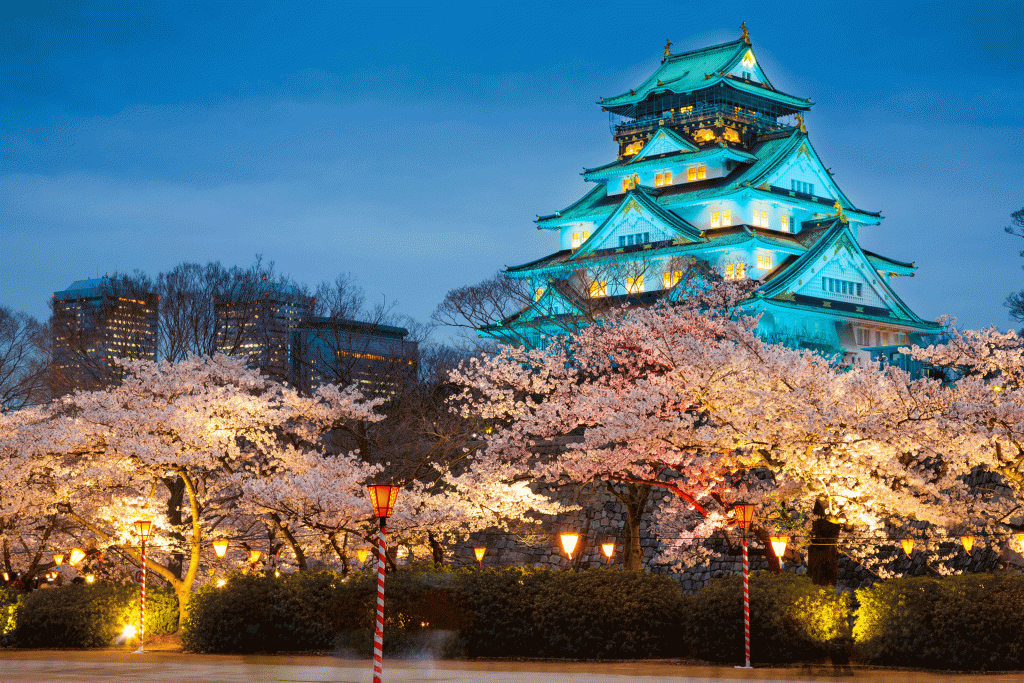
If Kyoto is contemplation, Osaka is appetite. The city’s motto, kuidaore (“eat until you collapse”), plays out under neon lights in Dōtonbori. Street vendors flip octopus-filled takoyaki, while sizzling grills serve okonomiyaki, Osaka’s signature pancake. Visit Osaka Castle, wander Shinsekai for retro charm, and watch the city glow from the Umeda Sky Building.
- Stay (Luxury): Swissôtel Nankai Osaka sits directly over Namba Station.
- Stay (Budget): Capsule hotels or budget inns in Namba.
- Stay (Offbeat): Patina Osaka, a boutique design hotel with a contemporary twist.
Eat: Takoyaki, okonomiyaki, kushikatsu skewers in Shinsekai, and for a splurge, wagyu in nearby Kobe.
Day 9: Hiroshima and Miyajima — Reflection and Beauty
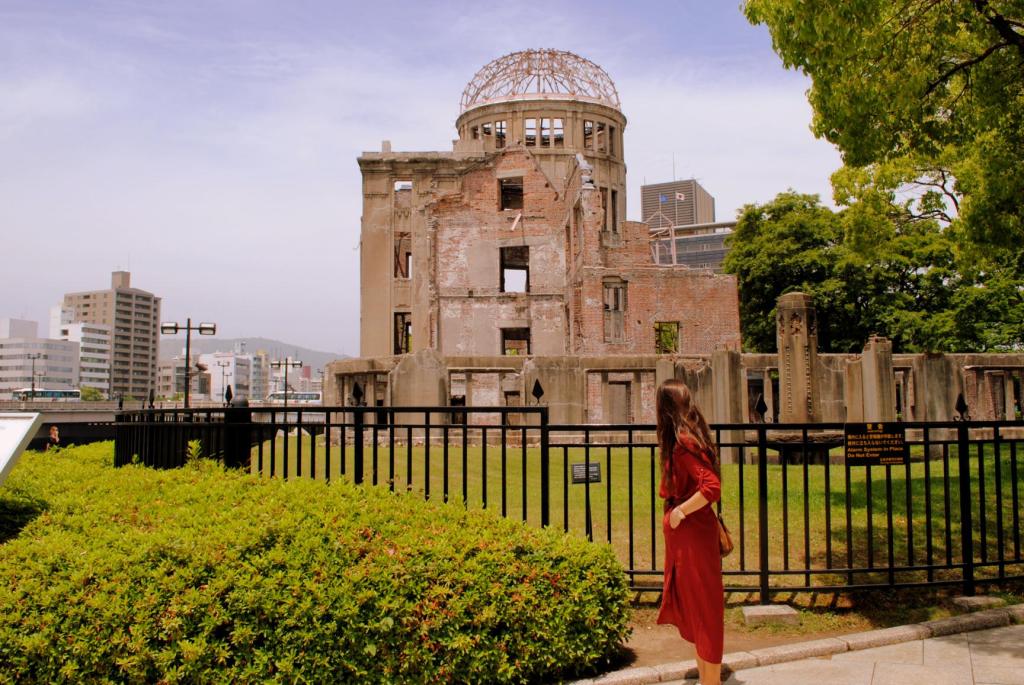
Hiroshima is a place of remembrance. The Peace Memorial Park and Atomic Bomb Dome honour tragedy with dignity, while the city beyond has rebuilt vibrantly. A short ferry ride brings you to Miyajima, where the iconic Itsukushima Shrine’s torii gate floats on the tide. Stay overnight to feel the hush when the day-trippers leave, and perhaps hike up Mount Misen for panoramic views.
- Stay (Luxury): Waterfront ryokan on Miyajima, such as Iwaso.
- Stay (Budget): Mitsui Garden Hotel Hiroshima.
- Stay (Offbeat): Family-run minshuku on Miyajima for a simple, authentic island stay.
Eat: Hiroshima-style layered okonomiyaki, oysters fresh from the bay, and maple-leaf-shaped momiji manju sweets.
Day 10: Hakone or Fuji Five Lakes — A Gentle Farewell
On your final day, head to Hakone for steaming onsen baths, sculpture at the Open-Air Museum, and boat rides across Lake Ashi with Mount Fuji looming in the distance. Alternatively, stay in the Fuji Five Lakes region for hiking and quiet village life. Return to Tokyo for your departure, carrying with you not just souvenirs but atmospheres: the hush of temple bells, the neon hum of Osaka, the serenity of a ryokan bath.
- Stay (Luxury): Gora Kadan, a former imperial villa turned ryokan.
- Stay (Budget): Small guesthouses and business hotels near Hakone-Yumoto.
- Stay (Offbeat): Farmstays in the Fuji foothills booked via Japan Travel.
Eat: Kaiseki dinners at onsen ryokan, handmade soba, and seasonal vegetables from Fuji’s fertile slopes.
Practical Notes
- Rail: The JR Pass is often worthwhile if moving between multiple cities. IC cards like Suica and Pasmo simplify city travel.
- Seasons: Cherry blossom (late March–early April) and autumn leaves (October–November) are the most magical seasons.
- Etiquette: Shoes off on tatami, quiet on trains, no tipping.
- Money: Cash is still king outside major cities; ATMs in 7-Eleven usually accept foreign cards.
- Balance: Mix street food with fine dining, boutique hotels with traditional ryokan, big cities with quiet towns. Japan is about harmony and contrast — your journey should reflect that.
TL;DR
Ten days in Japan is a beginning, not a conclusion. Whether you drift through Tokyo’s luxury hotels, eat your way across Osaka on a shoestring, or wander vine bridges in Shikoku, Japan leaves a lasting impression: elegance in the everyday, beauty in detail, and hospitality in every gesture. Travel here is not simply about what you see, but how you feel — and those feelings linger like the aftertaste of a perfect cup of matcha.

 My World of Interiors