
Cocktails are more than recipes—they are cultural artefacts that reflect entire eras. From Gilded Age New York to post-war Venice, from Cuban cafés to Parisian hotel bars, each glass tells a story of style, ritual, and identity.
To shop via our Amazon storefront
The Mint Julep: The Southern Ritual
History
The Mint Julep can trace its lineage back to the Persian julab, a rosewater elixir. By the 18th century, American colonists had adapted the drink with mint, and it became synonymous with the American South. In the 19th century, the silver julep cup emerged as the proper vessel—designed to frost over with crushed ice. By the 20th century, the julep was cemented as the official drink of the Kentucky Derby. More than refreshment, it is a symbol of ceremony, hospitality, and Southern gentility, forever linked with porches, rocking chairs, and the slow rhythm of summer evenings.
Recipe Box: Perfect Mint Julep
- 8–10 mint leaves
- ½ oz / 1.5 cl simple syrup
- 2 oz / 6 cl Kentucky bourbon
- Crushed ice
- Mint sprig for garnish
Muddle mint and syrup in a silver cup. Add crushed ice and bourbon, stir until the vessel frosts, garnish lavishly with mint.

The Old Fashioned: America’s First Cocktail
History
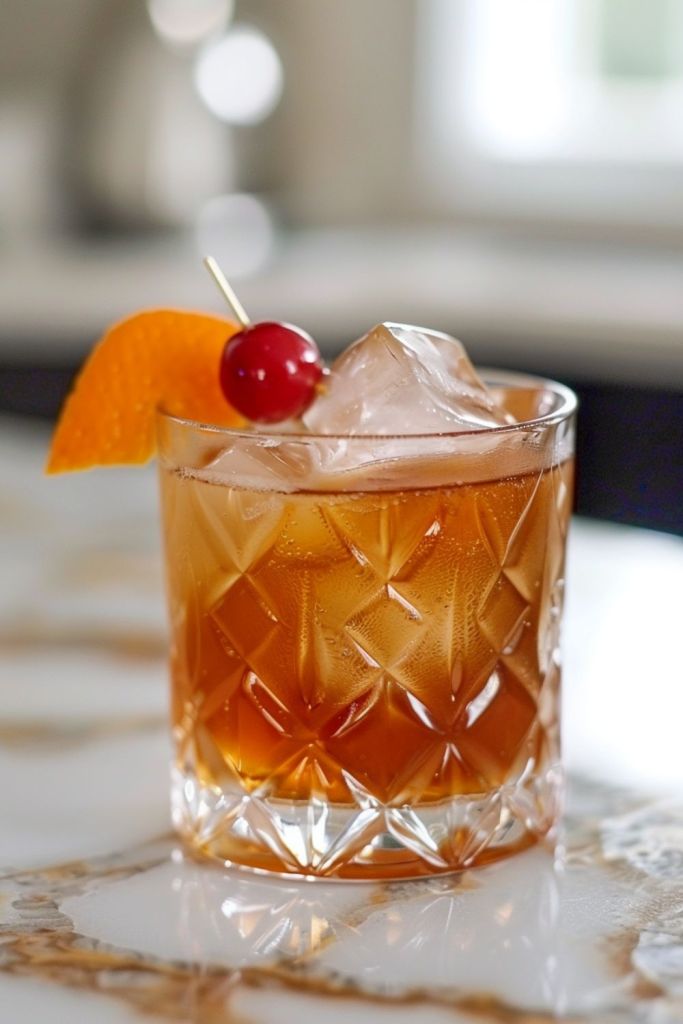
The Old Fashioned is often considered the ur-cocktail. By 1806, the definition of a cocktail was “spirit, sugar, water, bitters.” As bartenders grew experimental in the late 19th century, traditionalists demanded the drink made the “old-fashioned way.” It became the gentleman’s drink of the Gilded Age and remains a bartender’s test of skill. Its cultural afterlife is equally strong—immortalised on Mad Men as Don Draper’s constant companion, it is shorthand for American style and restraint.
Recipe Box: Perfect Old Fashioned
- 1 sugar cube (or ½ tsp sugar)
- 2 dashes Angostura bitters
- 2 oz / 6 cl rye or bourbon whiskey
- Orange peel
Muddle sugar and bitters with a splash of water, add whiskey and a large ice cube. Stir, garnish with expressed orange peel.
The Negroni: Florence’s Bitter-Sweet Icon
History
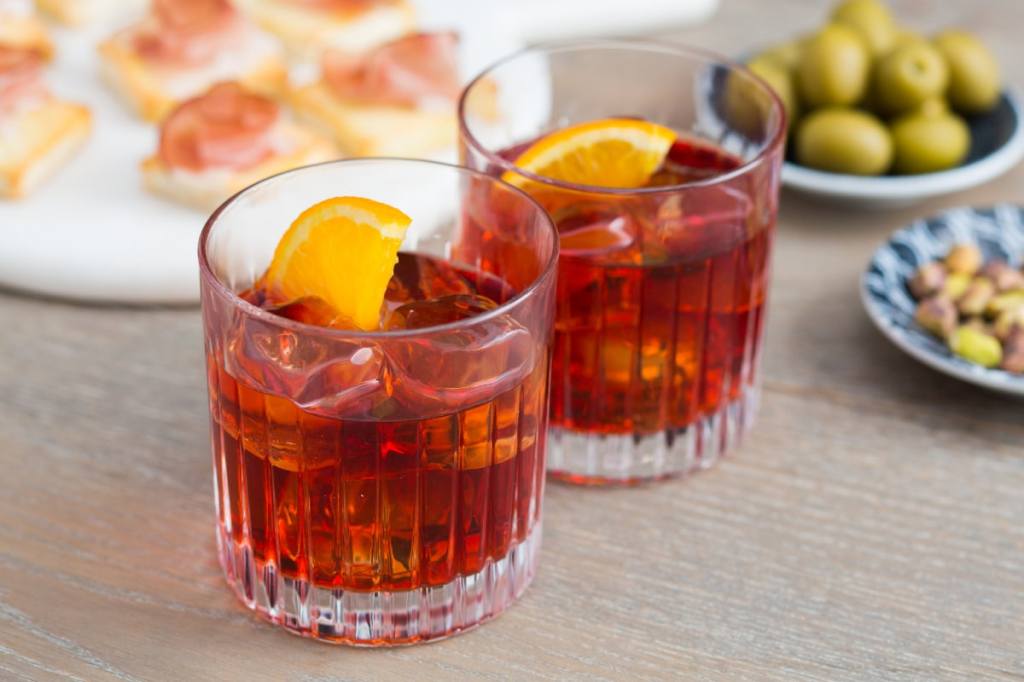
In 1919 at Caffè Casoni in Florence, Count Camillo Negroni requested his bartender strengthen his Americano by replacing soda water with gin. The result was a perfectly balanced mix—equal parts gin, Campari, and sweet vermouth—that captured the Italian ethos of aperitivo: a moment of pause before dinner, bitter and bright, designed for conversation. By the mid-20th century, the Negroni had become Italy’s global calling card, associated with tailoring, sprezzatura, and cinematic evenings.
Recipe Box: Perfect Negroni
- 1 oz / 3 cl gin
- 1 oz / 3 cl Campari
- 1 oz / 3 cl sweet vermouth
- Orange peel
Stir over ice, strain into a rocks glass, garnish with orange peel.
The Martini: Elegance Distilled
History
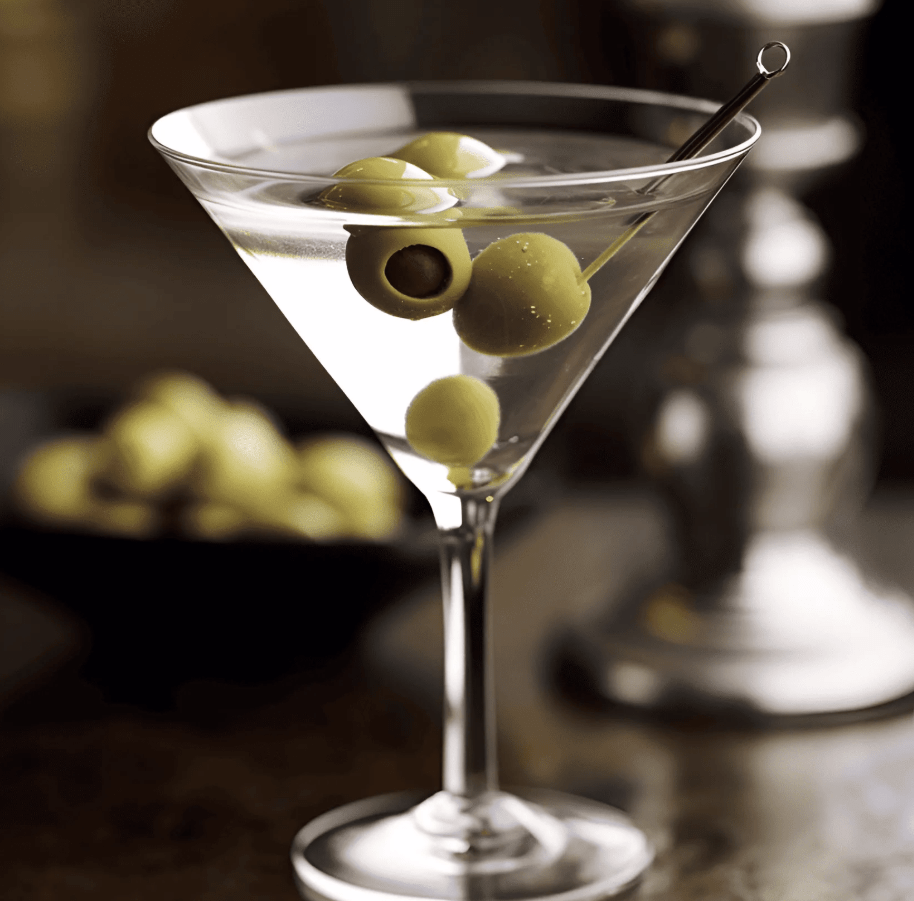
The Martini is the most mythologised cocktail. Some trace it to the Martinez (a gin-and-vermouth drink served in California in the 1860s); others to the Knickerbocker Hotel in New York circa 1910. By the 20th century, it had become a symbol of modernity—favoured by presidents, actors, and spies alike. Franklin D. Roosevelt reportedly mixed them in the White House; James Bond ordered his shaken. From smoky jazz clubs to skyscraper bars, the Martini became synonymous with clarity, precision, and sophistication.
Recipe Box: Perfect Martini
- 2 ½ oz / 7.5 cl London Dry gin
- ½ oz / 1.5 cl dry vermouth
- Lemon twist or olive
Stir with ice until chilled, strain into a coupe, garnish with twist or olive.
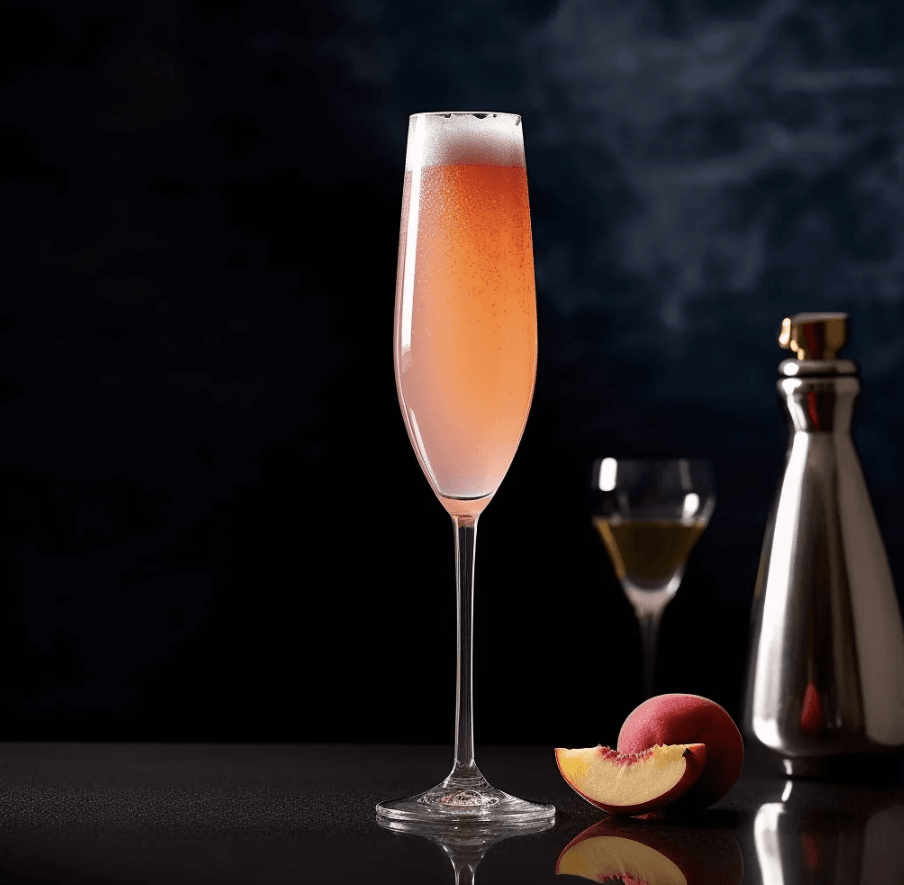
The Bellini: Venice in a Glass
History
Giuseppe Cipriani, founder of Harry’s Bar in Venice, created the Bellini in 1948. Fresh white peach purée topped with sparkling Prosecco mirrored the hues of Giovanni Bellini’s Renaissance paintings. Its fame spread quickly thanks to Harry’s international clientele: Hemingway, Capote, and Sinclair Lewis all toasted with it. Postwar optimism, Venetian glamour, and Italian art fused into one glass. Today, it remains a summer ritual in Venice and beyond.
Recipe Box: Perfect Bellini
- 2 oz / 6 cl white peach purée
- 4 oz / 12 cl Prosecco
Pour purée into flute, top with Prosecco, stir gently.
The Manhattan: New York’s Club Classic
History
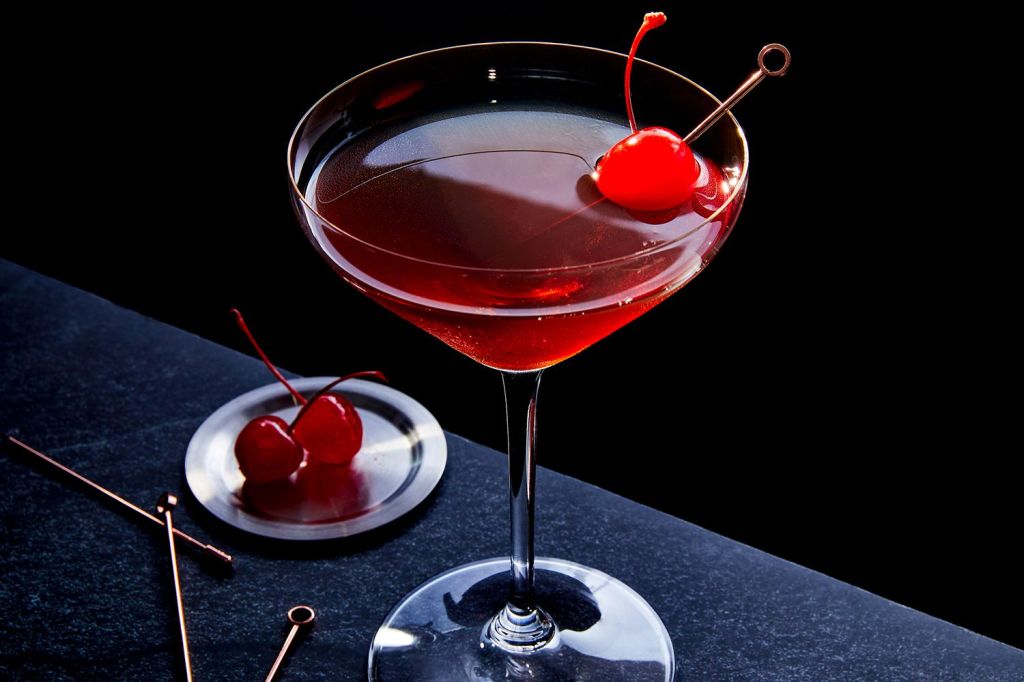
The Manhattan first appeared at the Manhattan Club in the 1870s, allegedly created for a banquet hosted by Lady Randolph Churchill. Its mix of rye whiskey, vermouth, and bitters epitomised Gilded Age New York: refined yet powerful. Through the Jazz Age and into Prohibition speakeasies, the Manhattan remained the city’s cocktail of choice. Today, it is still considered one of the essential classics, symbolising New York elegance and urban sophistication.
Recipe Box: Perfect Manhattan
- 2 oz / 6 cl rye whiskey
- 1 oz / 3 cl sweet vermouth
- 2 dashes Angostura bitters
- Cherry
Stir with ice, strain into coupe, garnish with cherry.
The Margarita: Mexico’s Gift
History
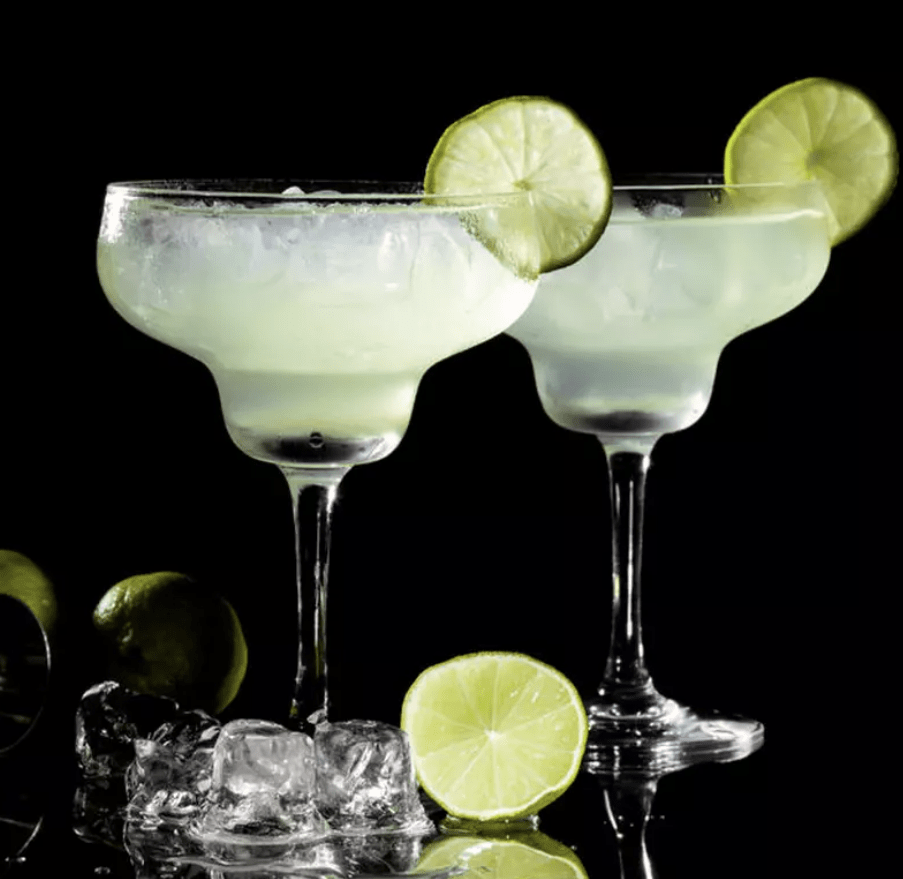
The Margarita’s exact birth is contested: some credit Tijuana bartender Carlos Herrera in the 1930s; others, Texan socialite Margarita Sames in 1948. What is certain is its meteoric rise—by the 1970s it was the most ordered cocktail in America. With its trinity of tequila, lime, and orange liqueur, the Margarita embodies fiesta and celebration, bridging Mexican tradition with Hollywood glamour.
Recipe Box: Perfect Margarita
- 2 oz / 6 cl tequila
- 1 oz / 3 cl triple sec
- 1 oz / 3 cl lime juice
- Salt rim
Shake with ice, strain into a salt-rimmed glass, garnish with lime.
The Daiquiri: Cuban Simplicity
History
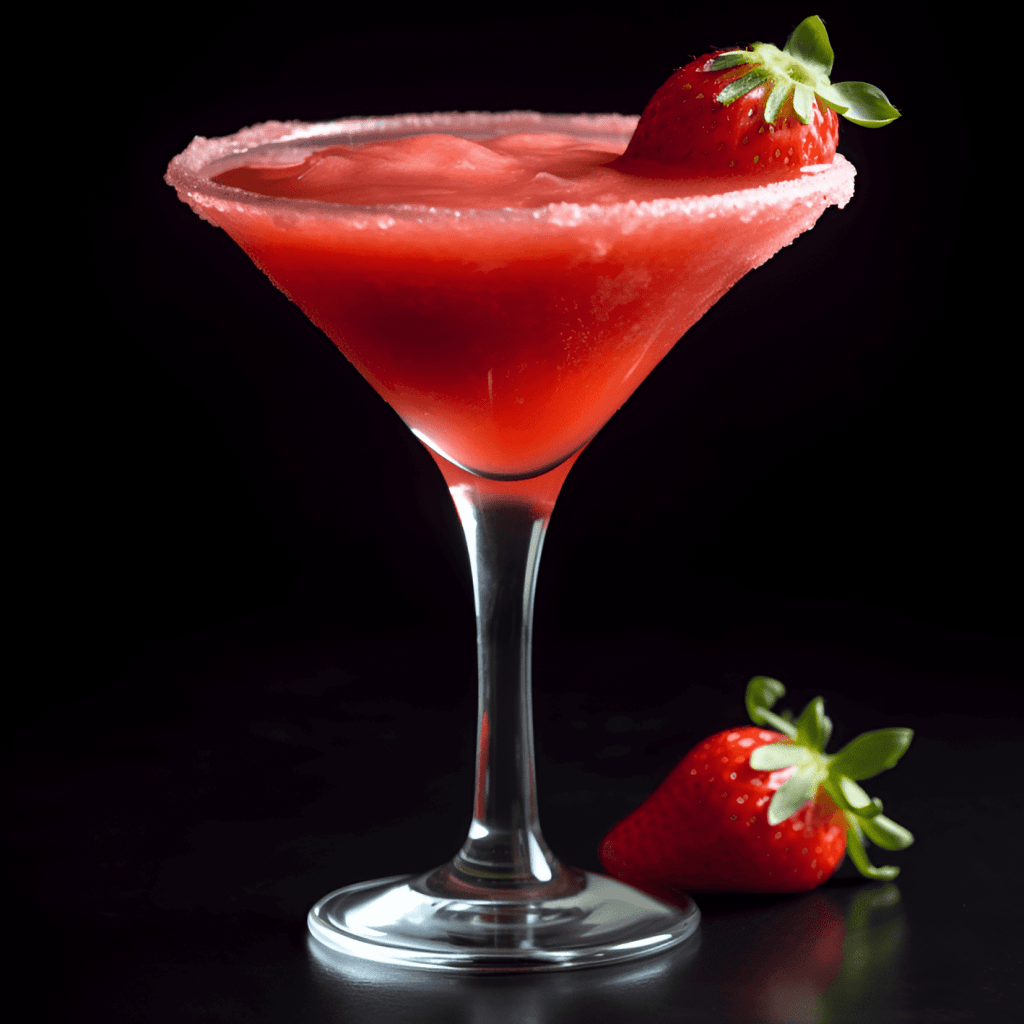
Named after a small town near Santiago de Cuba, the Daiquiri was created around 1898 by an American mining engineer. Simple yet elegant—rum, lime, sugar—it became the quintessential Cuban cocktail. In Havana, it found literary immortality through Hemingway, who preferred his “Papa Doble” with extra rum and less sugar at El Floridita. Unlike the frozen versions of the 20th century, the classic Daiquiri is restrained, tart, and deeply refreshing.
Recipe Box: Perfect Daiquiri
- 2 oz / 6 cl white rum
- ¾ oz / 2 cl lime juice
- ½ oz / 1.5 cl simple syrup
Shake with ice, strain into coupe.
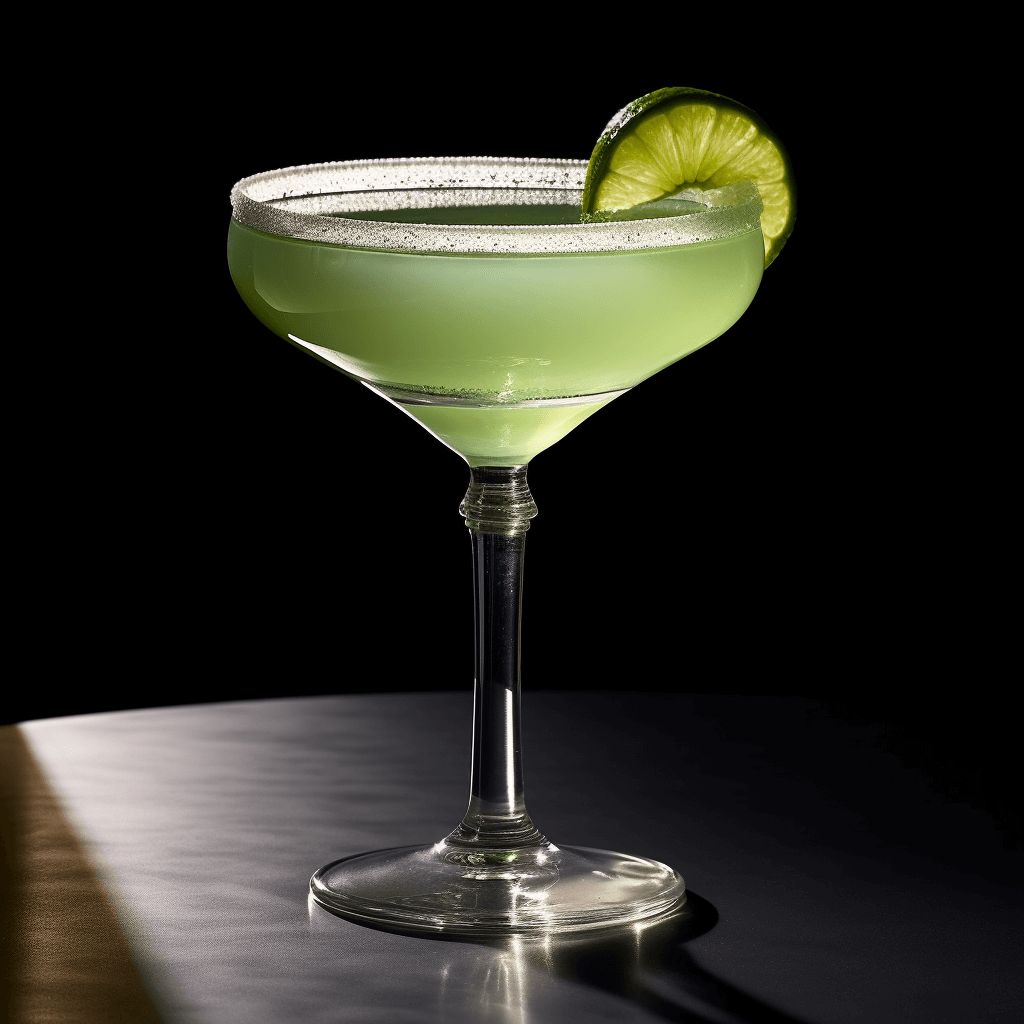
The Sidecar: Jazz Age Spark
History
The Sidecar emerged in the 1920s, its name reputedly inspired by a patron who arrived at Paris’s Ritz in a motorcycle sidecar. Cognac, Cointreau, and lemon made it the darling of the interwar years, balancing French refinement with London clubland cool. It epitomises the Jazz Age’s cosmopolitan glamour, a drink as sharp as the decade’s fashion.
Recipe Box: Perfect Sidecar
- 2 oz / 6 cl Cognac
- 1 oz / 3 cl Cointreau
- ¾ oz / 2 cl lemon juice
Shake with ice, strain into sugar-rimmed coupe.
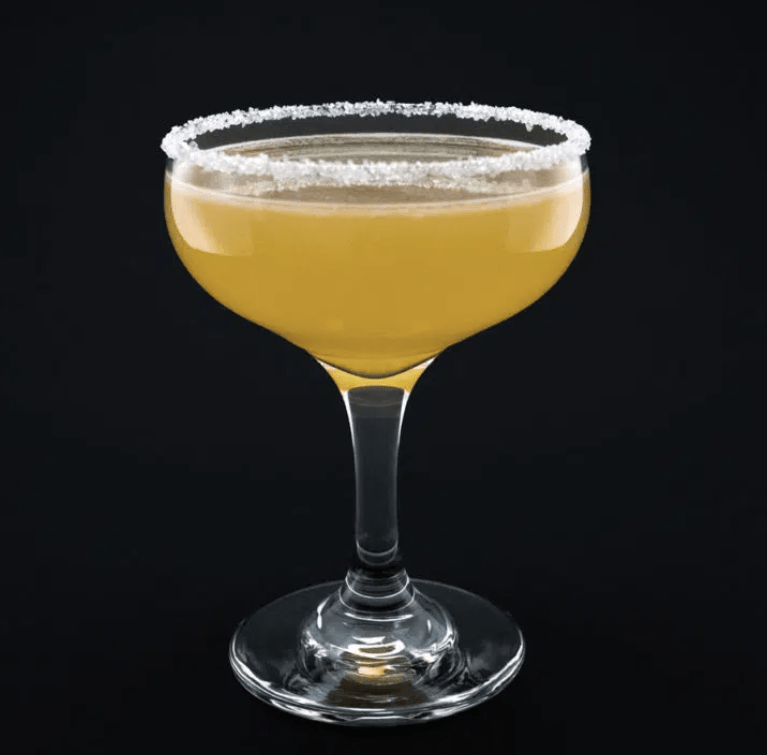
The French 75: Parisian Celebration
History
Invented during WWI at Harry’s New York Bar in Paris, the French 75 was named after the French field gun renowned for its impact. Champagne added sparkle, gin provided backbone. It was both a toast to survival and a symbol of Parisian chic. Immortalised in Casablanca, it remains a favourite in cocktail bars that straddle festivity and elegance.
Recipe Box: Perfect French 75
- 1 oz / 3 cl gin
- ½ oz / 1.5 cl lemon juice
- ½ oz / 1.5 cl simple syrup
- 3 oz / 9 cl Champagne
Shake gin, lemon, and syrup with ice, strain into flute, top with Champagne.
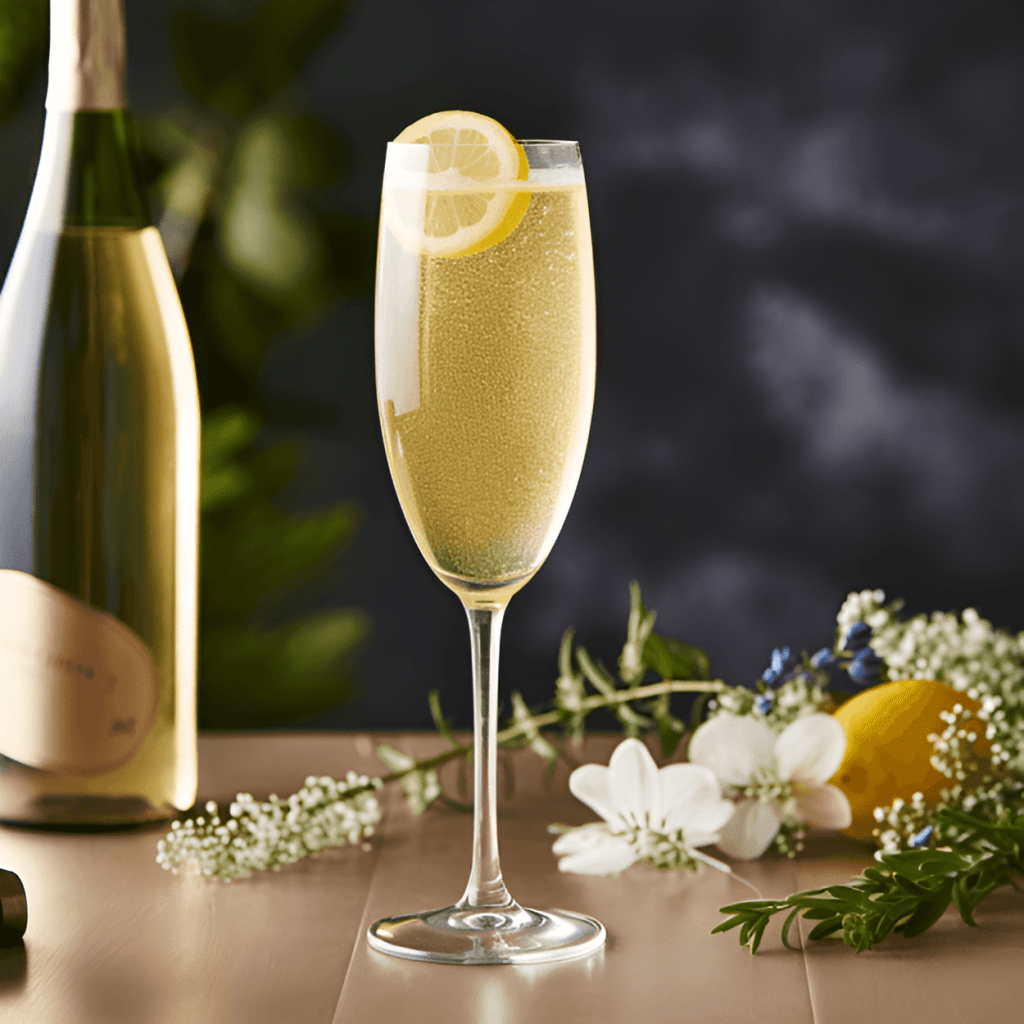
The Cosmopolitan: Pop Culture’s Pink Star
History
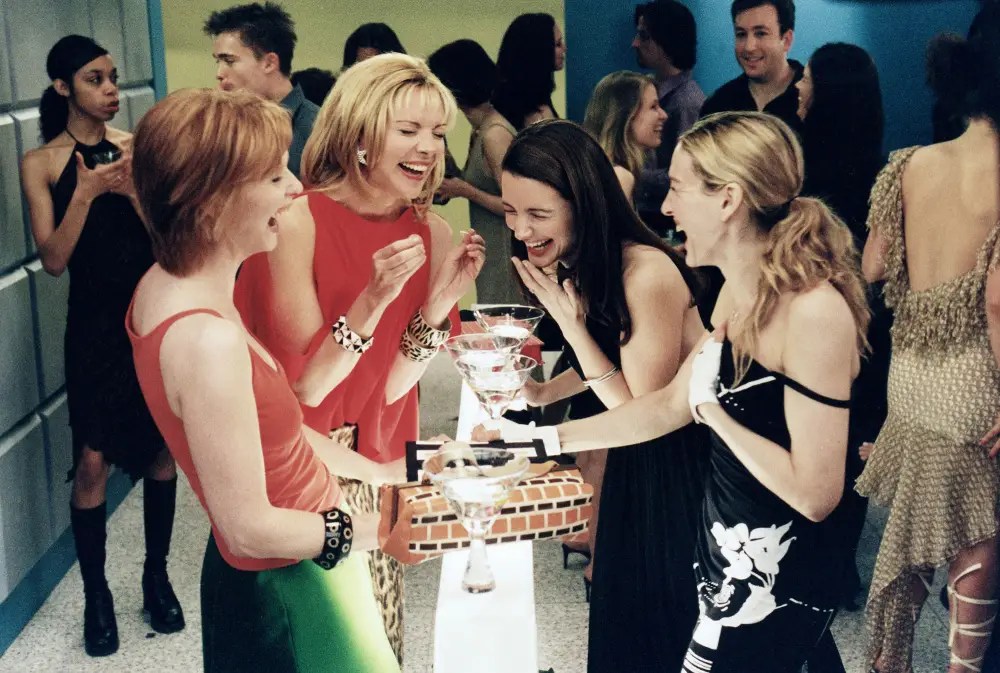
While pink-hued vodka cocktails existed earlier, the Cosmopolitan crystallised in 1990s Manhattan. Bartender Toby Cecchini refined it, and Sex and the City made it an icon. A blend of vodka, cranberry, triple sec, and lime, it became the drink of fashion parties and gallery openings—an emblem of a decade where cocktails were once again cultural symbols.
Recipe Box: Perfect Cosmopolitan
- 1 ½ oz / 4.5 cl vodka
- 1 oz / 3 cl cranberry juice
- ½ oz / 1.5 cl triple sec
- ½ oz / 1.5 cl lime juice
Shake with ice, strain into martini glass, garnish with lime.
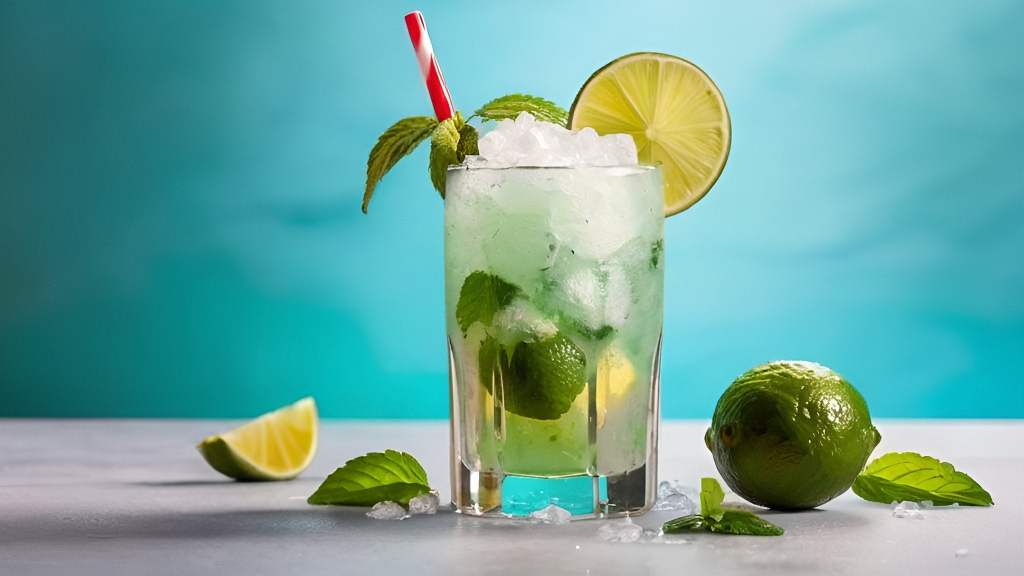
The Mojito: Havana’s Breeze
History
The Mojito’s roots go back to 16th-century Cuba, when explorers mixed lime, mint, sugar, and aguardiente (rum’s predecessor) as a cure-all. By the 20th century, it had evolved into a refreshing staple of Havana bars. Hemingway popularised it further at La Bodeguita del Medio, famously declaring: “My mojito in La Bodeguita, my daiquiri in El Floridita.” Today, it is the global symbol of tropical ease, a drink as light and lively as Cuban music itself.
Recipe Box: Perfect Mojito
- 6 mint leaves
- 2 oz / 6 cl white rum
- ¾ oz / 2 cl lime juice
- ½ oz / 1.5 cl simple syrup
- Soda water
Muddle mint and syrup, add rum and lime, fill with ice, top with soda.
A Global Language of Taste
From Florence’s bitter Negroni to Venice’s Bellini, from the mint-frosted porches of Kentucky to Havana’s mojitos, cocktails tell the story of modern leisure. They are cultural touchstones—rituals of taste that continue to define eras, cities, and identities. To mix one at home is to summon not just flavour, but history itself.
 My World of Interiors