
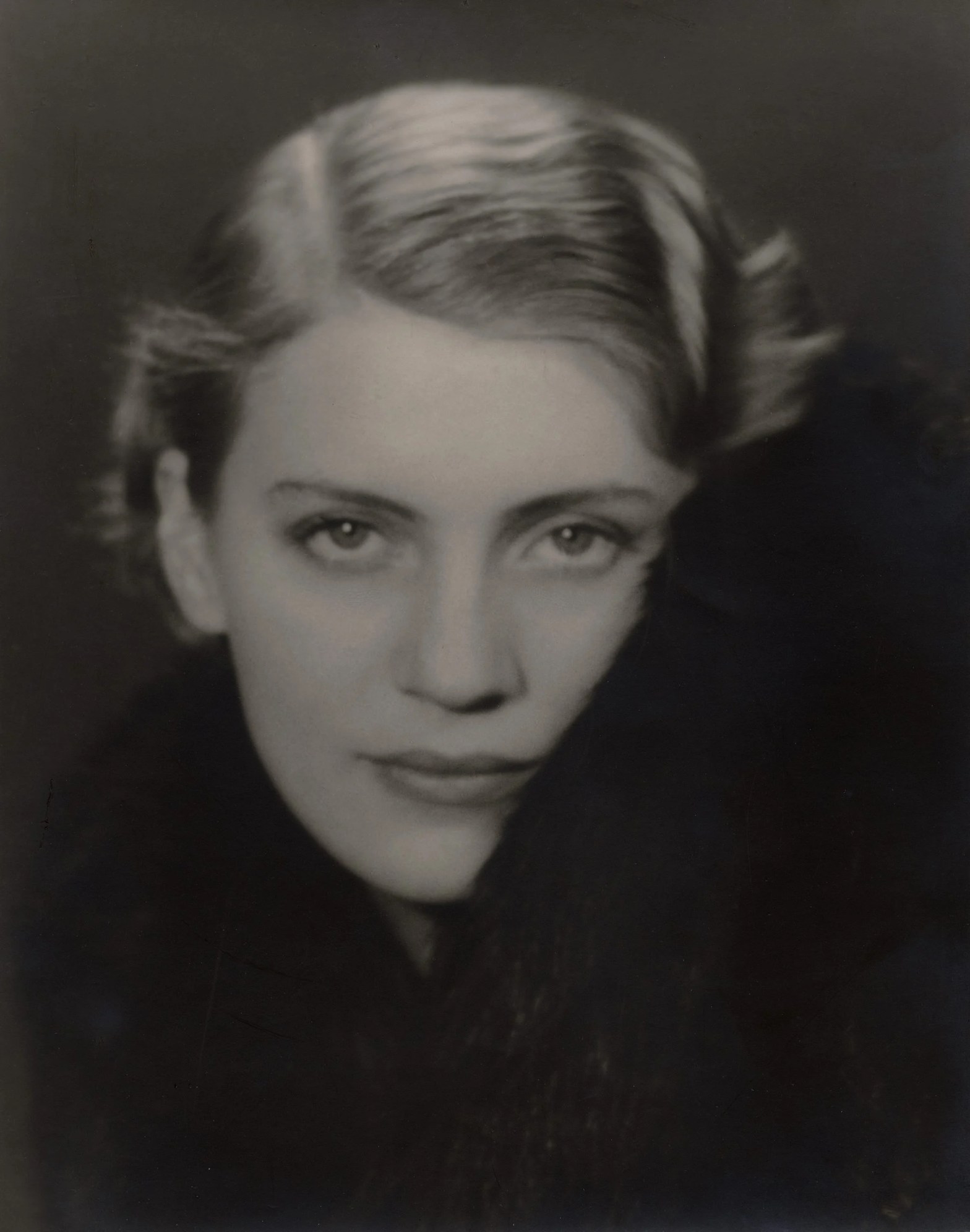
Lee Miller (1907–1977) lived many lives, each more improbable than the last. She was first a fashion model of startling beauty, then a Surrealist muse in Paris, then a groundbreaking war photographer who witnessed some of the darkest scenes of the twentieth century. By the end of her life, she had retreated into the quiet of an English farmhouse, her legacy obscured until rediscovery decades later. To trace her story is to encounter not only a woman of remarkable resilience, but also an artist who transformed trauma into vision.
With a new show at Tate Britain, we have pushed up our two planned Lee Miller features to correspond with the opening today.
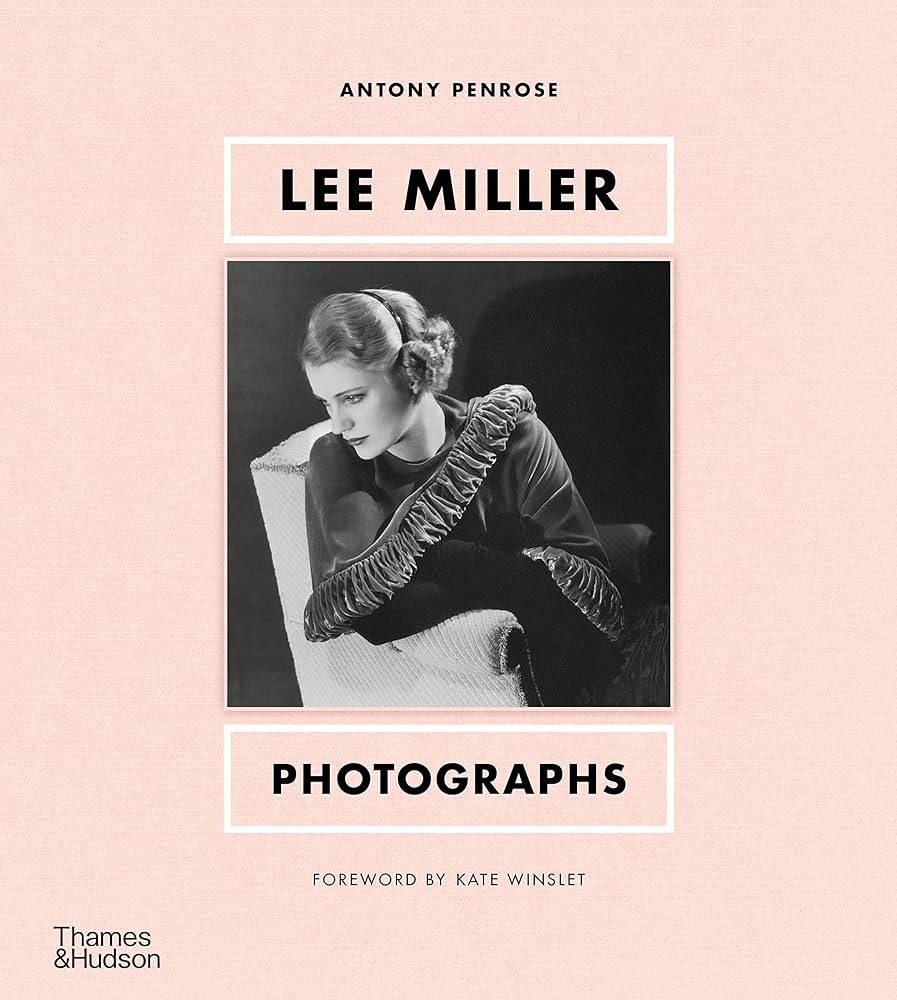
Our Lee Miller Amazon store companion piece.
Model and Muse
Born in Poughkeepsie, New York, Miller was discovered by Condé Nast in 1927 and quickly rose to fame as a Vogue cover model. With her sculptural features and cool intensity, she embodied the elegance of interwar fashion photography. But Miller was never content to remain an object of the lens. Moving to Paris, she apprenticed herself to Man Ray, becoming both his muse and collaborator. Together, they explored solarisation and photographic experimentation, their work blurring the boundaries between Surrealism, eroticism, and the uncanny.

The Photographer’s Eye
By the 1930s, Miller had established herself as a photographer in her own right, opening a studio in New York before returning to Europe. Her portraits combined elegance with psychological depth; her Surrealist compositions placed everyday objects into unsettling arrangements. She was not merely imitating Man Ray — she was expanding on his ideas, giving them her own precision and wit.
War Correspondent
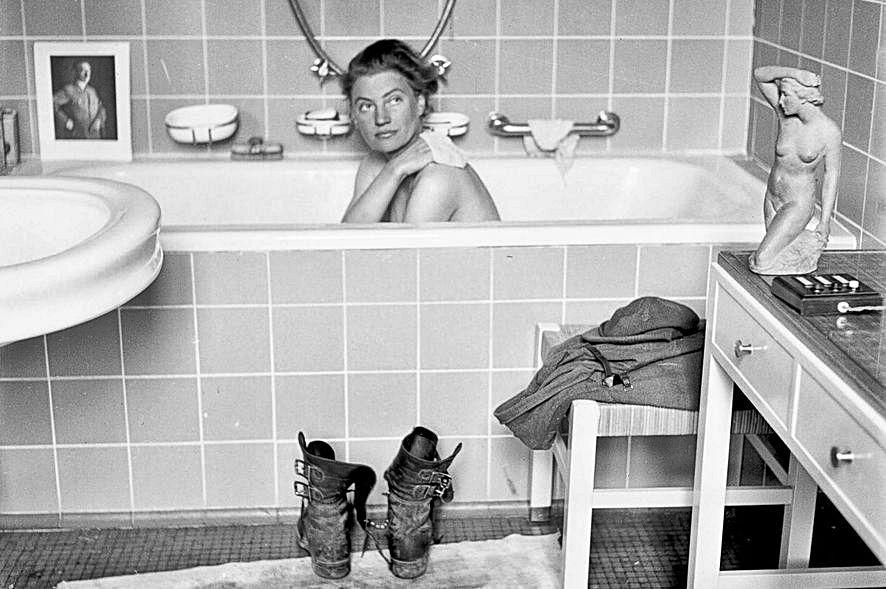
It was during World War II that Miller’s career took its most radical turn. As a correspondent for Vogue, she documented the London Blitz, American field hospitals, and the liberation of Paris. With the U.S. Army, she entered Buchenwald and Dachau, capturing images of horror that remain among the most searing visual records of the Holocaust. Hours later, she photographed herself bathing in Hitler’s Munich apartment — a surreal gesture of defiance, juxtaposing intimacy with atrocity.
Her war photography stripped glamour from the page and demanded readers confront devastation. These were not the chic spreads of pre-war Vogue, but brutal dispatches from a collapsing Europe. Miller forced fashion’s audience to see war’s consequences.
Retreat and Silence
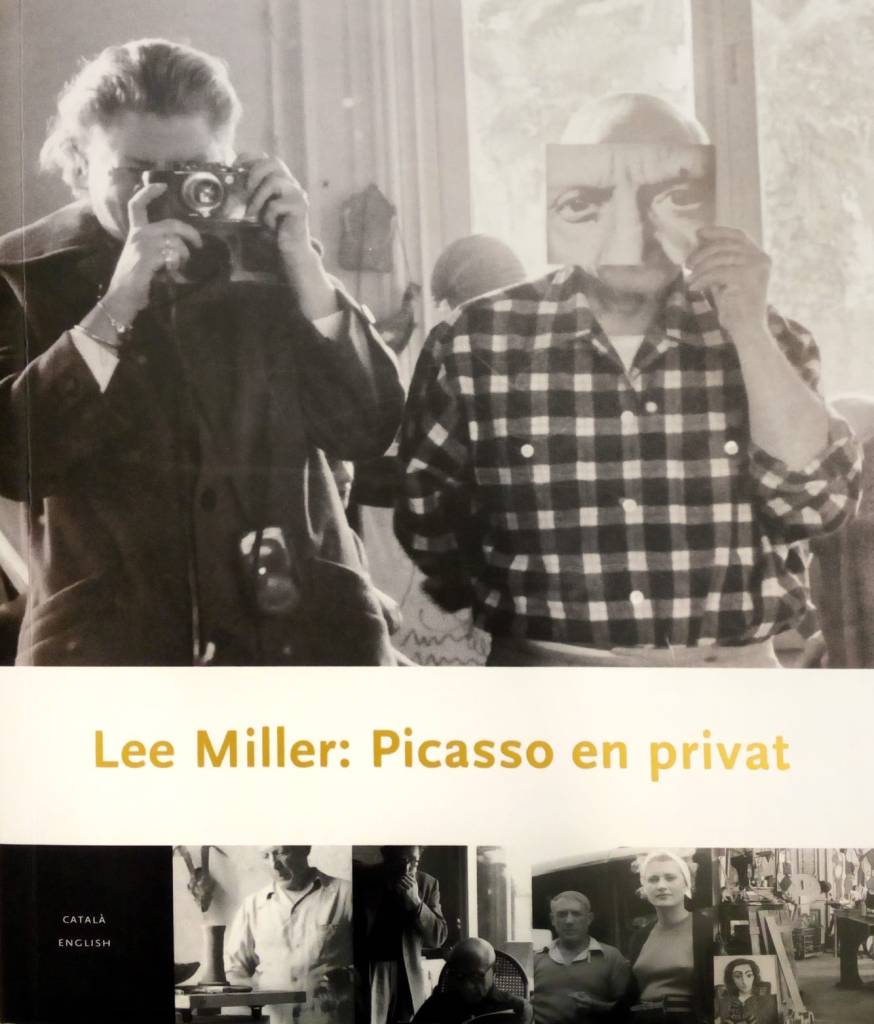
After the war, Miller married Roland Penrose, the British Surrealist, and settled at Farleys House in East Sussex. There she entertained artists like Picasso and Miró, but her own work diminished. Haunted by what she had witnessed, she struggled with depression and alcoholism. For decades, her war photography lay forgotten in boxes in the attic.
Rediscovery and Legacy
It was only after her death in 1977 that her son, Antony Penrose, uncovered her archive and began to publish her images. Exhibitions in London, Paris, and New York revealed her as one of the twentieth century’s most significant photographers. Miller’s career is now understood not as fragmented, but as a continuum: a Surrealist eye that could move from solarised fashion portraits to the raw truths of war, from the staged to the unspeakable.
The Alchemy of Reinvention
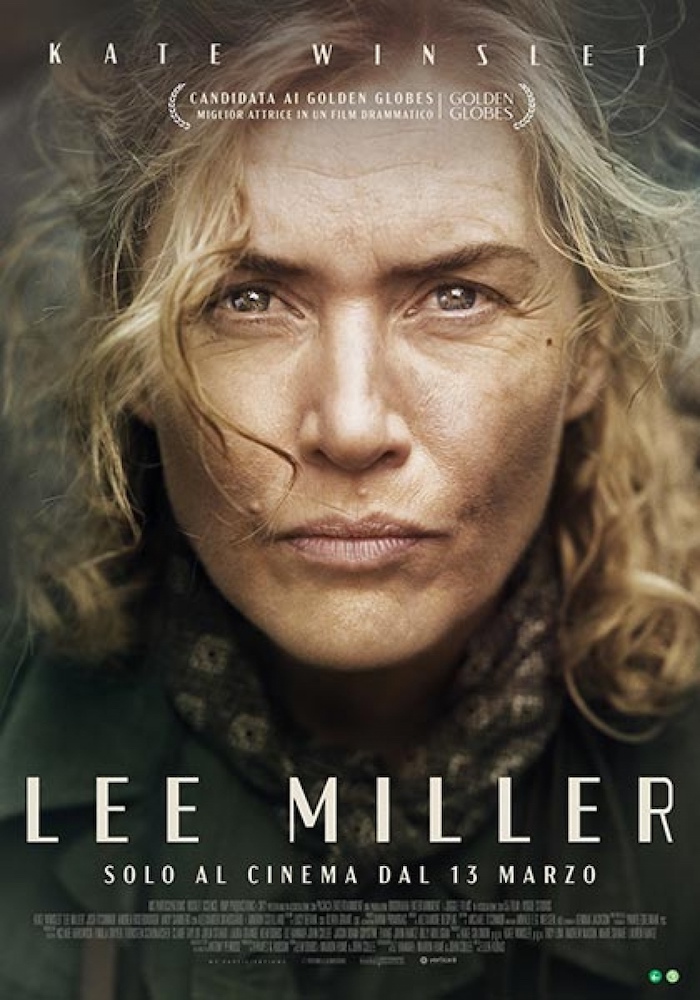
Lee Miller’s legacy is one of transformation. She defied the roles assigned to her — model, muse, wife — and made of them new possibilities. Her life illustrates the Surrealist principle of metamorphosis, but with a uniquely modern urgency. She stands today as an emblem of women’s resilience in art and in history: beautiful, yes, but never reducible to beauty; witness, survivor, visionary.
All the Rest:
Museums & Archives
- Lee Miller Archives – Official site preserving her photography and legacy.
- The Imperial War Museum, London – Holds many of her war photographs.
- The Met Museum – Exhibits her Surrealist collaborations and prints.
Further Reading
- Antony Penrose, The Lives of Lee Miller – Definitive biography by her son.
- Carolyn Burke, Lee Miller: A Life – Academic study situating her in 20th-century culture.
- Vogue Archives – Original publications of her fashion and wartime work.
Related Artists
- Man Ray – Collaborator and fellow Surrealist.
- Roland Penrose – Her husband and a central figure in British Surrealism.
TL;DR
Lee Miller’s life defies summary: she was at once fashion model, Surrealist photographer, war correspondent, and postwar recluse. Her lens captured both glamour and horror, her trajectory defined by reinvention. Today she is recognised not only as a muse of her age but as one of its most fearless artists, transforming the shadows of the twentieth century into enduring art.
 My World of Interiors