
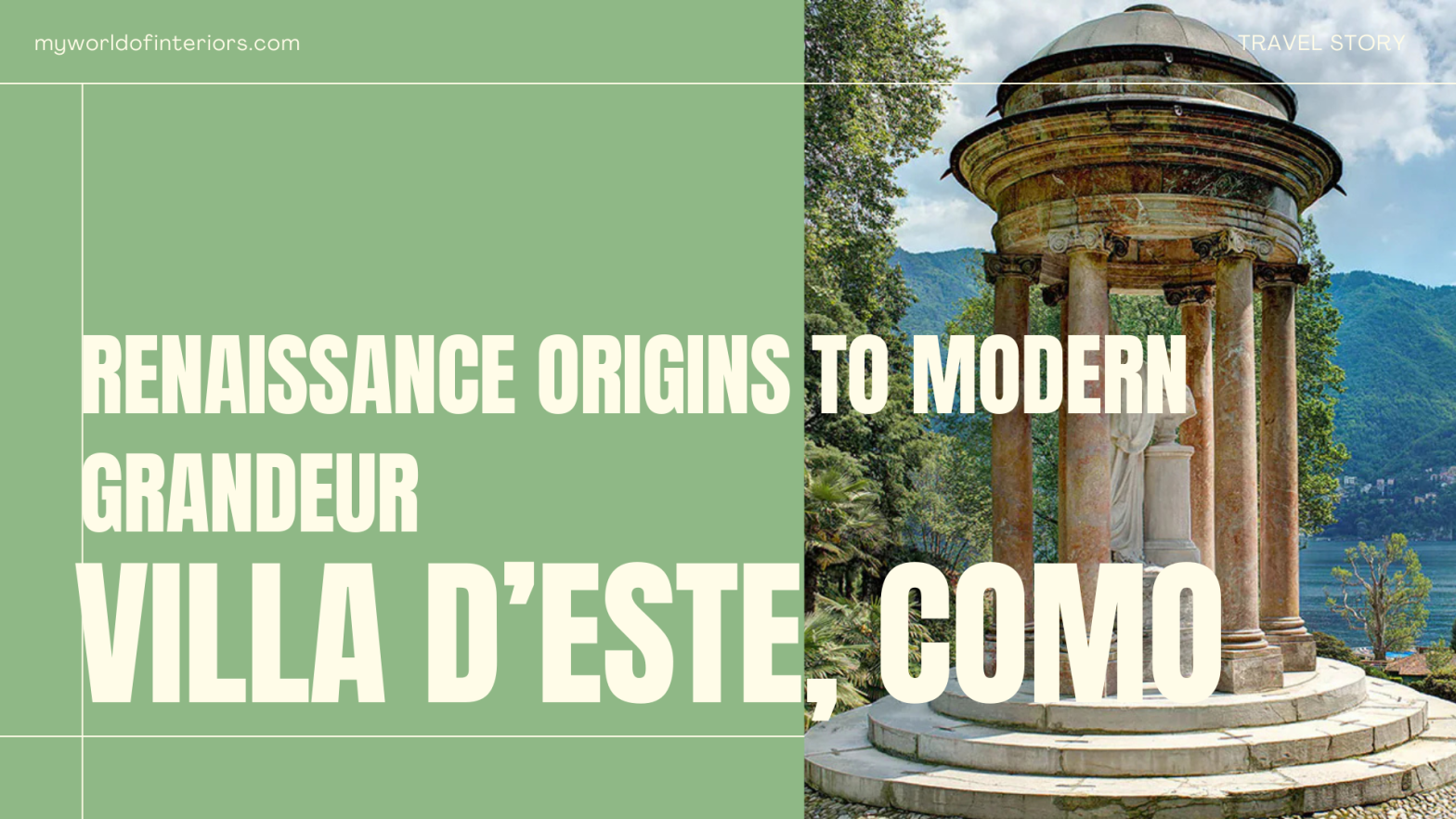
Perched on the shores of Lake Como, Villa d’Este is more than a hotel—it is a living testament to Renaissance architecture interlaced with 19th-century luxury, sustained by impeccable interiors and a storied cultural legacy. It has also just been confirmed that it’s the best hotel in Italy, possibly the world. No small feat.
Architectural Heritage and Historical Evolution
The estate began its life in 1565–70 as Villa del Garovo, constructed by architect Pellegrino Tibaldi for Cardinal Tolomeo Gallio as a summer retreat. Its defining features included Mannerist touches such as the Hall of Glory with illusionistic frescoes and the distinctive snail stairway descending into the gardens.
During the 18th century, the Calderari family undertook significant restorations, introducing a new Italianate garden, a nymphaeum, and landscape features that blended classical order with theatrical grandeur. In 1815, Caroline of Brunswick renamed it Nuova Villa d’Este, adding Romantic and English garden elements while enhancing the villa’s prominence.
By 1873, the property had been transformed into a luxury hotel—Villa d’Este—quickly becoming one of Europe’s grandest hospitality addresses. The later addition of the Queen’s Pavilion expanded accommodation with architectural grace, further elevating the estate’s stature.
Interiors: Grandeur Woven Across Centuries
Stepping through Villa d’Este’s public halls is akin to traversing time. Renaissance frescoes coexist with period paintings by Gaudenzio Ferrari and Bernardino Luini, antique tapestries, and classical sculpture.
Décor retains a Belle Époque sophistication: marble staircases, Murano chandeliers, and gilded parquets create a sense of timeless luxury. Notable spaces include the Napoleon Room, preserving 19th-century fittings, and grand corridors that have welcomed guests from Rita Hayworth to contemporary Hollywood figures.


Gardens and Landscape
The villa’s 25-acre gardens remain among its most defining features. Praised by Edith Wharton as the only garden on Como to preserve Renaissance integrity, the estate balances formal symmetry with natural drama.
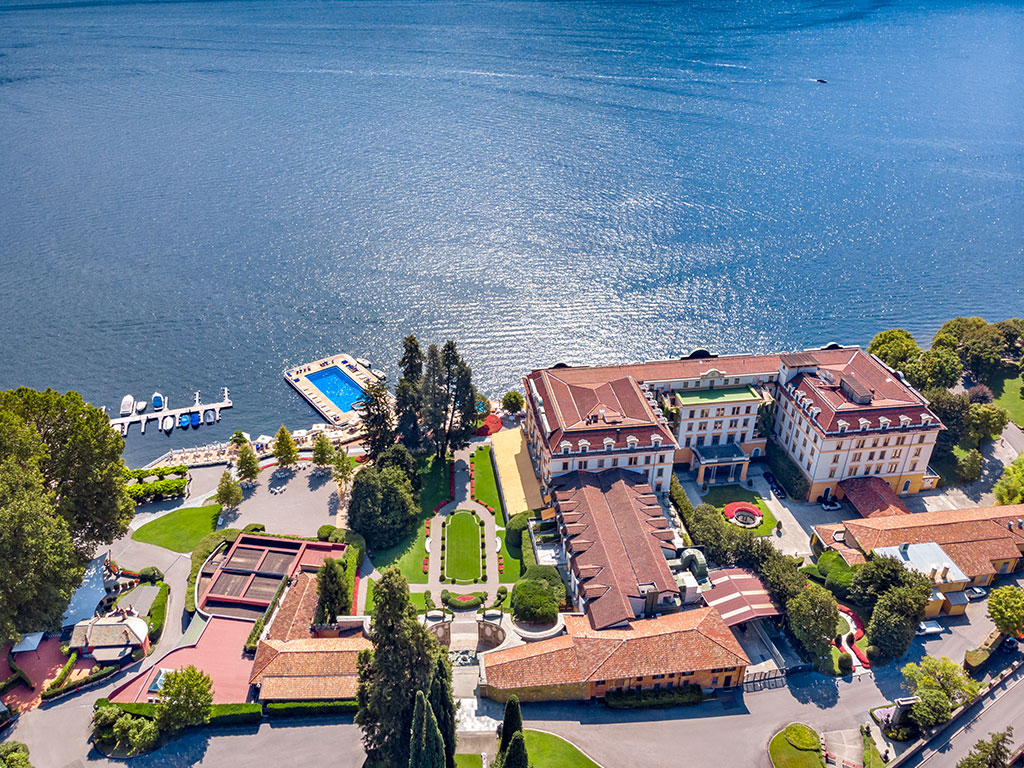
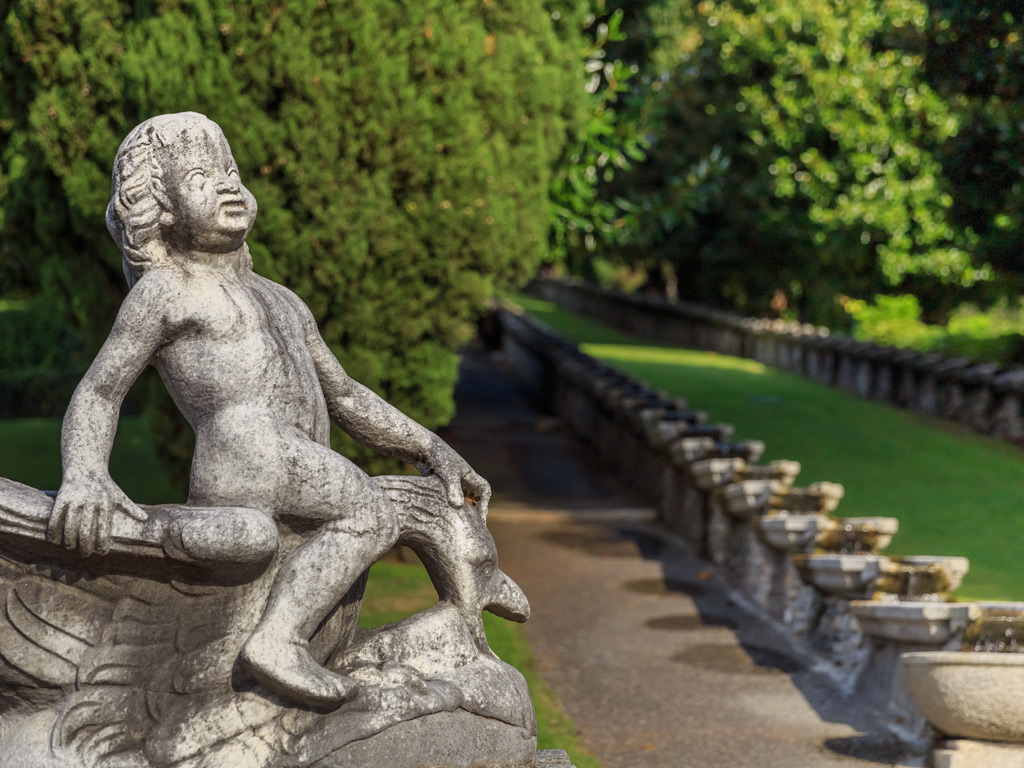
Statues, hedges, fountains, and sweeping terraces recall centuries of evolving design—from Renaissance formality to Romantic whimsy. The iconic floating pool, appearing to drift on the lake’s surface, has become a modern emblem of Villa d’Este’s union of history and innovation.

Villa d’Este in the Modern Age
In the 20th and 21st centuries, Villa d’Este has continued to combine heritage with relevance. It has hosted the prestigious Concorso d’Eleganza Villa d’Este, an annual concours for vintage automobiles, since 1929.
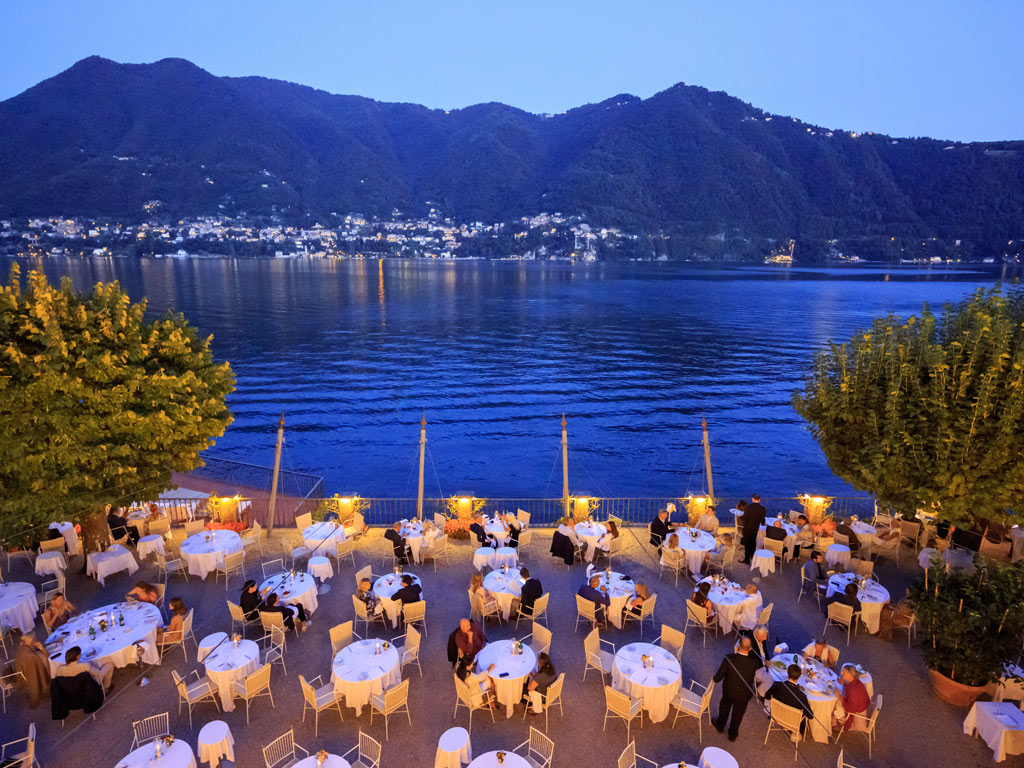
Amenities today include a spa, sporting club, multiple pools—including the famed floating pool—tennis courts, and banquet halls that still enforce formal dress codes as a nod to tradition. The hotel is consistently recognized in Condé Nast Traveler and Travel + Leisure rankings, and holds Michelin Guide distinctions, confirming its place among the world’s finest properties.
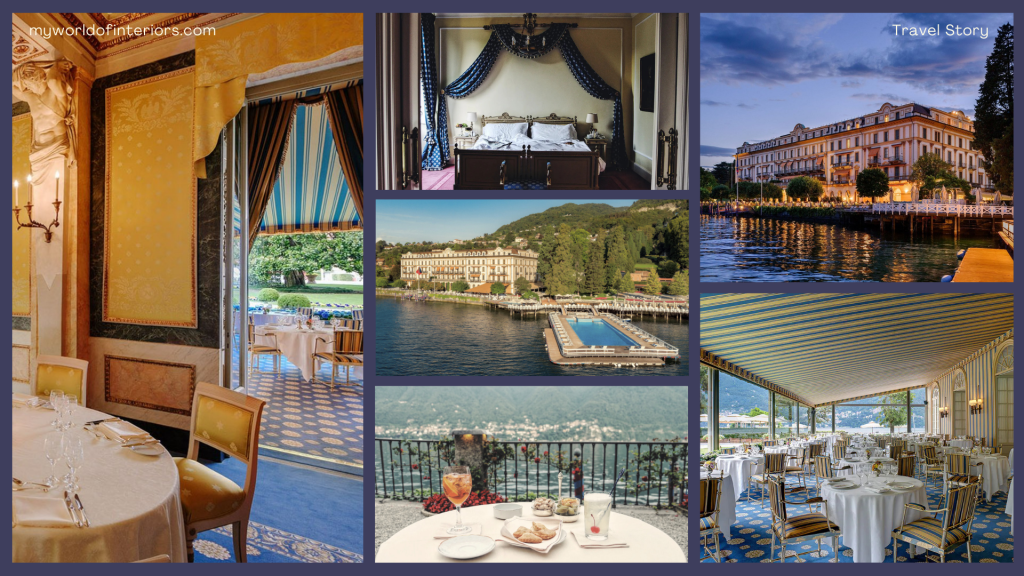
Villa d’Este at a Glance
Address
Via Regina 40, 22012 Cernobbio, Lake Como, Italy
www.villadeste.com
Origins
Built 1565–70 for Cardinal Tolomeo Gallio; Romantic redesigns in the early 19th century; converted into a luxury hotel in 1873.
Architecture Style
Renaissance villa with Baroque, Romantic, and Belle Époque additions.
Gardens
25 acres of Italianate and Romantic landscaping, with fountains, statues, and the famous floating pool.
Interiors
Frescoes, tapestries, Murano chandeliers, marble staircases, and period furnishings.
Amenities
Spa, floating pool, tennis, sporting club, formal dining rooms, and multiple banquet halls.
How to Get There
Approximately one hour from Milan Malpensa and Linate airports. Transfers by car, private boat, or helicopter can be arranged through the hotel.
Reservations
Bookings via the official website: www.villadeste.com
To order a gorgeous coffee table classic on Villa d’Este CLICK HERE
Villa d’Este is an architectural and cultural palimpsest: a Renaissance villa reimagined for modern luxury yet faithful to its art-historical soul. Its frescoed walls, baroque gardens, and glimmering pools continue to embody the essence of Lake Como’s timeless allure.

 My World of Interiors
One thought on “Villa d’Este, Lake Como: Renaissance Origins to Modern Grandeur”