

Few brands encapsulate the intersection of sport, leisure, and fashion quite like Lacoste. Founded in 1933 by French tennis champion René Lacoste and André Gillier, the label emerged at a moment when modern sport was reshaping ideals of elegance, masculinity, and leisure. With its iconic crocodile emblem and the introduction of the chemise—the now-ubiquitous polo shirt—Lacoste bridged athletic function with a refined sartorial code, establishing a template for what would later be called sportswear in the transatlantic fashion vocabulary.
Origins: The Gentleman Player
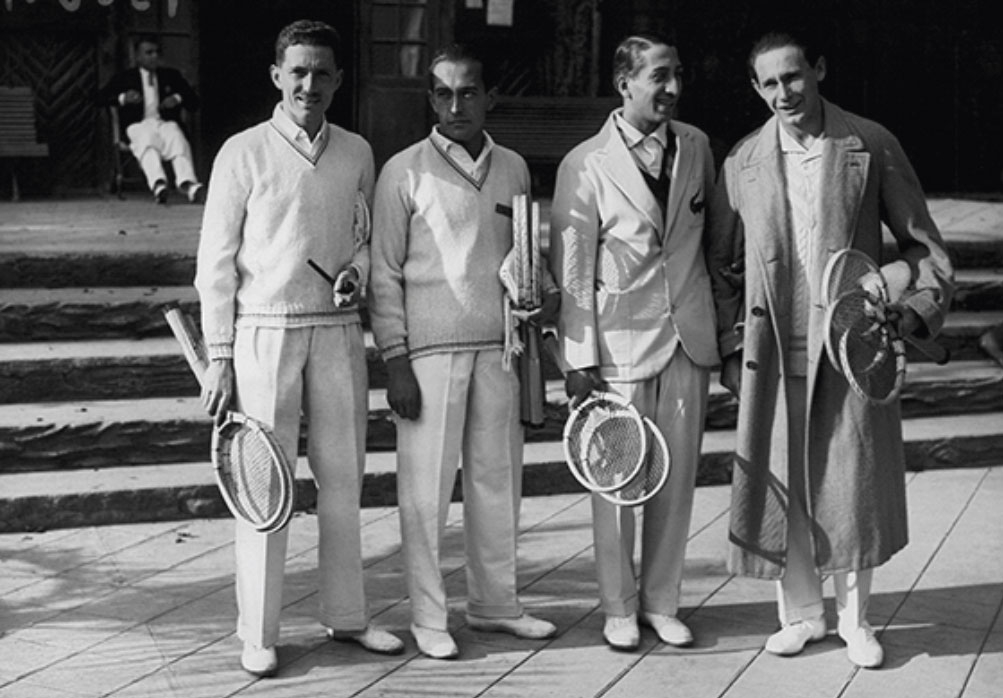
René Lacoste (1904–1996), known as “Le Crocodile” for his tenacity on court, defied the conventions of early 20th-century tennis attire. At the time, players labored in long-sleeved shirts, starched collars, and flannel trousers—garments that spoke of Edwardian formality rather than athletic pragmatism. In 1926, Lacoste debuted a short-sleeved, lightweight cotton shirt of his own design at the U.S. Open. Crafted from a novel piqué fabric, the shirt allowed for ease of movement while maintaining an elegant silhouette. The crocodile emblem, embroidered on the chest, became one of the first instances of visible branding in fashion—an audacious gesture that would later revolutionize logo culture.
Modernism and the Democratization of Leisure
The founding of Lacoste in 1933, in collaboration with André Gillier, then owner of France’s largest knitwear company, coincided with the broader interwar movement toward streamlined design and functionalist aesthetics. Just as Le Corbusier was reimagining architecture through modernist principles, Lacoste distilled athletic attire into a garment of pure utility and refined simplicity. The chemise Lacoste L.12.12—the original polo—signaled a cultural shift: sport and leisure could coalesce into a new mode of modern dressing.
By the 1950s, Lacoste had become emblematic of European resort style. The brand’s polo shirts were embraced by Riviera holidaymakers, signaling a new aspirational lifestyle that merged physical vitality with cultivated elegance. In America, Lacoste was distributed through Izod, further embedding the crocodile logo into the burgeoning preppy aesthetic of mid-century campuses and country clubs.
The Semiotics of the Crocodile
The Lacoste logo occupies a singular place in fashion history. Unlike heraldic crests or couture signatures, the crocodile is playful yet assertive—a symbol of determination and controlled aggression. Its presence on the left breast of the polo marked a democratization of luxury: clothing could bear its insignia openly, inviting both brand loyalty and cultural signaling. This practice prefigured the logo-mania of the late 20th century, from Ralph Lauren’s polo player to the monogrammed canvases of Louis Vuitton.

Global Expansion and Shifting Identities
In the latter half of the 20th century, Lacoste’s identity expanded beyond tennis whites to encompass a wider universe of sportswear and lifestyle products. By the 1970s and 1980s, the brand was at once a marker of European sophistication and a symbol within the American preppy canon. In the 1990s, Lacoste underwent a renaissance under the stewardship of designer Christophe Lemaire, who sharpened its minimalist codes and re-asserted its place within contemporary fashion.
Today, Lacoste occupies an ambiguous but powerful cultural position: simultaneously heritage and modern, casual yet refined, accessible but aspirational. Collaborations with streetwear labels, contemporary artists, and designers such as Jean-Paul Goude and Novak Djokovic (as global ambassador) underscore its agility in traversing multiple cultural registers.
Lacoste as Cultural Archetype
Lacoste’s significance lies not merely in its garments but in the cultural archetype it embodies. The brand crystallized a new vision of elegance—one in which sport and fashion, leisure and discipline, individuality and collectivity intersect. Its crocodile logo remains a potent symbol of endurance, adaptability, and refinement. In charting the history of Lacoste, one traces the genealogy of modern sportswear itself, and with it, the very notion of fashion as lifestyle.

 My World of Interiors