Category: Literature
-
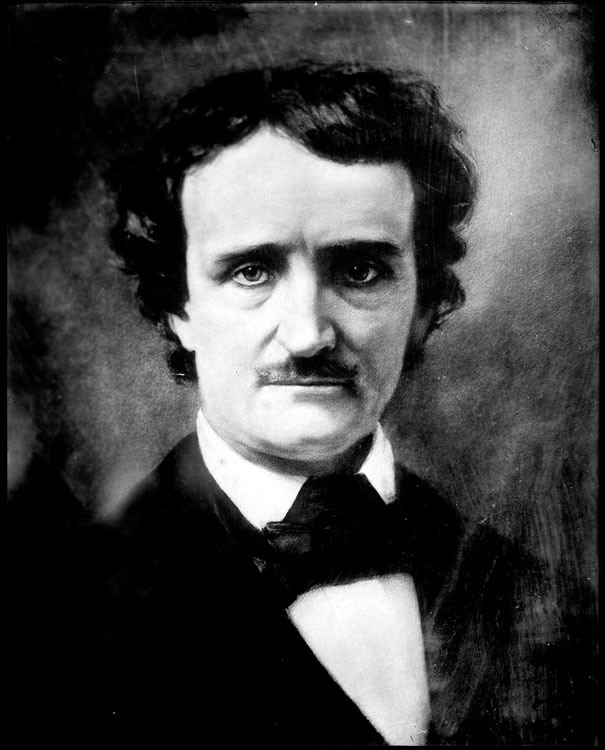
Edgar Allan Poe: The Architect of American Shadows
Edgar Allan Poe (1809–1849) remains one of the most singular figures in American letters: poet, critic, short story pioneer, and gothic visionary. His life, brief and tumultuous, has long been folded into the myth of his work — the impoverished genius, the tragic outsider, the writer of haunted tales who himself died mysteriously. But Poe’s…
-
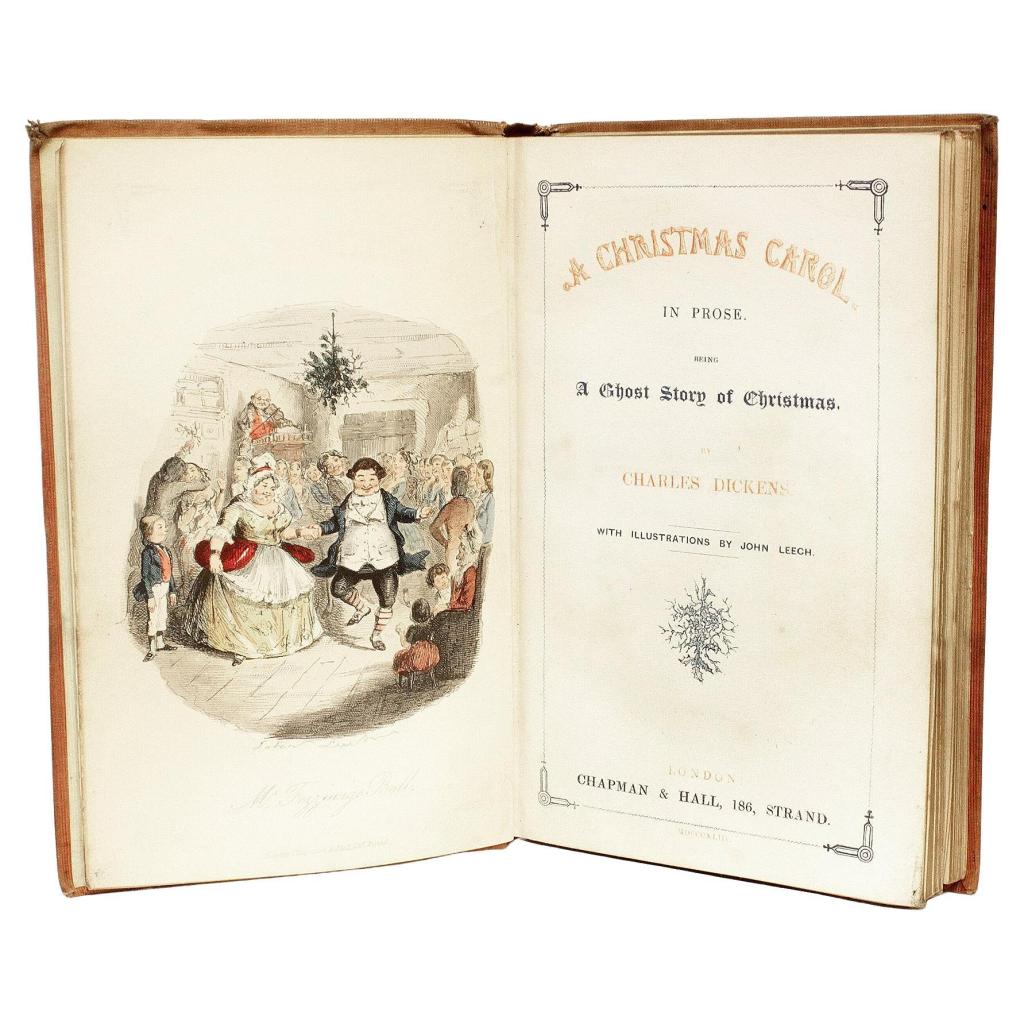
Christmas in Literature: The Season on the Page
Some of our strongest images of Christmas do not come from memory or ritual, but from books. From the glowing hearths of Dickensian London to the snowy Welsh villages of Dylan Thomas, writers have long used Christmas as both backdrop and metaphor. On the page, the season becomes not just a holiday, but a prism…
-
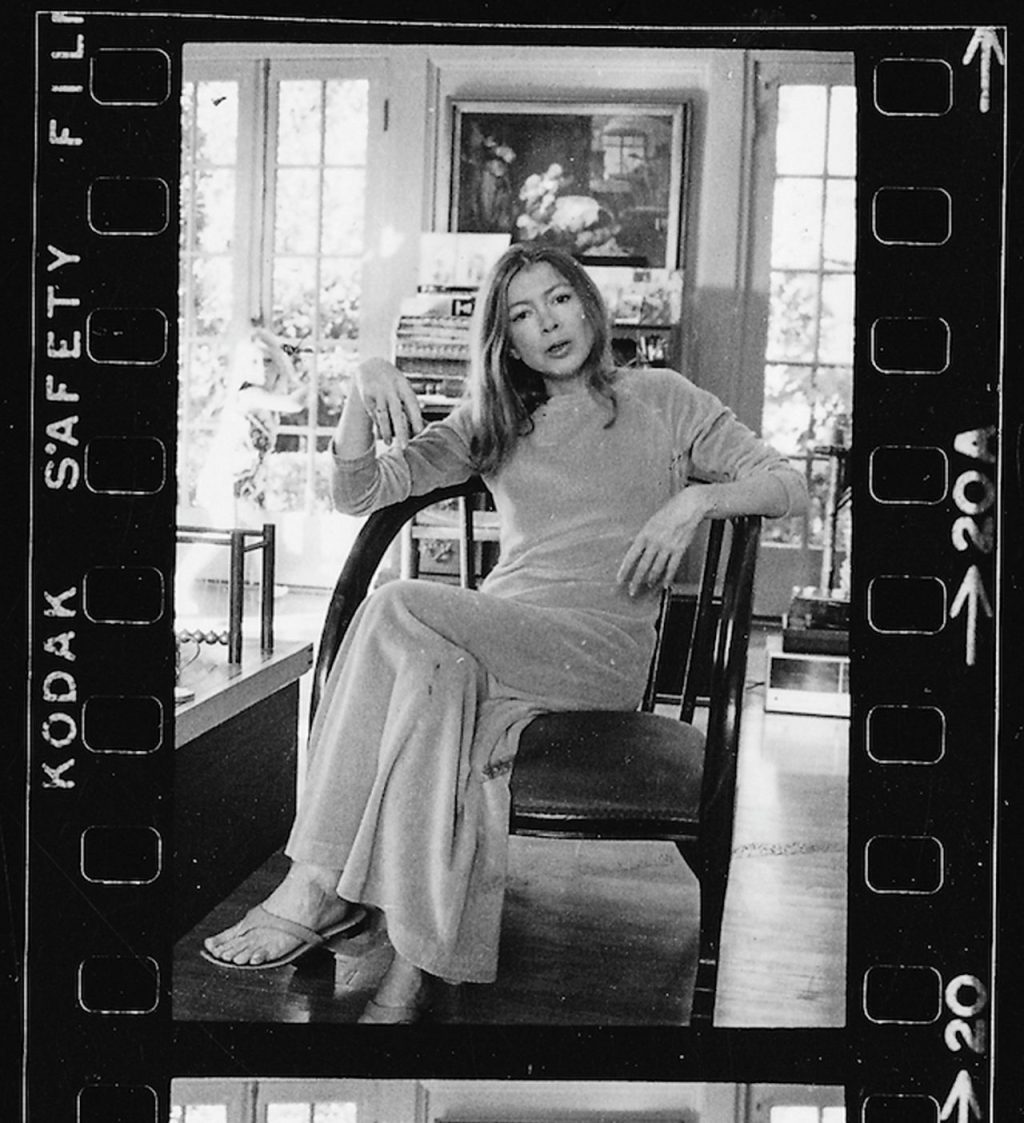
Joan Didion: The Cool Precision of a Literary Icon
Joan Didion was one of the defining writers of the 20th century, a figure whose cool prose, sharp eye, and unsparing self-examination reshaped the possibilities of nonfiction. From her portraits of California in the 1960s to her searing meditations on grief in the 2000s, Didion’s work remains a model of style, clarity, and depth. Her…
-
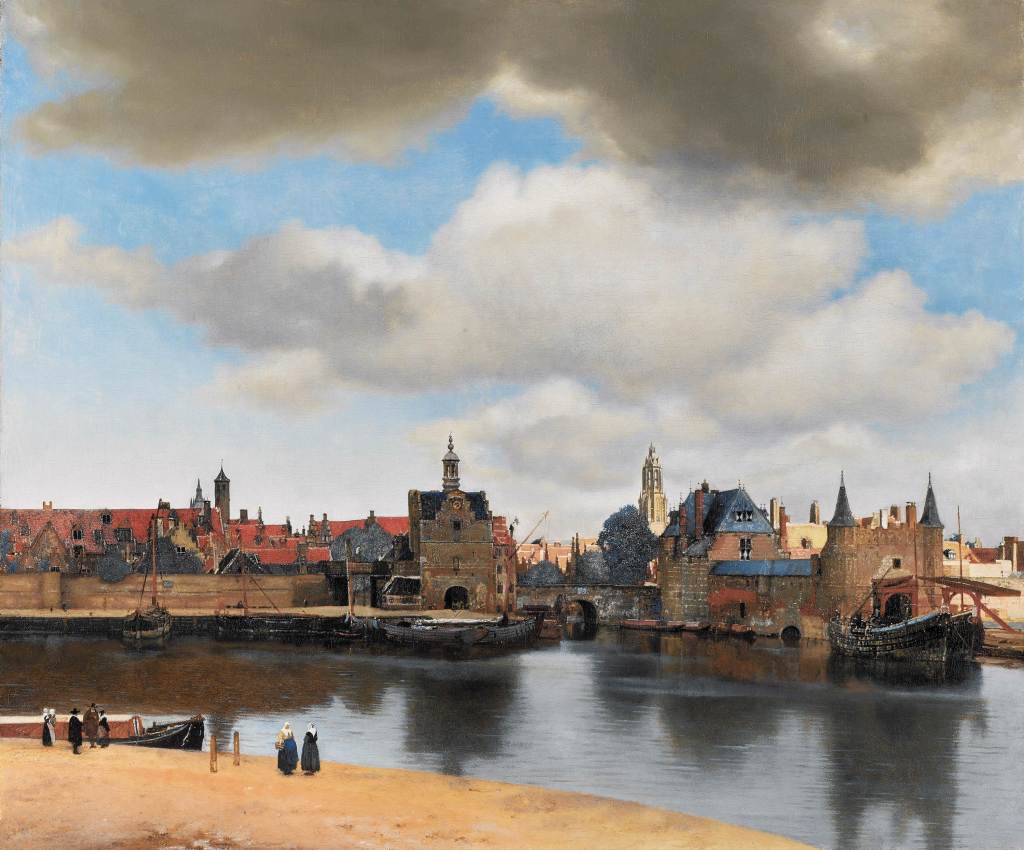
Proust & Bergotte
Marcel Proust on the Death of the Writer Bergotte The circumstances of his death were as follows. A fairly mild attack of uraemia had led to his being ordered to rest. But, an art critic having written somewhere that in Vermeer’s View of Delft (lent by the Gallery at The Hague for an exhibition of Dutch painting),…
-
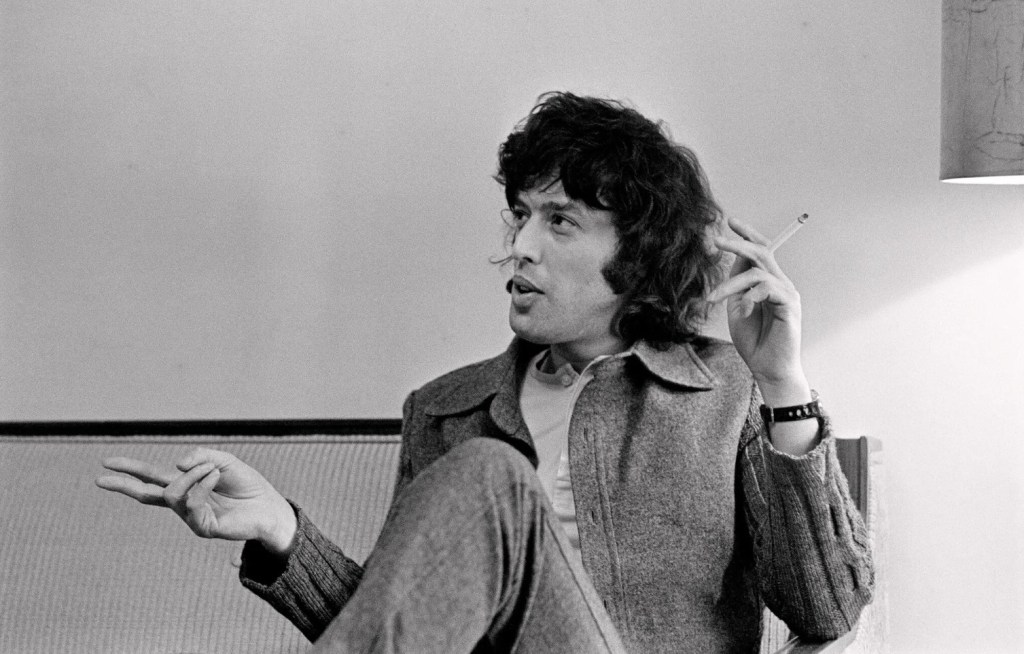
Tom Stoppard — 1937–2025
Tom Stoppard, one of the most influential and inventive playwrights of the modern era, died on 29 November 2025 at his home in Dorset. He was 88. Born Tomáš Sträussler in 1937 in Czechoslovakia, Stoppard fled the Nazi occupation with his family as a child, eventually settling in England — a displacement that would later…
-
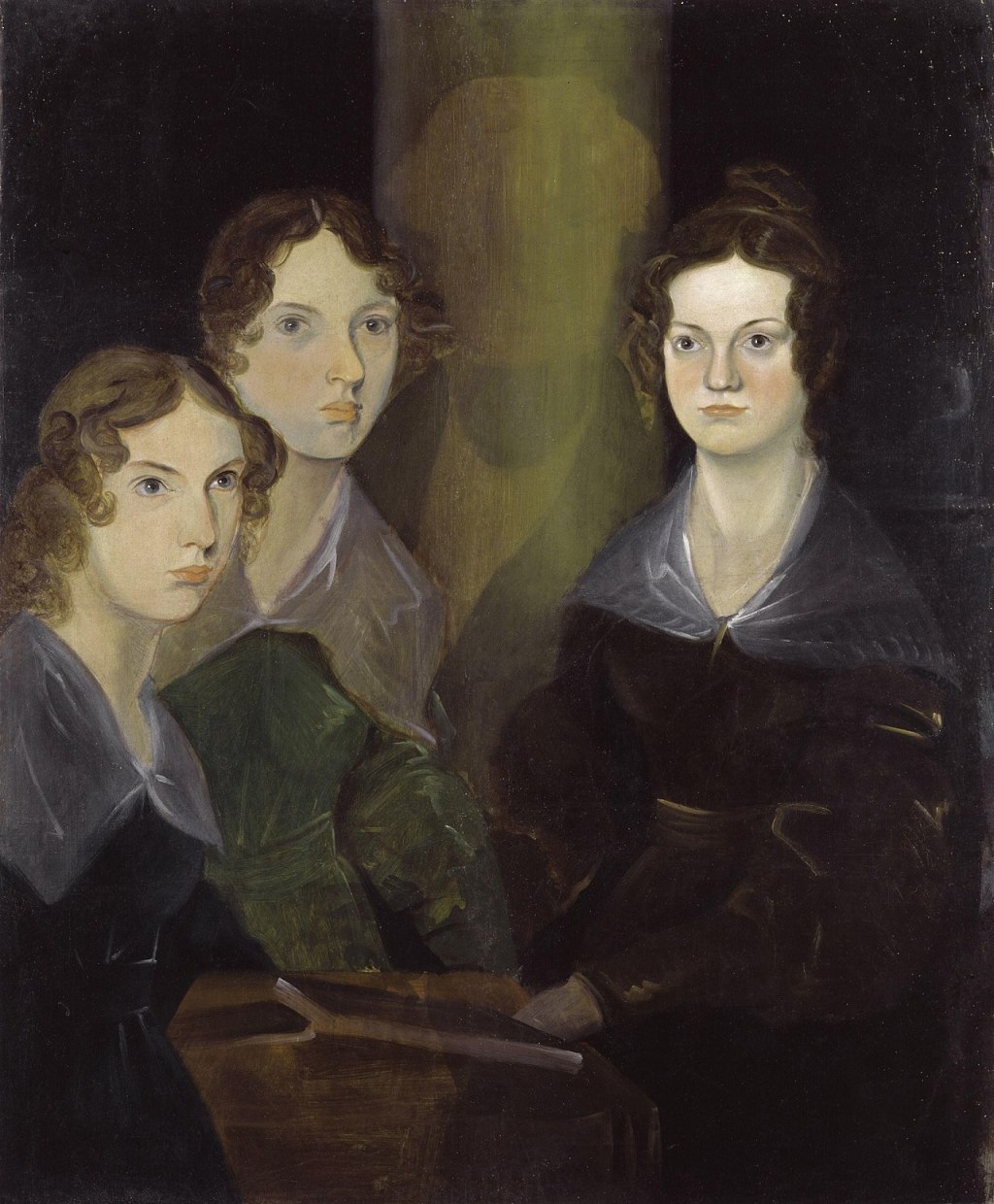
The Brontë Family: A Furnace of Genius on the Yorkshire Moors
Introduction There are literary families, and then there are the Brontës—six children raised in a remote parsonage on the Yorkshire moors, who transformed personal grief, imaginative play, and strict Victorian constraints into novels that altered the course of English literature. Their story is not simply about genius blooming in isolation; it is about a family…
-

James Baldwin: Voice of Fire, Witness of a Century
James Baldwin was one of the 20th century’s most essential writers, a man whose voice carried the urgency of politics, the intimacy of confession, and the beauty of poetry. He was novelist, essayist, playwright, and activist, but above all, he was a witness: to America’s racial history, to the lives of the dispossessed, and to…
-

Truman Capote: A Legacy of Style and Story
Truman Capote was one of the most indelible voices of 20th-century literature. His name evokes both glittering soirées and devastating solitude, but beyond the gossip and social whirl, he was above all a craftsman: a master stylist whose sentences could shimmer with lightness or cut with precision. His legacy is not the scandals that dogged…
-
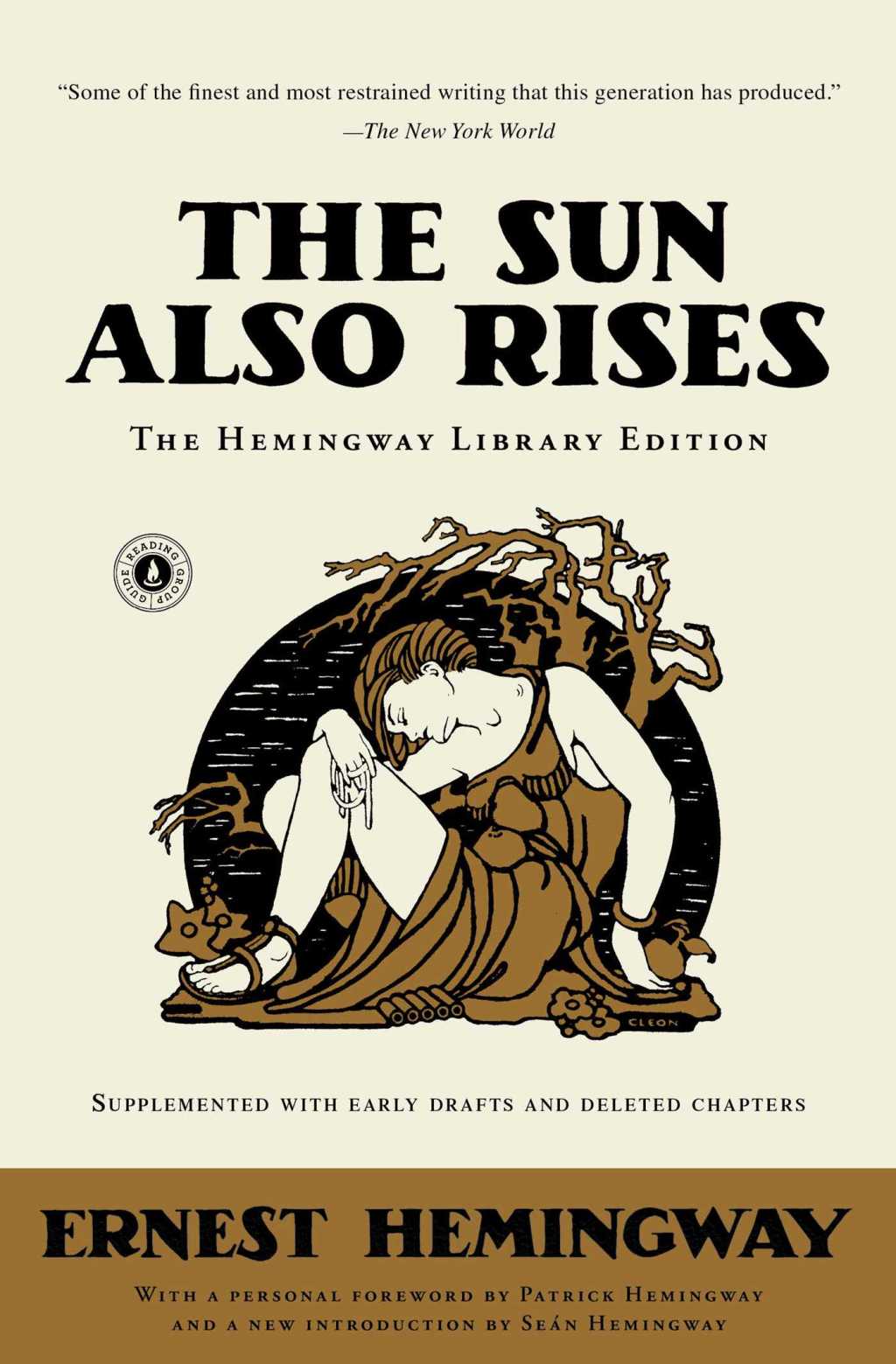
The Sun Also Rises: Hemingway’s Fiesta of Disillusion
When Ernest Hemingway published The Sun Also Rises in 1926 — titled Fiesta in the United Kingdom — he gave modern literature one of its first portraits of what would come to be called the “Lost Generation.” The novel, loosely drawn from his own time in Paris and Pamplona with a circle of expatriate friends,…
-
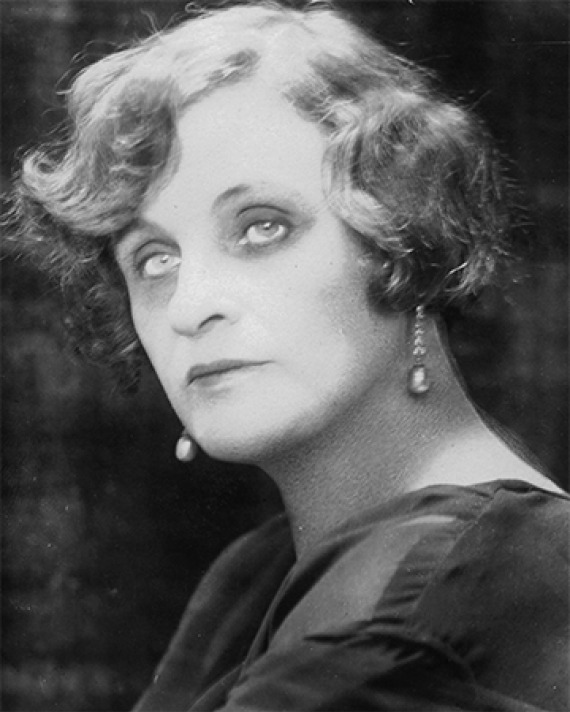
Teffi: Wit, Exile, and the Art of Survival
There are writers who chronicle history from the center of power, and there are writers who record it from the margins, turning displacement itself into a vantage point. Teffi, born Nadezhda Lokhvitskaya in 1872, belonged firmly to the latter. Known in her lifetime as a humorist, satirist, and chronicler of Russian émigré life, she has…
