Category: Film
-
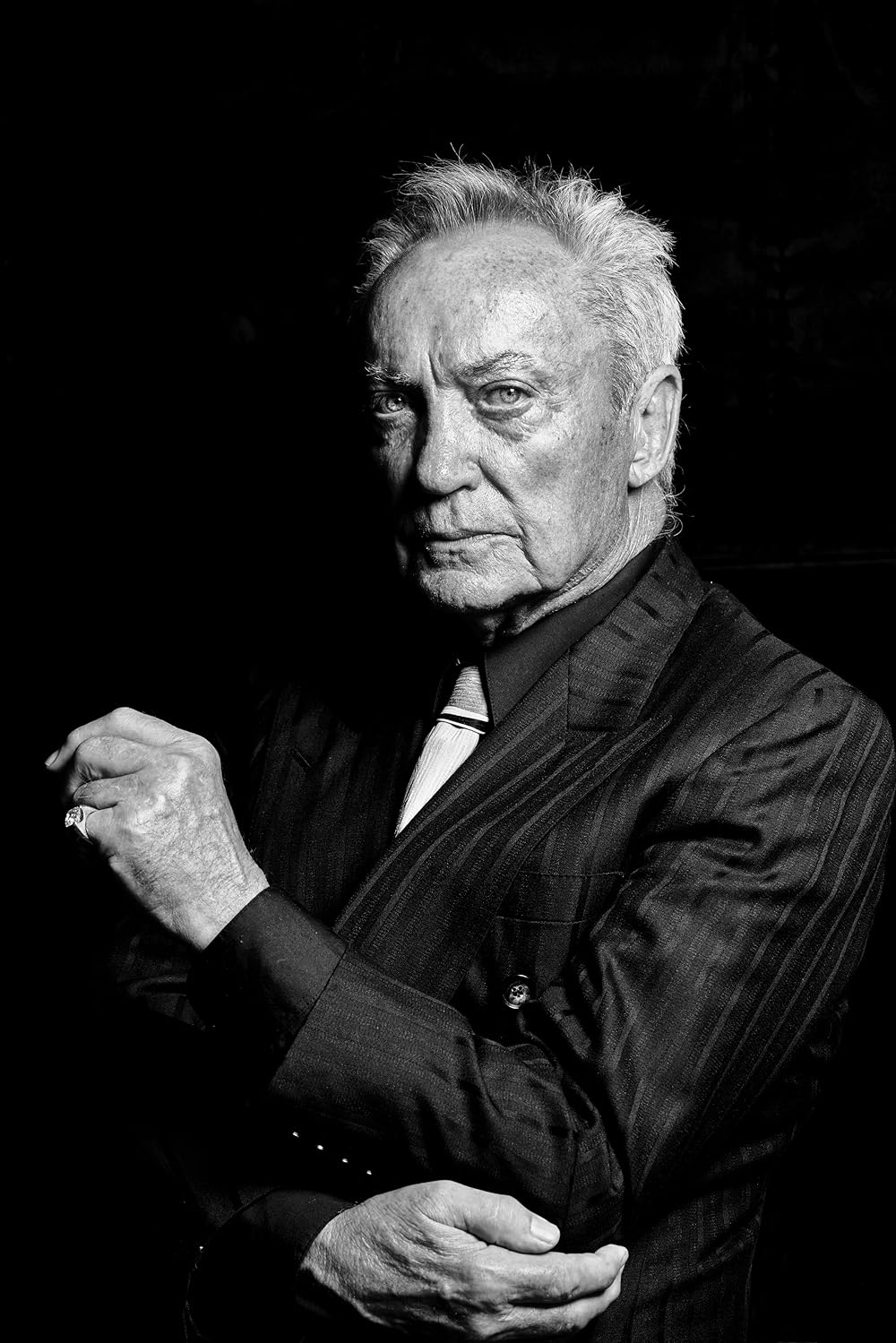
Udo Kier (1944–2025): A Tribute to Cinema’s Most Mesmeric Chameleon
Obituary of German actor Udo Kier (1944–2025), celebrating his singular career and five essential films, from Flesh for Frankenstein to Swan Song.
-
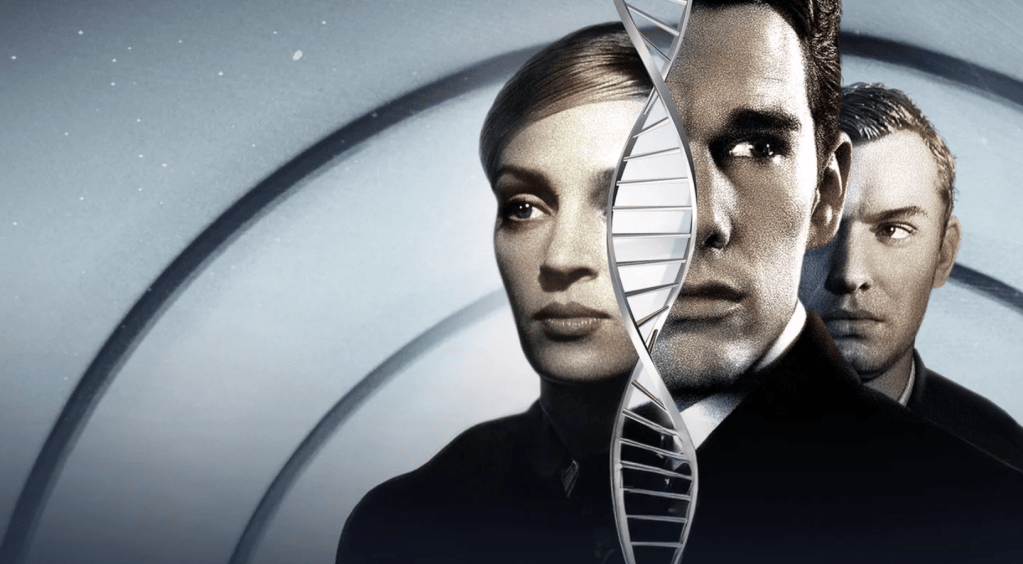
Gattaca: A Vision of the Future in Perfect Style
When Gattaca premiered in 1997, it seemed almost too sleek, too elegant, for the dystopian genre it occupied. Directed by Andrew Niccol, the film offered a future not of neon overload or cyberpunk chaos, but of restrained architecture, immaculate tailoring, and quiet menace. It was science fiction disguised as modernist design — a cautionary tale…
-
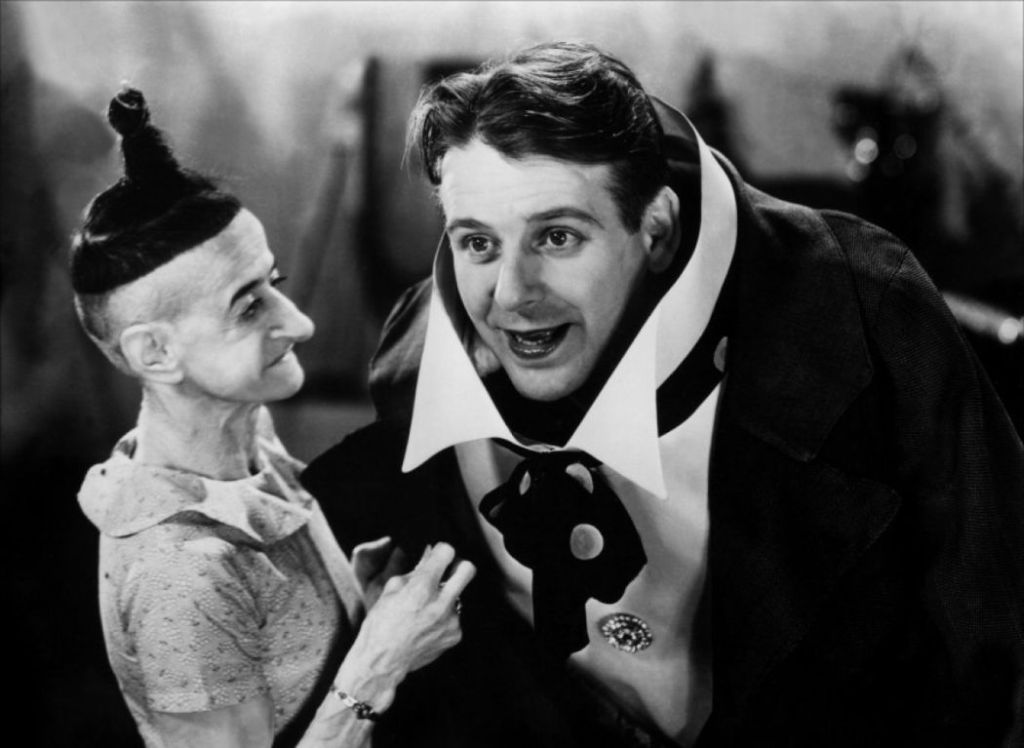
Pre-Code Hollywood: Cinema Before the Rules
Between 1930 and 1934, Hollywood briefly lived in a state of unguarded candor. Before the strict enforcement of the Production Code — better known as the Hays Code — films portrayed sex, violence, vice, and women’s independence with a frankness that would vanish for decades. These “pre-Code” years were short but incandescent, producing a body…
-

Emily Lloyd: A Brilliant Spark of 1990s Cinema
In the late 1980s and early 1990s, there was a moment when Emily Lloyd seemed destined to define a generation of cinema. With her wide, mischievous smile, her London-bred irreverence, and her startling ability to move between comedy and pathos, she felt like a new kind of screen presence: unvarnished, spontaneous, utterly alive. That she…
-
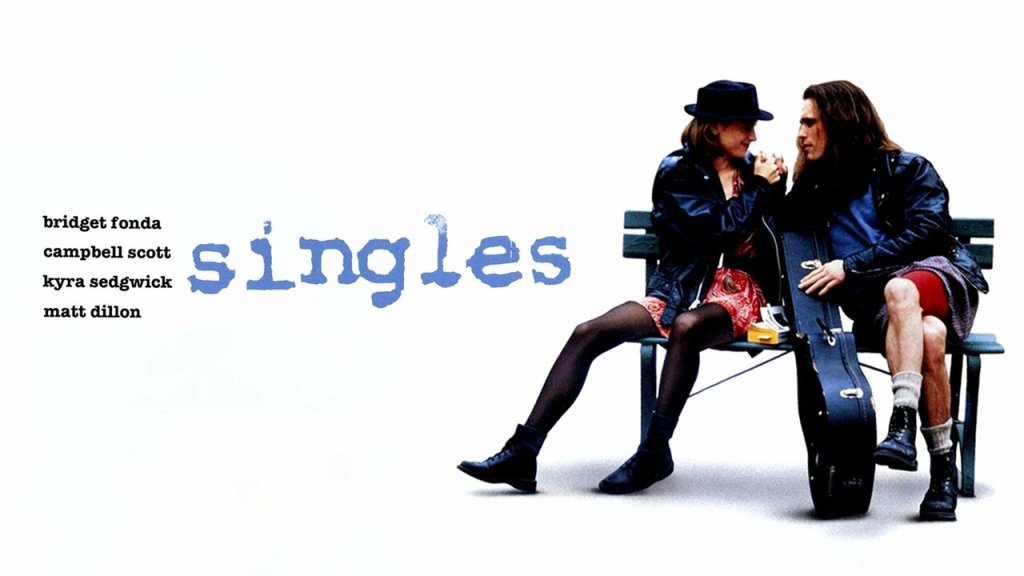
Singles and the Soundtrack of the 1990s
Before Reality Bites defined Generation X in cinema, Cameron Crowe’s Singles (1992) caught the mood of a subculture just as it was cresting into the mainstream: grunge. Set in Seattle at the dawn of the decade, the film is less a tight narrative than an ensemble sketch, drifting between the apartments, cafés, and concert halls…
-
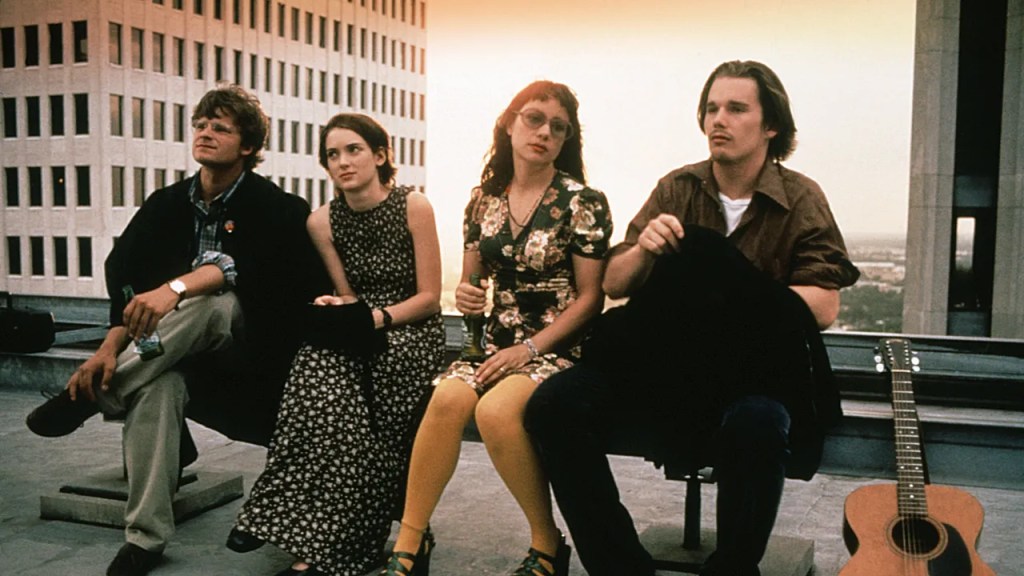
Reality Bites and the Birth of Generation X on Screen
When Reality Bites premiered in 1994, it was marketed as a romantic comedy about recent college graduates stumbling into adulthood. But in hindsight, it was more than that: it was the first Hollywood film to hold a mirror to Generation X, capturing both its cynicism and its yearning, its distrust of institutions and its craving…
-
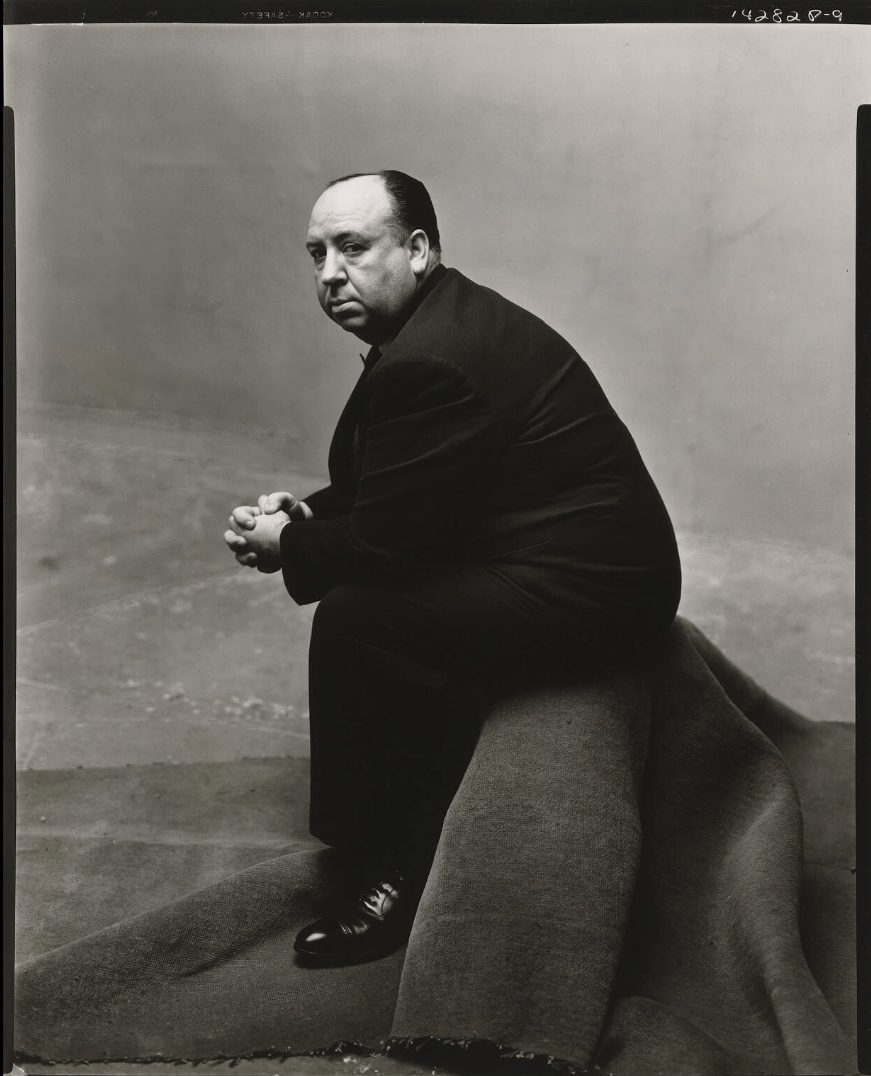
Alfred Hitchcock: The Architecture of Suspense
More than four decades after his death, Alfred Hitchcock still looms over cinema like a dark silhouette against frosted glass. He was called the “Master of Suspense,” but that title, flattering as it is, risks understatement. Hitchcock was not merely a director of thrillers; he was the architect of modern visual storytelling. His films changed…
-
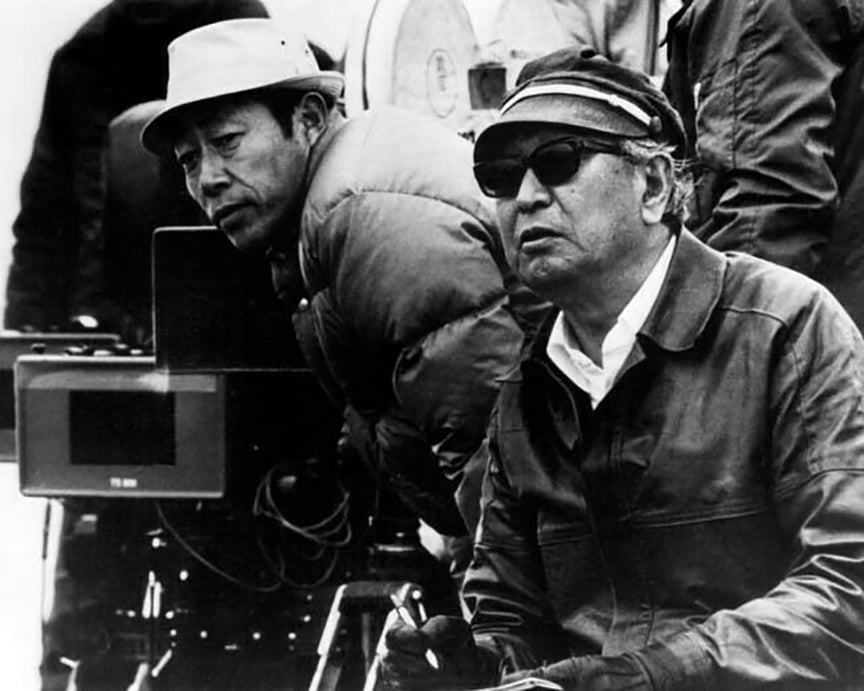
Akira Kurosawa: The Emperor of Cinema
He was called “the Emperor” on set: exacting, visionary, unstoppable. Akira Kurosawa not only reshaped Japanese cinema but redefined what world cinema could be. From rain-drenched battlefields to fog-shrouded castles, his films remain among the greatest dreams ever projected. The Emperor of Cinema When Akira Kurosawa strode onto a set, he cut an unmistakable figure:…
-
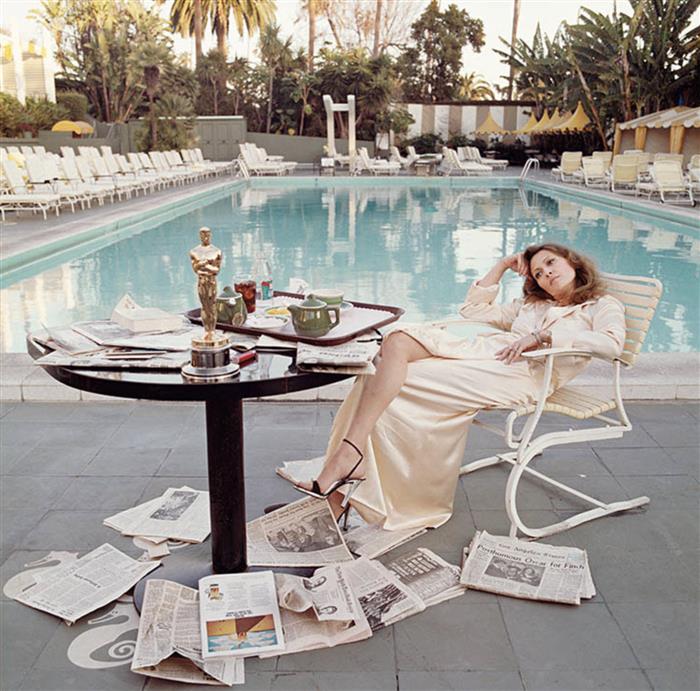
You’re Right in My Eyeline: The Unforgiving Gaze of Faye Dunaway
Hollywood has always been fascinated by women who refuse to soften themselves for the screen. Few embodied that refusal more fully than Faye Dunaway. From the late 1960s onward, she appeared not as a “new kind” of actress but as something rarer: a classical star with a modern nervous system, a presence equal parts glamour…
-
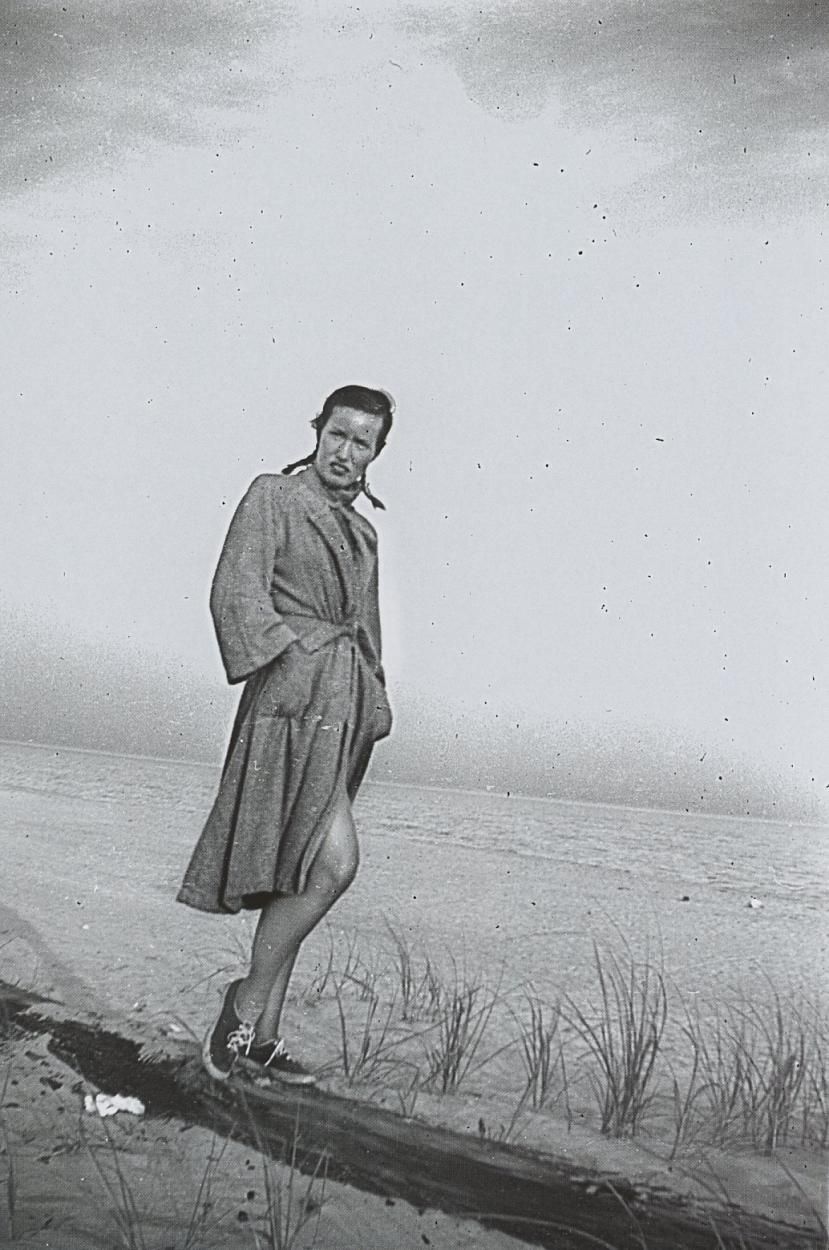
Little Edie Beale: The Cult of Grey Gardens
American culture has always harbored a fascination with women who live on the edges of society’s expectations. Few embody this fascination more vividly than Edith Bouvier Beale — “Little Edie” — the reclusive socialite turned cult icon immortalized in Albert and David Maysles’ 1975 documentary Grey Gardens. Draped in improvised turbans, brooches, and scarves, she…

