
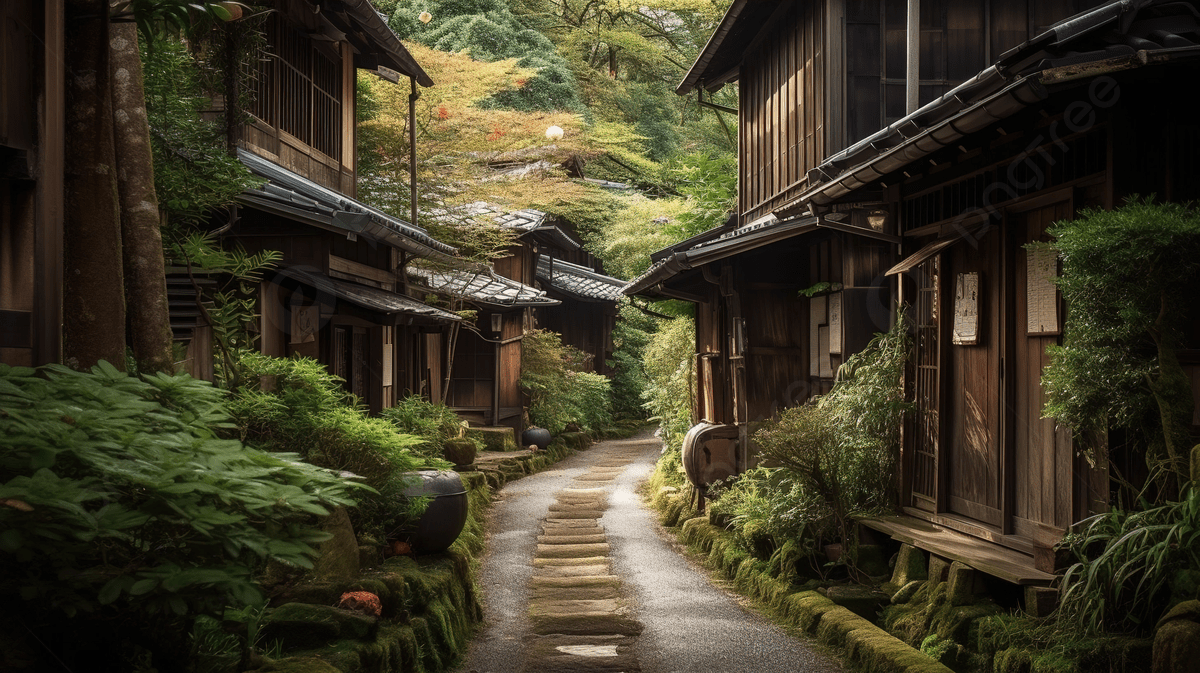
Beyond Tokyo and Kyoto, Japan’s countryside reveals an older rhythm: wooden farmhouses surrounded by rice paddies, mountain villages with steaming hot springs, and inns where tatami mats and sliding screens define the architecture. Here, hospitality is deeply cultural, rooted in ryokan (traditional inns) and minshuku (family-run guesthouses). Many remain remarkably affordable, offering warm welcomes, regional cooking, and immersion in local traditions.
Affordable style in rural Japan is not about luxury design, but about harmony: futons laid out on tatami, onsen baths beneath cedar beams, and meals of freshly caught fish and seasonal vegetables.
Shimizuya Ryokan – Takayama, Gifu Prefecture
A family-run ryokan in the heart of Takayama’s old town, with tatami rooms, hot baths, and multi-course dinners. Simple, traditional, and welcoming.
http://www.shimizuyaryokan.com
Minshuku Goyomon – Ainokura, Gokayama
Set in a UNESCO-listed village of thatched gassho-zukuri houses, this minshuku offers the chance to stay in a historic farmhouse with family-style meals and warm hospitality.
http://www.goyomon.com
Guesthouse Wasabi – Magome, Nakasendo Trail
A rustic guesthouse on the ancient samurai route linking Kyoto and Edo (Tokyo). Dorm-style and private rooms available, making it popular with walkers exploring the historic trail.
Booking.com
Ryokan Tanigawa – Minakami Onsen, Gunma Prefecture
Combining affordability with access to onsen culture, Ryokan Tanigawa offers tatami rooms and baths fed by natural hot springs. Surrounded by mountains and rivers.
http://www.ryokan-tanigawa.com
Minshuku Lamp – Biei, Hokkaido
A countryside inn surrounded by rolling fields of flowers in Hokkaido. Simple wooden interiors, communal meals, and easy access to cycling and hiking in summer, skiing in winter.
Booking.com
Lifestyle Notes
- Food: Expect seasonal kaiseki-style dinners in ryokan; in minshuku, homestyle meals with pickles, rice, miso soup, and local specialties.
- Activities: Hiking in the Japanese Alps, soaking in mountain onsens, cycling through rice fields or Hokkaido flower fields.
- Culture: Many countryside inns are family-owned for generations, blending hospitality with tradition in ways unchanged for centuries.
TL;DR
In Japan’s countryside, affordable style is about authenticity: tatami mats, hot spring baths, and home-cooked meals served with quiet grace. These ryokan and minshuku offer more than lodging — they are living traditions, where comfort is measured in care and atmosphere, not in cost.
 My World of Interiors