

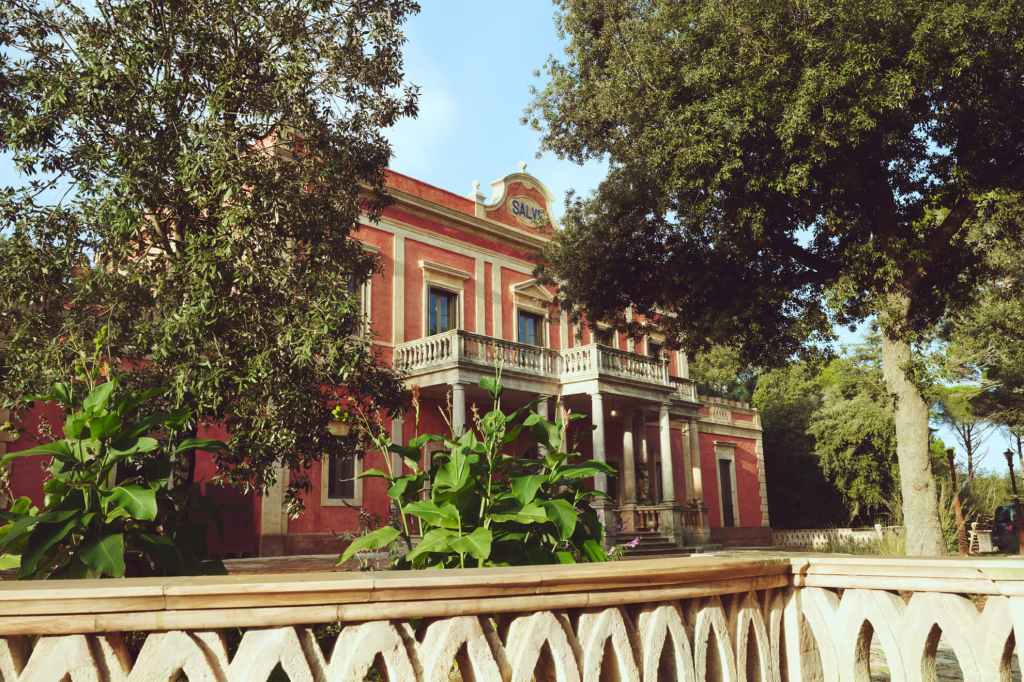
Southern Italy’s landscape is dotted with villas, masserie, and trulli that whisper of another time. Yet once in a while, a restoration comes along that redefines what it means to inhabit history. Villa Colucci, in the Selva di Fasano hills of Puglia, is such a place: a 19th-century summer residence reborn through the vision of two couples at the intersection of design, art, and hospitality.
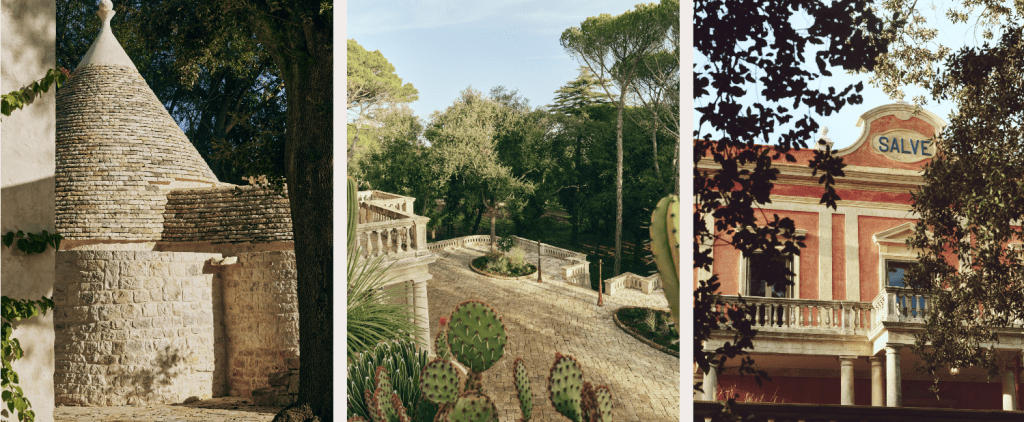
The property had stood abandoned for more than two decades when Mette and Rolf Hay—the founders of the Danish design powerhouse Hay—and their close friends Barbara “Bibi” Husted Werner and Martin Werner encountered it. In the strange days of 2020, when international travel was restricted, they bought the villa remotely, relying on little more than grainy video tours and instinct. What could have been a risky gamble became the start of an extraordinary project in patient, thoughtful restoration.
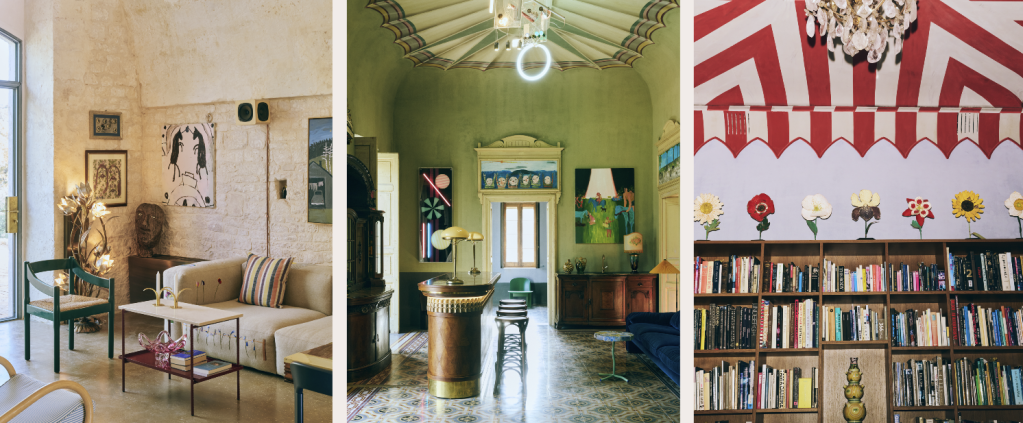
Heritage Preserved, Not Erased
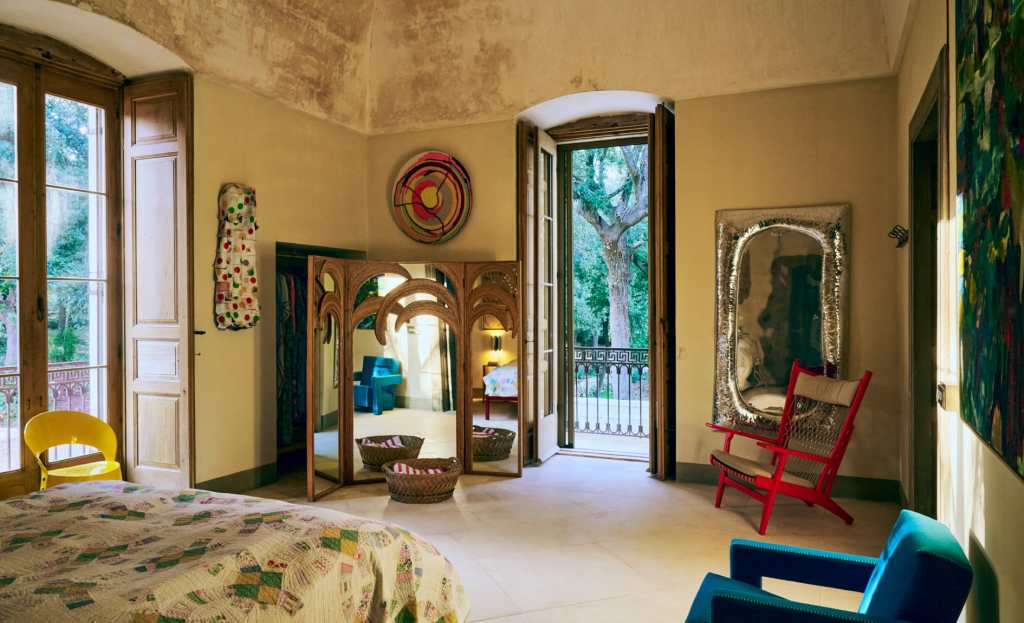
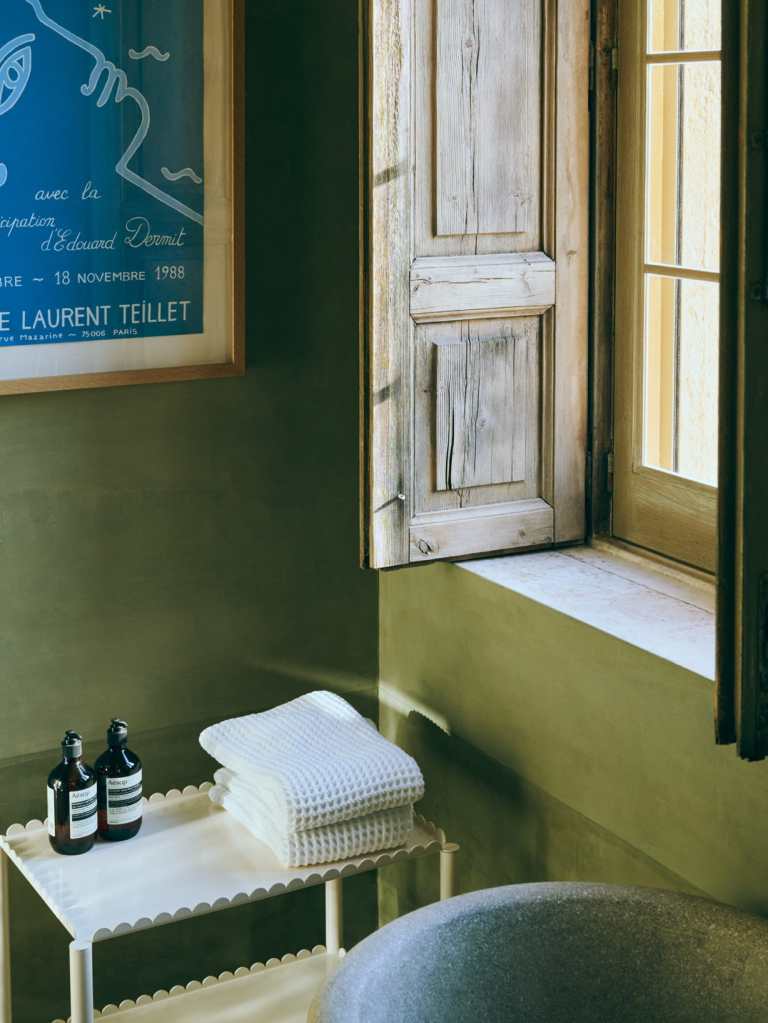
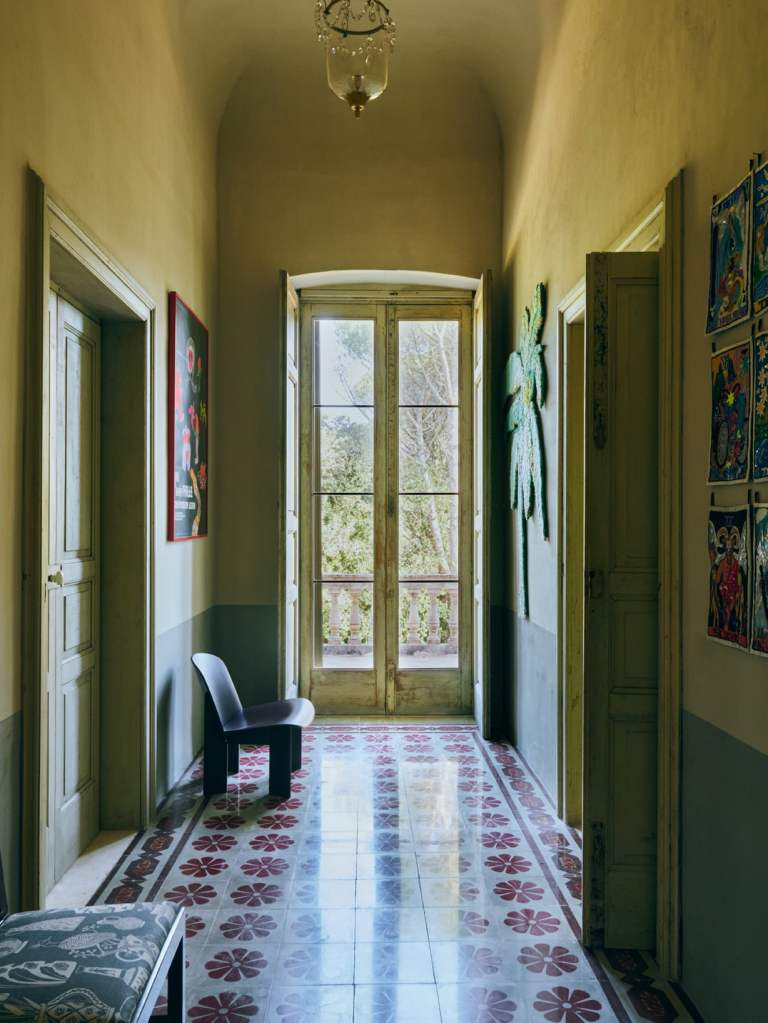
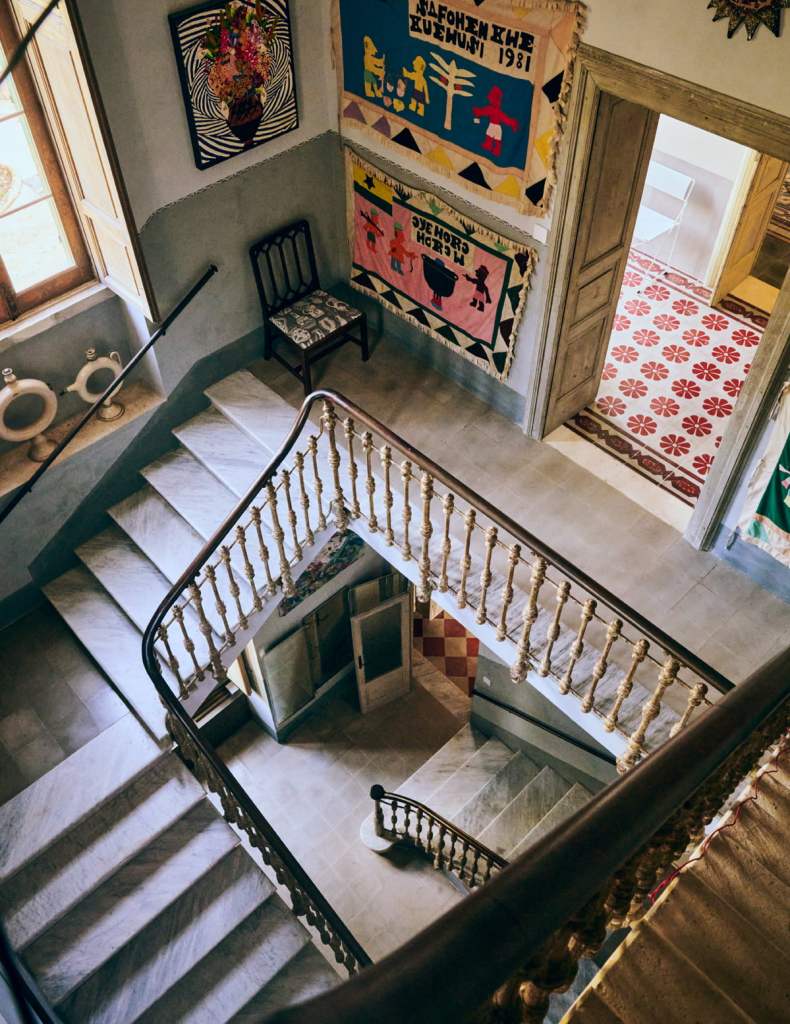
Unlike many high-gloss renovations that sweep away the imperfections of time, the Colucci project embraced them. Working with local architect Francesco Mastrorosa and artisans from the region, the owners retained terrazzo floors worn by generations, heavy wooden shutters, and delicate archways. Walls were limewashed in soft, uneven hues to preserve texture, while original doors were restored rather than replaced. The intention was clear: the house should not look “new,” but timeless—its history visible in every detail.
This philosophy extends to the villa’s bones. Solar panels, discreetly hidden on the roof, supply renewable energy. Modern plumbing and climate control were installed with minimal intrusion. Even the water supply was designed with self-sufficiency in mind, tapping deep into the region’s infrastructure. The house breathes with its past, yet functions seamlessly for contemporary life.
Interiors as a Portrait of Friendship
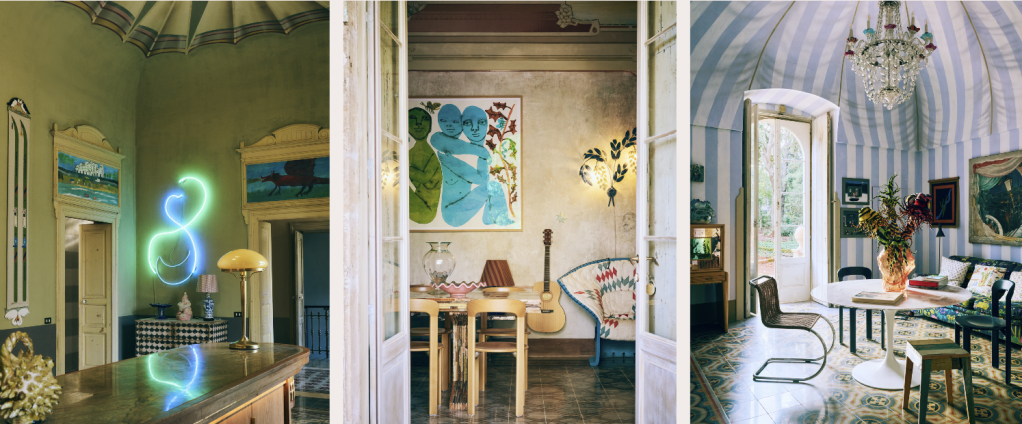
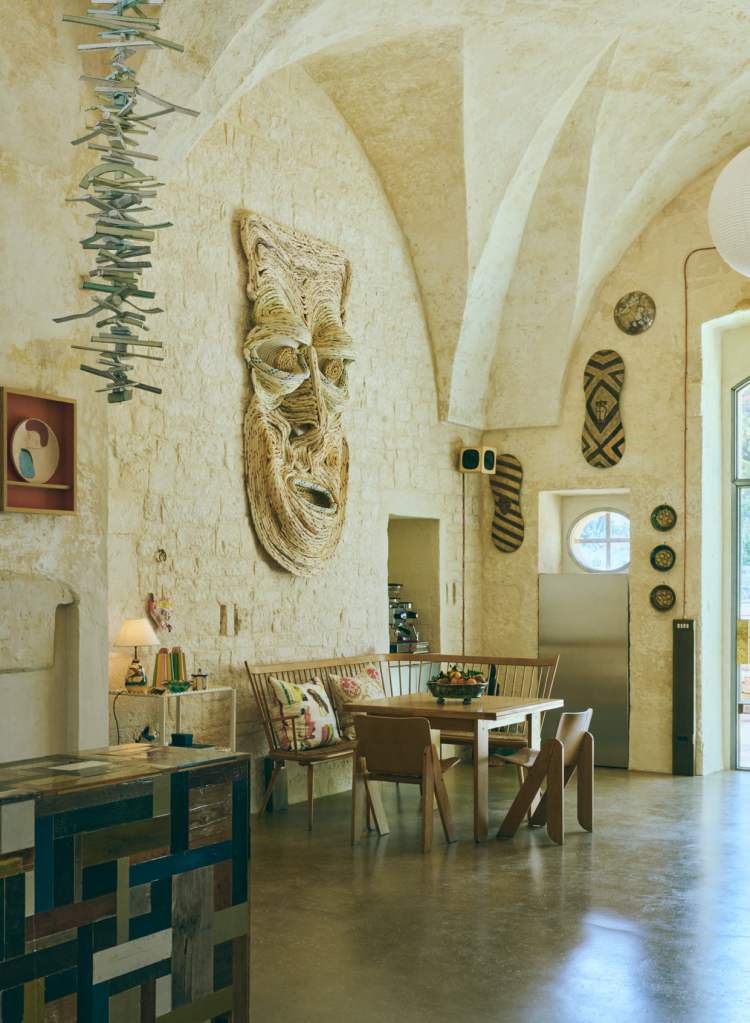
Step inside, and Villa Colucci resists easy categorization. It is neither minimalist nor over-styled, but rather layered, eclectic, and deeply personal. Across 11 bedrooms and bathrooms, objects tell the story of their owners: contemporary paintings and sculpture collected in Copenhagen, prototypes and classics from the Hay archive, antique finds from flea markets, and pieces by local Puglian craftsmen.
The effect is a dialogue, not a showroom. A Hay sofa may sit beside a timeworn Italian cabinet; an artist’s sketch might hang near a trullo-inspired ceramic. The house feels lived-in, even when freshly arrived at—spaces designed to be used, not merely admired. This is a vision of design as part of daily life, not a backdrop for it.
The communal spaces—vast kitchens, shaded courtyards, candlelit dining tables—reveal the spirit of generosity at the project’s heart. Villa Colucci is meant to be shared, whether among family, friends, or travelers lucky enough to pass through.
The Grounds: Olive Groves and Trulli

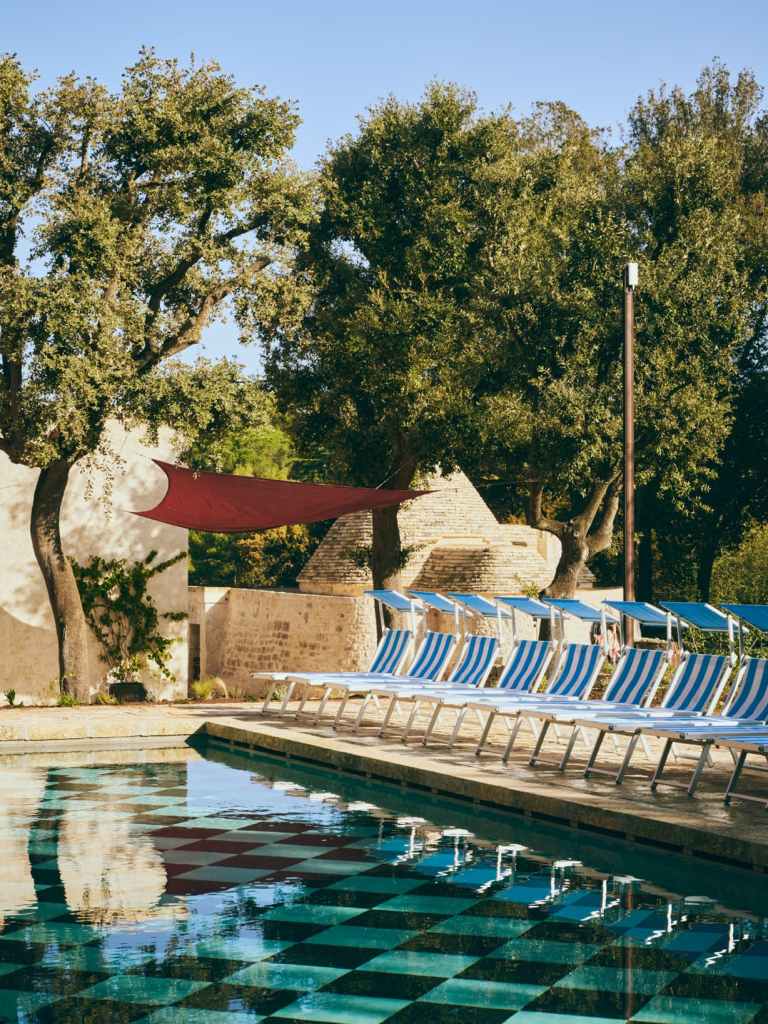
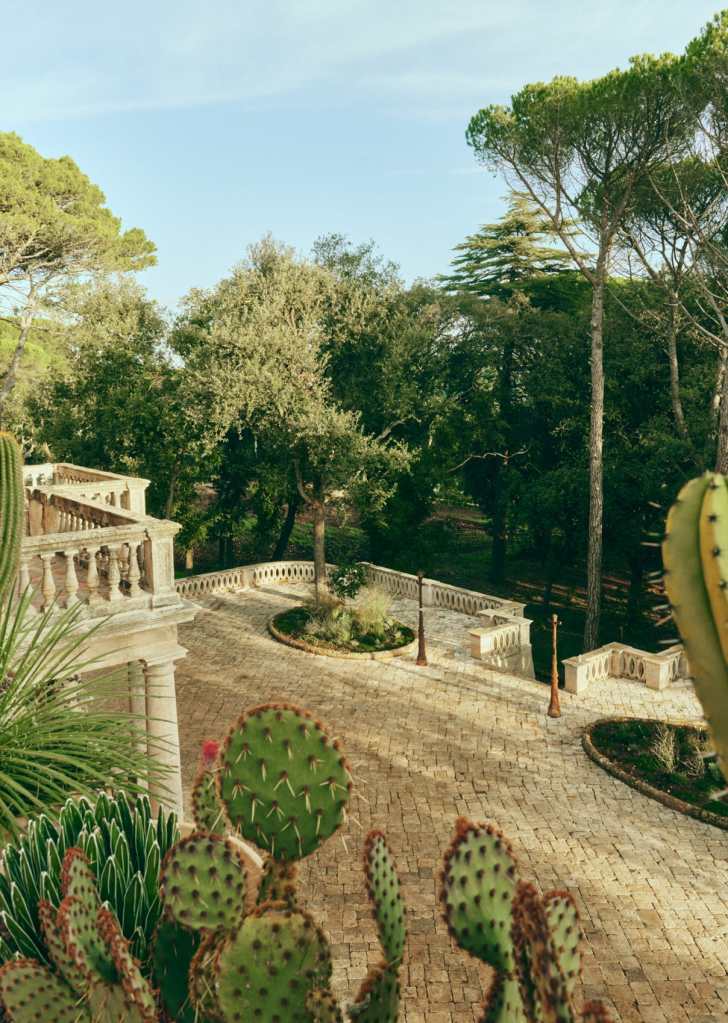
The villa is set amid olive groves and woodlands, with sweeping views of the Adriatic and the Valle d’Itria. A traditional trullo on the property roots it firmly in Puglia’s vernacular architecture, while plans for a small vineyard hint at a future in which the estate produces its own wine. Landscape and building intertwine, each enhancing the other.
This respect for place is part of a larger ethos. Where some projects import international gloss, Villa Colucci is grounded in its surroundings—drawing on local materials, skills, and traditions, while layering in global perspectives from Copenhagen and beyond. It is cosmopolitan without being rootless, contemporary without erasing memory.
A New Model of Luxury
What makes Villa Colucci remarkable is not just its beauty but its approach to luxury. Here, luxury is not about excess or uniform perfection. It is about authenticity, atmosphere, and the slow appreciation of craft. It is about waking to filtered light through antique shutters, walking barefoot across cool tiled floors, or sharing wine by candlelight in a courtyard where history feels close.
The villa embodies what might be called restorative luxury—design that honors the imperfect traces of time, sustains the environment, and invites conviviality. It challenges the idea that a retreat must be polished to shine. Instead, its radiance lies in patina, texture, and the layering of lives past and present.
TL;DR
For travelers, Villa Colucci offers more than accommodation. It is a chance to inhabit a living piece of Puglian history reframed by some of the most influential voices in contemporary design. For the design world, it is a manifesto: a declaration that restraint, heritage, and sustainability can be every bit as compelling as spectacle.
As the villa opens its doors, it signals a broader shift in how we think about travel, design, and preservation. It suggests that the most meaningful spaces are not those that dazzle for a moment, but those that endure, drawing you deeper with every visit.
📍 Discover more at: http://www.villacolucci.com
 My World of Interiors