Category: Aesthetics
-
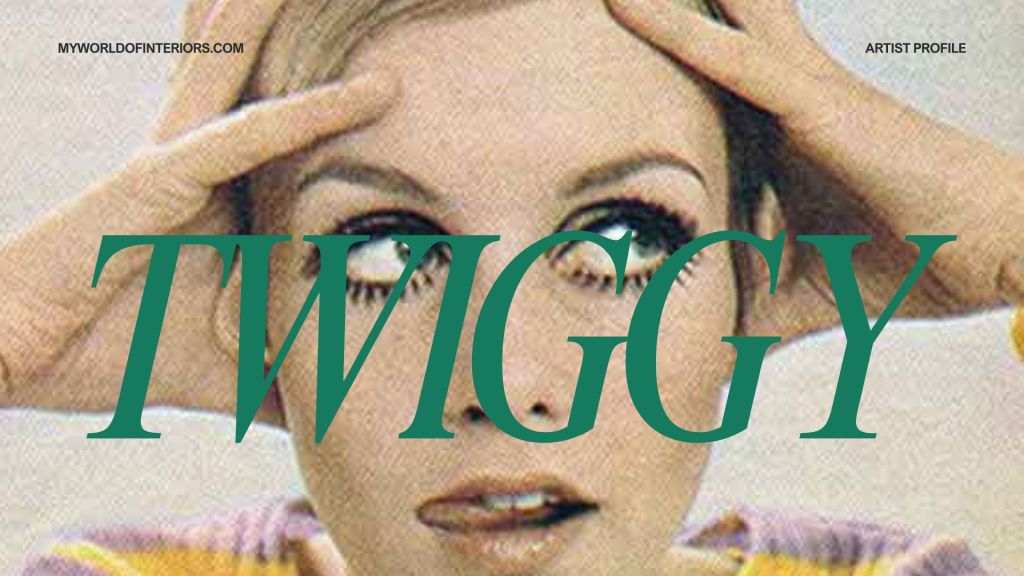
Twiggy: The Girl Who Became an Era
In 1966, Britain had a new monarch. Not one of crown and throne, but of hair, eyes, and attitude. Lesley Hornby—nicknamed Twiggy for her reed-slender frame—was just sixteen when she became “The Face of ’66.” In a single season, she transformed from a hairdresser’s assistant in Neasden into the international emblem of Swinging London. With…
-

The Phantom Carriage: A Haunting New Year’s Tale
Among the treasures of silent cinema, few films are as haunting — or as seasonally apt — as Victor Sjöström’s The Phantom Carriage (1921). Set on New Year’s Eve, it spins a chilling legend: the last person to die before midnight must drive Death’s spectral carriage for the next year, collecting souls along the way.…
-
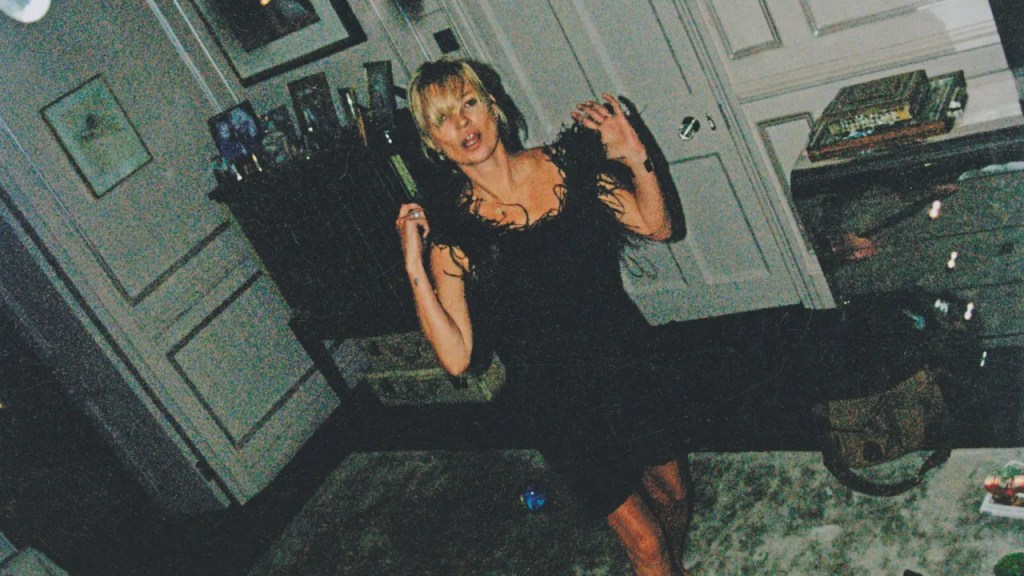
The Glamour of New Year’s Eve Style
New Year’s Eve has always been more than a date — it is a performance. The last night of the year invites transformation: sequins shimmer brighter, velvet feels richer, champagne tastes sharper. Fashion has long been the language of this ritual, each decade reinventing how the midnight hour should look. The Jazz Age Sparkle In…
-

The Ritual of Renewal: New Year’s Eve Across Time
Every year, as midnight approaches, the world holds its breath. Glasses are lifted, clocks tick down, crowds gather in squares and living rooms alike. The turning of the year is both the simplest of rituals — the passage of time — and the most charged: a moment that transforms calendars into ceremonies, routine into theatre.…
-
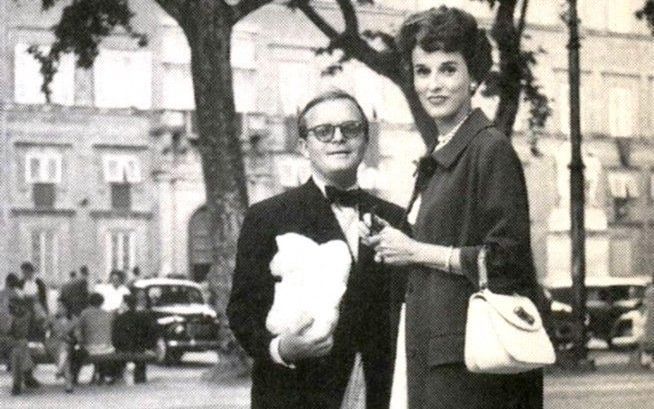
Truman Capote’s Swans: Society’s Last Great Myth
In the gilded world of mid-century society, there existed a rarefied circle of women who seemed to embody elegance itself. They were wealthy, beautiful, impeccably dressed — but above all, they were admired for their poise. Truman Capote, who both adored and betrayed them, christened them his “swans.” To this day, their names evoke a…
-
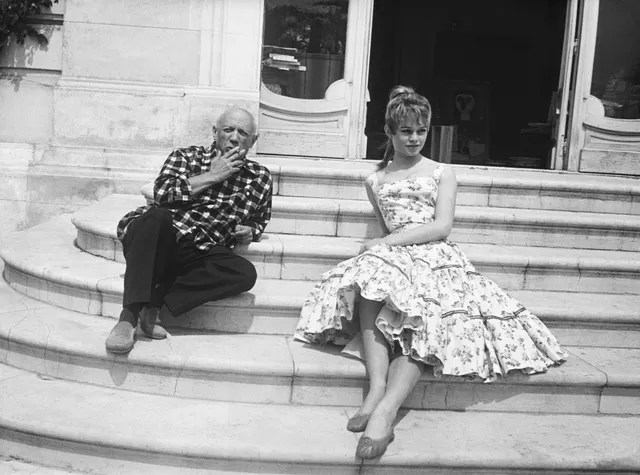
Brigitte Bardot: The Making of an Iconic Style
Few figures in 20th-century culture reshaped the visual language of femininity as powerfully as Brigitte Bardot. More than a film star, she became a style phenomenon — a woman whose clothes, gestures, hair, and posture seemed to crystallise a new mood in post-war Europe: sensual, insouciant, and utterly modern. Bardot did not merely wear fashion;…
-
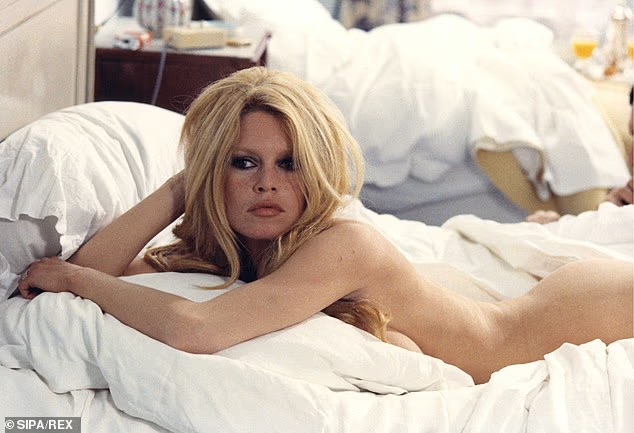
Brigitte Bardot (1934–2025)
Brigitte Bardot, the French actress, model, singer, style icon, and influential animal-rights advocate, has died at the age of 91. Born Brigitte Anne-Marie Bardot on 28 September 1934 in Paris, she began her career as a dancer and model before moving into film in the early 1950s. Her breakthrough role in Roger Vadim’s And God…
-
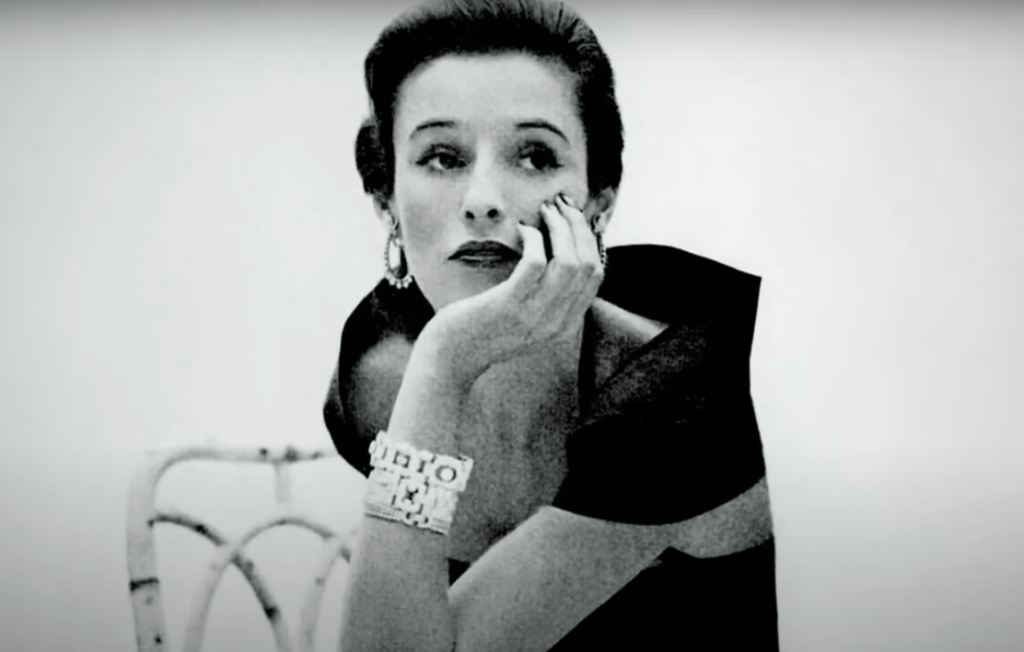
Babe Paley: The Perfection of Style
In the constellation of twentieth-century American society, no star glittered quite like Babe Paley (1915–1978). Born Barbara Cushing in Boston — one of the famed “Cushing Sisters,” whose marriages connected them to American dynasties — she rose to become not merely a socialite but a myth: the woman who defined what it meant to be…
-
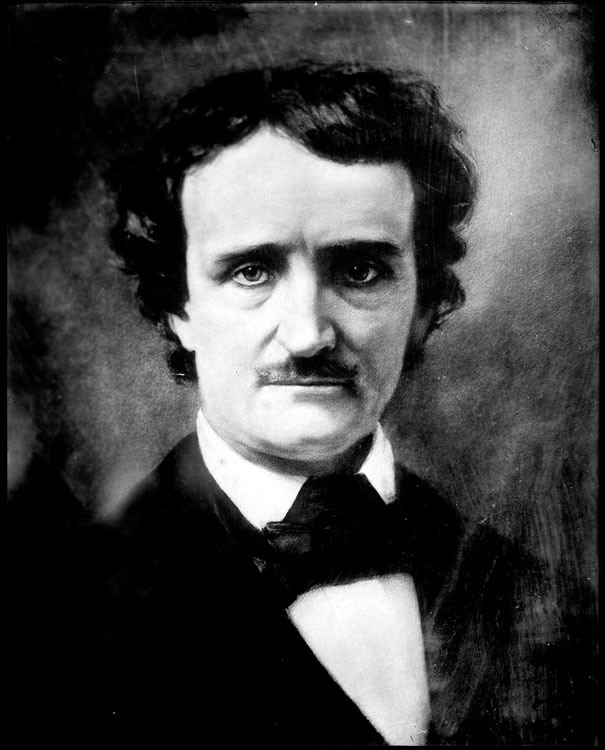
Edgar Allan Poe: The Architect of American Shadows
Edgar Allan Poe (1809–1849) remains one of the most singular figures in American letters: poet, critic, short story pioneer, and gothic visionary. His life, brief and tumultuous, has long been folded into the myth of his work — the impoverished genius, the tragic outsider, the writer of haunted tales who himself died mysteriously. But Poe’s…
-
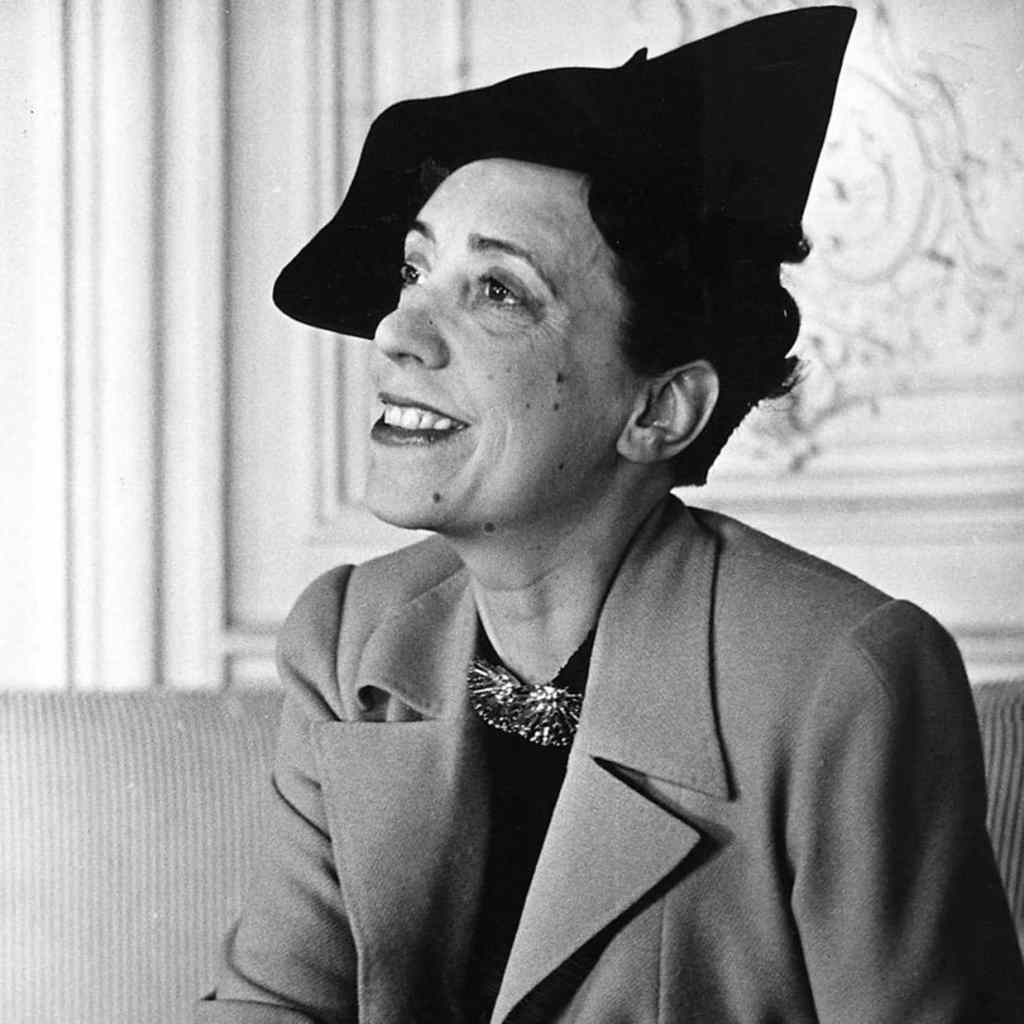
Elsa Schiaparelli: The Surrealist Couturière
In the history of twentieth-century fashion, few figures embody the dialogue between art and clothing as vividly as Elsa Schiaparelli (1890–1973). A Roman aristocrat turned Parisian visionary, she transformed couture into Surrealist theatre, collaborating with artists like Salvador Dalí, Jean Cocteau, and Man Ray. To wear Schiaparelli was not simply to be dressed — it…

