Category: Aesthetics
-
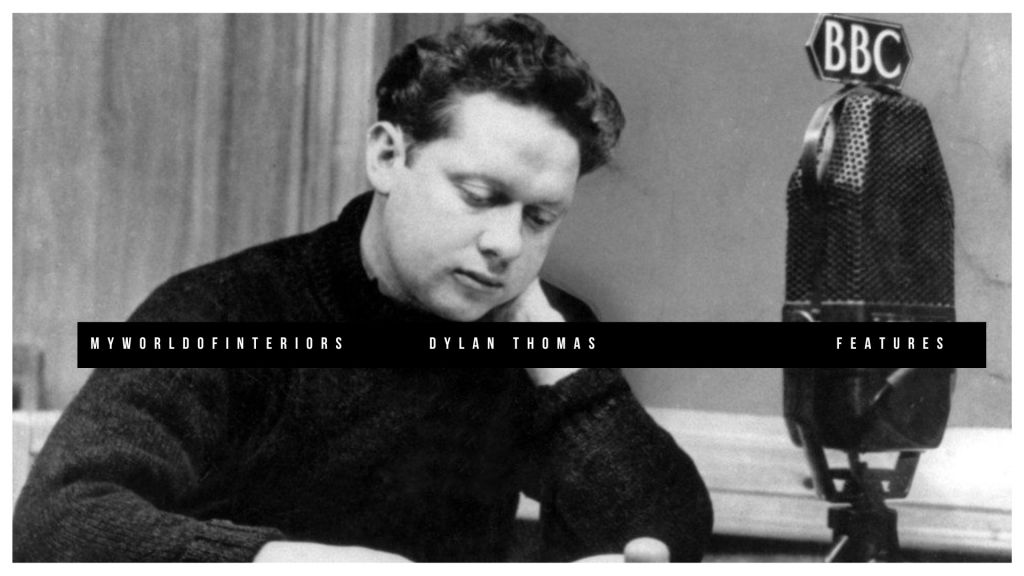
Dylan Thomas: The Music of Meaning
Dylan Thomas occupies a singular corner of twentieth-century poetry: a writer for whom sound was not ornament but ontology. He is, perhaps above all else, a poet of voice—of syllables struck like bells, of syntax uncoiling into chant, of images that are felt in the mouth before they settle in the mind. He is my…
-
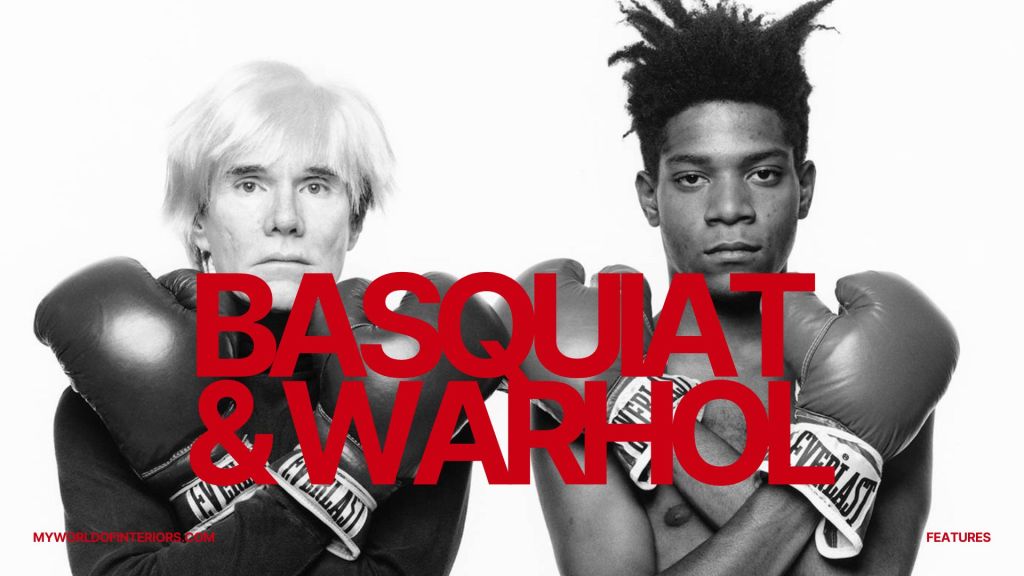
Basquiat & Warhol: Collision, Collaboration, and the Making of Modern Myth
Art history is rich with encounters between generations, but few have provoked as much fascination, controversy, and enduring debate as the working friendship between Andy Warhol and Jean-Michel Basquiat. On one side stood Warhol, the established oracle of Pop, a man whose silkscreens of soup cans, celebrities, and consumer logos had redefined art’s relationship to…
-

The Examined Life: Wim Wenders and the Radical Ordinariness of Perfect Days
On toilets, cassette tapes, and the philosophical weight of a life lived well Forget about the Oscars, Perfect Days (2023) is all you need this week. There is a scene near the midpoint of Wim Wenders’s Perfect Days in which Hirayama, a cleaner of public lavatories in Tokyo, lies on his futon in the amber…
-
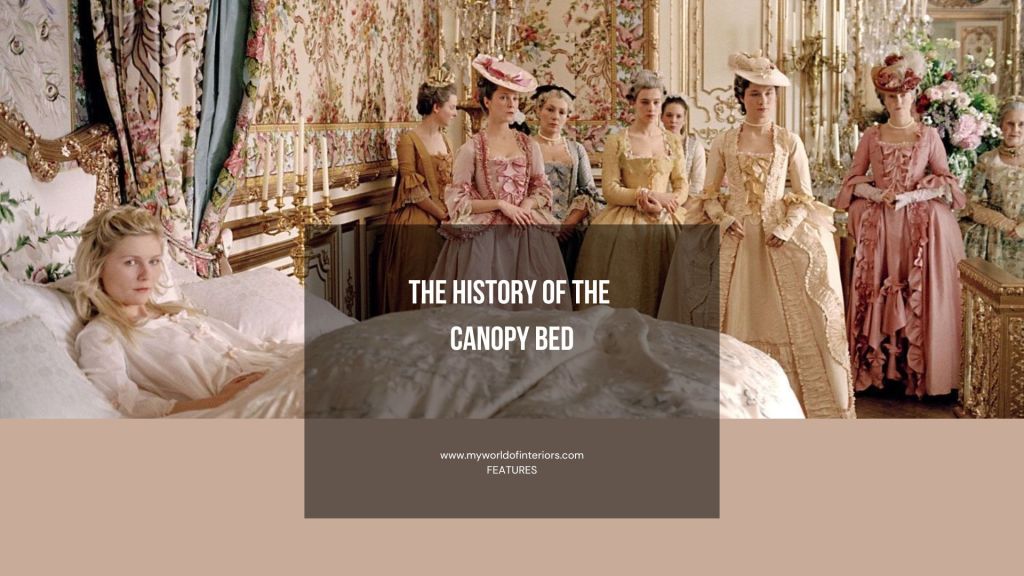
The Canopy Bed: A History of Privacy, Prestige, and Design
Few pieces of furniture have carried as much symbolic weight as the canopy bed. Known in Danish as the himmelseng — the “heaven bed” — it is at once functional and ceremonial, an object that has provided warmth, privacy, and authority across centuries. To trace its history is to follow the evolution of domestic life…
-
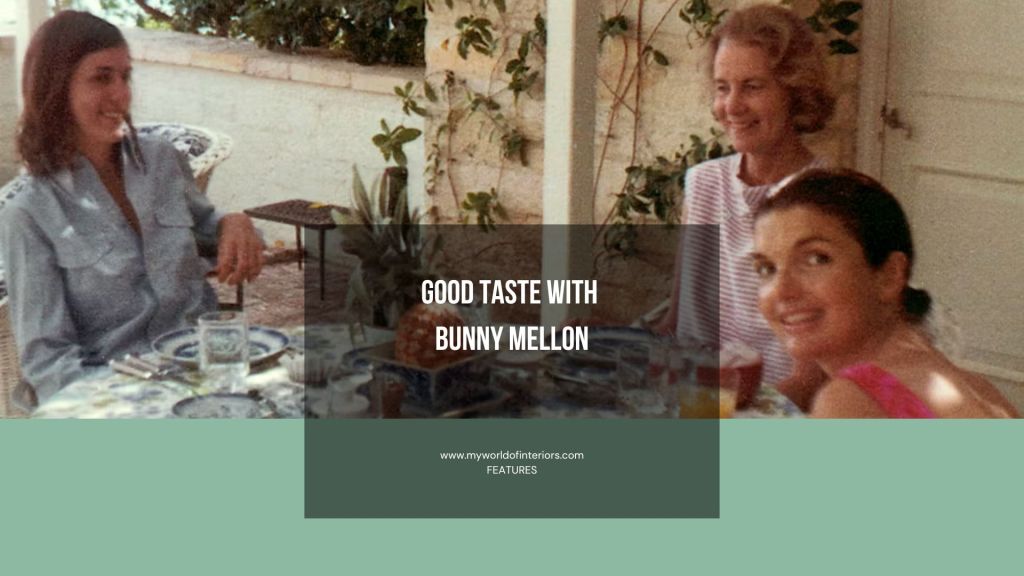
Bunny Mellon: The Quiet Architect of Taste
Some lives unfold in public, demanding attention with noise and spectacle. Others shape the world quietly, through gardens planted, rooms arranged, and the cultivated art of discretion. Rachel Lambert “Bunny” Mellon belonged firmly to the latter category. For decades, she remained a figure of mystery and allure: heiress, horticulturalist, collector, designer, and confidante to presidents…
-

Alexander Payne: Satire, Sentiment, and the Tragedy of the Ordinary
Alexander Payne’s cinema is a study in the unspectacular. At a time when American film has been dominated by spectacle — superhero universes, hyper-stylised crime sagas, and CGI extravaganzas — Payne has built a career on the exact opposite. His films dwell on the ordinary: aging parents, disillusioned teachers, alcoholic writers, restless adolescents, and men…
-

Schumacher: A House Woven Into American Design
Origins: From Ladies’ Mile to the White House Schumacher’s story begins in boom-time New York. In 1889, Paris-born Frederic Schumacher opened his textile house on Manhattan’s Ladies’ Mile, supplying silks and damasks to the grand hotels and Gilded Age mansions that were inventing a new American glamour. Within a decade the firm was manufacturing domestically;…
-

River Phoenix: A Brilliant Flame Gone Too Soon
In the constellation of Hollywood icons, River Phoenix burns with a singular intensity. Born in 1970 and gone by 1993, he left behind a body of work that feels both complete and painfully unfinished. In just over a decade, he carved a reputation as one of the most gifted actors of his generation — a…
-
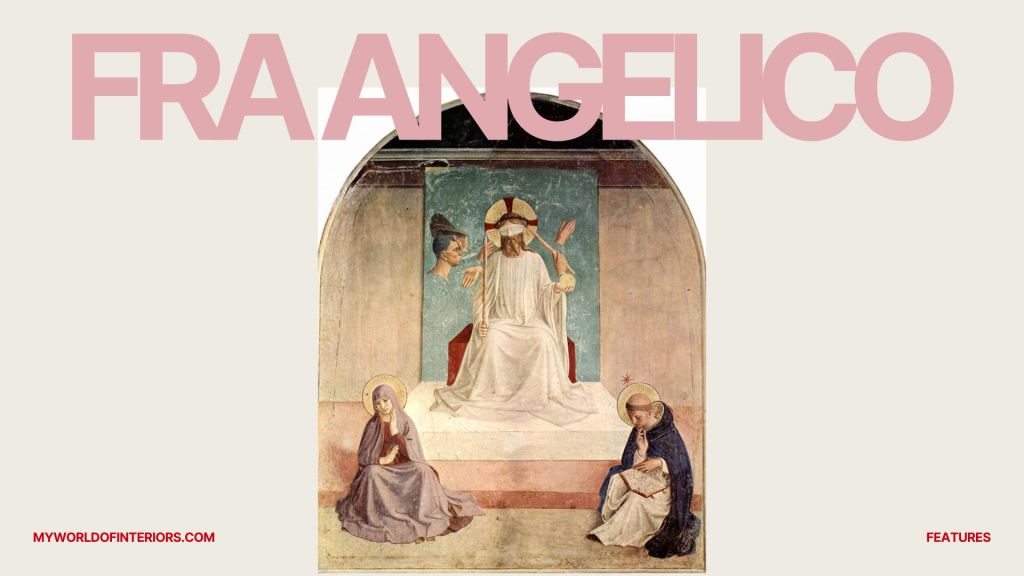
Fra Angelico: Painter of Light and Grace
In the vast history of Western art, few figures embody the seamless marriage of devotion and innovation as fully as Fra Angelico. Born Guido di Pietro around 1395 near Florence, he entered the Dominican Order at Fiesole and became known simply as Fra Angelico — the Angelic Brother. His works, suffused with luminous color and…
-
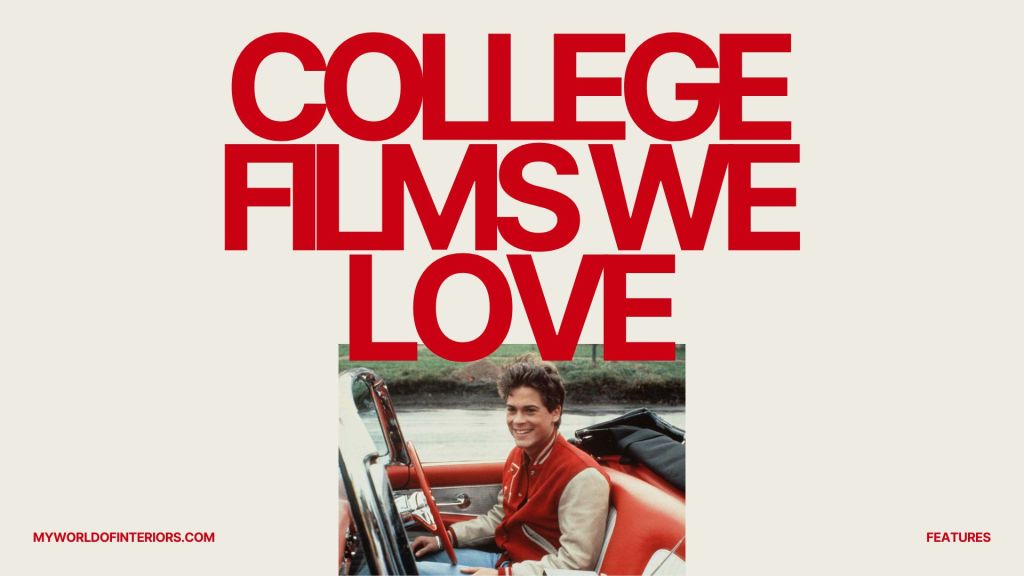
Campus Screens: Ten of the Best College Movies of All Time
The college campus has long been a fertile setting for cinema — a place where youthful freedom collides with tradition, where ideas flourish and identities fracture, where romance, rivalry, and rebellion all take the stage. From satirical comedies to earnest dramas, films set in universities offer more than ivy-covered backdrops; they become allegories for ambition,…

