Every age creates its own myths.
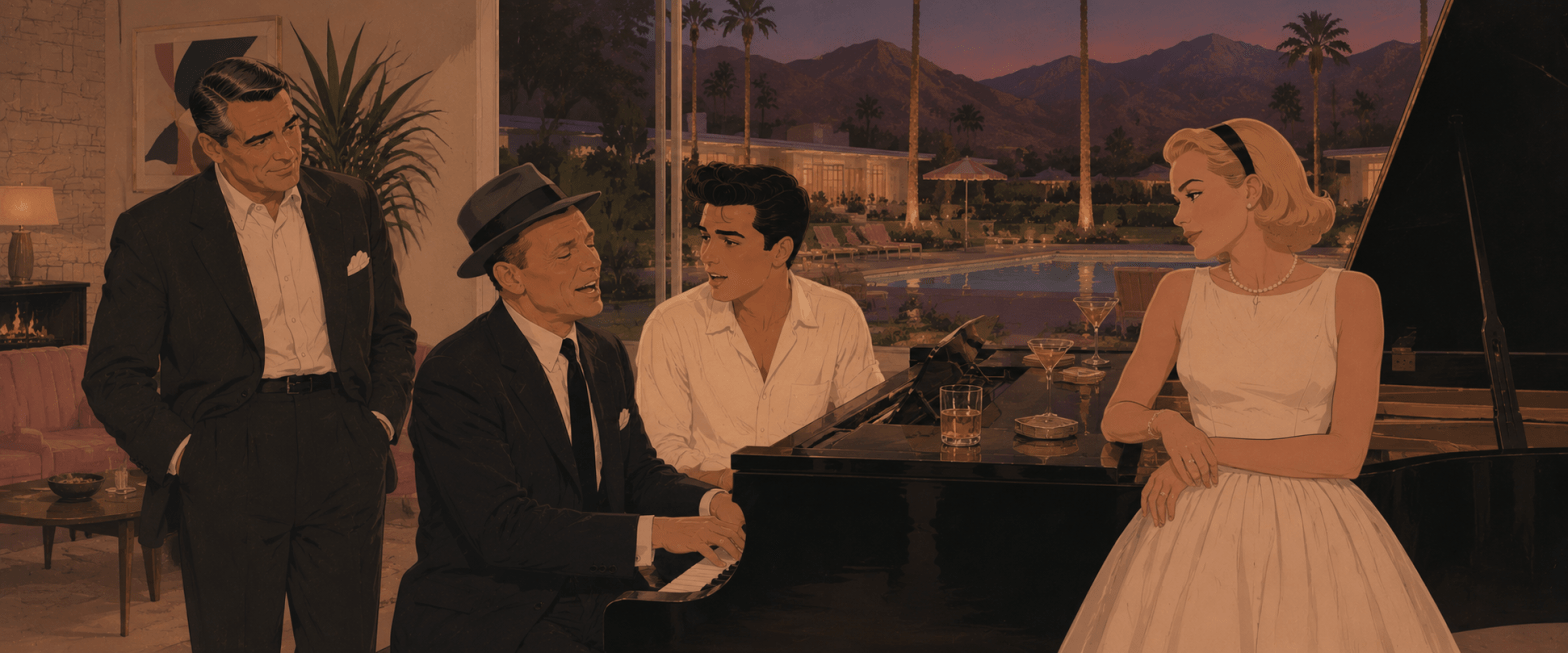
In the bright, restless years of post-war America, a new kind of legend was beginning to take shape — born not in ancient stories but in music, images, and the strange machinery of fame.
FYI:
Most accompanying illustrations have been made with AI. Sometimes they work, sometimes they don’t.
The full novel has been written by me, a human being—in case you were wondering…
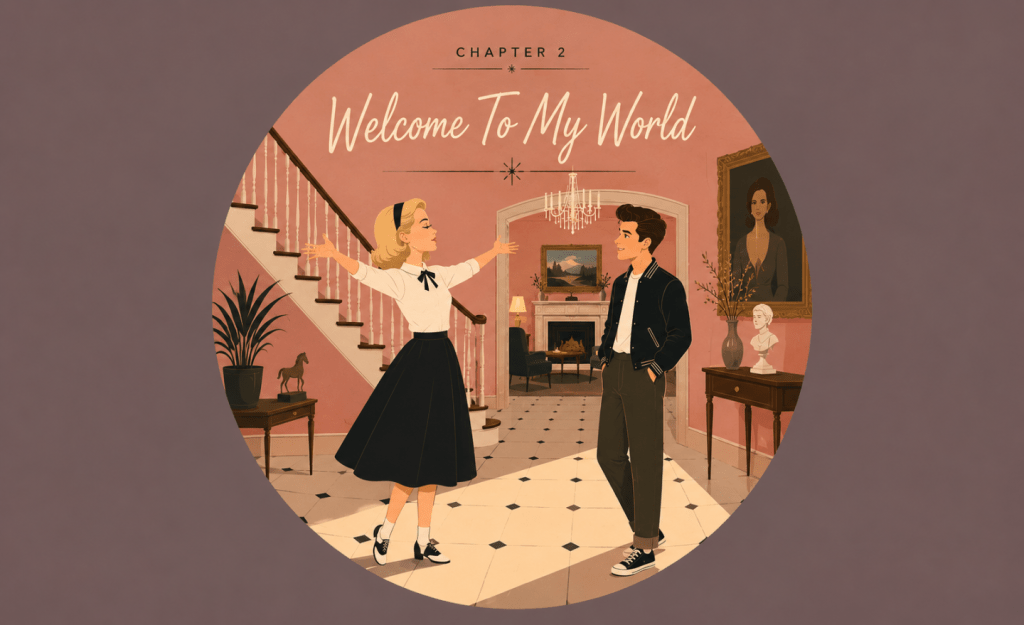
Great Are the Myths began as a meditation on memory, myth-making, and the strange architecture of postwar America. Before it became a novel, it existed as an improvised comedy-fiction podcast about Elvis and his time-travelling imaginary childhood friend. Somewhere along the way, someone suggested I should write it down properly. So I did.
What began as absurdist improvisation slowly evolved into something more reflective: a literary exploration of growing up, fame, desire, class, grief and the making of modern mythology in 1950s America.
Set between Memphis, New York, Los Angeles and Palm Springs in the late 1940s and 1950s, the novel explores how modern celebrity culture emerged not merely through fame itself, but through longing, projection, class aspiration and the American imagination.
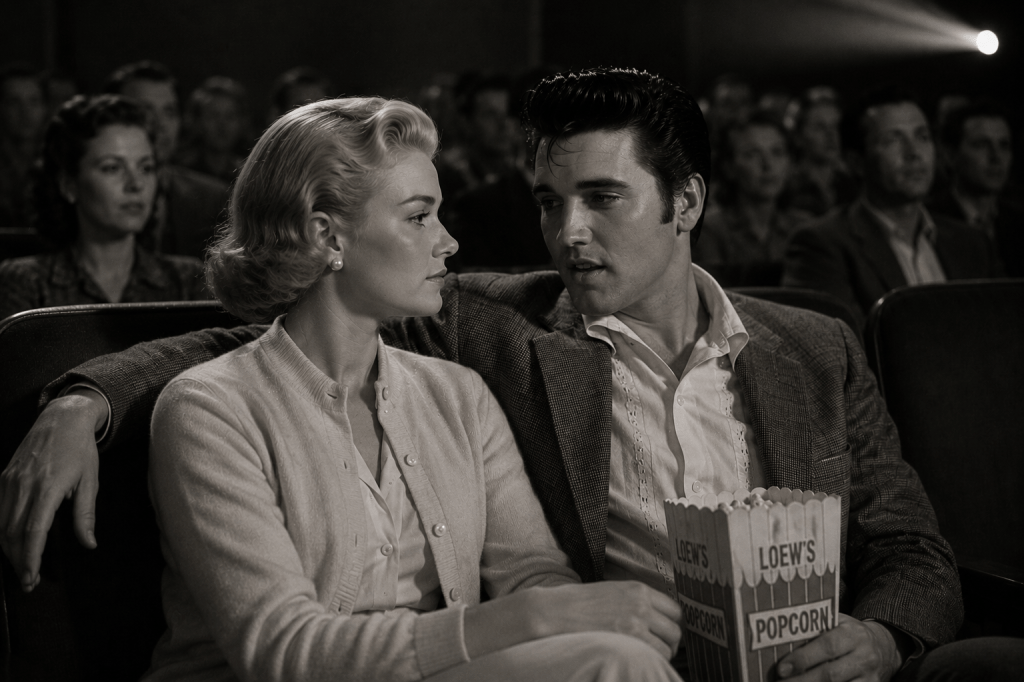
At its centre is Birdie Darling, an Anglo-American girl whose relationship with a school friend and rising star unfolds alongside the construction of a new national mythology. The novel is less concerned with biography than with interiority: how people become symbols, how memory distorts reality, and how private emotional worlds intersect with larger cultural narratives.
Structurally, the book draws on the traditions of the Bildungsroman and the memory novel, particularly the work of Proust, while also engaging with the aesthetics of mid-century American cinema, glamour photography and popular music. The Memphis mansion, the desert landscapes of California and the dream-spaces of hotels, swimming pools and highways function not simply as settings but as psychological and mythological terrains.
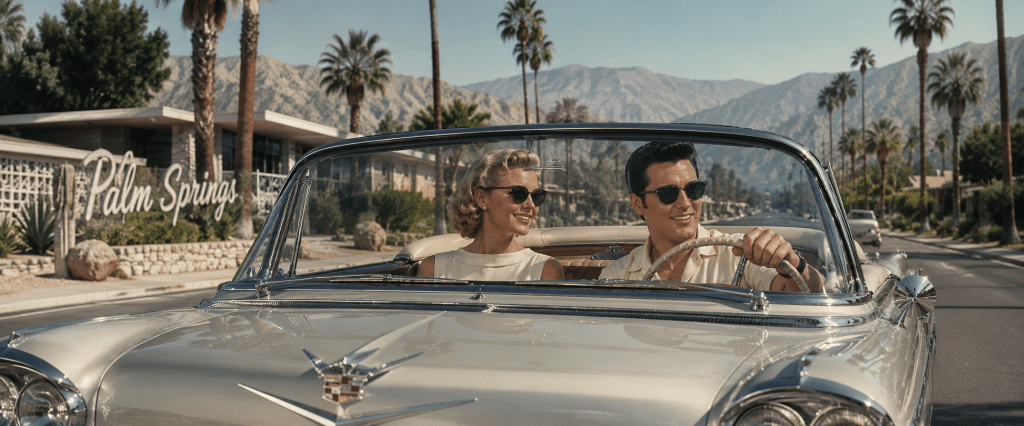
Rather than treating the 1950s as nostalgic iconography, the novel attempts to examine the emotional and philosophical cost of becoming an image, both for the figures placed under public scrutiny and for those standing just outside the light.
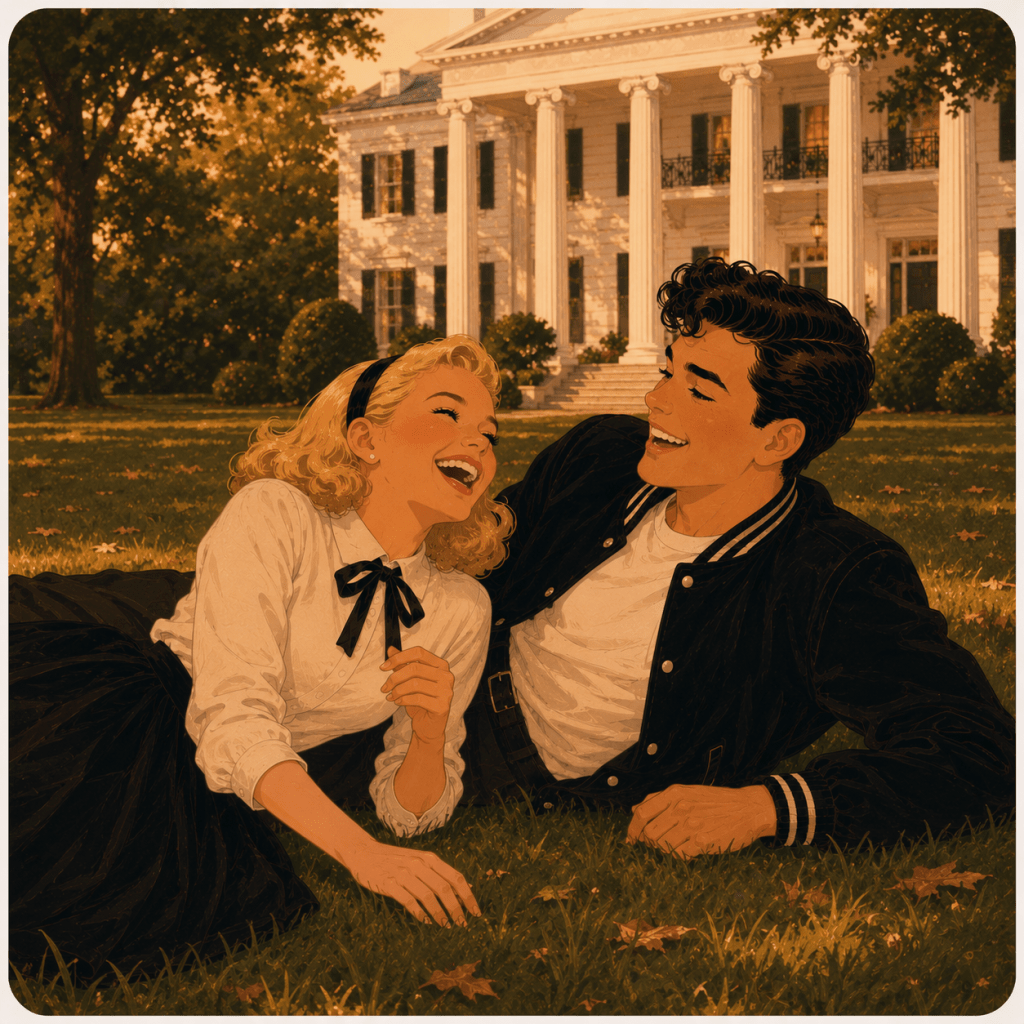
The title itself gestures toward the central idea that myths are not relics of the ancient world but living systems we continue to construct around beauty, fame, desire and America itself.
I am serialising the novel over the summer of 2026 on myworldofinteriors.com.
You will get a chapter daily HERE
To start at the beginning CLICK HERE
You can listen to the full audiobook on the usual podcast and audio platforms: start with Episode 1 and work your way through. Weekly companion pieces going through the themes (bonus episodes) after the last chapter:
For all related features CLICK HERE